Vocal Pedagogy: A Complete Guide for K-12 Educators
Vocal Pedagogy: A Complete Guide for K-12 Educators

Article by
Milo
ESL Content Coordinator & Educator
ESL Content Coordinator & Educator
All Posts
During puberty, the male larynx grows from roughly 4 centimeters to over 7 centimeters, nearly doubling in size while vocal folds lengthen and thicken. This physical transformation cracks voices, shifts ranges, and turns your 7th grade tenor into a struggling bass overnight. Vocal pedagogy gives you the roadmap to navigate these changes without damaging young instruments.
It is not voice lessons for the gifted few. It is the science and art of teaching healthy vocal production to every student who walks into your choir room or general music class. You learn how respiration powers phonation, why belting harms immature folds, and when to transpose repertoire during the adolescent voice change.
This guide covers the mechanics of singing, from tessitura to registration. We will look at choral and studio applications, compare methods from Suzuki to Orff, and show you how to teach jazz scat and musical theatre belting safely. You will leave knowing exactly how to build voices that last.
Still grading everything by hand?
EMStudio is a free teaching management app — manage your classes, students, lessons, and more!
Learn More

Still grading everything by hand?
EMStudio is a free teaching management app — manage your classes, students, lessons, and more!
Learn More
Table of Contents
What Is Vocal Pedagogy and How Does It Differ From Voice Training?
Vocal pedagogy is the academic study and practice of teaching singing, grounded in anatomy, voice science, and learning theory, whereas voice training focuses on skill acquisition and repertoire preparation. Pedagogy requires understanding the DMA-level study of registration, health, and methodology; training can occur without any formal pedagogical study.
Think of it this way: voice training teaches a student to sing tomorrow's audition. Vocal pedagogy teaches you why that student will still be singing thirty years from now. One builds skill. The other builds longevity through systematic understanding.
Vocal pedagogy sits at the intersection of art and science. It needs fluency in laryngeal anatomy, respiration mechanics, and the physics of sound production. When a teacher pursues a DMA vocal pedagogy credential, they spend years studying registration shifts and adolescent voice change, not just repertoire.
They learn to read spectrograms and interpret flow phonation data. Voice training, by contrast, prepares singers for specific performances—mastering a tessitura, perfecting belting technique for a role, or polishing diction for next month's competition. A trainer asks "Can you hit this note?" A pedagogue asks "How will you hit this note at age forty without damaging the mucosal wave?"
The DMA is the terminal credential. It separates the scholar who researches adolescent voice change from the practitioner who simply assigns repertoire. You can train voices without it. You cannot claim pedagogical expertise.
In a K-12 setting, this distinction determines whether you assign a sixth-grader a song because it fits the concert theme, or because it fits her tessitura during the adolescent voice change. Pedagogy needs the latter. Training often settles for the former.
The gap widens when you examine how each approach handles history, science, and time.
Historical context: Training mimics bel canto recordings; pedagogy explains why those registration choices worked in 1850 Italy but fail in modern mix.
When your middle schooler cracks on an ascension, a trainer repeats the phrase until it works. A pedagogue recognizes the registration shift at E4 and adjusts the vowel to maintain vocal fold closure without force. The pedagogue knows that cracking indicates a mechanical failure, not a lack of effort.
Scientific application: Training uses imagery ("buzz forward"); pedagogy employs spectrogram analysis of harmonic overtones during phonation.
In my classroom, I used to say "sing through your mask." After studying vocal pedagogy, I started showing students real-time feedback of their harmonic presence on a spectrogram.
They saw the difference between pressed and flow phonation immediately. No more guessing about "placement" or "buzzing forward." They could see the harmonic overtones align when they released excess subglottal pressure.
Scope: Training targets the spring musical; pedagogy designs lifelong vocal health protocols.
Voice training gets you through the Friday night performance. Pedagogy ensures you can still speak comfortably on Saturday morning. It accounts for the 10-15 cm H2O subglottal pressure threshold that prevents vocal fold collision during heavy belting sequences.
These three dimensions converge in your daily schedule. You might spend fourth period teaching belting technique for the musical (training), then fifth period explaining why a student must switch to a lower part during his adolescent voice change (pedagogy).
Training without pedagogy breaks voices. I have watched choir directors push belting in musicals without understanding the mechanical load. When students push volume to "project"—slamming their vocal folds together with excessive subglottal pressure—they create edema.
Repeat this daily and you get vocal nodules. Pedagogy prevents this by teaching measurable breath management. You learn that 10-15 cm H2O provides optimal flow phonation.
You recognize when a student's respiration strategy shifts from diaphragmatic support to clavicular gasping. You know that a 12-year-old male in adolescent voice change cannot phonate in his former tessitura without risking injury, regardless of how badly he wants the solo.
Without pedagogy, you are driving without a speedometer. You do not know that 20 cm H2O doubles the collision force on vocal folds. You just know the choir needs to sound loud for the superintendent.
The vocabulary shifts depending on where you search. Academic databases treat singing pedagogy and voice pedagogy as interchangeable tags. However, DMA vocal pedagogy programs standardize on "vocal pedagogy," while national K-12 arts standards typically use "singing pedagogy."
The foundational principles of pedagogy remain identical regardless of label. Whether you call it singing, voice, or vocal pedagogy, the work involves protecting registration function and teaching sustainable phonation across the lifespan.
Search "singing pedagogy" in ERIC and you will find articles on elementary methods. Search "voice pedagogy" and you find speech-language pathology crossover. Search "vocal pedagogy" and you find the peer-reviewed journals that DMA candidates read. All three terms describe the same foundational principles of pedagogy, but the databases sort them differently.

Why Is Vocal Pedagogy important for Modern Music Education?
Vocal pedagogy prevents injury during the adolescent voice change (females ages 10-14, males 12-16), supports gender-diverse students through queering techniques, and ensures longevity in performance careers. It applies research like Hattie's feedback effect size (0.75) to vocal contexts, distinguishing emergency fixes from sustainable technique.
Your middle school tenor just cracked on a B-flat. Without proper training, that crack becomes a habit, then nodules, then silence. Vocal pedagogy gives you the tools to navigate these moments with science instead of panic.
The adolescent voice change hits female students typically between ages 10-14 and males from 12-16. During the cambiata stage, male students lose their treble range before gaining the adult register, creating a frustrating gap where they cannot match pitch with familiar repertoire. I keep a set of octave displacement exercises ready.
When a boy's voice drops overnight, we transpose his soprano line down an octave immediately, or switch him to alto parts that sit in his unstable range to maintain ear training without strain. This preserves his musical confidence while his registration stabilizes.
Transposition cards for instant octave adjustments.
Solfege hand signs that bypass phonation struggles.
Rest days during peak mutation weeks.
The cambiata voice is not broken; it is mid-construction. Male students often experience a 5-7 note gap where their modal speaking pitch sits between their disappearing treble and emerging baritone. I teach them to "slide through" the crack rather than jump it, using sirens on "ng" to maintain respiration flow without the traumatic collision of full phonation.
Queering vocal pedagogy means rejecting the assumption that body size determines vocal part. I alter formant frequencies—adjusting the vocal tract shape to darken or brighten the sound without forcing students into gendered boxes.
Last semester, I had a trans girl sing the soprano line down one octave alongside the tenor section, creating a rich unison that honored her identity and her current tessitura. The benefits of a Master's degree show up here; advanced training in mfa theatre pedagogy addresses how to build safe spaces where trans and non-binary students experiment with phonation without fear.
Repertoire selection reinforces identity. I keep a spreadsheet of art songs categorized by tessitura rather than gender, allowing a bass to sing a "soprano" line that sits comfortably in his range, or a soprano to tackle "baritone" folk songs. This queering of the canon teaches all students that their instrument is capable, not limited by historical convention.
John Hattie's Visible Learning research puts feedback at an effect size of 0.75—double the impact of most teaching strategies. In my studio, this translates to immediate visual feedback using spectrogram apps. Students see their belting in real time, adjusting their respiration support before bad habits crystallize.
Immediate: spectrogram visualization showing formant shifts.
Delayed: written rubrics returned days later.
High impact: peer feedback during ensemble rehearsals.
You do not need expensive equipment. Free apps like "Vocal Pitch Monitor" provide the 0.75 effect size Hattie documents. When a student sees their pitch trace wobble during belting, they self-correct faster than any verbal metaphor I can offer.
Performance pedagogy often faces a choice: win the competition this year or keep the singer healthy for thirty years. When you push a 15-year-old to belt that high note for a trophy, remember the math. For A4, vocal folds collide 440 times per second.
That 440-per-second collision creates microscopic hemorrhages. Sing through them, and you get polyps. Rest them, and they heal. But push through repeatedly, and the tissue remodels into scar. I have had students drop out of college programs because their high school director prioritized a state competition trophy over registration fundamentals.
The stakes are literal tissue. Your teaching either builds a 30-year career or a medical file. Choose the tools that respect the physics of the instrument and the dignity of the student.

How Does Vocal Pedagogy Work: The Science Behind Singing?
Vocal pedagogy works through three coordinated subsystems: respiration using appoggio breath management, phonation driven by myoelastic-aerodynamic vocal fold vibration at 440Hz for A4, and resonation through formant tuning. Richard Miller's registration framework explains the heavy/light mechanism that governs passaggio transitions between vocal registers.
Your students' voices are acoustic instruments powered by air, shaped by muscle, and refined by space. When you understand the mechanics behind brain-based education and the science of learning, you stop guessing and start teaching with precision. They deserve explanations that match the physical reality of their instruments.
Richard Miller's vocal pedagogy framework organizes singing into three coordinated mechanical systems. This analytical structure moves you past vague metaphors like "place the sound forward." You can pinpoint exactly where a student's technique breaks down—whether they're failing to manage subglottal breath pressure or misaligning their vocal tract for specific tessitura demands.
Respiration: The appoggio technique maintains subglottal pressure using low abdominal engagement and a 2:1 inhale-to-exhale ratio.
Phonation: Myoelastic-aerodynamic theory governs vocal fold vibration—440 cycles per second at A4—balancing breath pressure with muscular resistance.
Resonation: Formant tuning adjusts the vocal tract shape to amplify specific harmonics, important for different tessitura and registration demands.
Breath support varies drastically across wind disciplines. In vocal pedagogy, singers operate at 5-10 cm H2O pressure—gentle, sustainable levels that preserve vocal fold health. Brass pedagogy requires 30+ cm H2O for steady high-pressure air streams. Flute pedagogy needs fast continuous air velocity without the back pressure brass players create. This explains why choir teachers with brass backgrounds often overblow their singers, creating pressed phonation, sharp tones, and tension that kills resonance.
The "sing from the diaphragm" instruction is the most persistent error in music education. The diaphragm is smooth muscle functioning involuntarily—you cannot flex it consciously like a bicep. When teachers cue diaphragmatic control, students tense accessory neck and shoulder muscles, creating rigid bodies and potential tension disorders. Effective teaching targets the external intercostals for inhalation expansion and the transverse abdominis for controlled exhalation. This distinction becomes critical during the adolescent voice change when students already struggle with coordination and body awareness.
You can teach efficient phonation without expensive lab equipment. The physiological sweet spot requires 80-100 ml/s airflow—measurable by ear with practice. Listen for these clear markers:
Excessive flow produces audible breathiness, rapid breath depletion, and weak projection.
Insufficient flow creates pressed, strained tones with limited dynamic flexibility and potential vocal fold damage.
SOVT exercises like straw phonation create semi-occluded back pressure that helps students feel the balance between airflow and vocal fold resistance.
These measurable benchmarks support auditory learning strategies that work whether you're teaching belting in musical theater or navigating registration shifts between heavy and light mechanisms. When students understand the physics—the actual biology and acoustics—they stop fighting their instruments and start trusting the process.
Practical Applications: From Choral Pedagogy to Studio Teaching
Choral pedagogy lives in the ten minutes before the bell rings. You have thirty adolescents buzzing with energy, and you need them focused, vocally aligned, and ready to sing without blowing out their voices by measure four. I learned this the hard way with my ninth-grade mixed choir last fall—skip the systematic warm-up, and you pay for it with vocal fatigue by mid-rehearsal. Those first minutes determine whether you teach music or manage vocal health crises.
Here is the sequence. Ten minutes. It moves from phonation to registration to diction without wasting seconds.
Start with SOVT—semi-occluded vocal tract exercises—using 3mm diameter plastic straws or lip trills for three minutes. This lowers the threshold for vocal fold vibration and stabilizes respiration before full phonation.
Move to registration awareness using the [i] vowel on a 1-3-5-3-1 pattern, ascending through the passaggio. Spend three minutes here, monitoring for breaks without pushing volume.
Finish with Zoltán Kodály relative solfa and hand signs for four minutes. The hand signs engage kinesthetic memory and prevent the vocal fry that creeps into adolescent voice change when kids disengage their breath support.
The timing is non-negotiable. Three minutes of SOVT prevents the blown-out tone that comes from immediate belting. Three minutes on the [i] vowel maps the registration without the weight of full phonation. Four minutes of solfa engages the ear before the tongue attempts consonants in the repertoire.
That last point matters deeply. During adolescent voice change, particularly the male cambiata phase, vocal fry becomes a compensatory mechanism for unstable registration. The hand signs force upward energy and breath management without you nagging about posture. You will hear the difference immediately when the fry disappears. The visual component bypasses the confusion their changing instruments create.
Studio pedagogy differs fundamentally from instrumental pedagogy. Guitar teachers tell students to push through finger pain until calluses form. Saxophone instructors build embouchure strength through incremental discomfort. Vocal tissue does not work this way. Pain always indicates damage, not conditioning. You cannot build vocal stamina through suffering. Respect this boundary or lose your students' voices to nodules. The mucosal tissue of the vocal folds scars easily and heals slowly.
Think of Vaccai exercises as the vocal equivalent of piano études. They isolate technical problems—legato, agility, portamento—within manageable musical phrases. I assign them the way band directors assign scales: daily, brief, and diagnostic. Fifteen minutes of Vaccai prevents three months of bad repertoire habits.
Know the failure modes before they happen. These mistakes damage voices and trust.
Teaching through acute laryngitis models self-destructive behavior and risks permanent injury.
Assigning repertoire exceeding tessitura—like the Queen of the Night aria to fourteen-year-olds—creates compensatory tension that outlasts the performance.
Forcing vibrato before breath management is secure produces a wobble that takes months to untrain.
Ignoring the male cambiata voice break strands boys between registers with no navigational strategy.
Percussion pedagogy-induced hearing loss from nearby drum lines degrades choir pitch matching; check your room assignments.
Check your own teaching against this list weekly. One oversight in tessitura can undo six months of healthy technical building. Your ears must remain your primary diagnostic tool, but your protocols protect you from your own fatigue.
You do not need a $2,000 electroglottograph to teach evidence-based vocal pedagogy. Match your tools to your diagnostic questions. A straw reveals breath pressure issues. Software reveals acoustic patterns. Choose based on what you actually need to see, not what looks impressive in your studio brochure.
Plastic drinking straws ($0.05): The cheapest SOVT tool available. Buy them by the box.
Yamaha YT-250 tuner ($20): Visual feedback for pitch matching without the latency of phone apps.
VoceVista software ($299): Displays real-time spectrograms for teaching resonance and belting mechanics.
Electroglottograph ($2,000): Measures vocal fold contact patterns for research or specialized clinical work.
Start with the straws. Add the tuner when pitch issues persist. Move up the tiers only when your steps to professional practice require data you cannot hear with your naked ear. Your students' voices will thank you when they can still sing tenor at thirty-five instead of switching to baritone because of early damage.
Comparing Approaches: Suzuki, Orff, Jazz, and Musical Theatre Vocal Pedagogy
Teachers often ask which vocal pedagogy fits their specific program. I've watched Suzuki pedagogy transform preschoolers into pitch-matching machines and seen jazz pedagogy rescue struggling high school tenors who couldn't connect with classical repertoire. Each approach builds different neurological pathways and muscular habits. Your choice depends on student age, your equipment access, and your tolerance for vocal risk during skill acquisition.
Approach | Core Philosophy | Typical Starting Age | Signature Technique | Vocal Risks if Misapplied |
|---|---|---|---|---|
Suzuki pedagogy | Mother-tongue ear training | 3+ | Imitation-based listening | Forcing phonation before physical readiness |
Orff pedagogy | Elemental speech-to-song | 4+ | Rhythmic movement | Vocal shouting over percussion instruments |
Jazz pedagogy | Improvisation/scat | Teen+ | Microphone technique | Airy respiration from poor mic distance |
Musical theatre vocal pedagogy | Belt/legit integration | Teen+ | 8-show-week stamina training | Belting in wrong registration during adolescent voice change |
Suzuki pedagogy deliberately delays note-reading until phonation stabilizes, mirroring how children acquire spoken language years before they decode text. This protects young vocal folds from the cognitive strain of dual processing. Orff pedagogy takes the opposite path, using text and rhythmic speech patterns immediately. Students chant nursery rhymes while clapping or stepping, connecting respiration to linguistic rhythm from day one. Both methods work, but Suzuki needs intensive parental involvement for daily listening homework that Orff doesn't require.
Jazz pedagogy diverges sharply from classical projection models. Where opera training pushes acoustic volume and forward placement, jazz singers use speech-level phonation and rely entirely on microphone technique for amplification. This fundamentally changes respiration management. Teens learn to sing closer to their speaking range, saving their voices during the unpredictable shifts of adolescent voice change. The microphone becomes part of the instrument itself, not merely an amplifier, requiring entirely different registration coordination than unmic'd singing.
Musical theatre vocal pedagogy needs sophisticated registration awareness. Students navigate chest voice, mix, and head voice depending on style—belting for contemporary shows, legit for Golden Age standards, sometimes both in one week. Teachers must map tessitura carefully against actual vocal growth. Pushing a child to belt before their instrument stabilizes courts damage, especially during adolescent voice change.
These vocal methods mirror instrumental techniques in useful ways. Brass pedagogy emphasizes steady air pressure and controlled exhalation, directly applicable to jazz singing's close-mic breath control. Guitar pedagogy's chordal thinking—building harmony from stacked intervals—translates to teaching SATB choral registration in vocal contexts. Even string pedagogy's attention to tension and release appears in belting technique. Understanding these connections helps band directors teach choir without feeling lost.
Queering vocal pedagogy reveals inclusive possibilities across all four approaches. Suzuki's focus on "beautiful tone" can be entirely gender-neutral, emphasizing pure timbre over gendered vocal expectation. Orff's communal music-making reduces social dysphoria through group participation rather than isolating solo spotlight. Jazz allows gender-free expression through scat syllables that carry no linguistic gender markers. Contemporary musical theatre increasingly casts gender-nonconforming roles, requiring teachers to separate belting technique from gendered performance traditions.
Like Montessori teaching methods, these vocal approaches respect developmental readiness over arbitrary timelines. Suzuki waits for physical coordination before adding complexity. Orff builds from elemental materials—speech, rhythm, movement—before abstract notation. Neither rushes the child toward adult-sounding results. This patience prevents the vocal damage that happens when we treat children's instruments like small versions of adult instruments, pushing tessitura ranges that healthy young voices cannot sustain.
Choosing between Suzuki, Orff, jazz, or musical theatre vocal pedagogy depends on your specific classroom constraints. Elementary general music teachers often blend Orff instruments with Suzuki ear-training games. High school directors might combine jazz improvisation with musical theatre vocal pedagogy for their triple-threat performers. The goal isn't methodological purity. It's matching the specific technique to the child's current vocal reality and your available resources.
How Can K-12 Teachers Apply Vocal Pedagogy Without Advanced Degrees?
K-12 teachers should assess voices using the 'Three T's' (Tessitura, Timbre, Tension), apply the 70% sight-reading rule for repertoire selection, and implement 15-minute daily SOVT routines. When students experience pain or hoarseness beyond two weeks, refer to specialists with DMA vocal pedagogy credentials. These protocols require no advanced degree—just consistent observation.
Start every semester with a five-minute voice assessment using the Three T's framework. This method requires no advanced degree—just observation and a piano or smartphone app. The data prevents assigning repertoire that fights their physiology.
Tessitura: Map the comfortable range on a keyboard—typically B3 to F5 for unchanged voices. No piano? A smartphone app works fine.
Timbre: Record speech samples to catch nasality or breathiness indicating inefficient resonance.
Tension: Gently palpate the neck and jaw to detect extrinsic muscle engagement blocking free phonation.
Apply the 70% sight-reading rule: students should nail 70% of rhythms at first sight. This differs fundamentally from saxophone pedagogy, where technical facility acts as the limiting factor. In vocal pedagogy, range and tessitura limits are physiological, not mechanical. A saxophonist can grind through difficult passages with enough repetition. A singer cannot grind past swollen vocal folds or mismatched registration. Respect the 70% threshold to avoid pushing voices into harmful belting territory they cannot support with adequate respiration.
Build a daily 15-minute micro-routine divided into precise blocks. Consistency beats duration here. Missing two days then singing for an hour damages young voices, especially during the unpredictable adolescent voice change.
Five minutes SOVT (straw phonation) to encourage efficient respiration without pressure.
Five minutes registration slides, sirens on 'ng' to smooth registration through the passaggio.
Five minutes repertoire work applying the technique just stabilized.
Establish clear referral protocols using red flags. Immediate vocal rest for acute pain during phonation. Refer to a specialist if hoarseness persists beyond two weeks. Build a directory of local experts holding DMAs from recognized programs. Look for graduates of the best grad schools for vocal pedagogy—Indiana University, Westminster Choir College, and the University of Michigan set the benchmark. You can access professional growth programs for teachers to learn these referral protocols without pursuing the degree yourself.
Band directors crossing over should borrow from percussion pedagogy's rhythmic precision to clean up vocal articulation. Apply guitar pedagogy's chordal theory knowledge to teach SATB voicing effectively. But recognize the critical difference: unlike saxophone pedagogy or other instrumental methods, vocal technique requires monitoring physiological responses you cannot see. You cannot push through bruised vocal folds the way you push through sore embouchure muscles. Watch for strain during the adolescent voice change. If you notice persistent issues, consult resources on addressing speech and language difficulties.
Key Takeaways for Vocal Pedagogy
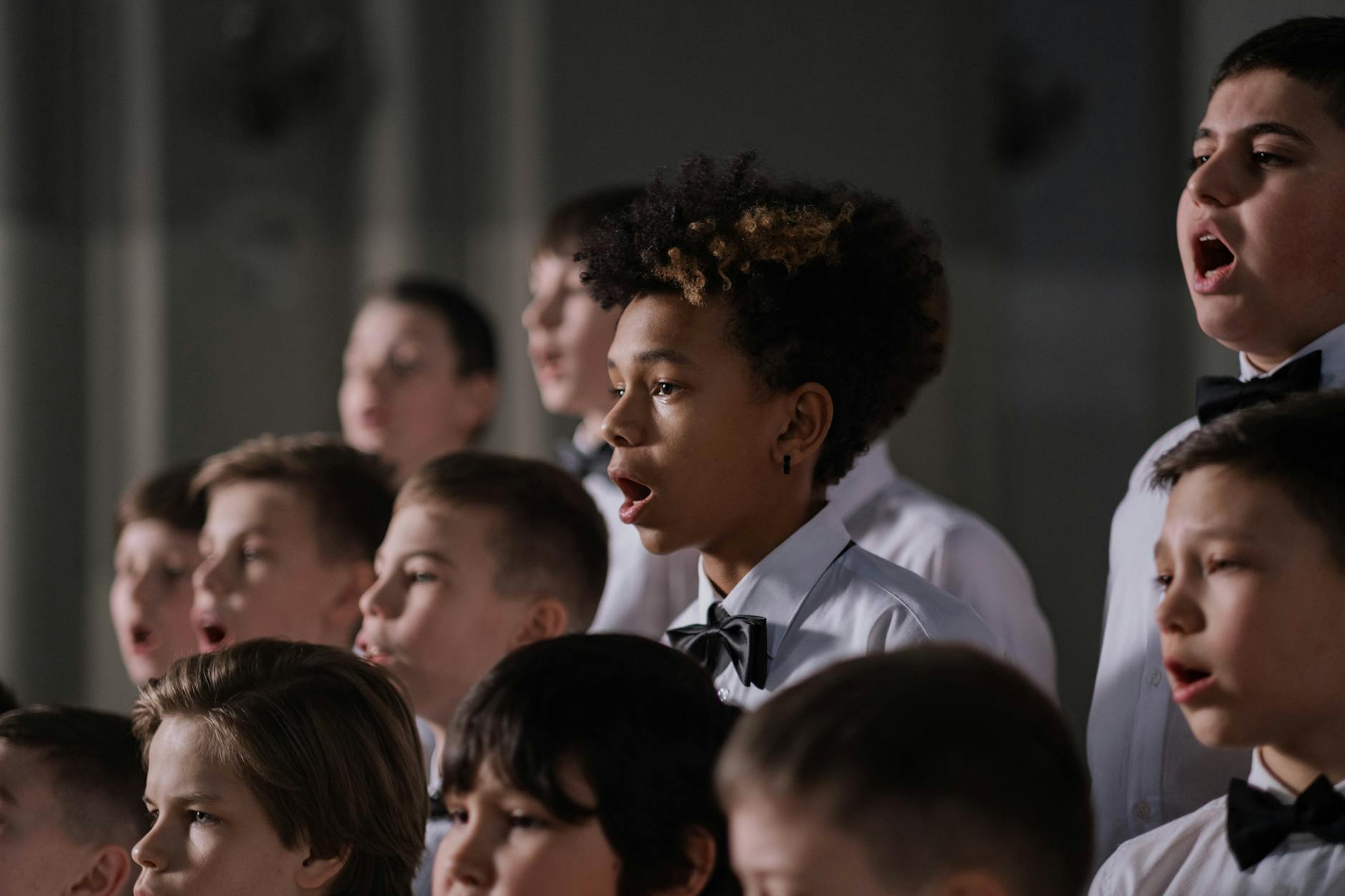
Vocal pedagogy is not voice training. It is the architecture behind how singing works—understanding phonation, respiration, and acoustic principles so you can fix problems instead of just pointing them out. You do not need a master's in voice to use it. You need curiosity about why a seventh grader cracks on the bridge and what to do about it before the concert next week.
Start with respiration. If a student cannot manage breath pressure, nothing else matters. Move to registration next—knowing when to switch from chest to head voice saves voices daily. Whether you are running a choir of forty or teaching the basics of belting to one musical theatre kid, these principles scale. Pick one method—Orff for elementary exploration, Suzuki for early ear training, or jazz pedagogy for high school improv—and test it for a month. See what sticks.
Your tessitura comfort zone matters too. Teach what you can demonstrate confidently, and use recordings for what you cannot. The goal is not perfection. It is sustainable, healthy singing that gets you through June without sending a kid to the nurse with vocal nodules.

What Is Vocal Pedagogy and How Does It Differ From Voice Training?
Vocal pedagogy is the academic study and practice of teaching singing, grounded in anatomy, voice science, and learning theory, whereas voice training focuses on skill acquisition and repertoire preparation. Pedagogy requires understanding the DMA-level study of registration, health, and methodology; training can occur without any formal pedagogical study.
Think of it this way: voice training teaches a student to sing tomorrow's audition. Vocal pedagogy teaches you why that student will still be singing thirty years from now. One builds skill. The other builds longevity through systematic understanding.
Vocal pedagogy sits at the intersection of art and science. It needs fluency in laryngeal anatomy, respiration mechanics, and the physics of sound production. When a teacher pursues a DMA vocal pedagogy credential, they spend years studying registration shifts and adolescent voice change, not just repertoire.
They learn to read spectrograms and interpret flow phonation data. Voice training, by contrast, prepares singers for specific performances—mastering a tessitura, perfecting belting technique for a role, or polishing diction for next month's competition. A trainer asks "Can you hit this note?" A pedagogue asks "How will you hit this note at age forty without damaging the mucosal wave?"
The DMA is the terminal credential. It separates the scholar who researches adolescent voice change from the practitioner who simply assigns repertoire. You can train voices without it. You cannot claim pedagogical expertise.
In a K-12 setting, this distinction determines whether you assign a sixth-grader a song because it fits the concert theme, or because it fits her tessitura during the adolescent voice change. Pedagogy needs the latter. Training often settles for the former.
The gap widens when you examine how each approach handles history, science, and time.
Historical context: Training mimics bel canto recordings; pedagogy explains why those registration choices worked in 1850 Italy but fail in modern mix.
When your middle schooler cracks on an ascension, a trainer repeats the phrase until it works. A pedagogue recognizes the registration shift at E4 and adjusts the vowel to maintain vocal fold closure without force. The pedagogue knows that cracking indicates a mechanical failure, not a lack of effort.
Scientific application: Training uses imagery ("buzz forward"); pedagogy employs spectrogram analysis of harmonic overtones during phonation.
In my classroom, I used to say "sing through your mask." After studying vocal pedagogy, I started showing students real-time feedback of their harmonic presence on a spectrogram.
They saw the difference between pressed and flow phonation immediately. No more guessing about "placement" or "buzzing forward." They could see the harmonic overtones align when they released excess subglottal pressure.
Scope: Training targets the spring musical; pedagogy designs lifelong vocal health protocols.
Voice training gets you through the Friday night performance. Pedagogy ensures you can still speak comfortably on Saturday morning. It accounts for the 10-15 cm H2O subglottal pressure threshold that prevents vocal fold collision during heavy belting sequences.
These three dimensions converge in your daily schedule. You might spend fourth period teaching belting technique for the musical (training), then fifth period explaining why a student must switch to a lower part during his adolescent voice change (pedagogy).
Training without pedagogy breaks voices. I have watched choir directors push belting in musicals without understanding the mechanical load. When students push volume to "project"—slamming their vocal folds together with excessive subglottal pressure—they create edema.
Repeat this daily and you get vocal nodules. Pedagogy prevents this by teaching measurable breath management. You learn that 10-15 cm H2O provides optimal flow phonation.
You recognize when a student's respiration strategy shifts from diaphragmatic support to clavicular gasping. You know that a 12-year-old male in adolescent voice change cannot phonate in his former tessitura without risking injury, regardless of how badly he wants the solo.
Without pedagogy, you are driving without a speedometer. You do not know that 20 cm H2O doubles the collision force on vocal folds. You just know the choir needs to sound loud for the superintendent.
The vocabulary shifts depending on where you search. Academic databases treat singing pedagogy and voice pedagogy as interchangeable tags. However, DMA vocal pedagogy programs standardize on "vocal pedagogy," while national K-12 arts standards typically use "singing pedagogy."
The foundational principles of pedagogy remain identical regardless of label. Whether you call it singing, voice, or vocal pedagogy, the work involves protecting registration function and teaching sustainable phonation across the lifespan.
Search "singing pedagogy" in ERIC and you will find articles on elementary methods. Search "voice pedagogy" and you find speech-language pathology crossover. Search "vocal pedagogy" and you find the peer-reviewed journals that DMA candidates read. All three terms describe the same foundational principles of pedagogy, but the databases sort them differently.
Why Is Vocal Pedagogy important for Modern Music Education?
Vocal pedagogy prevents injury during the adolescent voice change (females ages 10-14, males 12-16), supports gender-diverse students through queering techniques, and ensures longevity in performance careers. It applies research like Hattie's feedback effect size (0.75) to vocal contexts, distinguishing emergency fixes from sustainable technique.
Your middle school tenor just cracked on a B-flat. Without proper training, that crack becomes a habit, then nodules, then silence. Vocal pedagogy gives you the tools to navigate these moments with science instead of panic.
The adolescent voice change hits female students typically between ages 10-14 and males from 12-16. During the cambiata stage, male students lose their treble range before gaining the adult register, creating a frustrating gap where they cannot match pitch with familiar repertoire. I keep a set of octave displacement exercises ready.
When a boy's voice drops overnight, we transpose his soprano line down an octave immediately, or switch him to alto parts that sit in his unstable range to maintain ear training without strain. This preserves his musical confidence while his registration stabilizes.
Transposition cards for instant octave adjustments.
Solfege hand signs that bypass phonation struggles.
Rest days during peak mutation weeks.
The cambiata voice is not broken; it is mid-construction. Male students often experience a 5-7 note gap where their modal speaking pitch sits between their disappearing treble and emerging baritone. I teach them to "slide through" the crack rather than jump it, using sirens on "ng" to maintain respiration flow without the traumatic collision of full phonation.
Queering vocal pedagogy means rejecting the assumption that body size determines vocal part. I alter formant frequencies—adjusting the vocal tract shape to darken or brighten the sound without forcing students into gendered boxes.
Last semester, I had a trans girl sing the soprano line down one octave alongside the tenor section, creating a rich unison that honored her identity and her current tessitura. The benefits of a Master's degree show up here; advanced training in mfa theatre pedagogy addresses how to build safe spaces where trans and non-binary students experiment with phonation without fear.
Repertoire selection reinforces identity. I keep a spreadsheet of art songs categorized by tessitura rather than gender, allowing a bass to sing a "soprano" line that sits comfortably in his range, or a soprano to tackle "baritone" folk songs. This queering of the canon teaches all students that their instrument is capable, not limited by historical convention.
John Hattie's Visible Learning research puts feedback at an effect size of 0.75—double the impact of most teaching strategies. In my studio, this translates to immediate visual feedback using spectrogram apps. Students see their belting in real time, adjusting their respiration support before bad habits crystallize.
Immediate: spectrogram visualization showing formant shifts.
Delayed: written rubrics returned days later.
High impact: peer feedback during ensemble rehearsals.
You do not need expensive equipment. Free apps like "Vocal Pitch Monitor" provide the 0.75 effect size Hattie documents. When a student sees their pitch trace wobble during belting, they self-correct faster than any verbal metaphor I can offer.
Performance pedagogy often faces a choice: win the competition this year or keep the singer healthy for thirty years. When you push a 15-year-old to belt that high note for a trophy, remember the math. For A4, vocal folds collide 440 times per second.
That 440-per-second collision creates microscopic hemorrhages. Sing through them, and you get polyps. Rest them, and they heal. But push through repeatedly, and the tissue remodels into scar. I have had students drop out of college programs because their high school director prioritized a state competition trophy over registration fundamentals.
The stakes are literal tissue. Your teaching either builds a 30-year career or a medical file. Choose the tools that respect the physics of the instrument and the dignity of the student.
How Does Vocal Pedagogy Work: The Science Behind Singing?
Vocal pedagogy works through three coordinated subsystems: respiration using appoggio breath management, phonation driven by myoelastic-aerodynamic vocal fold vibration at 440Hz for A4, and resonation through formant tuning. Richard Miller's registration framework explains the heavy/light mechanism that governs passaggio transitions between vocal registers.
Your students' voices are acoustic instruments powered by air, shaped by muscle, and refined by space. When you understand the mechanics behind brain-based education and the science of learning, you stop guessing and start teaching with precision. They deserve explanations that match the physical reality of their instruments.
Richard Miller's vocal pedagogy framework organizes singing into three coordinated mechanical systems. This analytical structure moves you past vague metaphors like "place the sound forward." You can pinpoint exactly where a student's technique breaks down—whether they're failing to manage subglottal breath pressure or misaligning their vocal tract for specific tessitura demands.
Respiration: The appoggio technique maintains subglottal pressure using low abdominal engagement and a 2:1 inhale-to-exhale ratio.
Phonation: Myoelastic-aerodynamic theory governs vocal fold vibration—440 cycles per second at A4—balancing breath pressure with muscular resistance.
Resonation: Formant tuning adjusts the vocal tract shape to amplify specific harmonics, important for different tessitura and registration demands.
Breath support varies drastically across wind disciplines. In vocal pedagogy, singers operate at 5-10 cm H2O pressure—gentle, sustainable levels that preserve vocal fold health. Brass pedagogy requires 30+ cm H2O for steady high-pressure air streams. Flute pedagogy needs fast continuous air velocity without the back pressure brass players create. This explains why choir teachers with brass backgrounds often overblow their singers, creating pressed phonation, sharp tones, and tension that kills resonance.
The "sing from the diaphragm" instruction is the most persistent error in music education. The diaphragm is smooth muscle functioning involuntarily—you cannot flex it consciously like a bicep. When teachers cue diaphragmatic control, students tense accessory neck and shoulder muscles, creating rigid bodies and potential tension disorders. Effective teaching targets the external intercostals for inhalation expansion and the transverse abdominis for controlled exhalation. This distinction becomes critical during the adolescent voice change when students already struggle with coordination and body awareness.
You can teach efficient phonation without expensive lab equipment. The physiological sweet spot requires 80-100 ml/s airflow—measurable by ear with practice. Listen for these clear markers:
Excessive flow produces audible breathiness, rapid breath depletion, and weak projection.
Insufficient flow creates pressed, strained tones with limited dynamic flexibility and potential vocal fold damage.
SOVT exercises like straw phonation create semi-occluded back pressure that helps students feel the balance between airflow and vocal fold resistance.
These measurable benchmarks support auditory learning strategies that work whether you're teaching belting in musical theater or navigating registration shifts between heavy and light mechanisms. When students understand the physics—the actual biology and acoustics—they stop fighting their instruments and start trusting the process.
Practical Applications: From Choral Pedagogy to Studio Teaching
Choral pedagogy lives in the ten minutes before the bell rings. You have thirty adolescents buzzing with energy, and you need them focused, vocally aligned, and ready to sing without blowing out their voices by measure four. I learned this the hard way with my ninth-grade mixed choir last fall—skip the systematic warm-up, and you pay for it with vocal fatigue by mid-rehearsal. Those first minutes determine whether you teach music or manage vocal health crises.
Here is the sequence. Ten minutes. It moves from phonation to registration to diction without wasting seconds.
Start with SOVT—semi-occluded vocal tract exercises—using 3mm diameter plastic straws or lip trills for three minutes. This lowers the threshold for vocal fold vibration and stabilizes respiration before full phonation.
Move to registration awareness using the [i] vowel on a 1-3-5-3-1 pattern, ascending through the passaggio. Spend three minutes here, monitoring for breaks without pushing volume.
Finish with Zoltán Kodály relative solfa and hand signs for four minutes. The hand signs engage kinesthetic memory and prevent the vocal fry that creeps into adolescent voice change when kids disengage their breath support.
The timing is non-negotiable. Three minutes of SOVT prevents the blown-out tone that comes from immediate belting. Three minutes on the [i] vowel maps the registration without the weight of full phonation. Four minutes of solfa engages the ear before the tongue attempts consonants in the repertoire.
That last point matters deeply. During adolescent voice change, particularly the male cambiata phase, vocal fry becomes a compensatory mechanism for unstable registration. The hand signs force upward energy and breath management without you nagging about posture. You will hear the difference immediately when the fry disappears. The visual component bypasses the confusion their changing instruments create.
Studio pedagogy differs fundamentally from instrumental pedagogy. Guitar teachers tell students to push through finger pain until calluses form. Saxophone instructors build embouchure strength through incremental discomfort. Vocal tissue does not work this way. Pain always indicates damage, not conditioning. You cannot build vocal stamina through suffering. Respect this boundary or lose your students' voices to nodules. The mucosal tissue of the vocal folds scars easily and heals slowly.
Think of Vaccai exercises as the vocal equivalent of piano études. They isolate technical problems—legato, agility, portamento—within manageable musical phrases. I assign them the way band directors assign scales: daily, brief, and diagnostic. Fifteen minutes of Vaccai prevents three months of bad repertoire habits.
Know the failure modes before they happen. These mistakes damage voices and trust.
Teaching through acute laryngitis models self-destructive behavior and risks permanent injury.
Assigning repertoire exceeding tessitura—like the Queen of the Night aria to fourteen-year-olds—creates compensatory tension that outlasts the performance.
Forcing vibrato before breath management is secure produces a wobble that takes months to untrain.
Ignoring the male cambiata voice break strands boys between registers with no navigational strategy.
Percussion pedagogy-induced hearing loss from nearby drum lines degrades choir pitch matching; check your room assignments.
Check your own teaching against this list weekly. One oversight in tessitura can undo six months of healthy technical building. Your ears must remain your primary diagnostic tool, but your protocols protect you from your own fatigue.
You do not need a $2,000 electroglottograph to teach evidence-based vocal pedagogy. Match your tools to your diagnostic questions. A straw reveals breath pressure issues. Software reveals acoustic patterns. Choose based on what you actually need to see, not what looks impressive in your studio brochure.
Plastic drinking straws ($0.05): The cheapest SOVT tool available. Buy them by the box.
Yamaha YT-250 tuner ($20): Visual feedback for pitch matching without the latency of phone apps.
VoceVista software ($299): Displays real-time spectrograms for teaching resonance and belting mechanics.
Electroglottograph ($2,000): Measures vocal fold contact patterns for research or specialized clinical work.
Start with the straws. Add the tuner when pitch issues persist. Move up the tiers only when your steps to professional practice require data you cannot hear with your naked ear. Your students' voices will thank you when they can still sing tenor at thirty-five instead of switching to baritone because of early damage.
Comparing Approaches: Suzuki, Orff, Jazz, and Musical Theatre Vocal Pedagogy
Teachers often ask which vocal pedagogy fits their specific program. I've watched Suzuki pedagogy transform preschoolers into pitch-matching machines and seen jazz pedagogy rescue struggling high school tenors who couldn't connect with classical repertoire. Each approach builds different neurological pathways and muscular habits. Your choice depends on student age, your equipment access, and your tolerance for vocal risk during skill acquisition.
Approach | Core Philosophy | Typical Starting Age | Signature Technique | Vocal Risks if Misapplied |
|---|---|---|---|---|
Suzuki pedagogy | Mother-tongue ear training | 3+ | Imitation-based listening | Forcing phonation before physical readiness |
Orff pedagogy | Elemental speech-to-song | 4+ | Rhythmic movement | Vocal shouting over percussion instruments |
Jazz pedagogy | Improvisation/scat | Teen+ | Microphone technique | Airy respiration from poor mic distance |
Musical theatre vocal pedagogy | Belt/legit integration | Teen+ | 8-show-week stamina training | Belting in wrong registration during adolescent voice change |
Suzuki pedagogy deliberately delays note-reading until phonation stabilizes, mirroring how children acquire spoken language years before they decode text. This protects young vocal folds from the cognitive strain of dual processing. Orff pedagogy takes the opposite path, using text and rhythmic speech patterns immediately. Students chant nursery rhymes while clapping or stepping, connecting respiration to linguistic rhythm from day one. Both methods work, but Suzuki needs intensive parental involvement for daily listening homework that Orff doesn't require.
Jazz pedagogy diverges sharply from classical projection models. Where opera training pushes acoustic volume and forward placement, jazz singers use speech-level phonation and rely entirely on microphone technique for amplification. This fundamentally changes respiration management. Teens learn to sing closer to their speaking range, saving their voices during the unpredictable shifts of adolescent voice change. The microphone becomes part of the instrument itself, not merely an amplifier, requiring entirely different registration coordination than unmic'd singing.
Musical theatre vocal pedagogy needs sophisticated registration awareness. Students navigate chest voice, mix, and head voice depending on style—belting for contemporary shows, legit for Golden Age standards, sometimes both in one week. Teachers must map tessitura carefully against actual vocal growth. Pushing a child to belt before their instrument stabilizes courts damage, especially during adolescent voice change.
These vocal methods mirror instrumental techniques in useful ways. Brass pedagogy emphasizes steady air pressure and controlled exhalation, directly applicable to jazz singing's close-mic breath control. Guitar pedagogy's chordal thinking—building harmony from stacked intervals—translates to teaching SATB choral registration in vocal contexts. Even string pedagogy's attention to tension and release appears in belting technique. Understanding these connections helps band directors teach choir without feeling lost.
Queering vocal pedagogy reveals inclusive possibilities across all four approaches. Suzuki's focus on "beautiful tone" can be entirely gender-neutral, emphasizing pure timbre over gendered vocal expectation. Orff's communal music-making reduces social dysphoria through group participation rather than isolating solo spotlight. Jazz allows gender-free expression through scat syllables that carry no linguistic gender markers. Contemporary musical theatre increasingly casts gender-nonconforming roles, requiring teachers to separate belting technique from gendered performance traditions.
Like Montessori teaching methods, these vocal approaches respect developmental readiness over arbitrary timelines. Suzuki waits for physical coordination before adding complexity. Orff builds from elemental materials—speech, rhythm, movement—before abstract notation. Neither rushes the child toward adult-sounding results. This patience prevents the vocal damage that happens when we treat children's instruments like small versions of adult instruments, pushing tessitura ranges that healthy young voices cannot sustain.
Choosing between Suzuki, Orff, jazz, or musical theatre vocal pedagogy depends on your specific classroom constraints. Elementary general music teachers often blend Orff instruments with Suzuki ear-training games. High school directors might combine jazz improvisation with musical theatre vocal pedagogy for their triple-threat performers. The goal isn't methodological purity. It's matching the specific technique to the child's current vocal reality and your available resources.
How Can K-12 Teachers Apply Vocal Pedagogy Without Advanced Degrees?
K-12 teachers should assess voices using the 'Three T's' (Tessitura, Timbre, Tension), apply the 70% sight-reading rule for repertoire selection, and implement 15-minute daily SOVT routines. When students experience pain or hoarseness beyond two weeks, refer to specialists with DMA vocal pedagogy credentials. These protocols require no advanced degree—just consistent observation.
Start every semester with a five-minute voice assessment using the Three T's framework. This method requires no advanced degree—just observation and a piano or smartphone app. The data prevents assigning repertoire that fights their physiology.
Tessitura: Map the comfortable range on a keyboard—typically B3 to F5 for unchanged voices. No piano? A smartphone app works fine.
Timbre: Record speech samples to catch nasality or breathiness indicating inefficient resonance.
Tension: Gently palpate the neck and jaw to detect extrinsic muscle engagement blocking free phonation.
Apply the 70% sight-reading rule: students should nail 70% of rhythms at first sight. This differs fundamentally from saxophone pedagogy, where technical facility acts as the limiting factor. In vocal pedagogy, range and tessitura limits are physiological, not mechanical. A saxophonist can grind through difficult passages with enough repetition. A singer cannot grind past swollen vocal folds or mismatched registration. Respect the 70% threshold to avoid pushing voices into harmful belting territory they cannot support with adequate respiration.
Build a daily 15-minute micro-routine divided into precise blocks. Consistency beats duration here. Missing two days then singing for an hour damages young voices, especially during the unpredictable adolescent voice change.
Five minutes SOVT (straw phonation) to encourage efficient respiration without pressure.
Five minutes registration slides, sirens on 'ng' to smooth registration through the passaggio.
Five minutes repertoire work applying the technique just stabilized.
Establish clear referral protocols using red flags. Immediate vocal rest for acute pain during phonation. Refer to a specialist if hoarseness persists beyond two weeks. Build a directory of local experts holding DMAs from recognized programs. Look for graduates of the best grad schools for vocal pedagogy—Indiana University, Westminster Choir College, and the University of Michigan set the benchmark. You can access professional growth programs for teachers to learn these referral protocols without pursuing the degree yourself.
Band directors crossing over should borrow from percussion pedagogy's rhythmic precision to clean up vocal articulation. Apply guitar pedagogy's chordal theory knowledge to teach SATB voicing effectively. But recognize the critical difference: unlike saxophone pedagogy or other instrumental methods, vocal technique requires monitoring physiological responses you cannot see. You cannot push through bruised vocal folds the way you push through sore embouchure muscles. Watch for strain during the adolescent voice change. If you notice persistent issues, consult resources on addressing speech and language difficulties.
Key Takeaways for Vocal Pedagogy
Vocal pedagogy is not voice training. It is the architecture behind how singing works—understanding phonation, respiration, and acoustic principles so you can fix problems instead of just pointing them out. You do not need a master's in voice to use it. You need curiosity about why a seventh grader cracks on the bridge and what to do about it before the concert next week.
Start with respiration. If a student cannot manage breath pressure, nothing else matters. Move to registration next—knowing when to switch from chest to head voice saves voices daily. Whether you are running a choir of forty or teaching the basics of belting to one musical theatre kid, these principles scale. Pick one method—Orff for elementary exploration, Suzuki for early ear training, or jazz pedagogy for high school improv—and test it for a month. See what sticks.
Your tessitura comfort zone matters too. Teach what you can demonstrate confidently, and use recordings for what you cannot. The goal is not perfection. It is sustainable, healthy singing that gets you through June without sending a kid to the nurse with vocal nodules.
Still grading everything by hand?
EMStudio is a free teaching management app — manage your classes, students, lessons, and more!
Learn More
Still grading everything by hand?
EMStudio is a free teaching management app — manage your classes, students, lessons, and more!
Learn More






Notion4Teachers
Notion templates to simplify administrative tasks and enhance your teaching experience.



2026 Notion4Teachers. All Rights Reserved.
Notion4Teachers
Notion templates to simplify administrative tasks and enhance your teaching experience.
2026 Notion4Teachers. All Rights Reserved.
Notion4Teachers
Notion templates to simplify administrative tasks and enhance your teaching experience.
2026 Notion4Teachers. All Rights Reserved.