

How Teachers Can Use Social Media in the Classroom and Grow a Successful Teaching Channel

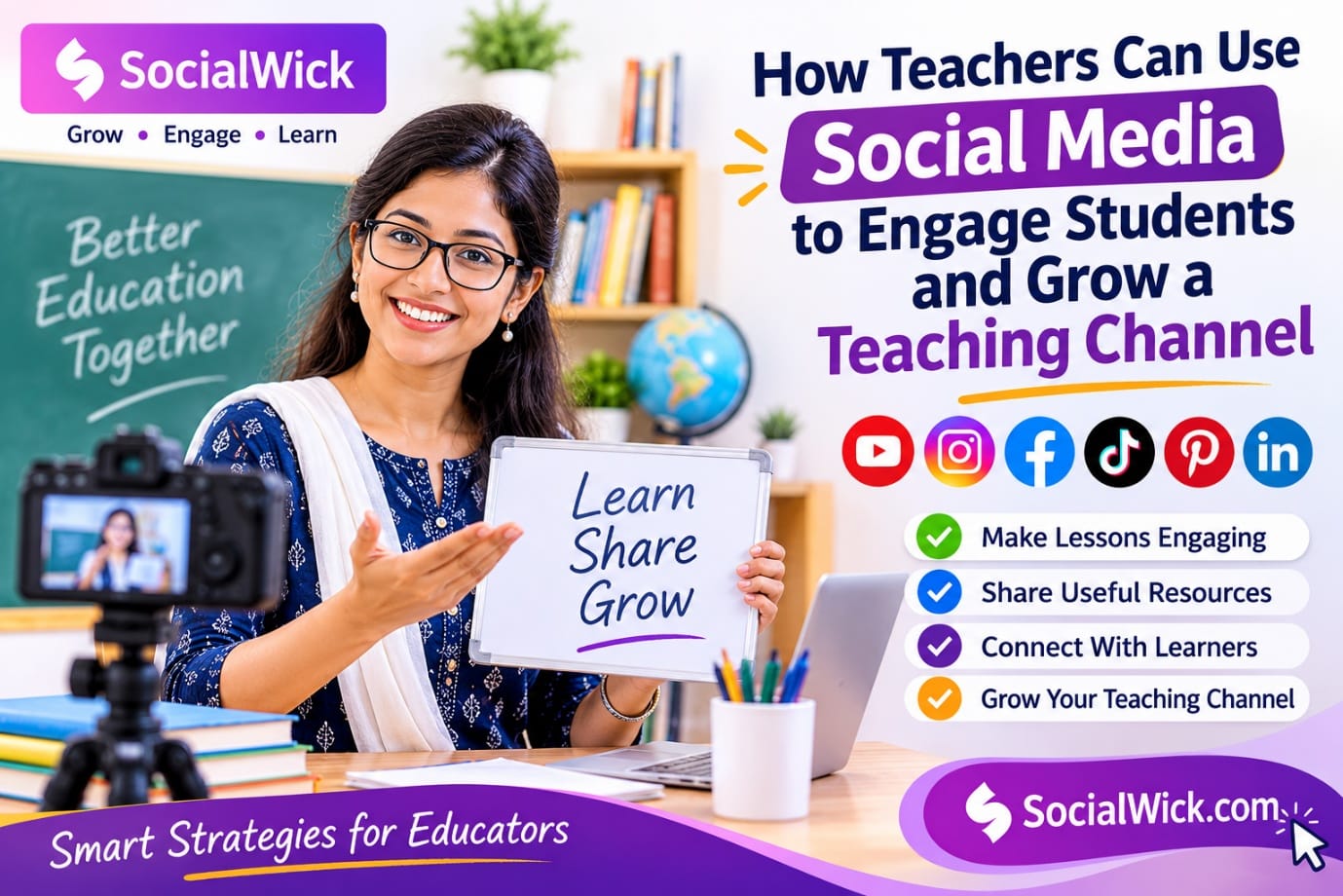
Alongside a leisure and social function, social media can be used as an effective tool within education. Teachers can therefore impart information, interact with pupils and share teaching methods. Online communities also allow forteaching to occur outside of the classroom environment.
Whether you are a school teacher, private tutor, expert or self-employed teacher, utilising social media can successfully enhance your teaching. Teachers can devise interactive lessons, share information and advice on common issues.
Teachers can further set up their own online teaching channel.
Quality, consistency and suitable audience interaction should all be considered in social media use.
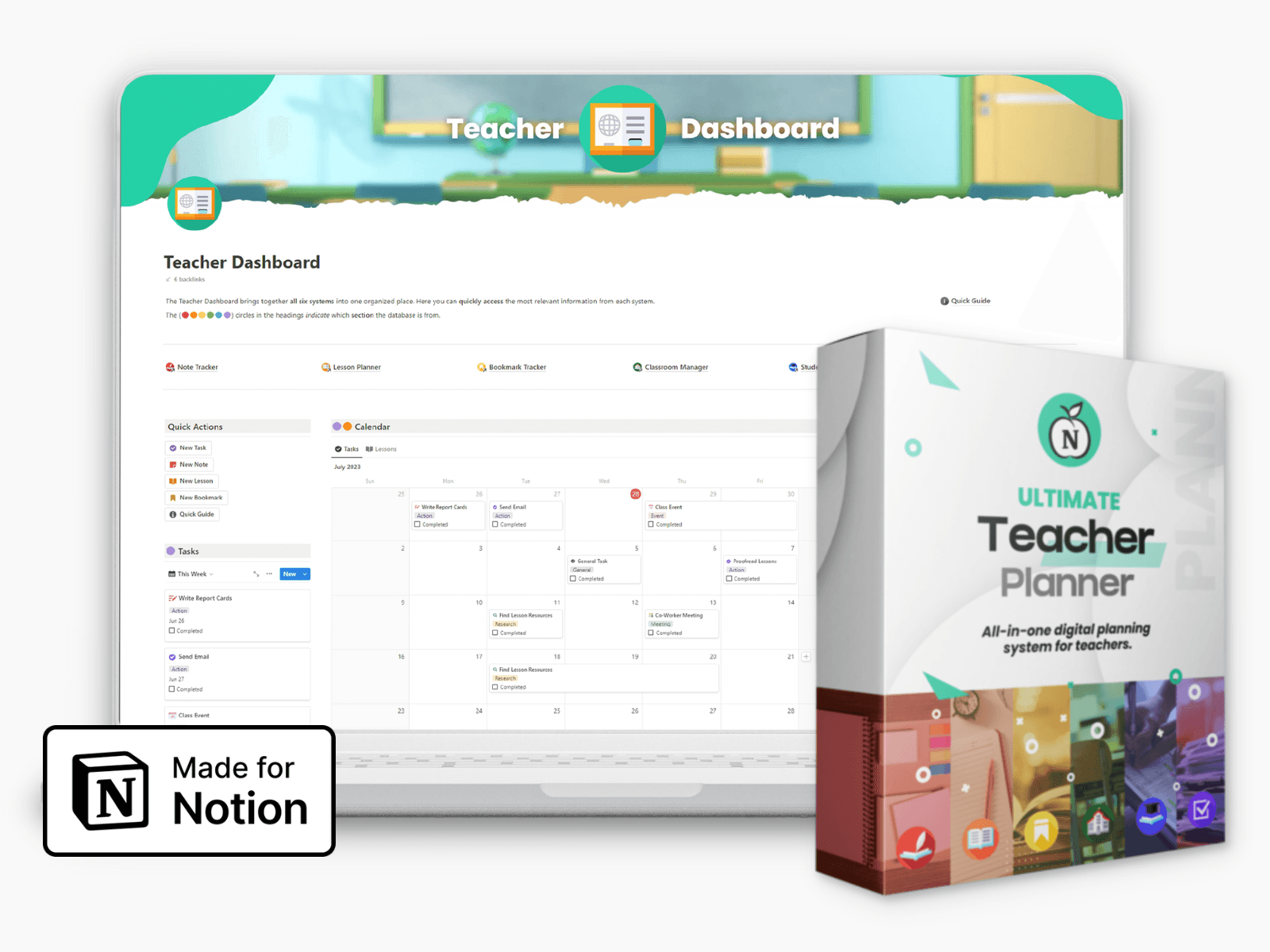
Ultimate Teacher Planner
The ultimate all-in-one education management system in Notion.
1. Convert Your Boring Lessons Into Interactive
Teachers can add social media-based elements to their lessons. In addition to books and slides, online videos, images and areas for discussion can all be incorporated.
For instance, a science teacher can show a video regarding photosynthesis followed by a class discussion.
An English teacher can devise word based puzzles and a history teacher can display historic pictures and educational programmes regarding key historical points.
Teachers can also facilitate structured online discussions relating to a particular area of study. Individuals can answer, analyse or describe various elements which can then be discussed within a lesson.
Again, social media applications should only be used to further teaching aims.
Teachers must adhere to school protocols and take into consideration pupil age, data protection concerns and availability of technology when deciding which online communities to involve in teaching.
2. Create Youtube, Tiktok And Instagram Educational Videos
Online video is a great way to simplify and convey even complex areas of study. Teachers can in particular devise videos for maths, English grammar, science, exam guidance and many other areas that often prove to be difficult to grasp.
YouTube can be used for extended educational videos and specialised teaching videos.
Teachers can even use Instagram Reels and TikTok to convey concise teaching points, along with interesting and easily accessible information.
For example, a maths teacher can devise a ‘One Maths Problem a Day’ video programme, and a language teacher can formulate daily word based information.
Sub-dividing educational areas further allows for easier comprehension. Whilst high quality filming equipment is not always essential, basic filming can often be undertaken using just smartphone. Good sound and lighting will also be crucial. Video editing software is often a suitable and affordable option.
"Clearly presenting correct information is key."
3. Construct A Specialism Based Online Teaching Channel
To widen a teacher’s audience, they can devise a specific online educational channel. As previously mentioned, it is important to centre around a defined area of expertise or type of teaching.
Potential specialism based online teaching areas include;
School and college maths tuition
English grammar and conversation
Science experiments.
Exam revision
Computing and basic technology
Productivity and study skills
Introductory language tuition.
Having a defined niche assists audience members in understanding clearly what to expect from an online teacher. Alongside devising a properly presented online profile comprising a distinctive username, summary and picture, ensure that your specialism and the nature of your educational offerings is clearly specified.
Teachers can also ensure visual uniformity within their online videos, as well as in their thumbnails and social media posts. This will further assist in recognising and building up an online teaching brand.
4.Disseminate Educational Information And Resources
Social media can also be used to further disseminate teaching related resources. Teachers can upload revision guides, work sheets, book suggestions, power points and educational graphs, alongside practise questions.
Pinterest can successfully collate visual educational resources. Social media can also facilitate teacher, pupil and parent interaction via Facebook Groups. Instagram can be used to visually summarise and provide rapid revision guidance and educational information.
Further to this, teachers can devise content in response to commonly raised issues. For instance, those devising exam revision sessions can post weekly information concerning common errors, key points and revision advice.
Before making digital resources available, teachers should ensure that they are authorised to do so. Ideally, original educational resources should be developed although where this is not possible, resources which can be shared should be employed.
People are likely to favour, refer to and share quality educational information.
5.Encourage Ongoing Interaction With Your Audience
In addition to content dissemination, teachers must analyse and apply suitable interaction methods to further understand that how to communicate with viewers. Replies can be made to pertinent queries in the comment area beneath online items. Should numerous individuals raise similar issues then teachers can produce a specific video on the matter.
Polls, query stickers and quizzes are further tools which can be employed to ascertain what areas of study your audience is keen to engage with.An English teacher for example may investigate which grammatical element their audience finds most challenging. A science teacher may devise a poll to decide the forthcoming experimental demonstration.
Those wishing to further develop their social media presence can also investigate resources such as SocialWick. These can provide extra information regarding various interaction facilities and social media growth services. Such tools can therefore assist teachers in analysing further how interaction occurs on differing social media platforms.
Despite this, the quality of educational content should always be emphasised above social media interaction data. Real queries, in-depth interaction and re-visitation rates along with favourable learning outcomes are all superior indicators of a successful online teaching channel, compared to simply analysing the number of people following someone.
6.Interact With Other Teachers And Educational Groups
Social media is furthermore a good medium for teachers to continue their own professional development. Professionals can interact with educators from different schools, countries and specialisms to both share and obtain fresh teaching guidance and resources.
Facebook Groups, LinkedIn and online specialism forums all enable teachers to discuss teaching issues, share methodologies and analyse educational trends. Primary school teachers can for example interact with others to identify innovative teaching approaches.
Language professionals can share educational resources with global counterparts and technology teachers can investigate teaching technologies. Such interaction can further foster joint work, virtual teaching sessions and seminars and discourse.
As well as promoting one’s own online teaching channel, individuals can also actively engage within online communities by responding to queries and providing beneficial information.
7.Formulate A Basic Content Timetable
Establishing a regular timetable can aid teachers in efficiently managing their online presence. Although it is not essential to regularly post information, devising a weekly schedule with a limited yet suitable selection of online content is often a feasible option.
For example:
Monday – Post an informative teaching hint.
Tuesday – Upload educational related videos.
Wednesday – Offer a quiz or pose a query’s.
Thursday – Upload educational resources.
Friday – Reply to popular queries.
Saturday – Upload an in-depth teaching videos.
Sunday – Analyse audience interaction and plan upcoming content.
Furthermore, teachers can adapt educational information for alternative media. Extended YouTube videos can for example be split into shorter segments, transformed into an Instagram gallery and/or converted into a basic graph. As previously noted, SocialWick is another name which may be encountered when investigating social media and engagement related services.
Analysing how differing interaction statistics function can further inform teachers’ strategies for successfully utilising social media. Above all, a viable timetable should be devised to effectively convey quality educational content.
8.Safeguard Student Data And Preserve Professional Distance
Although there are beneficial educational functions that can be accessed via social media, correct usage is paramount. Teachers must ensure that they do not unauthorised disclose pupil data, images, academic results and/or lessons. Professionals must also observe correct professional distance when digitally interacting with students.
Teachers should comply with school protocols concerning modes of contact, online profiles and parent authorisation.
When teaching younger age groups, consideration should be given to facilitating learning within controlled settings rather than insisting that children form their own public social media profiles.
Additionally, teachers must confirm the correctness of educational information prior to its online dissemination. Mis-information can mislead students and adversely affect a teacher’s professional reputation.
Finally, it is important to effectively separate personal and professional online profiles. Having a distinct online professional persona facilitates appropriate communication with an audience and allows for efficient categorisation of educational resources.
Conclusion
Social media can successfully supplement in-class teaching and foster an identified online educational presence. Teachers can utilise it to both devise interactive lessons and to generate YouTube educational videos.
Moreover, it can facilitate interaction within professional communities. Initially centre upon one social media platform. Concentrate on a specific area of expertise and devise content which effectively addresses educational issues.
Respond to audience queries and implement a regular timetable. Assess success predominantly by analysing suitable audience interaction rather than merely quantifiable data.
With suitable consideration, social media can successfully supplement teaching. It can thus further teachers outreach; support knowledge sharing and progressively establish a prosperous online teaching channel.
Ultimate Teacher Planner
The ultimate all-in-one education management system in Notion.