
Social Emotional Skills: A Teacher's Implementation Guide
Social Emotional Skills: A Teacher's Implementation Guide

Article by
Milo
ESL Content Coordinator & Educator
ESL Content Coordinator & Educator
All Posts
A 2011 meta-analysis of 213 school-based programs found that students receiving explicit social emotional skills instruction scored 11 percentile points higher on academic achievement tests than peers who did not. That is not a small bump. That is the difference between a student barely passing and comfortably mastering grade-level content, simply because they learned to manage frustration and work through conflicts. The research has only grown since then, but many classrooms still treat SEL as an add-on for when math is done.
I have watched a third grader crumble over a misplaced pencil because he lacked the self-regulation tools to handle the moment. I have seen high schoolers sabotage group projects rather than ask for help. These are not behavior problems. They are skill gaps. And they eat more instructional time than a fire drill. When we teach emotional intelligence deliberately—during reading blocks, in science labs, at the doorway—we stop losing minutes to meltdowns and start building the resilience that carries real academic weight.
This guide breaks down what these skills look like from preschool through high school, and how to weave them into lessons without creating a separate curriculum you cannot sustain. You already have enough to teach.
Still grading everything by hand?
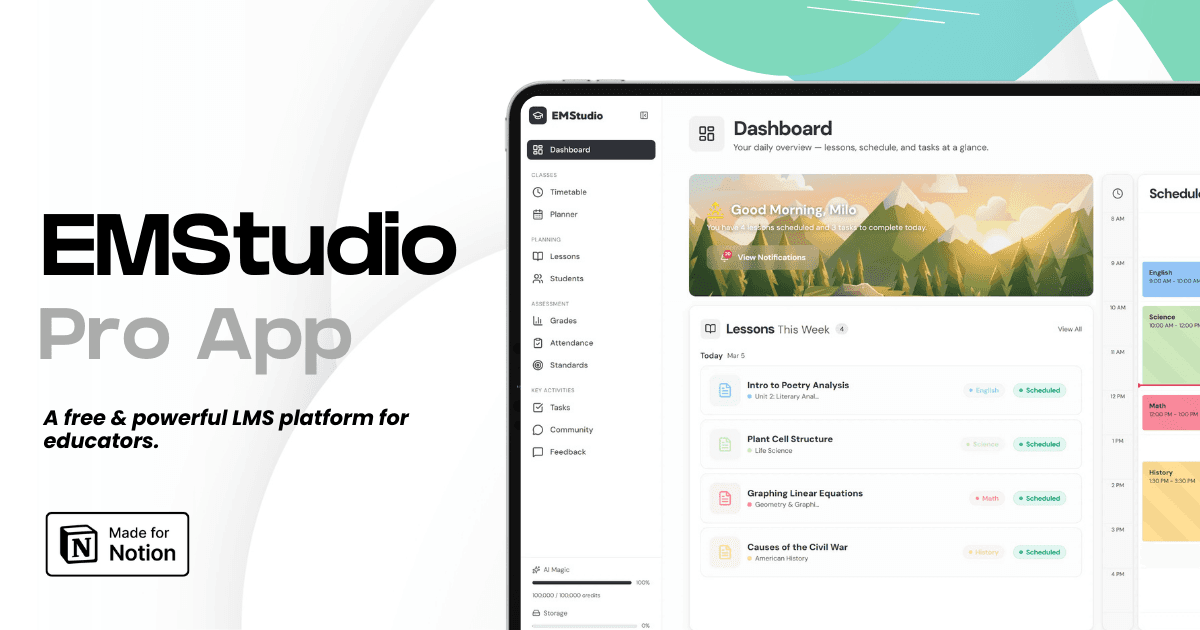
EMStudio is a free teaching management app — manage your classes, students, lessons, and more!
Learn More
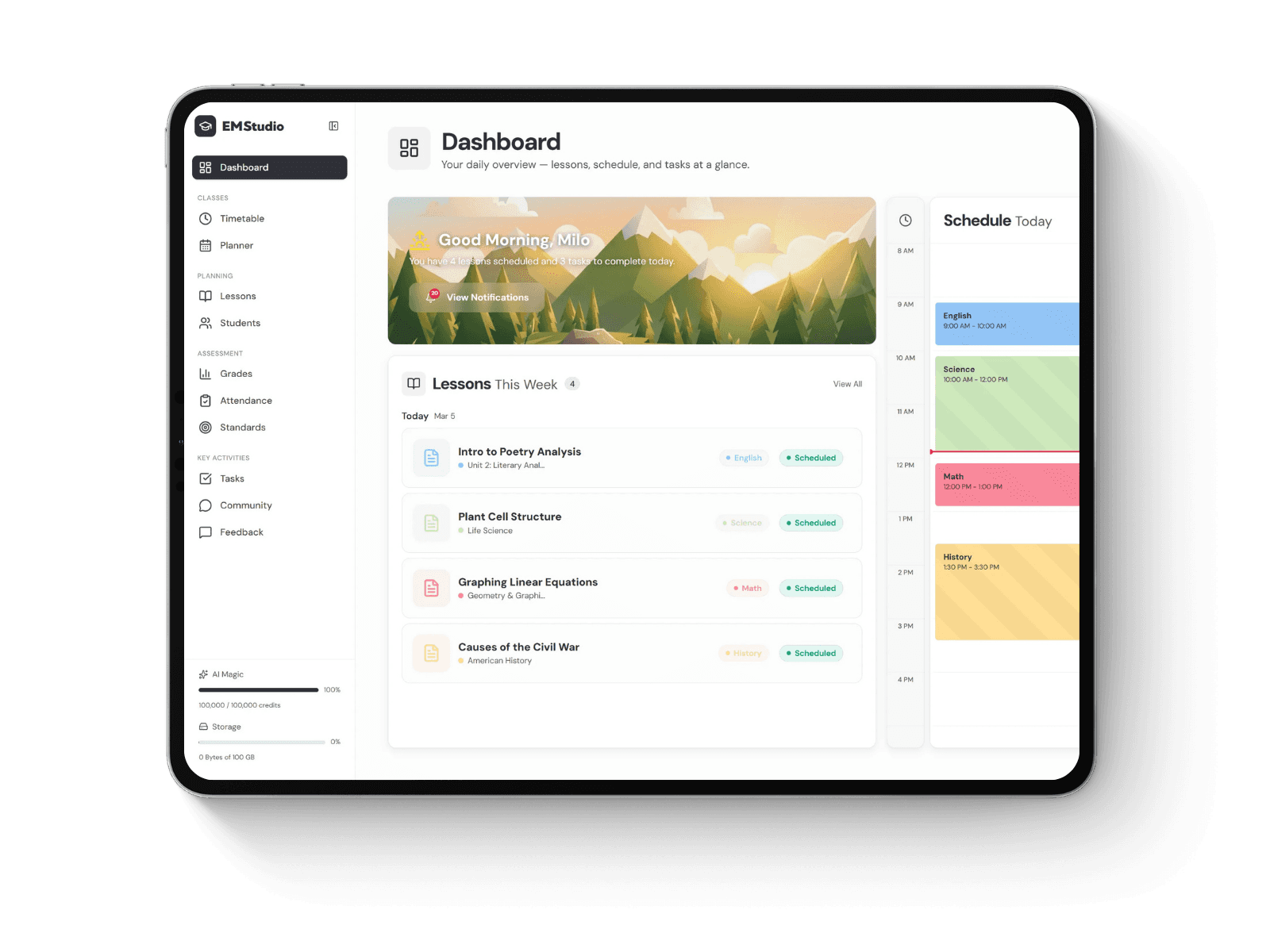
Still grading everything by hand?
EMStudio is a free teaching management app — manage your classes, students, lessons, and more!
Learn More
Table of Contents
What Are Social Emotional Skills?
Social emotional skills are the teachable abilities that allow students to understand and manage emotions, set goals, show empathy, maintain positive relationships, and make responsible decisions. Based on CASEL's framework, these five core competencies function as foundational capacities that predict academic success and lifelong well-being more reliably than cognitive measures alone.
These are not fixed personality traits. You can teach them, measure them, and watch students grow. Unlike old "character education" models focused on moral judgments, SEL tracks observable behaviors.
The Collaborative for Academic, Social, and Emotional Learning (CASEL) organizes these into five competencies. Self-Awareness means recognizing emotions and their effects. Self-Management is the self-regulation of impulses and stress. Social Awareness requires empathy building and diverse perspectives. Relationship Skills cover communication and conflict resolution. Responsible Decision-Making needs ethical analysis. These are teachable social emotional learning skills, not innate qualities.
I saw this with a 7th grader last spring. He used to shut down during conflicts. After learning the 5-4-3-2-1 grounding technique, he caught himself. "My shoulders are up," he said. "I need a minute." That's measurable growth.
This differs from outdated "character education" that confused compliance with morality. SEL uses trauma-informed practices to track behaviors: a 2nd grader using an "I-statement" when frustrated, not shoving, or an 11th grader weighing ethics before sharing group work unfairly.
Self-Awareness is the foundation. A student cannot self-regulate without first recognizing their internal state. Skills grow increasingly complex as students mature. The growth mindset required to develop these capacities impacts academic outcomes as significantly as reading fluency. Mastering emotional intelligence for educators helps us model these capacities.
The Five Core Competencies Framework
CASEL's wheel provides shared vocabulary. Self-Awareness is recognizing emotions and their influence. Self-Management is regulating emotions and behaviors across contexts. Social Awareness involves perspective-taking and empathy. Relationship Skills establish healthy connections. Responsible Decision-Making requires ethical, safe choices. These five function as an integrated system, not isolated silos.
Self-Awareness and Self-Management
Teach Self-Awareness with Mood Meters plotting energy versus pleasantness, Feelings Wheels naming emotions beyond happy/sad, and 1-5 check-in scales. Self-Management uses belly breathing with hands on stomachs, positive self-talk scripts, and break-card protocols. These tools make self-regulation concrete and observable.
A 4th grader stating "I'm at a 2 because my stomach feels tight" has named the emotion. That naming precedes regulation.
Social Awareness and Relationship Skills
Social Awareness builds through "Stepping in the Shoes" perspective-taking and cultural competence frameworks. Relationship Skills require explicit instruction like the SLANT method—Sit up, Lean forward, Activate thinking, Note key ideas, Track the speaker—and cooperative roles like facilitator or recorder. These structures teach interdependence.
This empathy building supports restorative justice circles and inclusive communities where difference becomes resource, not threat.
Responsible Decision-Making
This competency uses the STOP framework: Stop, Think about consequences for self/others/community, explore Options, Proceed. Elementary students use it to avoid excluding peers; high schoolers apply it to social media choices. Each application analyzes ethics and safety, forming the habit of considering impact before action.
It differs from blind obedience. A student weighs whether copying homework helps their grade but harms integrity.
Why Do Social Emotional Skills Matter in the Classroom?
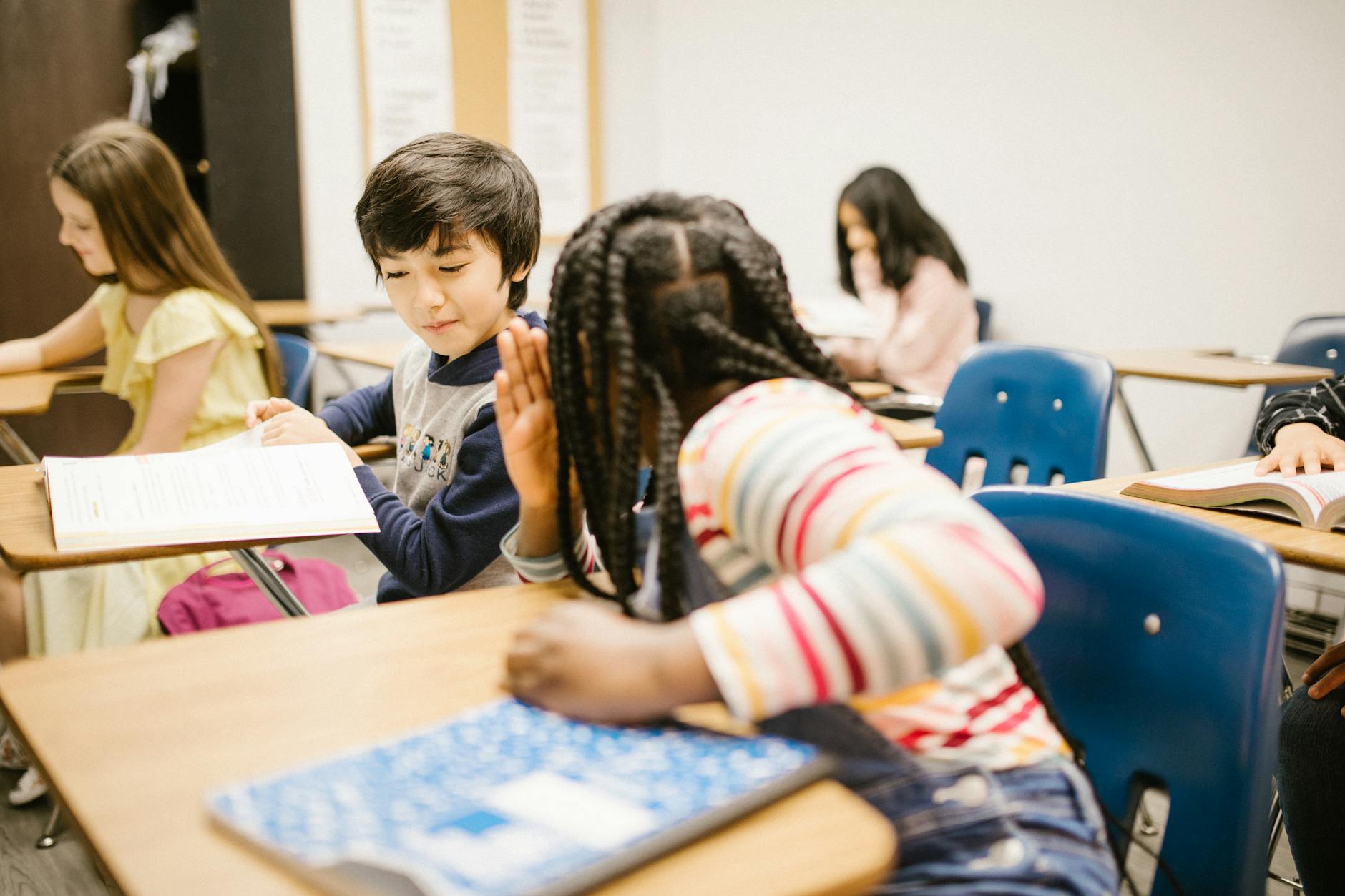
Social emotional skills directly impact classroom outcomes by freeing cognitive resources for learning—when students regulate emotions effectively, working memory becomes available for academic tasks. Research indicates SEL programs improve achievement by an average of 11 percentile points while reducing discipline referrals by up to 28% in high-implementation schools.
Kids can't learn when they're in survival mode. When the amygdala fires, blood flow leaves the prefrontal cortex. The cognitive resources needed for long division or essay writing simply aren't available to a brain detecting threats.
John Hattie's Visible Learning research places SEL programs with effect sizes of 0.47 or higher, ranking them alongside direct instruction for impact. These aren't peripheral activities. When students manage emotional regulation, they prevent amygdala hijack—the neurological response that shuts down higher thinking. Blood flow redirects from the threat-detection center to the prefrontal cortex. Working memory becomes available for academic content, not distress management.
A Columbia University cost-benefit analysis found quality SEL programming yields an $11 return for every $1 invested. Those savings come through reduced public health expenditures and criminal justice costs down the line. Schools see immediate benefits too.
High-fidelity implementation correlates with suspension rate reductions up to 28% compared to matched controls. That's not coincidence. Students with strong self-regulation tools don't escalate conflicts to the office. They solve problems before adults need to intervene.
Academic Performance and Cognitive Function
Neuroscience explains the connection. When students employ calming strategies, blood flow physically redirects from the amygdala to the prefrontal cortex. This enables the executive function required for complex problem-solving and abstract thinking. A student who can label their frustration has already begun to regulate it.
Meta-analyses indicate average academic gains of 11-17 percentile points for students in evidence-based SEL programs versus controls. These aren't marginal improvements. Moving from the 50th to the 61st percentile changes a student's academic trajectory. The social and emotional skills developed through these programs create the stability necessary for growth mindset to take root.
I saw this with a 7th grade science class last spring. After six weeks of explicit emotional vocabulary instruction, their lab report scores jumped 14 points. They weren't suddenly smarter. They could handle the frustration of failed experiments without shutting down.
Behavior Management and Classroom Climate
Punitive discipline suspends the problem but solves nothing. Restorative justice practices, built on strong SEL foundations, address the harm and rebuild relationships. Students learn that behavior has impact, not just consequences. They develop agency over their choices.
Schools implementing comprehensive social and emotional learning in modern classrooms see measurable climate shifts:
Tardiness rates drop significantly as students develop time management and emotional stability.
Attendance improves by 3-5 percentage points school-wide.
Classroom disruptions decrease, particularly during transitions when emotional dysregulation typically peaks.
These changes create space for academic risk-taking. When students trust the environment, they attempt harder problems. They ask questions without fear of humiliation. Empathy building among peers reduces the bullying incidents that derail instructional time. The classroom becomes a place where mistakes signal learning, not danger.
Long-Term Life Outcomes
The Fast Track and Seattle Social Development Project tracked participants from elementary school through adulthood. These longitudinal studies reveal that early emotional intelligence training predicts adult success more reliably than early academic scores alone. The patterns set in childhood persist.
Specific outcomes are striking. Participants showed higher high school graduation rates with increases of 6-10 percentage points over controls. At age 25, they demonstrated improved employment status and economic stability. Mental health service utilization dropped significantly compared to matched populations.
Trauma-informed practices in elementary schools prevent costly interventions later. The skills we teach in morning meetings and conflict resolution circles build neural pathways that last decades. We're not just managing behavior for today. We're constructing the emotional architecture for adult self-sufficiency.
How Do Social Emotional Skills Develop From Preschool Through High School?
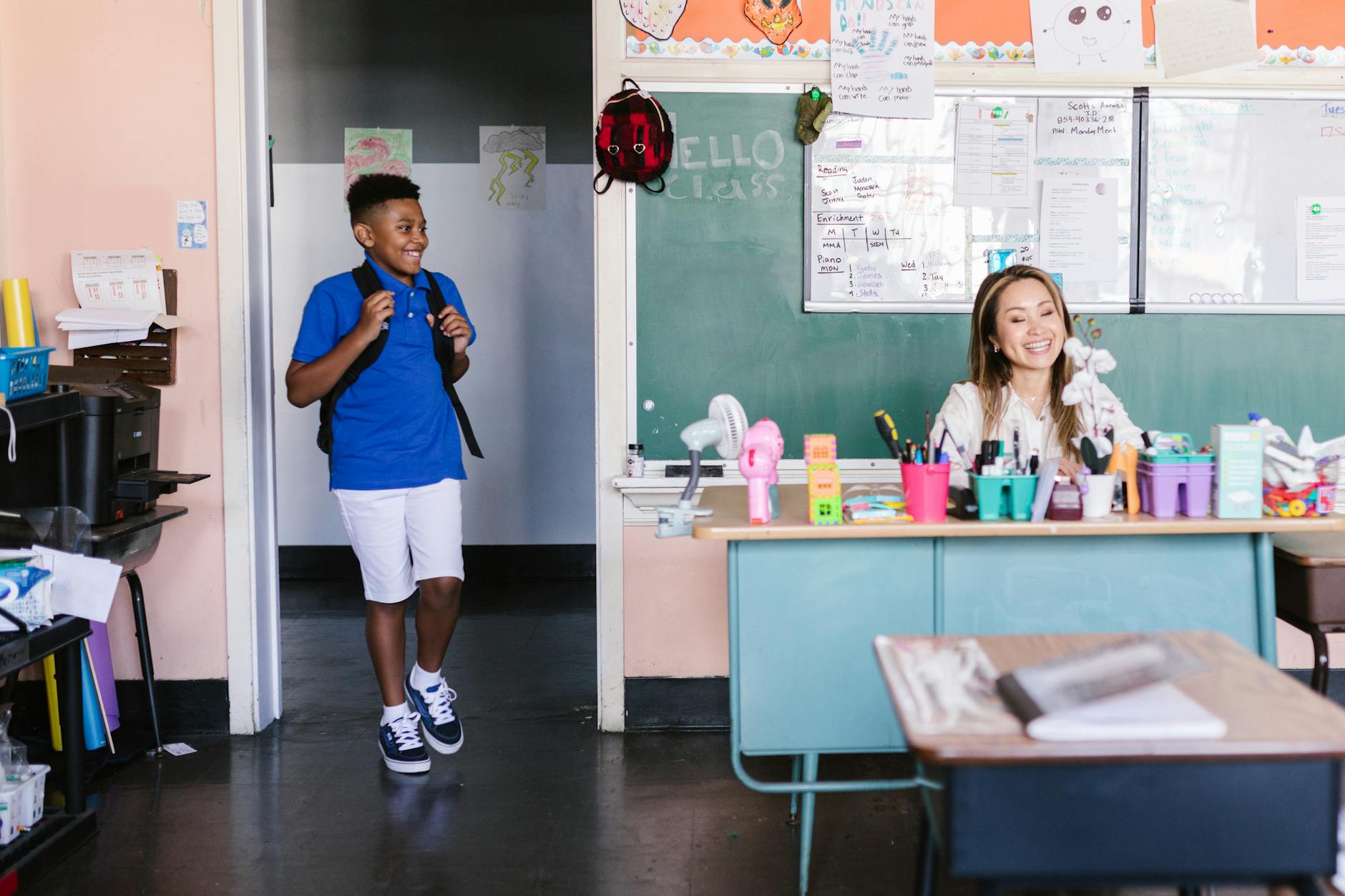
Social emotional skills develop hierarchically from simple regulation in preschool (naming emotions) to complex ethical reasoning in high school. Early years focus on self-awareness and parallel play; middle school emphasizes identity formation and peer navigation; high school targets autonomous decision-making and future planning, with each stage building on prior competency foundations.
Grade Band | Skill Indicators | Instructional Approaches | Assessment Methods |
|---|---|---|---|
Preschool–K | Emotion naming, parallel play transitions | Feelings Faces charts, Turtle Technique, adult prompting | Anecdotal records, observation logs |
Upper Elementary 3–5 | Perspective-taking, group collaboration | Turn-and-Talk, assigned roles, upstander scripts | Self-assessment rubrics, peer feedback |
Middle School 6–8 | Identity formation, peer pressure navigation | 20-minute advisory circles, cyberbullying scenarios | Reflective journals, exit tickets |
High School 9–12 | Ethical reasoning, autonomous decision-making | SMART frameworks, restorative justice circles | Portfolio defenses, capstone projects |
Early Elementary and Preschool Foundations
Three-year-olds stack blocks beside each other without sharing. By five, they're negotiating who gets the red truck. This shift from parallel to cooperative play marks the first major social emotional skills preschool milestone. Teachers support this transition through foundational social skills in early childhood education using visual tools like Feelings Faces charts.
Self-regulation starts externally. When Maya screams because her tower fell, the teacher prompts: "Turtle Technique. Tuck inside your shell. Three breaths. Now think." The child internalizes this script gradually. We cannot rush this hierarchy. Children identify emotions before managing them. They manage self before navigating complex peer dynamics. The foundation must hold.
Upper Elementary Skill Expansion
Third graders need explicit group work protocols. Assign roles—materials manager, timekeeper, recorder—or chaos ensues. I use Turn-and-Talk procedures daily, but with sentence stems: "I think _____ because _____." This scaffolds the empathy building required for perspective-taking questions like, "How do you think she felt when you said that?"
Bullying prevention moves beyond "be nice." We define upstander versus bystander behaviors with specific scripts: "That's not funny, let's go" or "I'll tell a teacher with you." Last year, I watched a quiet fourth-grader use this language when her friend was excluded at lunch. The specific words matter more than the general concept of kindness.
Middle School Identity and Peer Navigation
Sixth graders arrive wearing masks—literal and metaphorical. Emotional intelligence now centers on identity formation and navigating intense peer pressure. Our 20-minute daily advisory circles provide the structure for this exploration. Students pass a talking piece; everyone shares or passes. No interruptions allowed.
Digital citizenship becomes urgent. We practice responding to cyberbullying scenarios using trauma-informed practices: acknowledge the harm, ensure safety, repair relationships. The shift from external to internal regulation accelerates here. Students begin self-monitoring their online footprints without teacher prompts, recognizing that digital choices reflect personal values and future consequences.
High School Autonomy and Future Planning
By ninth grade, students set their own goals using SMART frameworks. Specific, Measurable, Achievable, Relevant, Time-bound. No more teacher prompts for every deadline. Career exploration links personal values to decision-making—why become a nurse if you value autonomy over service? The questions get harder.
Growth mindset meets ethical reasoning. Seniors navigate romantic relationships, college applications, and community activism. They facilitate restorative justice circles when harm occurs, managing the process themselves. This is full internal regulation: complex social navigation built on twelve years of prior competency foundations.
What Does Explicit SEL Instruction Look Like?
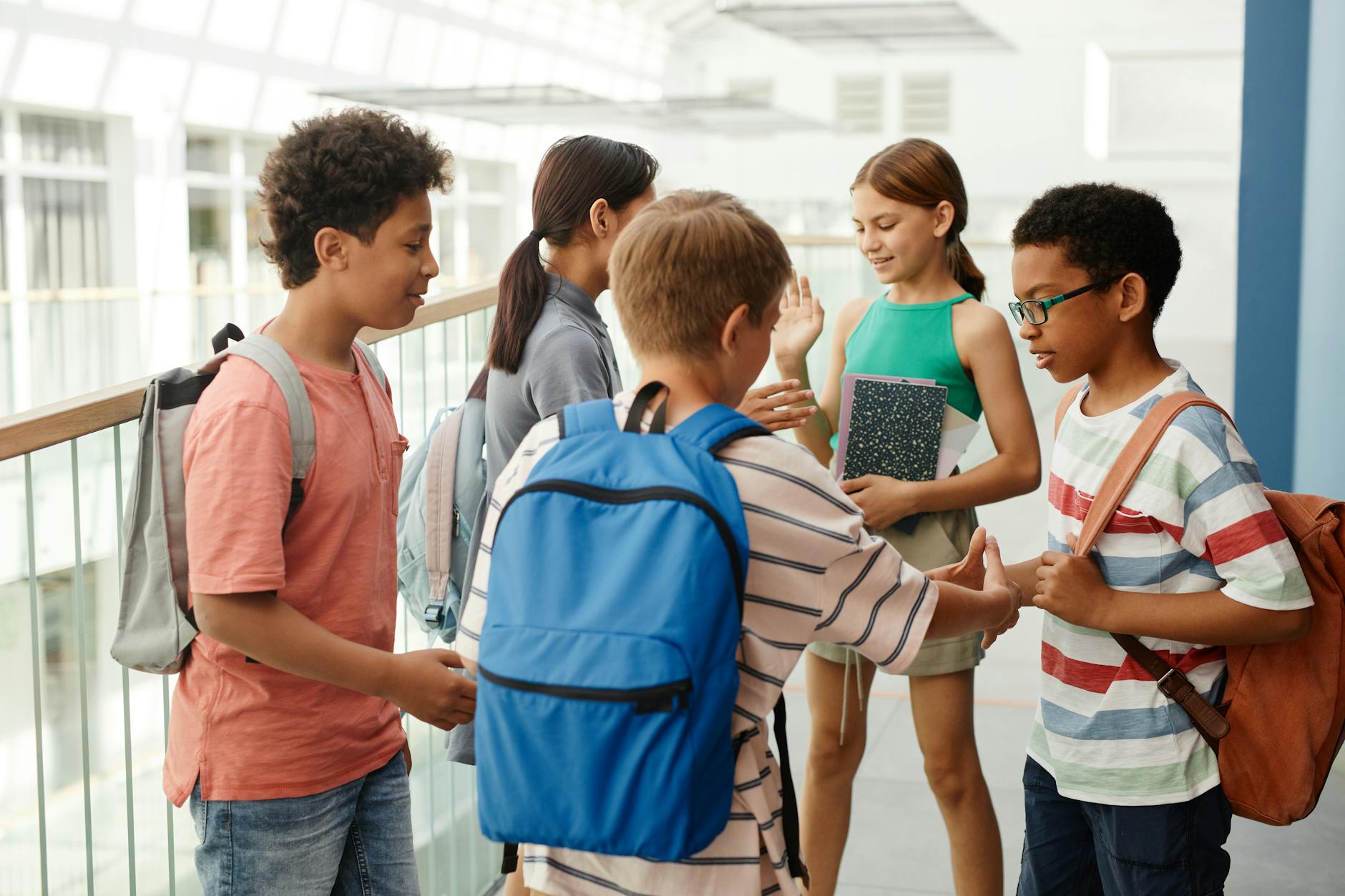
Explicit SEL instruction involves dedicated time—typically 15-30 minutes daily—using structured protocols like Morning Meetings, Second Step lessons, or restorative circles. Unlike incidental learning, explicit instruction teaches specific strategies: using 'I-statements,' belly breathing techniques, or conflict resolution scripts with clear steps and deliberate practice opportunities.
We don't hope kids learn math by osmosis. SEL works the same way. You need a plan, a script, and time on the schedule.
Incidental learning hopes students catch social emotional skills by watching others. Explicit instruction names the strategy, models the script, and provides deliberate practice. We teach 'I-statements' the same way we teach thesis statements: with clear steps and repetition until it sticks.
Morning Meetings (Responsive Classroom): 20-30 minutes daily, K-5. Greeting, sharing, cooperative activity, and message.
Collaborative Problem-Solving Challenges: 15-20 minutes, grades 3-12. STEM tasks with embedded cooperation debriefs.
Emotion Regulation Stations: 10-15 minutes, all ages. Cool-down corners with sensory tools and breathing techniques.
Restorative Circles: 20-30 minutes, grades 4-12. Community building or conflict resolution using scripted questions.
You'll need materials lists, specific space arrangements, and training. Circles require floor space or pushed-back desks. Cool-down corners need timers and stress balls. Most importantly, teachers need training in trauma-informed practices and facilitation protocols before leading sensitive discussions.
Morning Meetings and Check-In Routines
The Responsive Classroom model runs 20-30 minutes daily with four components. Greeting ensures each child gets acknowledged by name. Sharing lets one or two students speak while others practice listening skills. The activity is a brief cooperative game. The Morning Message previews academic content.
Last year with my 4th graders, I projected a Google Form mood meter during hybrid learning when we couldn't sit in a circle. These digital alternatives capture the same emotional intelligence data as face-to-face social emotional learning activities for elementary students.
Collaborative Problem-Solving Activities
Embed SEL into STEM through engineering challenges that force cooperation. After the build, debrief using empathy building questions. What worked in your team? Where did communication break down? This connects to collaborative problem-solving in the classroom.
Use Fist to Five voting for consensus: fist means hard no, five means full yes. Try Think-Pair-Share variations where students must paraphrase their partner's idea before adding their own. These emotional activities examples teach self-regulation during disagreement.
Emotion Regulation Techniques and Cool-Down Spaces
Set up a 3x3 foot cool-down corner with a visual timer, stress balls, and breathing balls. Include reflection sheets with sentence starters: 'I felt... I chose to...' This isn't punishment; it's a growth mindset tool for reset.
Teach specific techniques: Box breathing (inhale 4, hold 4, exhale 4), 5-4-3-2-1 grounding, and progressive muscle relaxation. These lessons that build emotional intelligence daily give students concrete tools rather than vague advice to 'calm down.'
Conflict Resolution Role-Play Scenarios
Peace Path scripts use walkable floor decals prompting specific questions. What happened? How did you feel? Who was affected? What needs to happen to make it right? Students walk the path and speak to each prompt, practicing restorative justice principles.
Facilitators must avoid accusatory questions like 'Why did you do that?' Use exploratory ones: 'What were you thinking?' This aligns with trauma-informed practices by seeking understanding before assigning blame. Role-play makes the script automatic when real conflict arises.
Integrating Social Emotional Skills Into Academic Content
Integration keeps social emotional skills from becoming that extra block you skip when testing season hits. When you embed personal and social skills into existing standards, you stop treating SEL as an add-on. The speaking and listening standards already demand relationship skills. Argumentation standards require self-regulation. You are not replacing academics; you are activating the competencies that make rigorous work possible. You do not need a separate curriculum.
Literature Discussions on Character Motivation
Fourth graders analyzing character motivation during literature circles practice empathy building while meeting reading standards. Use the Somebody Wanted But So Then framework, but pause after "Wanted" to ask: What is driving this choice? Whose perspective are we missing?
Wonder by R.J. Palacio builds fifth-grade empathy through Auggie's shifting narrators.
To Kill a Mockingbird pushes ninth graders to examine their own biases while analyzing Atticus.
Lubna and Pebble introduces K-2 students to refugee experiences through emotional connection.
When students defend a character's motivation using text evidence, they practice emotional intelligence without leaving the standards behind. The discussion protocol itself becomes the assessment.
Math Collaboration and Perseverance Strategies
Seventh grade math groups working complex problem sets need growth mindset language embedded in the Standards for Mathematical Practice #1: Make sense of problems and persevere. I watched a group last year hit a wall on proportional reasoning. Instead of quitting, they used our norms.
No cross-talk: Wait until your teammate finishes thinking before you jump in.
Questions before answers: Clarify the problem before grabbing the calculator.
Share the air: Track participation with tally marks so one voice does not dominate.
These structures teach the self-regulation required for higher-level mathematics.
Science Inquiry and Ethics Conversations
Trauma-informed practices do not mean avoiding hard topics. They mean teaching students to navigate complexity together. Bioethics case studies force students to listen across disagreement while mastering content.
CRISPR gene editing debates require students to articulate values while evaluating evidence.
Environmental justice investigations connect chemistry to community impact.
Lab group role assignments emphasize communication over hierarchy.
Use the Claim-Evidence-Reasoning framework with a twist: groups must reach consensus on the claim before writing. This builds restorative justice skills like hearing multiple truths. The science content remains central; the collaboration makes it stick.
History Perspective-Taking and Empathy Building
History lives when students stop memorizing dates and start understanding people. Multiple accounts of the same event develop emotional intelligence naturally. Have students compare Loyalist and Patriot primary sources from the same 1774 town meeting. Listen to Civil Rights narratives from local foot soldiers alongside national leaders to see how geography shaped experience.
Try empathy mapping: "What was this historical figure thinking, feeling, seeing, hearing?" Follow with "How would I have responded?" This approach to leading effective student discussions prevents presentism while deepening analytical rigor.
Students learn that historical actors had the same cognitive biases they do. The past becomes a laboratory for practicing empathy.
Common Barriers to Teaching Social Emotional Skills
Time Constraints and Curriculum Pressures
We don't have time. The average teacher reports exactly 27 minutes of spare time each week. That's one bathroom break and a rushed lunch. Adding a standalone SEL block sounds nice on a district pacing guide, but it isn't realistic when you're already choosing between science and social studies. Something has to give, and it's usually personal social and emotional development.
The fix is integration. I embed social emotional skills into existing transitions. Line-up procedures become empathy building moments. Bell-ringers replace random warm-ups with emotion vocabulary. Last October, my 4th graders learned "melancholy" during a vocabulary unit. They practiced identifying the feeling in literature and monitoring their own energy levels. Two-for-one instruction. Academic content plus emotional intelligence.
Target 10 to 15 minutes daily through these embedded moments. Small doses work better than nothing. Stop treating personal social and emotional development as a separate subject. Weave it into the academic fabric using your current transitions. The curriculum pressures don't disappear, but the skills stick without stealing dedicated math time.
Measuring Intangible Outcomes
How do you grade a growth mindset? You don't. The biggest mistake I see is assigning participation points for sharing feelings. "Share your emotion for 5 points" creates performance pressure. Fourth graders perform happiness to get the A. The data becomes garbage, and authentic self-regulation disappears.
Use formative assessment rubrics instead. Track observable, specific behaviors. "Used a calming technique when frustrated." "Applied restorative justice strategies during group work." Never score subjective traits like kindness or niceness on report cards. Measure skill deployment, not personality.
Choose your tools based on bandwidth. The DESSA-mini offers 8 items and takes five minutes. The full DESSA has 72 items and requires serious time. Use the mini for universal screening. Save the full version for targeted interventions when you need deep data on specific students.
Never introduce new SEL protocols during high-stakes testing weeks or crisis situations. When routines need to stabilize, adding novel self-regulation exercises creates chaos. Wait for baseline calm before shifting trauma-informed practices. Stability comes first.
Cultural Responsiveness and Equity Considerations
SEL isn't culturally neutral. Many programs assume Western individualistic norms: direct eye contact, aggressive personal expression, and autonomous self-concept. These clash with collectivist cultures that value group harmony, indirect communication, and interdependence. The mismatch creates friction.
I learned this the hard way with a student who refused to make eye contact during our "I feel" circles. Her family taught respect through looking down. My insistence on eye contact damaged trust. I had to rebuild that relationship by adapting my definition of engagement.
Adapt personal social and emotional development goals to honor community-level social awareness. Frame growth mindset around collective achievement, not just individual recognition. Build empathy building through group harmony activities. Recognize that inclusive SEL strategies for students with special needs often overlap with culturally responsive practice. Both reject one-size-fits-all emotional norms.
Effective trauma-informed practices acknowledge cultural backgrounds. Don't impose autonomous self-regulation models on students who navigate emotions through family and community networks. The goal is genuine emotional skill growth, not cultural conversion to Western norms. Listen first. Adapt second.
How to Assess and Track Social Emotional Growth?
Assess social emotional growth using multiple measures: universal screeners like the DESSA-mini (8-item rating scale) every 4-6 weeks, student self-assessments with 4-point rubrics, and portfolio documentation including video reflections and goal-tracking sheets. Focus on growth trajectories rather than proficiency benchmarks. This multi-method approach captures the full picture of development.
Stop grading feelings. Start measuring growth.
I run a four-phase cycle. First, we screen universally using valid tools. Then students set goals using specific behavioral targets. We document everything in portfolios—video reflections and regulation logs. Finally, we monitor progress weekly and adjust interventions. Social emotional skills develop over months, not minutes.
Ditch "proficient" labels. Formative assessment means daily descriptive notes—how a student used deep breathing or requested restorative justice during conflict. Summative judgments kill the growth mindset we are building. Use "developing" or specific behavioral descriptions instead.
Observation Protocols and Anecdotal Records
Track specific behaviors using ABC data collection: Antecedent (what happened before), Behavior (what you saw), Consequence (what followed). Timestamp every 15 minutes during observation windows. A complete entry might note the trigger (peer rejection), the action (yelling), and the result (isolation). This pattern reveals specific self-regulation gaps better than vague impressions.
Use tools that fit your context. ClassDojo works for real-time behavior tracking—tap the phone, log the moment. Kickboard maintains school-wide consistency for trauma-informed practices data. Prefer paper? Use anecdotal templates with 15-minute timestamp requirements during 45-minute observation windows. Paper forces you to look up from the screen and actually watch the child.
Consistency matters more than the specific tool. Observe the same three students daily for one week, rotating through the roster every month. Document the context: time of day, subject, group size. Context explains the behavior better than the behavior itself.
Student Self-Assessment Tools
Teach kids to rate themselves using concrete 4-point rubrics. Post these levels in the calm-down corner:
4: Uses strategy independently across contexts.
3: Uses with prompting.
2: Uses with direct instruction.
1: Not yet demonstrated.
When Jada grabbed the checklist last Tuesday, she circled Level 3 for "taking breaks when frustrated." She knew she needed the timer reminder.
Structure quarterly 10-minute student-led conferences. Learners present evidence from portfolios—video clips showing emotional intelligence in group work, completed goal-tracking sheets. I ask two questions: "What changed?" and "What still feels hard?" They own the data. I listen.
Focus on designing student self-assessment tools that match your specific targets. For empathy building, ask "Did I listen before responding?" For self-regulation, ask "Did I use my strategy?" Keep the language kid-friendly. Avoid jargon.
Portfolio Documentation and Goal-Setting Frameworks
Build portfolios with artifacts that show change over time. Include before/after video reflections (30 seconds to 2 minutes) where students describe handling conflict. Add self-drawn emotion regulation maps identifying trigger points. Stack SMART goal documentation with teacher initials and student signatures. These social emotional skills examples prove growth better than any standardized score.
Implement Goal-Attainment Scaling for messy, real-world progress. Rate goal achievement on a -2 to +2 scale relative to baseline. Zero equals expected outcome. Plus two exceeds expectations. Minus two shows regression. Last fall, my 4th grader Carlos aimed to "use words instead of fists." Baseline: three incidents weekly. By December, zero incidents earned a +1. The scale honored his trajectory without demanding perfection.
Focus on creating effective student portfolios to document growth that travel with students. When a child moves to 5th grade, their next teacher sees the regulation maps and scaling charts. Assessment becomes a bridge, not a burial.

What Social Emotional Skills Really Comes Down To
Teaching social emotional skills is not about cramming one more block into your schedule. It is the mortar that holds the academic bricks together. When you name a feeling during math frustration, or pause a history lesson to unpack group conflict, you are building emotional intelligence in real time. The explicit lessons matter, but so do the micro-moments when you model self-regulation after a fire drill falls apart.
You do not need perfect curriculum maps or district-mandated trackers to begin. Pick one skill. Watch how it shifts your room. The kindergartener who learns to breathe before erupting becomes the eighth grader who advocates for herself during a lab dispute. That growth is cumulative, observable, and worth every messy moment in between.
Start tomorrow. Not with a new program, but with your own awareness. Notice the emotion humming in your room. Name it. Ask about it. Everything else—trauma-informed practices, restorative justice, progress monitoring—builds from that single habit of paying attention to humans first, content second.
What Are Social Emotional Skills?
Social emotional skills are the teachable abilities that allow students to understand and manage emotions, set goals, show empathy, maintain positive relationships, and make responsible decisions. Based on CASEL's framework, these five core competencies function as foundational capacities that predict academic success and lifelong well-being more reliably than cognitive measures alone.
These are not fixed personality traits. You can teach them, measure them, and watch students grow. Unlike old "character education" models focused on moral judgments, SEL tracks observable behaviors.
The Collaborative for Academic, Social, and Emotional Learning (CASEL) organizes these into five competencies. Self-Awareness means recognizing emotions and their effects. Self-Management is the self-regulation of impulses and stress. Social Awareness requires empathy building and diverse perspectives. Relationship Skills cover communication and conflict resolution. Responsible Decision-Making needs ethical analysis. These are teachable social emotional learning skills, not innate qualities.
I saw this with a 7th grader last spring. He used to shut down during conflicts. After learning the 5-4-3-2-1 grounding technique, he caught himself. "My shoulders are up," he said. "I need a minute." That's measurable growth.
This differs from outdated "character education" that confused compliance with morality. SEL uses trauma-informed practices to track behaviors: a 2nd grader using an "I-statement" when frustrated, not shoving, or an 11th grader weighing ethics before sharing group work unfairly.
Self-Awareness is the foundation. A student cannot self-regulate without first recognizing their internal state. Skills grow increasingly complex as students mature. The growth mindset required to develop these capacities impacts academic outcomes as significantly as reading fluency. Mastering emotional intelligence for educators helps us model these capacities.
The Five Core Competencies Framework
CASEL's wheel provides shared vocabulary. Self-Awareness is recognizing emotions and their influence. Self-Management is regulating emotions and behaviors across contexts. Social Awareness involves perspective-taking and empathy. Relationship Skills establish healthy connections. Responsible Decision-Making requires ethical, safe choices. These five function as an integrated system, not isolated silos.
Self-Awareness and Self-Management
Teach Self-Awareness with Mood Meters plotting energy versus pleasantness, Feelings Wheels naming emotions beyond happy/sad, and 1-5 check-in scales. Self-Management uses belly breathing with hands on stomachs, positive self-talk scripts, and break-card protocols. These tools make self-regulation concrete and observable.
A 4th grader stating "I'm at a 2 because my stomach feels tight" has named the emotion. That naming precedes regulation.
Social Awareness and Relationship Skills
Social Awareness builds through "Stepping in the Shoes" perspective-taking and cultural competence frameworks. Relationship Skills require explicit instruction like the SLANT method—Sit up, Lean forward, Activate thinking, Note key ideas, Track the speaker—and cooperative roles like facilitator or recorder. These structures teach interdependence.
This empathy building supports restorative justice circles and inclusive communities where difference becomes resource, not threat.
Responsible Decision-Making
This competency uses the STOP framework: Stop, Think about consequences for self/others/community, explore Options, Proceed. Elementary students use it to avoid excluding peers; high schoolers apply it to social media choices. Each application analyzes ethics and safety, forming the habit of considering impact before action.
It differs from blind obedience. A student weighs whether copying homework helps their grade but harms integrity.
Why Do Social Emotional Skills Matter in the Classroom?
Social emotional skills directly impact classroom outcomes by freeing cognitive resources for learning—when students regulate emotions effectively, working memory becomes available for academic tasks. Research indicates SEL programs improve achievement by an average of 11 percentile points while reducing discipline referrals by up to 28% in high-implementation schools.
Kids can't learn when they're in survival mode. When the amygdala fires, blood flow leaves the prefrontal cortex. The cognitive resources needed for long division or essay writing simply aren't available to a brain detecting threats.
John Hattie's Visible Learning research places SEL programs with effect sizes of 0.47 or higher, ranking them alongside direct instruction for impact. These aren't peripheral activities. When students manage emotional regulation, they prevent amygdala hijack—the neurological response that shuts down higher thinking. Blood flow redirects from the threat-detection center to the prefrontal cortex. Working memory becomes available for academic content, not distress management.
A Columbia University cost-benefit analysis found quality SEL programming yields an $11 return for every $1 invested. Those savings come through reduced public health expenditures and criminal justice costs down the line. Schools see immediate benefits too.
High-fidelity implementation correlates with suspension rate reductions up to 28% compared to matched controls. That's not coincidence. Students with strong self-regulation tools don't escalate conflicts to the office. They solve problems before adults need to intervene.
Academic Performance and Cognitive Function
Neuroscience explains the connection. When students employ calming strategies, blood flow physically redirects from the amygdala to the prefrontal cortex. This enables the executive function required for complex problem-solving and abstract thinking. A student who can label their frustration has already begun to regulate it.
Meta-analyses indicate average academic gains of 11-17 percentile points for students in evidence-based SEL programs versus controls. These aren't marginal improvements. Moving from the 50th to the 61st percentile changes a student's academic trajectory. The social and emotional skills developed through these programs create the stability necessary for growth mindset to take root.
I saw this with a 7th grade science class last spring. After six weeks of explicit emotional vocabulary instruction, their lab report scores jumped 14 points. They weren't suddenly smarter. They could handle the frustration of failed experiments without shutting down.
Behavior Management and Classroom Climate
Punitive discipline suspends the problem but solves nothing. Restorative justice practices, built on strong SEL foundations, address the harm and rebuild relationships. Students learn that behavior has impact, not just consequences. They develop agency over their choices.
Schools implementing comprehensive social and emotional learning in modern classrooms see measurable climate shifts:
Tardiness rates drop significantly as students develop time management and emotional stability.
Attendance improves by 3-5 percentage points school-wide.
Classroom disruptions decrease, particularly during transitions when emotional dysregulation typically peaks.
These changes create space for academic risk-taking. When students trust the environment, they attempt harder problems. They ask questions without fear of humiliation. Empathy building among peers reduces the bullying incidents that derail instructional time. The classroom becomes a place where mistakes signal learning, not danger.
Long-Term Life Outcomes
The Fast Track and Seattle Social Development Project tracked participants from elementary school through adulthood. These longitudinal studies reveal that early emotional intelligence training predicts adult success more reliably than early academic scores alone. The patterns set in childhood persist.
Specific outcomes are striking. Participants showed higher high school graduation rates with increases of 6-10 percentage points over controls. At age 25, they demonstrated improved employment status and economic stability. Mental health service utilization dropped significantly compared to matched populations.
Trauma-informed practices in elementary schools prevent costly interventions later. The skills we teach in morning meetings and conflict resolution circles build neural pathways that last decades. We're not just managing behavior for today. We're constructing the emotional architecture for adult self-sufficiency.
How Do Social Emotional Skills Develop From Preschool Through High School?
Social emotional skills develop hierarchically from simple regulation in preschool (naming emotions) to complex ethical reasoning in high school. Early years focus on self-awareness and parallel play; middle school emphasizes identity formation and peer navigation; high school targets autonomous decision-making and future planning, with each stage building on prior competency foundations.
Grade Band | Skill Indicators | Instructional Approaches | Assessment Methods |
|---|---|---|---|
Preschool–K | Emotion naming, parallel play transitions | Feelings Faces charts, Turtle Technique, adult prompting | Anecdotal records, observation logs |
Upper Elementary 3–5 | Perspective-taking, group collaboration | Turn-and-Talk, assigned roles, upstander scripts | Self-assessment rubrics, peer feedback |
Middle School 6–8 | Identity formation, peer pressure navigation | 20-minute advisory circles, cyberbullying scenarios | Reflective journals, exit tickets |
High School 9–12 | Ethical reasoning, autonomous decision-making | SMART frameworks, restorative justice circles | Portfolio defenses, capstone projects |
Early Elementary and Preschool Foundations
Three-year-olds stack blocks beside each other without sharing. By five, they're negotiating who gets the red truck. This shift from parallel to cooperative play marks the first major social emotional skills preschool milestone. Teachers support this transition through foundational social skills in early childhood education using visual tools like Feelings Faces charts.
Self-regulation starts externally. When Maya screams because her tower fell, the teacher prompts: "Turtle Technique. Tuck inside your shell. Three breaths. Now think." The child internalizes this script gradually. We cannot rush this hierarchy. Children identify emotions before managing them. They manage self before navigating complex peer dynamics. The foundation must hold.
Upper Elementary Skill Expansion
Third graders need explicit group work protocols. Assign roles—materials manager, timekeeper, recorder—or chaos ensues. I use Turn-and-Talk procedures daily, but with sentence stems: "I think _____ because _____." This scaffolds the empathy building required for perspective-taking questions like, "How do you think she felt when you said that?"
Bullying prevention moves beyond "be nice." We define upstander versus bystander behaviors with specific scripts: "That's not funny, let's go" or "I'll tell a teacher with you." Last year, I watched a quiet fourth-grader use this language when her friend was excluded at lunch. The specific words matter more than the general concept of kindness.
Middle School Identity and Peer Navigation
Sixth graders arrive wearing masks—literal and metaphorical. Emotional intelligence now centers on identity formation and navigating intense peer pressure. Our 20-minute daily advisory circles provide the structure for this exploration. Students pass a talking piece; everyone shares or passes. No interruptions allowed.
Digital citizenship becomes urgent. We practice responding to cyberbullying scenarios using trauma-informed practices: acknowledge the harm, ensure safety, repair relationships. The shift from external to internal regulation accelerates here. Students begin self-monitoring their online footprints without teacher prompts, recognizing that digital choices reflect personal values and future consequences.
High School Autonomy and Future Planning
By ninth grade, students set their own goals using SMART frameworks. Specific, Measurable, Achievable, Relevant, Time-bound. No more teacher prompts for every deadline. Career exploration links personal values to decision-making—why become a nurse if you value autonomy over service? The questions get harder.
Growth mindset meets ethical reasoning. Seniors navigate romantic relationships, college applications, and community activism. They facilitate restorative justice circles when harm occurs, managing the process themselves. This is full internal regulation: complex social navigation built on twelve years of prior competency foundations.
What Does Explicit SEL Instruction Look Like?
Explicit SEL instruction involves dedicated time—typically 15-30 minutes daily—using structured protocols like Morning Meetings, Second Step lessons, or restorative circles. Unlike incidental learning, explicit instruction teaches specific strategies: using 'I-statements,' belly breathing techniques, or conflict resolution scripts with clear steps and deliberate practice opportunities.
We don't hope kids learn math by osmosis. SEL works the same way. You need a plan, a script, and time on the schedule.
Incidental learning hopes students catch social emotional skills by watching others. Explicit instruction names the strategy, models the script, and provides deliberate practice. We teach 'I-statements' the same way we teach thesis statements: with clear steps and repetition until it sticks.
Morning Meetings (Responsive Classroom): 20-30 minutes daily, K-5. Greeting, sharing, cooperative activity, and message.
Collaborative Problem-Solving Challenges: 15-20 minutes, grades 3-12. STEM tasks with embedded cooperation debriefs.
Emotion Regulation Stations: 10-15 minutes, all ages. Cool-down corners with sensory tools and breathing techniques.
Restorative Circles: 20-30 minutes, grades 4-12. Community building or conflict resolution using scripted questions.
You'll need materials lists, specific space arrangements, and training. Circles require floor space or pushed-back desks. Cool-down corners need timers and stress balls. Most importantly, teachers need training in trauma-informed practices and facilitation protocols before leading sensitive discussions.
Morning Meetings and Check-In Routines
The Responsive Classroom model runs 20-30 minutes daily with four components. Greeting ensures each child gets acknowledged by name. Sharing lets one or two students speak while others practice listening skills. The activity is a brief cooperative game. The Morning Message previews academic content.
Last year with my 4th graders, I projected a Google Form mood meter during hybrid learning when we couldn't sit in a circle. These digital alternatives capture the same emotional intelligence data as face-to-face social emotional learning activities for elementary students.
Collaborative Problem-Solving Activities
Embed SEL into STEM through engineering challenges that force cooperation. After the build, debrief using empathy building questions. What worked in your team? Where did communication break down? This connects to collaborative problem-solving in the classroom.
Use Fist to Five voting for consensus: fist means hard no, five means full yes. Try Think-Pair-Share variations where students must paraphrase their partner's idea before adding their own. These emotional activities examples teach self-regulation during disagreement.
Emotion Regulation Techniques and Cool-Down Spaces
Set up a 3x3 foot cool-down corner with a visual timer, stress balls, and breathing balls. Include reflection sheets with sentence starters: 'I felt... I chose to...' This isn't punishment; it's a growth mindset tool for reset.
Teach specific techniques: Box breathing (inhale 4, hold 4, exhale 4), 5-4-3-2-1 grounding, and progressive muscle relaxation. These lessons that build emotional intelligence daily give students concrete tools rather than vague advice to 'calm down.'
Conflict Resolution Role-Play Scenarios
Peace Path scripts use walkable floor decals prompting specific questions. What happened? How did you feel? Who was affected? What needs to happen to make it right? Students walk the path and speak to each prompt, practicing restorative justice principles.
Facilitators must avoid accusatory questions like 'Why did you do that?' Use exploratory ones: 'What were you thinking?' This aligns with trauma-informed practices by seeking understanding before assigning blame. Role-play makes the script automatic when real conflict arises.
Integrating Social Emotional Skills Into Academic Content
Integration keeps social emotional skills from becoming that extra block you skip when testing season hits. When you embed personal and social skills into existing standards, you stop treating SEL as an add-on. The speaking and listening standards already demand relationship skills. Argumentation standards require self-regulation. You are not replacing academics; you are activating the competencies that make rigorous work possible. You do not need a separate curriculum.
Literature Discussions on Character Motivation
Fourth graders analyzing character motivation during literature circles practice empathy building while meeting reading standards. Use the Somebody Wanted But So Then framework, but pause after "Wanted" to ask: What is driving this choice? Whose perspective are we missing?
Wonder by R.J. Palacio builds fifth-grade empathy through Auggie's shifting narrators.
To Kill a Mockingbird pushes ninth graders to examine their own biases while analyzing Atticus.
Lubna and Pebble introduces K-2 students to refugee experiences through emotional connection.
When students defend a character's motivation using text evidence, they practice emotional intelligence without leaving the standards behind. The discussion protocol itself becomes the assessment.
Math Collaboration and Perseverance Strategies
Seventh grade math groups working complex problem sets need growth mindset language embedded in the Standards for Mathematical Practice #1: Make sense of problems and persevere. I watched a group last year hit a wall on proportional reasoning. Instead of quitting, they used our norms.
No cross-talk: Wait until your teammate finishes thinking before you jump in.
Questions before answers: Clarify the problem before grabbing the calculator.
Share the air: Track participation with tally marks so one voice does not dominate.
These structures teach the self-regulation required for higher-level mathematics.
Science Inquiry and Ethics Conversations
Trauma-informed practices do not mean avoiding hard topics. They mean teaching students to navigate complexity together. Bioethics case studies force students to listen across disagreement while mastering content.
CRISPR gene editing debates require students to articulate values while evaluating evidence.
Environmental justice investigations connect chemistry to community impact.
Lab group role assignments emphasize communication over hierarchy.
Use the Claim-Evidence-Reasoning framework with a twist: groups must reach consensus on the claim before writing. This builds restorative justice skills like hearing multiple truths. The science content remains central; the collaboration makes it stick.
History Perspective-Taking and Empathy Building
History lives when students stop memorizing dates and start understanding people. Multiple accounts of the same event develop emotional intelligence naturally. Have students compare Loyalist and Patriot primary sources from the same 1774 town meeting. Listen to Civil Rights narratives from local foot soldiers alongside national leaders to see how geography shaped experience.
Try empathy mapping: "What was this historical figure thinking, feeling, seeing, hearing?" Follow with "How would I have responded?" This approach to leading effective student discussions prevents presentism while deepening analytical rigor.
Students learn that historical actors had the same cognitive biases they do. The past becomes a laboratory for practicing empathy.
Common Barriers to Teaching Social Emotional Skills
Time Constraints and Curriculum Pressures
We don't have time. The average teacher reports exactly 27 minutes of spare time each week. That's one bathroom break and a rushed lunch. Adding a standalone SEL block sounds nice on a district pacing guide, but it isn't realistic when you're already choosing between science and social studies. Something has to give, and it's usually personal social and emotional development.
The fix is integration. I embed social emotional skills into existing transitions. Line-up procedures become empathy building moments. Bell-ringers replace random warm-ups with emotion vocabulary. Last October, my 4th graders learned "melancholy" during a vocabulary unit. They practiced identifying the feeling in literature and monitoring their own energy levels. Two-for-one instruction. Academic content plus emotional intelligence.
Target 10 to 15 minutes daily through these embedded moments. Small doses work better than nothing. Stop treating personal social and emotional development as a separate subject. Weave it into the academic fabric using your current transitions. The curriculum pressures don't disappear, but the skills stick without stealing dedicated math time.
Measuring Intangible Outcomes
How do you grade a growth mindset? You don't. The biggest mistake I see is assigning participation points for sharing feelings. "Share your emotion for 5 points" creates performance pressure. Fourth graders perform happiness to get the A. The data becomes garbage, and authentic self-regulation disappears.
Use formative assessment rubrics instead. Track observable, specific behaviors. "Used a calming technique when frustrated." "Applied restorative justice strategies during group work." Never score subjective traits like kindness or niceness on report cards. Measure skill deployment, not personality.
Choose your tools based on bandwidth. The DESSA-mini offers 8 items and takes five minutes. The full DESSA has 72 items and requires serious time. Use the mini for universal screening. Save the full version for targeted interventions when you need deep data on specific students.
Never introduce new SEL protocols during high-stakes testing weeks or crisis situations. When routines need to stabilize, adding novel self-regulation exercises creates chaos. Wait for baseline calm before shifting trauma-informed practices. Stability comes first.
Cultural Responsiveness and Equity Considerations
SEL isn't culturally neutral. Many programs assume Western individualistic norms: direct eye contact, aggressive personal expression, and autonomous self-concept. These clash with collectivist cultures that value group harmony, indirect communication, and interdependence. The mismatch creates friction.
I learned this the hard way with a student who refused to make eye contact during our "I feel" circles. Her family taught respect through looking down. My insistence on eye contact damaged trust. I had to rebuild that relationship by adapting my definition of engagement.
Adapt personal social and emotional development goals to honor community-level social awareness. Frame growth mindset around collective achievement, not just individual recognition. Build empathy building through group harmony activities. Recognize that inclusive SEL strategies for students with special needs often overlap with culturally responsive practice. Both reject one-size-fits-all emotional norms.
Effective trauma-informed practices acknowledge cultural backgrounds. Don't impose autonomous self-regulation models on students who navigate emotions through family and community networks. The goal is genuine emotional skill growth, not cultural conversion to Western norms. Listen first. Adapt second.
How to Assess and Track Social Emotional Growth?
Assess social emotional growth using multiple measures: universal screeners like the DESSA-mini (8-item rating scale) every 4-6 weeks, student self-assessments with 4-point rubrics, and portfolio documentation including video reflections and goal-tracking sheets. Focus on growth trajectories rather than proficiency benchmarks. This multi-method approach captures the full picture of development.
Stop grading feelings. Start measuring growth.
I run a four-phase cycle. First, we screen universally using valid tools. Then students set goals using specific behavioral targets. We document everything in portfolios—video reflections and regulation logs. Finally, we monitor progress weekly and adjust interventions. Social emotional skills develop over months, not minutes.
Ditch "proficient" labels. Formative assessment means daily descriptive notes—how a student used deep breathing or requested restorative justice during conflict. Summative judgments kill the growth mindset we are building. Use "developing" or specific behavioral descriptions instead.
Observation Protocols and Anecdotal Records
Track specific behaviors using ABC data collection: Antecedent (what happened before), Behavior (what you saw), Consequence (what followed). Timestamp every 15 minutes during observation windows. A complete entry might note the trigger (peer rejection), the action (yelling), and the result (isolation). This pattern reveals specific self-regulation gaps better than vague impressions.
Use tools that fit your context. ClassDojo works for real-time behavior tracking—tap the phone, log the moment. Kickboard maintains school-wide consistency for trauma-informed practices data. Prefer paper? Use anecdotal templates with 15-minute timestamp requirements during 45-minute observation windows. Paper forces you to look up from the screen and actually watch the child.
Consistency matters more than the specific tool. Observe the same three students daily for one week, rotating through the roster every month. Document the context: time of day, subject, group size. Context explains the behavior better than the behavior itself.
Student Self-Assessment Tools
Teach kids to rate themselves using concrete 4-point rubrics. Post these levels in the calm-down corner:
4: Uses strategy independently across contexts.
3: Uses with prompting.
2: Uses with direct instruction.
1: Not yet demonstrated.
When Jada grabbed the checklist last Tuesday, she circled Level 3 for "taking breaks when frustrated." She knew she needed the timer reminder.
Structure quarterly 10-minute student-led conferences. Learners present evidence from portfolios—video clips showing emotional intelligence in group work, completed goal-tracking sheets. I ask two questions: "What changed?" and "What still feels hard?" They own the data. I listen.
Focus on designing student self-assessment tools that match your specific targets. For empathy building, ask "Did I listen before responding?" For self-regulation, ask "Did I use my strategy?" Keep the language kid-friendly. Avoid jargon.
Portfolio Documentation and Goal-Setting Frameworks
Build portfolios with artifacts that show change over time. Include before/after video reflections (30 seconds to 2 minutes) where students describe handling conflict. Add self-drawn emotion regulation maps identifying trigger points. Stack SMART goal documentation with teacher initials and student signatures. These social emotional skills examples prove growth better than any standardized score.
Implement Goal-Attainment Scaling for messy, real-world progress. Rate goal achievement on a -2 to +2 scale relative to baseline. Zero equals expected outcome. Plus two exceeds expectations. Minus two shows regression. Last fall, my 4th grader Carlos aimed to "use words instead of fists." Baseline: three incidents weekly. By December, zero incidents earned a +1. The scale honored his trajectory without demanding perfection.
Focus on creating effective student portfolios to document growth that travel with students. When a child moves to 5th grade, their next teacher sees the regulation maps and scaling charts. Assessment becomes a bridge, not a burial.
What Social Emotional Skills Really Comes Down To
Teaching social emotional skills is not about cramming one more block into your schedule. It is the mortar that holds the academic bricks together. When you name a feeling during math frustration, or pause a history lesson to unpack group conflict, you are building emotional intelligence in real time. The explicit lessons matter, but so do the micro-moments when you model self-regulation after a fire drill falls apart.
You do not need perfect curriculum maps or district-mandated trackers to begin. Pick one skill. Watch how it shifts your room. The kindergartener who learns to breathe before erupting becomes the eighth grader who advocates for herself during a lab dispute. That growth is cumulative, observable, and worth every messy moment in between.
Start tomorrow. Not with a new program, but with your own awareness. Notice the emotion humming in your room. Name it. Ask about it. Everything else—trauma-informed practices, restorative justice, progress monitoring—builds from that single habit of paying attention to humans first, content second.
Still grading everything by hand?
EMStudio is a free teaching management app — manage your classes, students, lessons, and more!
Learn More
Still grading everything by hand?
EMStudio is a free teaching management app — manage your classes, students, lessons, and more!
Learn More



Notion4Teachers
Notion templates to simplify administrative tasks and enhance your teaching experience.



2026 Notion4Teachers. All Rights Reserved.
Notion4Teachers
Notion templates to simplify administrative tasks and enhance your teaching experience.
2026 Notion4Teachers. All Rights Reserved.
Notion4Teachers
Notion templates to simplify administrative tasks and enhance your teaching experience.
2026 Notion4Teachers. All Rights Reserved.