
Social and Emotional Learning for Today's Classrooms
Social and Emotional Learning for Today's Classrooms

Article by
Milo
ESL Content Coordinator & Educator
ESL Content Coordinator & Educator
All Posts
Forty-two percent of high school students felt persistently sad or hopeless in 2021, according to the CDC's Youth Risk Behavior Survey. That marks a decade-long climb. You see it in your room when a student shuts down during a writing prompt or erupts over a pencil tap. The academic impact is immediate: kids can't divide fractions when they're in survival mode.
Social and emotional learning isn't another initiative to layer on top of your curriculum. It's the foundation that makes the curriculum possible. When students lack emotional intelligence or self-regulation strategies, your lesson plan stalls regardless of how well you mapped it.
This post covers practical, classroom-tested methods. You'll learn what works for kindergarteners versus eighth graders, and how to track progress without adding another clipboard to your desk.
Still grading everything by hand?
EMStudio is a free teaching management app — manage your classes, students, lessons, and more!
Learn More
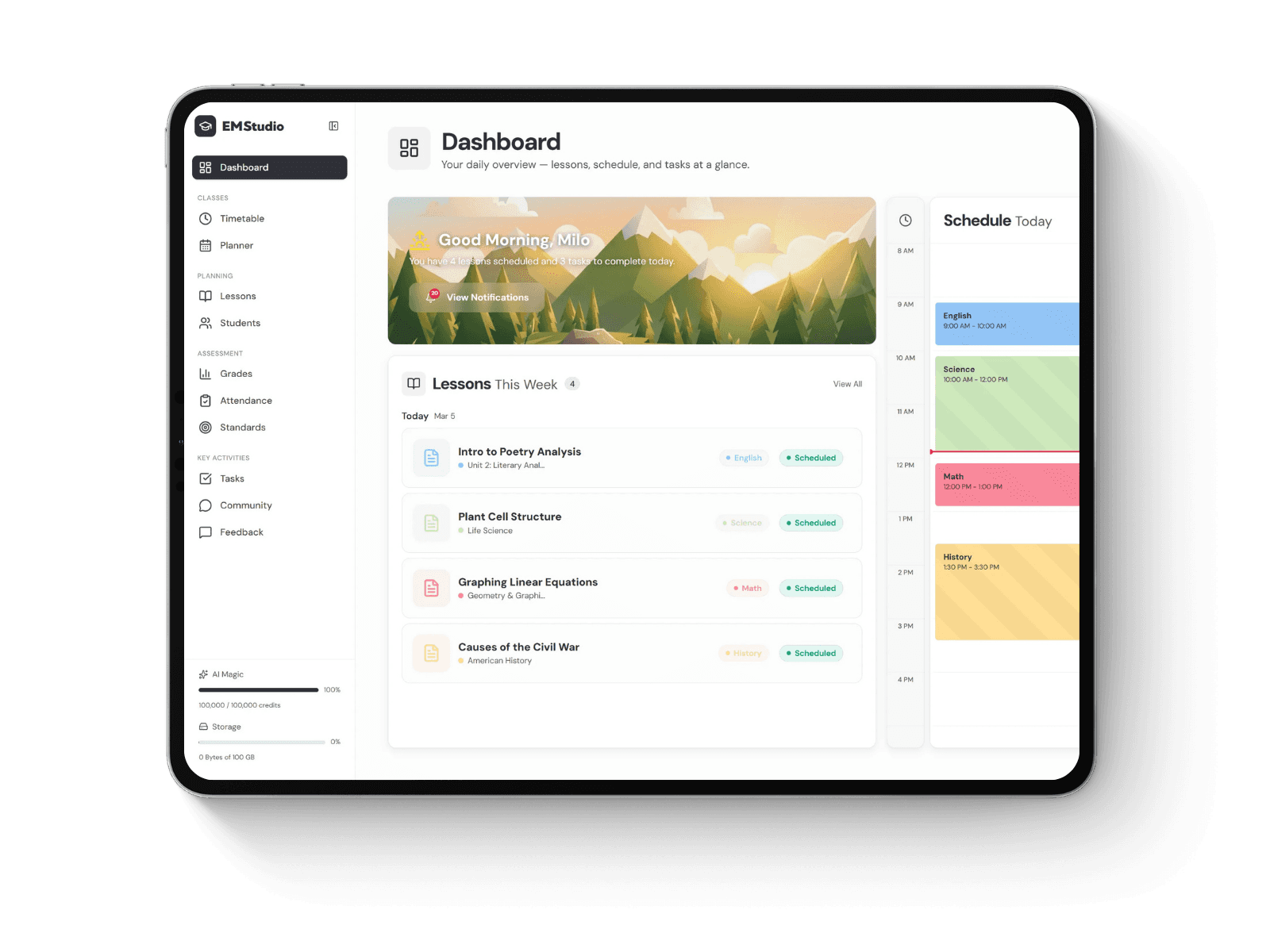
Still grading everything by hand?
EMStudio is a free teaching management app — manage your classes, students, lessons, and more!
Learn More
Table of Contents
What Is Social and Emotional Learning?
Social and emotional learning is the process through which children and adults acquire and effectively apply the knowledge, attitudes, and skills necessary to understand and manage emotions, set and achieve positive goals, feel and show empathy for others, establish and maintain positive relationships, and make responsible decisions. This applies across K-12 and adult education. It is not a curriculum you teach once in October. It is a developmental arc woven into every subject you teach.
Watch a fifth grader during a math assessment. Their pencil stops. Shoulders tense. They recognize the physiological signs of frustration because you taught them to notice their body’s warning signals. They employ the Stop Signal technique from the Second Step curriculum: name the emotion (“I’m frustrated”), use the 4-7-8 breathing method, then raise their hand to advocate for help instead of shutting down or tearing up the paper. That is sel social emotional learning in action. Not a poster on the wall. A skill used under pressure.
But SEL is not Character Education. It is not Classroom Management. They intersect, but they serve different functions.
Focus | Delivery Method | Success Metric |
SEL: Skills-based (emotional regulation, conflict resolution) | Explicit instruction embedded in academic content | Competency demonstration |
Character Education: Values-based (honesty, respect) | Direct moral transmission and modeling | Virtue display |
Classroom Management: Procedural (routines, expectations) | Behaviorist techniques and rule enforcement | Compliance rate |
The Five Core Competencies Framework
CASEL identifies five interrelated competencies. These are not abstract concepts. They are teachable skills with distinct progressions, and mastering emotional intelligence skills yourself is the first step toward teaching them.
Self-Awareness: A seventh grader identifies their anxiety triggers before presentations, recognizing the physical signs before they spiral.
Self-Management: Using the RULER approach’s Meta-Moment strategy when triggered—visualizing their best self before reacting.
Social Awareness: Perspective-taking exercises where students analyze historical figures’ motivations, practicing empathy across time.
Relationship Skills: Fourth graders using I-statements during peer conflict: “I feel frustrated when you take my supplies without asking.”
Responsible Decision-Making: High schoolers weighing consequences in ethical dilemma simulations, connecting actions to community impact.
These competencies are developmental and sequential. In elementary, you focus on emotion recognition and turn-taking. Middle school demands support for identity development and peer negotiation. By high school, students need scaffolding for ethical reasoning and future planning. The social emotional learning definition shifts as students age; what looks like sharing in kindergarten evolves into complex executive function skills and ethical calculus by senior year.
Differentiating SEL From Character Education and Classroom Management
You will hear administrators use these terms interchangeably. They are not the same tool. Understanding the distinction saves you from implementing half-measures that fail when students face real stress.
They intersect in practice. When you facilitate a restorative justice circle after a conflict, you are teaching SEL—specifically relationship repair skills. When you give a monthly character award for kindness, that is Character Education. When you use a color chart for volume levels, that is Classroom Management. Trauma-informed practices require all three, but the self-regulation strategies and growth mindset work come from explicit SEL instruction.
Why Does SEL Matter in Today's Classrooms?
Research indicates that social and emotional learning programs improve student academic performance by an average of 11 percentile points compared to students not participating in SEL programs. Hattie's Visible Learning meta-synthesis indicates these programs demonstrate an average effect size of 0.33-0.40 on academic achievement, translating to approximately 11 percentile point gains on your standardized assessments. A comprehensive meta-analysis of 213 school-based studies indicates students in evidence-based SEL programs improved academic performance by 11 percentile points while simultaneously reducing behavioral disruptions and disciplinary referrals.
Impact on Academic Achievement and Cognitive Function
SEL training strengthens the prefrontal cortex's regulation of the amygdala, specifically improving working memory capacity, attentional control, and inhibitory control. Your students with strong self-regulation strategies show better performance on standardized math and literacy assessments. The mechanism is straightforward: when a child masters emotional regulation, their brain spends less bandwidth managing fight-or-flight responses. That conserved cognitive energy redirects to the academic tasks you actually need them to complete.
You see this clearly in a middle school implementing the MindUP curriculum, where reductions in student stress indicators allowed more cognitive energy for algebraic reasoning and complex text analysis. When kids aren't fighting their own anxiety, they can actually think. Executive function skills developed through consistent SEL practice free up mental RAM, which explains why research indicates students with strong self-regulation spend significantly more time on-task compared to peers in emotional distress.
Reduction in Behavioral Incidents and School Climate
Schools implementing school-wide SEL with fidelity report reductions in office discipline referrals and suspensions. But here's the critical failure mode you need to avoid: research on implementation fidelity shows that SEL delivered as isolated, standalone lessons without academic integration produces significantly reduced impact. Don't schedule "SEL Fridays" where skills are taught in isolation without transfer opportunities to your core subjects. This matters especially when using trauma-informed practices, as kids carrying chronic stress need these regulatory skills integrated throughout the day, not sequestered to a single period where the learning can't transfer to their actual academic challenges.
When behavioral incidents drop, you gain significant instructional time previously lost to behavior management. A 3rd grader who can self-regulate spends significantly more time on-task compared to peers in emotional distress. That quiet focus isn't luck—it's trained emotional intelligence in action, giving you space to teach actual content instead of constantly managing behavior and emotional crises.
Long-Term Career and Relationship Outcomes
These classroom gains don't disappear when students leave your room. Long-term longitudinal studies tracking students from kindergarten through adulthood indicate that early SEL competencies predict concrete life outcomes by age 25. Specifically, these students show higher:
High school graduation rates and college enrollment
Stable employment rates and higher earnings trajectories
Mental health stability and quality adult relationships
Economic analyses suggest a return of $11 per $1 invested in SEL programming when you implement with fidelity. This data from social emotional learning research validates the work you do today building growth mindset and relationship skills in your classroom.
Adults lacking emotional regulation and relationship skills face higher incarceration rates and lower earnings trajectories. SEL isn't just "soft skills"—it's career preparation and life insurance. For educators prioritizing supporting student mental health and wellbeing, these outcomes validate your daily work teaching conflict resolution. Restorative justice circles you facilitate in 5th grade become collaborative problem-solving habits in adulthood, while social and emotional learning deficits often predict the opposite trajectory.
How Does Social and Emotional Learning Work?
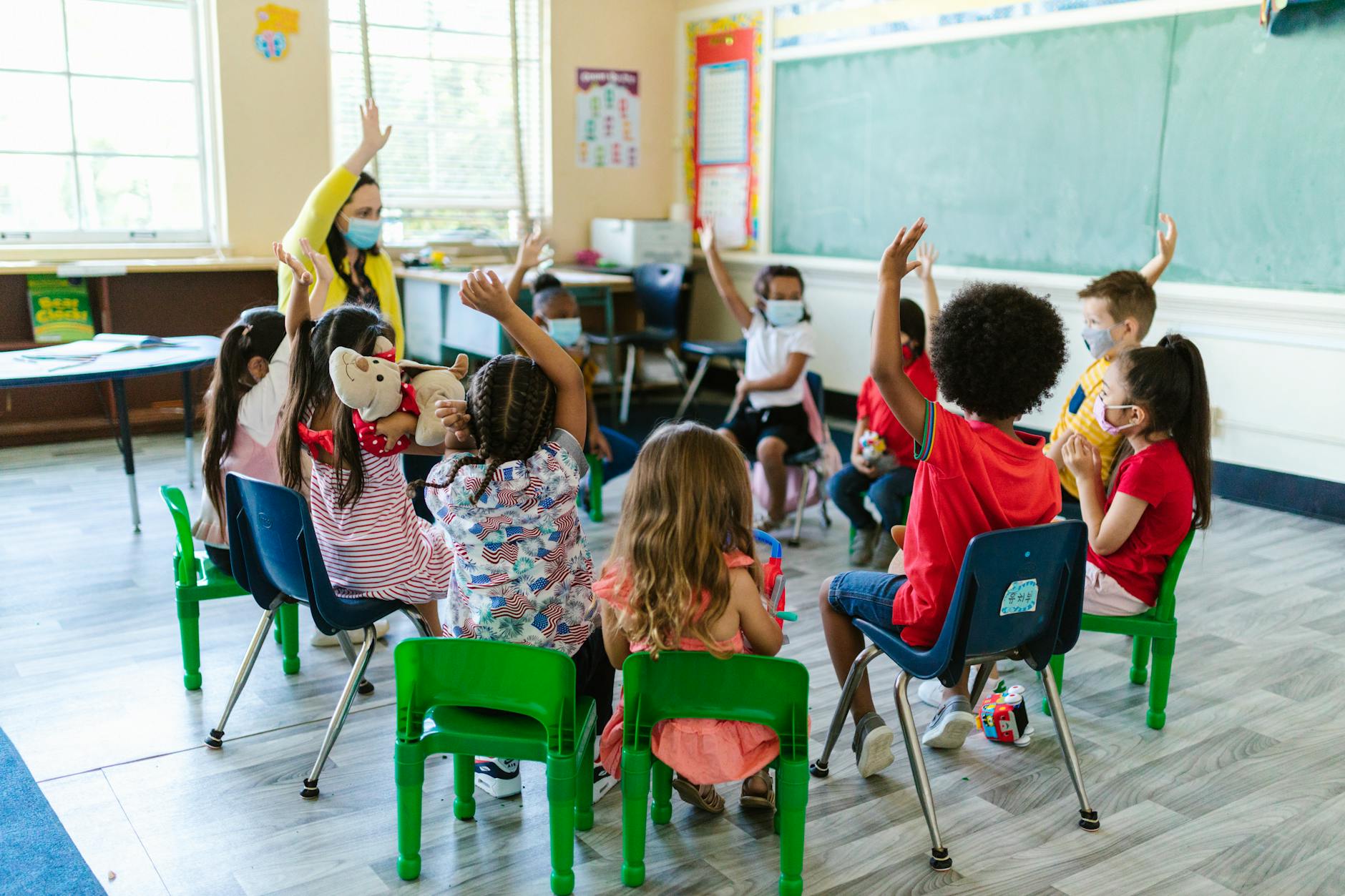
Social and emotional learning operates through three distinct delivery mechanisms: explicit instruction teaching specific skills like emotional regulation and conflict resolution, integration into academic subjects such as analyzing character motivations during literature studies, and school-wide climate systems including restorative practices and trauma-informed policies that shape daily interactions and behavioral expectations.
Most districts organize sel learning through a three-tiered framework. Tier 1 means every student gets universal instruction—think Second Step or RULER lessons for twenty minutes twice weekly. Tier 2 pulls small groups for kids scoring below benchmark on the DESSA, usually run by counselors. Tier 3 involves individualized behavior intervention plans where SEL goals replace punitive consequences. But here's what sinks implementations: SEL theater. Posting a feelings chart without teaching the self-regulation strategies to use it is like hanging a multiplication table and expecting kids to do long division. Skills must be taught, modeled, practiced, and reinforced with actual feedback loops.
Explicit Instruction in Specific Skills and Strategies
Explicit instruction follows a Teach-Model-Practice-Feedback loop. Take teaching active listening: you define the skill (eye contact, paraphrasing, clarifying questions), then model it using Second Step's Weekly Theme Videos or a co-teacher demonstration. Students practice in pairs using scripted role-play scenarios while you circulate with a rubric. Did they ask a clarifying question? Did they maintain eye contact for 80% of the exchange? Give specific feedback, not just "good job." The rubric makes the skill concrete instead of vague.
This takes real time. You need fifteen to twenty minutes, two to three times per week minimum, delivered consistently for eight to twelve weeks per competency. The typical lesson structure runs five minutes introducing the skill, ten minutes of practice with scripted prompts, and five minutes of reflection using a thumbs up/middle/down check. Skip the reflection and you lose the metacognition that builds emotional intelligence. Without this cycle, you're just talking about skills instead of building them.
Integration Into Academic Subject Areas and Content
Integration means your academic content drives the SEL, not the other way around. In 9th-grade Biology, when studying predator-prey relationships, have students analyze wolf reintroduction through the lens of social awareness. They must consider conservationists, farmers, and indigenous communities simultaneously, practicing perspective-taking while learning ecology. The science content becomes the vehicle for practicing emotional intelligence.
In math, use collaborative problem-solving protocols where students paraphrase their partner's strategy before offering their own—that's relationship skills in action. In ELA, analyze protagonist decisions using responsible decision-making criteria: what were the ethical standards, safety concerns, and social norms at play? If you teach content-heavy subjects like AP History, embed SEL through historical empathy exercises rather than separate lessons. If you teach lab science, focus on self-management through safety protocols and data integrity norms. For students needing additional support, check out inclusive SEL strategies for diverse learners. The key is threading executive function skills into your existing standards rather than bolting them on as an afterthought.
School-Wide Systems and Climate Support Structures
School-wide systems change what happens when behavior goes sideways. Instead of suspension for conflict, trained facilitators run restorative justice circles using the affective statement format: "When you ___, I feel ___, because ___." These take forty-five minutes and require voluntary participation from all parties. They work, but only if your staff is trained and your master schedule actually allows time for real conversation rather than rushed apologies.
Daily climate structures matter more than monthly assemblies. These include:
Common language like "taking a meta-moment" before reacting to stress
Calm-down spaces equipped with sensory tools—not as punishment, but as voluntary self-regulation strategies
Trauma-informed practices: predictable routines, choice in seating, and clear expectations posted at eye level
When these systems align with your classroom growth mindset work, you get genuine climate change rather than just behavior management. The building itself teaches emotional intelligence through its procedures.

Practical SEL Strategies by Grade Level
You can't teach third graders the same way you teach juniors. Social and emotional learning shifts as students develop, and your strategies need to match their cognitive bandwidth and social needs. What works for building emotional intelligence in ten-year-olds will flop with sixteen-year-olds who need ethical frameworks for complex decisions. These implementation guides give you specific timeframes, materials, and success indicators you can start using Monday morning.
Elementary: Morning Meetings and Emotion Identification Games
Morning Meeting (20-30 minutes daily). Run four components: greeting, sharing, activity, and morning message. During greeting, students stand, make eye contact, and use each other's names—no mumbling while staring at shoes. Two or three students respond to prompts like "rose and thorn" while others practice active listening without interrupting. The activity might be a cooperative game like "Zoom" or "Statues" that requires reading social cues and nonverbal communication. Finish with a morning message on chart paper previewing academics while embedding SEL language like "Today we'll practice perseverance when the math gets tricky." Materials: chime to signal transitions, chart paper, greeting cards for variety. Target competency: Relationship skills. Tell-tale sign: By week three, students initiate greetings with each other without your prompting while you finish taking attendance.
Feelings Charades (10 minutes). Use 24 emotion cards ranging from basic (happy, sad) to complex (jealous, proud, anxious). The complex emotions matter most because that's where kids get stuck and act out. Students act out the emotion while the class guesses, then discuss physiological signals: "Where do you feel nervousness in your body?" or "What happens to your hands when you're frustrated?" No materials cost beyond the cards you can print on cardstock. Target: Emotional intelligence and self-awareness. Success indicator: Students start naming their emotions during playground conflicts rather than just yelling or hitting. These SEL activities specifically for elementary classrooms provide concrete social emotional learning examples that stick because they're physical and brief.
Middle School: Collaborative Challenges and Goal-Setting Protocols
Marshmallow Challenge (18 minutes). Teams of four get twenty spaghetti sticks, one yard of tape, one yard of string, and one marshmallow—no substitutes for the marshmallow, as its weight and density change the physics. They must build the tallest freestanding structure with the marshmallow on top. They'll argue about design, rebuild when towers collapse, and experience genuine frustration. That's the point. When time expires, debrief the communication patterns and how they managed frustration—not just who built the tallest tower. Ask: "What did you do when your plan failed?" and "Who took leadership and why?" Target: Self-regulation strategies and teamwork under pressure. Success indicator: Groups ask for "redo" opportunities to fix communication breakdowns rather than arguing about who broke the structure.
WOOP Goal-Setting (15 minutes weekly). During advisory, students write wishes on index cards, visualize the best outcome, identify internal obstacles like procrastination or phone distraction, then create implementation intentions: "If I feel like playing video games, then I will set a timer for twenty minutes of homework first." Display SMART goals on public progress boards using student numbers, not names, posted near the classroom door with check-ins every two weeks. Target: Executive function skills and growth mindset. Success indicator: Students reference their "if-then" plans automatically when you assign long-term projects. Using responsive classroom framework principles here helps normalize obstacles through trauma-informed practices rather than punishment.
High School: Ethical Dilemma Discussions and Mentorship Circles
Socratic Seminar Fishbowl (45 minutes). Present real ethical dilemmas: appropriate use of ChatGPT in essays, college admission scandals, or environmental responsibility versus economic growth. Pick topics with no clear right answer. Protocol: three minutes private written reflection, ten minutes small group consensus building, twenty minutes inner circle discussion while outer circle tracks evidence and participation patterns on observation sheets. Rotate every ten minutes so everyone gets inner circle time. Target: Responsible decision-making and social awareness. Success indicator: Students cite each other's previous points from past discussions and genuinely change their minds based on new evidence rather than just waiting for their turn to talk.
Mentorship Circles (30 minutes biweekly). Pair twelfth graders with ninth graders using structured conversation cards printed on cardstock: "What was your biggest worry freshman year?" and "What's one study strategy you wish you'd known?" Meet during advisory with clear rotation so everyone gets airtime. The older students develop empathy and leadership; younger ones see that struggle is temporary and survivable. Target: Social awareness and relationship skills across grade levels. Success indicator: Ninth graders stop twelfth graders in hallways to continue conversations from the circle, and seniors adjust their advice based on specific mentee needs. These examples of social emotional learning work best when framed using restorative justice circles principles focused on understanding rather than winning arguments.
How Do You Measure SEL Progress?
SEL progress is measured through frequent low-stakes check-ins like emoji scales or mood meters taking 2-3 minutes, portfolio documentation tracking growth in conflict resolution over time with dated work samples, and validated screening tools such as the DESSA-mini or Panorama surveys administered 2-3 times yearly to monitor competency development and identify students needing additional support.
Never put these scores in your gradebook. Social and emotional learning assessment is for growth monitoring and intervention identification only—not for punitive measures, report cards, or disciplinary consequences. A low self-regulation score should never cost a student recess or trigger a phone call home framed as bad behavior. Keep this data locked behind passwords or in secured filing cabinets, share only with the student, their guardians, and specialists who need it for support planning, and follow FERPA guidelines strictly.
Low-Stakes Daily Check-Ins and Temperature Reads
Students walk in. You need to know who’s ready to learn and who’s carrying morning stress without eating up half the period. A two-minute Panorama "Feelings" check via Google Form—five emoji options—or a paper Mood Meter quadrant (high/low energy, pleasant/unpleasant) gives you immediate visibility. I track responses in a private spreadsheet to spot patterns: Mondays show elevated stress across 3rd graders, or specific students dip every Thursday after lunch.
For mid-lesson pulses, use "Fist to Five." Fist means struggling to stay regulated, five means ready to tackle challenging content. If you see multiple fists before a math test, you know to insert a regulation break rather than push forward. These digital mood tracker templates work well for middle schoolers who can self-monitor on devices, while younger kids do better with magnetic faces on a whiteboard that reset each morning. The key is speed—if it takes longer than two minutes, you’re losing instructional time.
Portfolio-Based Growth Documentation and Self-Reflections
Portfolios create proof of growth that numbers alone miss. Three times per semester, students submit entries to a Google Drive folder or physical binder: first, a self-assessment using a competency rubric (1-4 scale); second, a worked example like a conflict resolution reflection essay or group project self-evaluation; third, evidence of goal progress. Date everything. When a student revisits their September "two stars and a wish" peer feedback form in January and sees they no longer receive "needs to share materials" comments, they internalize the growth mindset shift.
Use structured protocols like "Start-Stop-Continue" after group projects to target collaboration skills rather than academic content. For creating effective student portfolios, keep the system simple enough that maintenance doesn't steal instructional time. When designing self-assessment tools for students, use sentence starters like "When I felt frustrated, I..." to build emotional intelligence through concrete reflection rather than abstract rating scales that confuse 7-year-olds.
Validated Screening Tools and Standardized Assessments
Formal screeners identify which students need Tier 2 support. DESSA-mini (8 items, 1 minute per student, $2-4 annually) tracks social-emotional competence strengths for K-8. Panorama SEL Survey (22 items, 15 minutes, variable pricing) covers grades 3-12 with detailed subscales for executive function skills and grit. SAEBRS (19 items, free, K-12) flags risk factors in social, academic, and emotional domains rather than strengths.
Tier 1 (Universal Screeners): DESSA-mini, Panorama, or SAEBRS administered to all students 2-3 times yearly. Cost: $0-4 per student. Time: 1-15 minutes per student.
Tier 2 (Progress Monitoring): Weekly teacher observation rubrics or brief 1-3 item student self-reports for those scoring below the 25th percentile who need targeted intervention, or for tracking IEP goals related to emotional regulation. Cost: Free. Time: 2-3 minutes weekly.
Tier 3 (Diagnostic): Clinical interviews or functional behavior assessments for students in intensive intervention. Cost: Specialist time. Time: 30-60 minutes.
Beware over-quantification. Screening three times yearly—fall, winter, spring—is plenty; weekly formal assessments create anxiety and undermine the self-regulation strategies you’re trying to build. Students perform differently when they know they're being "tested" on emotions. Use screening data solely to identify students for small groups or check-ins, never to label kids permanently on report cards or permanent records. School-wide aggregates evaluate whether your climate initiatives actually work, while individual data drives specific restorative justice circles or trauma-informed practices for learners who need them most.

How to Integrate SEL Without Overhauling Your Curriculum?
Integrate SEL without curriculum overhaul by embedding reflection prompts into existing assignments such as math error analysis with self-compassion questions, utilizing transition times for 30-second breathing exercises or community-building rituals, and following a phased 30-day implementation timeline starting with one routine rather than attempting simultaneous full implementation across all subjects and competencies. You don't need new textbooks or expensive programs. You need pedagogical shifts that fit inside what you already teach.
Embedding Reflection Prompts in Existing Academic Assignments
Add self-regulation strategies to your math error analysis routine with the "Three Before Me" reflection. Students answer three questions before asking for help: What strategy did I try? What went wrong? What's my next attempt? This builds executive function skills and growth mindset while adding only three minutes to your existing error correction workflow. You're already grading the mistakes; now you're having students metacognate first.
In ELA, replace one traditional essay prompt per unit with a "Character SEL Audit." Students identify which competencies the protagonist lacks and how that drives the plot. Romeo’s impulsive decision-making becomes a lesson in emotional intelligence, not just tragedy. You’re still teaching literary analysis, but now you’re naming the social and emotional learning concepts when discussing character motivation.
Using Transitions and Routines as Skill-Building Opportunities
Transform entry procedures with "Door Greeters." Students choose their greeting style—handshake, wave, fist bump, or dance move—upon entering. This takes fifteen seconds per student and builds relationship skills and belonging. I’ve seen fifth graders who refused to enter the room suddenly light up when they got to pick the dance move option.
Repurpose transition time by applying mindfulness in the classroom through 4-7-8 breathing. Students breathe in for four counts, hold for seven, out for eight during the thirty seconds between subjects. No instruction time lost. For lining up, teach silent hand signals for bathroom, water, or help needs instead of disruptive calling out. During cleanup, use "accountability partners" who check each other's areas before dismissal, building responsibility without adding time.
Building a Sustainable 30-Day Implementation Timeline
Follow this phased rollout to avoid the failure mode of attempting simultaneous implementation across all subjects.
Days 1–7: Model and practice one morning check-in or exit ticket routine only.
Days 8–14: Add one subject integration point, starting with your lowest-stakes subject.
Days 15–21: Introduce a conflict resolution protocol or implementing restorative practices such as brief restorative justice circles during a peace corner reset.
Days 22–30: Collect student feedback via a three-question survey and adjust one element based on time-tracking data.
Most integration strategies require zero to five minutes of additional class time, repurposed from less effective activities like silent bell work. Elementary implementation requires no budget. Optional costs include fifteen dollars for feeling chart posters or fifty dollars annually for digital check-in platforms. If a strategy takes more than five minutes daily or requires materials costing over twenty dollars per class, provide a low-resource alternative such as paper cups for check-ins instead of purchased mood meter apps.
Red flag warning: If implementation requires you to create entirely new lesson plans or purchase expensive curricula immediately, it is unsustainable. Start with pedagogical shifts within existing content, not content additions. Trauma-informed practices work best when they feel invisible to students, woven into the fabric of ordinary Tuesday rather than standing out as special SEL time.

The Bigger Picture on Social And Emotional Learning
You started with a pacing guide that barely leaves room for bathroom breaks. Now you have self-regulation strategies to teach, emotions to check, and restorative justice circles to hold. It sounds like extra work because it is—but it replaces the time you spend managing chaos. When a 4th grader uses a breathing technique instead of flipping a desk, or a 9th grader asks for a break before exploding, you just got ten minutes of instruction back. That is the trade.
Social and emotional learning is not a curriculum you buy. It is the patience to wait three seconds before correcting a student, the choice to use a circle instead of an immediate office referral, and the awareness that your toughest kid might need trauma-informed practices more than he needs detention. You measure it in fewer interruptions, stronger discussions, and kids who develop genuine emotional intelligence instead of just test-taking skills. Start small. One check-in. One circle. One deep breath. That is enough to begin.
What Is Social and Emotional Learning?
Social and emotional learning is the process through which children and adults acquire and effectively apply the knowledge, attitudes, and skills necessary to understand and manage emotions, set and achieve positive goals, feel and show empathy for others, establish and maintain positive relationships, and make responsible decisions. This applies across K-12 and adult education. It is not a curriculum you teach once in October. It is a developmental arc woven into every subject you teach.
Watch a fifth grader during a math assessment. Their pencil stops. Shoulders tense. They recognize the physiological signs of frustration because you taught them to notice their body’s warning signals. They employ the Stop Signal technique from the Second Step curriculum: name the emotion (“I’m frustrated”), use the 4-7-8 breathing method, then raise their hand to advocate for help instead of shutting down or tearing up the paper. That is sel social emotional learning in action. Not a poster on the wall. A skill used under pressure.
But SEL is not Character Education. It is not Classroom Management. They intersect, but they serve different functions.
Focus | Delivery Method | Success Metric |
SEL: Skills-based (emotional regulation, conflict resolution) | Explicit instruction embedded in academic content | Competency demonstration |
Character Education: Values-based (honesty, respect) | Direct moral transmission and modeling | Virtue display |
Classroom Management: Procedural (routines, expectations) | Behaviorist techniques and rule enforcement | Compliance rate |
The Five Core Competencies Framework
CASEL identifies five interrelated competencies. These are not abstract concepts. They are teachable skills with distinct progressions, and mastering emotional intelligence skills yourself is the first step toward teaching them.
Self-Awareness: A seventh grader identifies their anxiety triggers before presentations, recognizing the physical signs before they spiral.
Self-Management: Using the RULER approach’s Meta-Moment strategy when triggered—visualizing their best self before reacting.
Social Awareness: Perspective-taking exercises where students analyze historical figures’ motivations, practicing empathy across time.
Relationship Skills: Fourth graders using I-statements during peer conflict: “I feel frustrated when you take my supplies without asking.”
Responsible Decision-Making: High schoolers weighing consequences in ethical dilemma simulations, connecting actions to community impact.
These competencies are developmental and sequential. In elementary, you focus on emotion recognition and turn-taking. Middle school demands support for identity development and peer negotiation. By high school, students need scaffolding for ethical reasoning and future planning. The social emotional learning definition shifts as students age; what looks like sharing in kindergarten evolves into complex executive function skills and ethical calculus by senior year.
Differentiating SEL From Character Education and Classroom Management
You will hear administrators use these terms interchangeably. They are not the same tool. Understanding the distinction saves you from implementing half-measures that fail when students face real stress.
They intersect in practice. When you facilitate a restorative justice circle after a conflict, you are teaching SEL—specifically relationship repair skills. When you give a monthly character award for kindness, that is Character Education. When you use a color chart for volume levels, that is Classroom Management. Trauma-informed practices require all three, but the self-regulation strategies and growth mindset work come from explicit SEL instruction.
Why Does SEL Matter in Today's Classrooms?
Research indicates that social and emotional learning programs improve student academic performance by an average of 11 percentile points compared to students not participating in SEL programs. Hattie's Visible Learning meta-synthesis indicates these programs demonstrate an average effect size of 0.33-0.40 on academic achievement, translating to approximately 11 percentile point gains on your standardized assessments. A comprehensive meta-analysis of 213 school-based studies indicates students in evidence-based SEL programs improved academic performance by 11 percentile points while simultaneously reducing behavioral disruptions and disciplinary referrals.
Impact on Academic Achievement and Cognitive Function
SEL training strengthens the prefrontal cortex's regulation of the amygdala, specifically improving working memory capacity, attentional control, and inhibitory control. Your students with strong self-regulation strategies show better performance on standardized math and literacy assessments. The mechanism is straightforward: when a child masters emotional regulation, their brain spends less bandwidth managing fight-or-flight responses. That conserved cognitive energy redirects to the academic tasks you actually need them to complete.
You see this clearly in a middle school implementing the MindUP curriculum, where reductions in student stress indicators allowed more cognitive energy for algebraic reasoning and complex text analysis. When kids aren't fighting their own anxiety, they can actually think. Executive function skills developed through consistent SEL practice free up mental RAM, which explains why research indicates students with strong self-regulation spend significantly more time on-task compared to peers in emotional distress.
Reduction in Behavioral Incidents and School Climate
Schools implementing school-wide SEL with fidelity report reductions in office discipline referrals and suspensions. But here's the critical failure mode you need to avoid: research on implementation fidelity shows that SEL delivered as isolated, standalone lessons without academic integration produces significantly reduced impact. Don't schedule "SEL Fridays" where skills are taught in isolation without transfer opportunities to your core subjects. This matters especially when using trauma-informed practices, as kids carrying chronic stress need these regulatory skills integrated throughout the day, not sequestered to a single period where the learning can't transfer to their actual academic challenges.
When behavioral incidents drop, you gain significant instructional time previously lost to behavior management. A 3rd grader who can self-regulate spends significantly more time on-task compared to peers in emotional distress. That quiet focus isn't luck—it's trained emotional intelligence in action, giving you space to teach actual content instead of constantly managing behavior and emotional crises.
Long-Term Career and Relationship Outcomes
These classroom gains don't disappear when students leave your room. Long-term longitudinal studies tracking students from kindergarten through adulthood indicate that early SEL competencies predict concrete life outcomes by age 25. Specifically, these students show higher:
High school graduation rates and college enrollment
Stable employment rates and higher earnings trajectories
Mental health stability and quality adult relationships
Economic analyses suggest a return of $11 per $1 invested in SEL programming when you implement with fidelity. This data from social emotional learning research validates the work you do today building growth mindset and relationship skills in your classroom.
Adults lacking emotional regulation and relationship skills face higher incarceration rates and lower earnings trajectories. SEL isn't just "soft skills"—it's career preparation and life insurance. For educators prioritizing supporting student mental health and wellbeing, these outcomes validate your daily work teaching conflict resolution. Restorative justice circles you facilitate in 5th grade become collaborative problem-solving habits in adulthood, while social and emotional learning deficits often predict the opposite trajectory.
How Does Social and Emotional Learning Work?
Social and emotional learning operates through three distinct delivery mechanisms: explicit instruction teaching specific skills like emotional regulation and conflict resolution, integration into academic subjects such as analyzing character motivations during literature studies, and school-wide climate systems including restorative practices and trauma-informed policies that shape daily interactions and behavioral expectations.
Most districts organize sel learning through a three-tiered framework. Tier 1 means every student gets universal instruction—think Second Step or RULER lessons for twenty minutes twice weekly. Tier 2 pulls small groups for kids scoring below benchmark on the DESSA, usually run by counselors. Tier 3 involves individualized behavior intervention plans where SEL goals replace punitive consequences. But here's what sinks implementations: SEL theater. Posting a feelings chart without teaching the self-regulation strategies to use it is like hanging a multiplication table and expecting kids to do long division. Skills must be taught, modeled, practiced, and reinforced with actual feedback loops.
Explicit Instruction in Specific Skills and Strategies
Explicit instruction follows a Teach-Model-Practice-Feedback loop. Take teaching active listening: you define the skill (eye contact, paraphrasing, clarifying questions), then model it using Second Step's Weekly Theme Videos or a co-teacher demonstration. Students practice in pairs using scripted role-play scenarios while you circulate with a rubric. Did they ask a clarifying question? Did they maintain eye contact for 80% of the exchange? Give specific feedback, not just "good job." The rubric makes the skill concrete instead of vague.
This takes real time. You need fifteen to twenty minutes, two to three times per week minimum, delivered consistently for eight to twelve weeks per competency. The typical lesson structure runs five minutes introducing the skill, ten minutes of practice with scripted prompts, and five minutes of reflection using a thumbs up/middle/down check. Skip the reflection and you lose the metacognition that builds emotional intelligence. Without this cycle, you're just talking about skills instead of building them.
Integration Into Academic Subject Areas and Content
Integration means your academic content drives the SEL, not the other way around. In 9th-grade Biology, when studying predator-prey relationships, have students analyze wolf reintroduction through the lens of social awareness. They must consider conservationists, farmers, and indigenous communities simultaneously, practicing perspective-taking while learning ecology. The science content becomes the vehicle for practicing emotional intelligence.
In math, use collaborative problem-solving protocols where students paraphrase their partner's strategy before offering their own—that's relationship skills in action. In ELA, analyze protagonist decisions using responsible decision-making criteria: what were the ethical standards, safety concerns, and social norms at play? If you teach content-heavy subjects like AP History, embed SEL through historical empathy exercises rather than separate lessons. If you teach lab science, focus on self-management through safety protocols and data integrity norms. For students needing additional support, check out inclusive SEL strategies for diverse learners. The key is threading executive function skills into your existing standards rather than bolting them on as an afterthought.
School-Wide Systems and Climate Support Structures
School-wide systems change what happens when behavior goes sideways. Instead of suspension for conflict, trained facilitators run restorative justice circles using the affective statement format: "When you ___, I feel ___, because ___." These take forty-five minutes and require voluntary participation from all parties. They work, but only if your staff is trained and your master schedule actually allows time for real conversation rather than rushed apologies.
Daily climate structures matter more than monthly assemblies. These include:
Common language like "taking a meta-moment" before reacting to stress
Calm-down spaces equipped with sensory tools—not as punishment, but as voluntary self-regulation strategies
Trauma-informed practices: predictable routines, choice in seating, and clear expectations posted at eye level
When these systems align with your classroom growth mindset work, you get genuine climate change rather than just behavior management. The building itself teaches emotional intelligence through its procedures.
Practical SEL Strategies by Grade Level
You can't teach third graders the same way you teach juniors. Social and emotional learning shifts as students develop, and your strategies need to match their cognitive bandwidth and social needs. What works for building emotional intelligence in ten-year-olds will flop with sixteen-year-olds who need ethical frameworks for complex decisions. These implementation guides give you specific timeframes, materials, and success indicators you can start using Monday morning.
Elementary: Morning Meetings and Emotion Identification Games
Morning Meeting (20-30 minutes daily). Run four components: greeting, sharing, activity, and morning message. During greeting, students stand, make eye contact, and use each other's names—no mumbling while staring at shoes. Two or three students respond to prompts like "rose and thorn" while others practice active listening without interrupting. The activity might be a cooperative game like "Zoom" or "Statues" that requires reading social cues and nonverbal communication. Finish with a morning message on chart paper previewing academics while embedding SEL language like "Today we'll practice perseverance when the math gets tricky." Materials: chime to signal transitions, chart paper, greeting cards for variety. Target competency: Relationship skills. Tell-tale sign: By week three, students initiate greetings with each other without your prompting while you finish taking attendance.
Feelings Charades (10 minutes). Use 24 emotion cards ranging from basic (happy, sad) to complex (jealous, proud, anxious). The complex emotions matter most because that's where kids get stuck and act out. Students act out the emotion while the class guesses, then discuss physiological signals: "Where do you feel nervousness in your body?" or "What happens to your hands when you're frustrated?" No materials cost beyond the cards you can print on cardstock. Target: Emotional intelligence and self-awareness. Success indicator: Students start naming their emotions during playground conflicts rather than just yelling or hitting. These SEL activities specifically for elementary classrooms provide concrete social emotional learning examples that stick because they're physical and brief.
Middle School: Collaborative Challenges and Goal-Setting Protocols
Marshmallow Challenge (18 minutes). Teams of four get twenty spaghetti sticks, one yard of tape, one yard of string, and one marshmallow—no substitutes for the marshmallow, as its weight and density change the physics. They must build the tallest freestanding structure with the marshmallow on top. They'll argue about design, rebuild when towers collapse, and experience genuine frustration. That's the point. When time expires, debrief the communication patterns and how they managed frustration—not just who built the tallest tower. Ask: "What did you do when your plan failed?" and "Who took leadership and why?" Target: Self-regulation strategies and teamwork under pressure. Success indicator: Groups ask for "redo" opportunities to fix communication breakdowns rather than arguing about who broke the structure.
WOOP Goal-Setting (15 minutes weekly). During advisory, students write wishes on index cards, visualize the best outcome, identify internal obstacles like procrastination or phone distraction, then create implementation intentions: "If I feel like playing video games, then I will set a timer for twenty minutes of homework first." Display SMART goals on public progress boards using student numbers, not names, posted near the classroom door with check-ins every two weeks. Target: Executive function skills and growth mindset. Success indicator: Students reference their "if-then" plans automatically when you assign long-term projects. Using responsive classroom framework principles here helps normalize obstacles through trauma-informed practices rather than punishment.
High School: Ethical Dilemma Discussions and Mentorship Circles
Socratic Seminar Fishbowl (45 minutes). Present real ethical dilemmas: appropriate use of ChatGPT in essays, college admission scandals, or environmental responsibility versus economic growth. Pick topics with no clear right answer. Protocol: three minutes private written reflection, ten minutes small group consensus building, twenty minutes inner circle discussion while outer circle tracks evidence and participation patterns on observation sheets. Rotate every ten minutes so everyone gets inner circle time. Target: Responsible decision-making and social awareness. Success indicator: Students cite each other's previous points from past discussions and genuinely change their minds based on new evidence rather than just waiting for their turn to talk.
Mentorship Circles (30 minutes biweekly). Pair twelfth graders with ninth graders using structured conversation cards printed on cardstock: "What was your biggest worry freshman year?" and "What's one study strategy you wish you'd known?" Meet during advisory with clear rotation so everyone gets airtime. The older students develop empathy and leadership; younger ones see that struggle is temporary and survivable. Target: Social awareness and relationship skills across grade levels. Success indicator: Ninth graders stop twelfth graders in hallways to continue conversations from the circle, and seniors adjust their advice based on specific mentee needs. These examples of social emotional learning work best when framed using restorative justice circles principles focused on understanding rather than winning arguments.
How Do You Measure SEL Progress?
SEL progress is measured through frequent low-stakes check-ins like emoji scales or mood meters taking 2-3 minutes, portfolio documentation tracking growth in conflict resolution over time with dated work samples, and validated screening tools such as the DESSA-mini or Panorama surveys administered 2-3 times yearly to monitor competency development and identify students needing additional support.
Never put these scores in your gradebook. Social and emotional learning assessment is for growth monitoring and intervention identification only—not for punitive measures, report cards, or disciplinary consequences. A low self-regulation score should never cost a student recess or trigger a phone call home framed as bad behavior. Keep this data locked behind passwords or in secured filing cabinets, share only with the student, their guardians, and specialists who need it for support planning, and follow FERPA guidelines strictly.
Low-Stakes Daily Check-Ins and Temperature Reads
Students walk in. You need to know who’s ready to learn and who’s carrying morning stress without eating up half the period. A two-minute Panorama "Feelings" check via Google Form—five emoji options—or a paper Mood Meter quadrant (high/low energy, pleasant/unpleasant) gives you immediate visibility. I track responses in a private spreadsheet to spot patterns: Mondays show elevated stress across 3rd graders, or specific students dip every Thursday after lunch.
For mid-lesson pulses, use "Fist to Five." Fist means struggling to stay regulated, five means ready to tackle challenging content. If you see multiple fists before a math test, you know to insert a regulation break rather than push forward. These digital mood tracker templates work well for middle schoolers who can self-monitor on devices, while younger kids do better with magnetic faces on a whiteboard that reset each morning. The key is speed—if it takes longer than two minutes, you’re losing instructional time.
Portfolio-Based Growth Documentation and Self-Reflections
Portfolios create proof of growth that numbers alone miss. Three times per semester, students submit entries to a Google Drive folder or physical binder: first, a self-assessment using a competency rubric (1-4 scale); second, a worked example like a conflict resolution reflection essay or group project self-evaluation; third, evidence of goal progress. Date everything. When a student revisits their September "two stars and a wish" peer feedback form in January and sees they no longer receive "needs to share materials" comments, they internalize the growth mindset shift.
Use structured protocols like "Start-Stop-Continue" after group projects to target collaboration skills rather than academic content. For creating effective student portfolios, keep the system simple enough that maintenance doesn't steal instructional time. When designing self-assessment tools for students, use sentence starters like "When I felt frustrated, I..." to build emotional intelligence through concrete reflection rather than abstract rating scales that confuse 7-year-olds.
Validated Screening Tools and Standardized Assessments
Formal screeners identify which students need Tier 2 support. DESSA-mini (8 items, 1 minute per student, $2-4 annually) tracks social-emotional competence strengths for K-8. Panorama SEL Survey (22 items, 15 minutes, variable pricing) covers grades 3-12 with detailed subscales for executive function skills and grit. SAEBRS (19 items, free, K-12) flags risk factors in social, academic, and emotional domains rather than strengths.
Tier 1 (Universal Screeners): DESSA-mini, Panorama, or SAEBRS administered to all students 2-3 times yearly. Cost: $0-4 per student. Time: 1-15 minutes per student.
Tier 2 (Progress Monitoring): Weekly teacher observation rubrics or brief 1-3 item student self-reports for those scoring below the 25th percentile who need targeted intervention, or for tracking IEP goals related to emotional regulation. Cost: Free. Time: 2-3 minutes weekly.
Tier 3 (Diagnostic): Clinical interviews or functional behavior assessments for students in intensive intervention. Cost: Specialist time. Time: 30-60 minutes.
Beware over-quantification. Screening three times yearly—fall, winter, spring—is plenty; weekly formal assessments create anxiety and undermine the self-regulation strategies you’re trying to build. Students perform differently when they know they're being "tested" on emotions. Use screening data solely to identify students for small groups or check-ins, never to label kids permanently on report cards or permanent records. School-wide aggregates evaluate whether your climate initiatives actually work, while individual data drives specific restorative justice circles or trauma-informed practices for learners who need them most.
How to Integrate SEL Without Overhauling Your Curriculum?
Integrate SEL without curriculum overhaul by embedding reflection prompts into existing assignments such as math error analysis with self-compassion questions, utilizing transition times for 30-second breathing exercises or community-building rituals, and following a phased 30-day implementation timeline starting with one routine rather than attempting simultaneous full implementation across all subjects and competencies. You don't need new textbooks or expensive programs. You need pedagogical shifts that fit inside what you already teach.
Embedding Reflection Prompts in Existing Academic Assignments
Add self-regulation strategies to your math error analysis routine with the "Three Before Me" reflection. Students answer three questions before asking for help: What strategy did I try? What went wrong? What's my next attempt? This builds executive function skills and growth mindset while adding only three minutes to your existing error correction workflow. You're already grading the mistakes; now you're having students metacognate first.
In ELA, replace one traditional essay prompt per unit with a "Character SEL Audit." Students identify which competencies the protagonist lacks and how that drives the plot. Romeo’s impulsive decision-making becomes a lesson in emotional intelligence, not just tragedy. You’re still teaching literary analysis, but now you’re naming the social and emotional learning concepts when discussing character motivation.
Using Transitions and Routines as Skill-Building Opportunities
Transform entry procedures with "Door Greeters." Students choose their greeting style—handshake, wave, fist bump, or dance move—upon entering. This takes fifteen seconds per student and builds relationship skills and belonging. I’ve seen fifth graders who refused to enter the room suddenly light up when they got to pick the dance move option.
Repurpose transition time by applying mindfulness in the classroom through 4-7-8 breathing. Students breathe in for four counts, hold for seven, out for eight during the thirty seconds between subjects. No instruction time lost. For lining up, teach silent hand signals for bathroom, water, or help needs instead of disruptive calling out. During cleanup, use "accountability partners" who check each other's areas before dismissal, building responsibility without adding time.
Building a Sustainable 30-Day Implementation Timeline
Follow this phased rollout to avoid the failure mode of attempting simultaneous implementation across all subjects.
Days 1–7: Model and practice one morning check-in or exit ticket routine only.
Days 8–14: Add one subject integration point, starting with your lowest-stakes subject.
Days 15–21: Introduce a conflict resolution protocol or implementing restorative practices such as brief restorative justice circles during a peace corner reset.
Days 22–30: Collect student feedback via a three-question survey and adjust one element based on time-tracking data.
Most integration strategies require zero to five minutes of additional class time, repurposed from less effective activities like silent bell work. Elementary implementation requires no budget. Optional costs include fifteen dollars for feeling chart posters or fifty dollars annually for digital check-in platforms. If a strategy takes more than five minutes daily or requires materials costing over twenty dollars per class, provide a low-resource alternative such as paper cups for check-ins instead of purchased mood meter apps.
Red flag warning: If implementation requires you to create entirely new lesson plans or purchase expensive curricula immediately, it is unsustainable. Start with pedagogical shifts within existing content, not content additions. Trauma-informed practices work best when they feel invisible to students, woven into the fabric of ordinary Tuesday rather than standing out as special SEL time.
The Bigger Picture on Social And Emotional Learning
You started with a pacing guide that barely leaves room for bathroom breaks. Now you have self-regulation strategies to teach, emotions to check, and restorative justice circles to hold. It sounds like extra work because it is—but it replaces the time you spend managing chaos. When a 4th grader uses a breathing technique instead of flipping a desk, or a 9th grader asks for a break before exploding, you just got ten minutes of instruction back. That is the trade.
Social and emotional learning is not a curriculum you buy. It is the patience to wait three seconds before correcting a student, the choice to use a circle instead of an immediate office referral, and the awareness that your toughest kid might need trauma-informed practices more than he needs detention. You measure it in fewer interruptions, stronger discussions, and kids who develop genuine emotional intelligence instead of just test-taking skills. Start small. One check-in. One circle. One deep breath. That is enough to begin.
Still grading everything by hand?
EMStudio is a free teaching management app — manage your classes, students, lessons, and more!
Learn More
Still grading everything by hand?
EMStudio is a free teaching management app — manage your classes, students, lessons, and more!
Learn More



Notion4Teachers
Notion templates to simplify administrative tasks and enhance your teaching experience.



2026 Notion4Teachers. All Rights Reserved.
Notion4Teachers
Notion templates to simplify administrative tasks and enhance your teaching experience.
2026 Notion4Teachers. All Rights Reserved.
Notion4Teachers
Notion templates to simplify administrative tasks and enhance your teaching experience.
2026 Notion4Teachers. All Rights Reserved.