Professional Practice Explained: Habits, Standards, Growth

Think about the last time you watched a colleague handle a tricky parent call with calm, clear words and a plan. They didn't have a script for that moment.
What they drew on was professional practice: the knowledge, habits, and judgment that show up in everyday work.
Put simply, professional practice is how educators and school leaders do their work well, guided by shared standards and a commitment to reflecting and improving over time. That's what we'll unpack, from everyday habits to school culture.
Ultimate Teacher Planner
The ultimate all-in-one education management system in Notion.

Understanding Professional Practice and Professionalism
Professional practice is how you apply your skills and judgment at work. Professionalism is the attitude and conduct you bring to it.
What are the key points of professionalism?
Professionalism goes beyond a polished look. Four key points stand out:
Attitude, empathy, and behavior. How you think, treat others, and act when no one's watching.
Lived and learned daily. You build it through small choices.
Beyond appearance or efficiency. Polish and speed help, but they're not the whole picture.
Presenting yourself as professional. Colleagues and families notice how you communicate, follow through, and handle mistakes.
Think of a teacher who notices a student going quiet. The teacher checks in and brings the concern to the school counselor, so the student gets support sooner. That's professionalism at work. What matters most is how you respond, not just what you teach.
Looking back on your professional practice
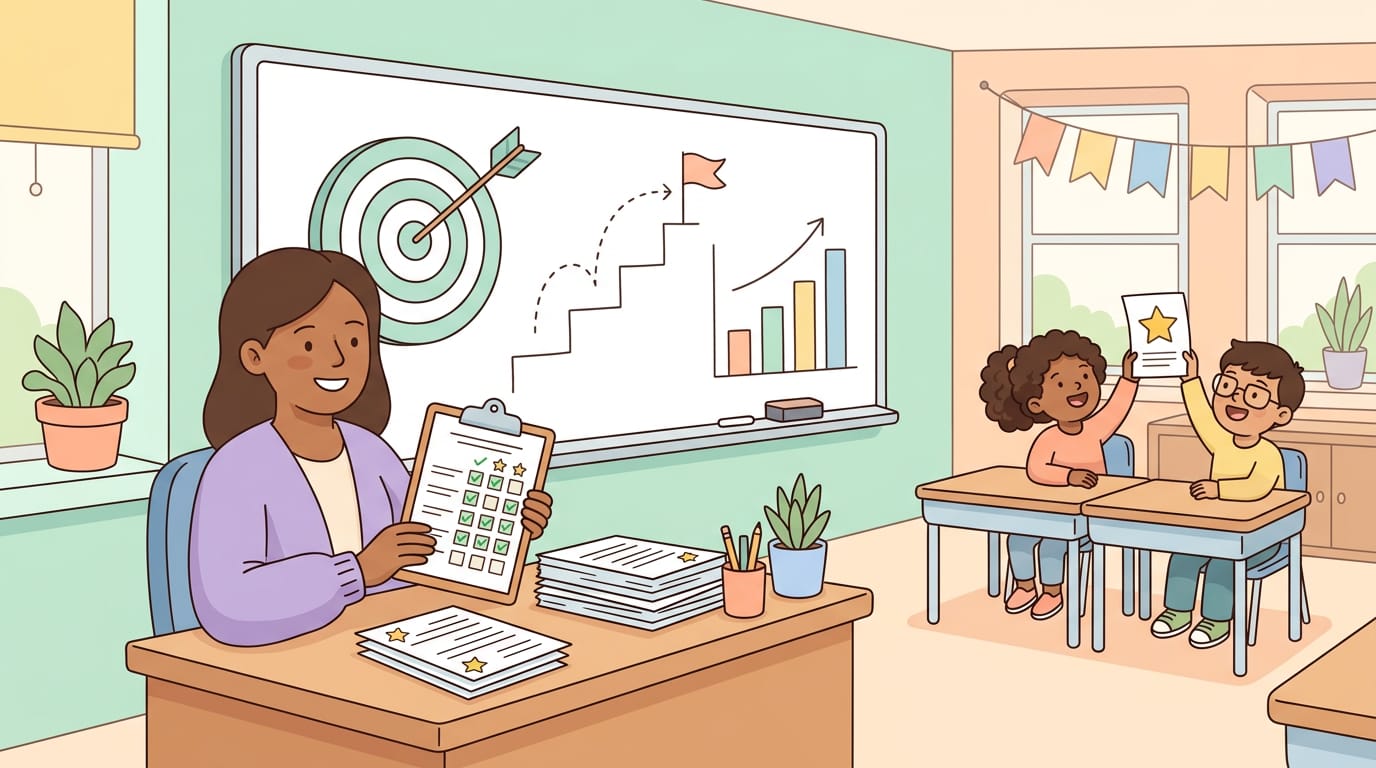
Pause after a unit or a parent conference and ask what happened. This is the reflect-and-improve cycle:
Assess experiences and outcomes. Did the lesson land? Did the routine save time?
Identify strengths and gaps. Be honest about both.
Align with industry standards. Compare your practice to your field's professional standards.
Keep learning and adapting. Try, watch, and adjust.
Don't judge yourself. Improve what you do next.
What is the purpose of professional practice?
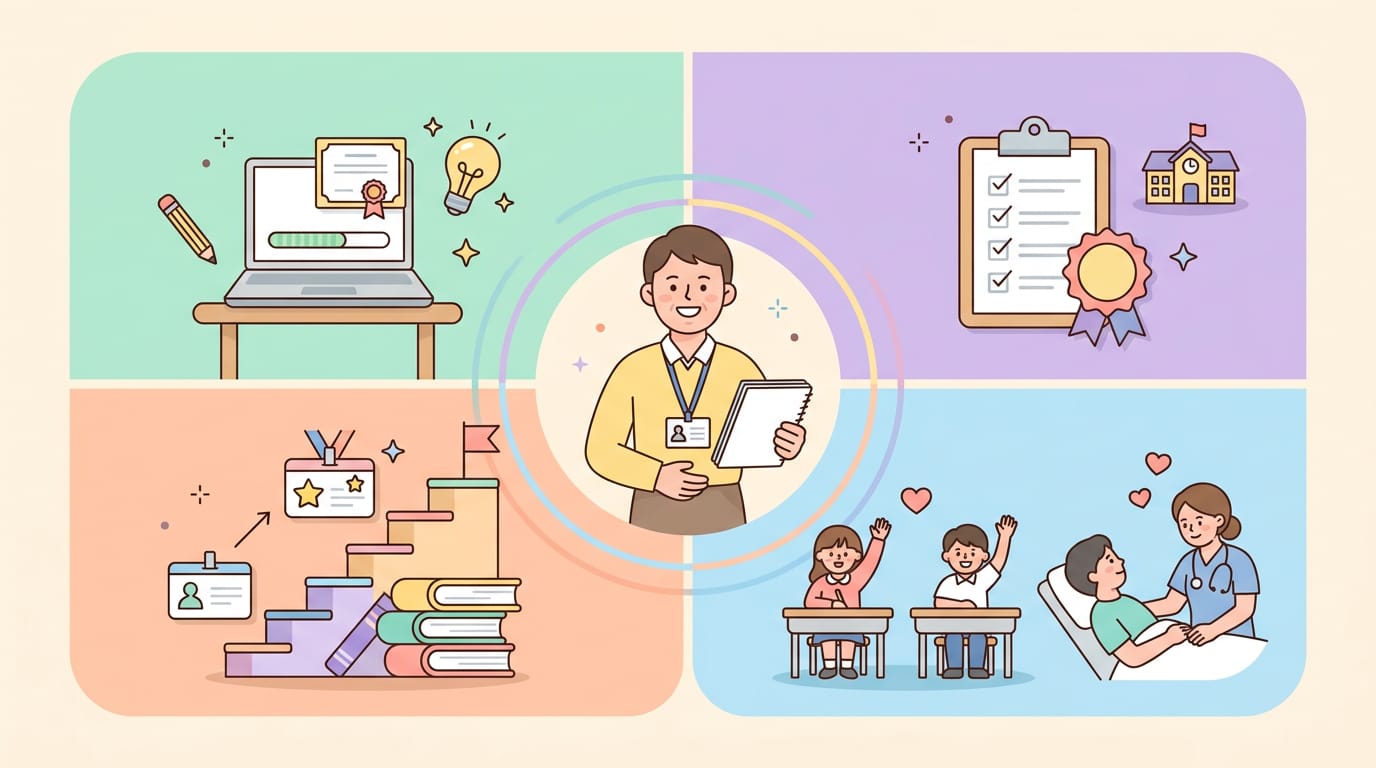
Professional practice serves four main purposes, and we'll cover each one:
Remain competent and effective. Current skills keep your teaching and leadership sharp.
Regulatory compliance. Following the rules set by your school, district, or licensing body keeps you accountable.
Career growth. Steady reflection and learning open doors to new roles and leadership.
Better patient care. Patients in clinics and students in classrooms both benefit.
Everyday Habits That Show Professionalism
Professionalism shows up in small, repeated habits that colleagues and families notice. Here's what those habits look like.
Keeping a positive, can-do attitude
A can-do attitude is a problem-solving habit: look for a workable next step instead of a reason to stop. When a projector dies before a parent conference, the teacher who says "Let's use the whiteboard" keeps the meeting on track.
Turn complaints into requests. "Could we get schedule changes in writing by Friday?" works better than "Nobody tells us anything." A calm tone and a smile signal control, even on a hard day.
Composure under pressure is less about never feeling stressed and more about how you respond. Steady wins.
Communicating clearly and respectfully
Clarity starts with cutting filler words like "um," "like," and "basically." Say the point once and let it land.
Professional, personalised emails name the recipient and state why you're writing. "Hi Dana, could you send the reading scores by Thursday so we can plan Monday's groups?" gets a faster reply than "Need the scores."
A firm handshake and steady eye contact signal confidence at a parent conference. Acknowledge people by name and thank them for their time: "Thanks for covering the reading group" tells a colleague their work was seen.
Respecting people and keeping boundaries
Listening starts with acknowledgement. Before you respond, summarize what you heard: "So the field trip forms are due Monday?" That quick check prevents a second round of confusion.
Handle confidentiality with care. Student records and personal matters belong only with the people who need them. When two colleagues disagree, stay calm and neutral. Your job is to help the group decide, not to pick a winner.
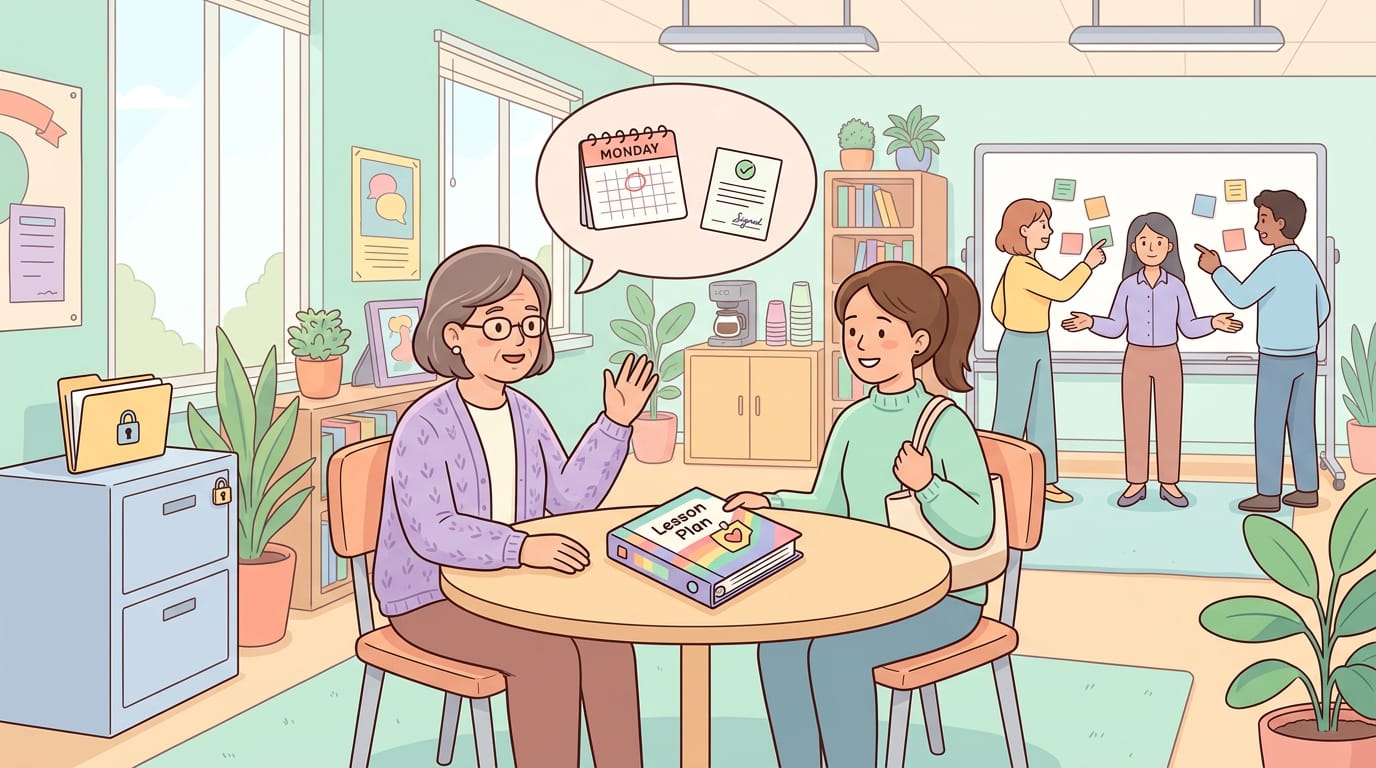
Offer help before it's requested. A shared lesson plan can make a new teacher feel welcome in week one.
Owning mistakes and adapting quickly
Admit mistakes quickly. If you send the wrong grade report, say so, fix it, and explain the change. Use feedback to improve: after a peer observation, try one suggestion in your next lesson.
Bring solutions, not just problems: "Here are two options for the bell schedule, and we'd recommend the second" beats "The bell schedule is broken."
Stay composed with surprises, like a canceled substitute or a fire drill during a test. Composure keeps the day moving.
Looking the part and staying on time
Reliability starts with the details people notice first:
Dress for your desired career. Dress one step up from everyday norms if you want a leadership role.
First impressions. Greet families and visitors warmly and look prepared.
Arrive on time. Walking in early tells the group you respect their time.
Meet deadlines. Submit attendance reports and lesson plans when they're due, or say so early.
Avoid phone distractions. A glance at your screen tells the other person they're not the priority.

Why consistent routines build trust
Keep the same procedures and tone every day, and nobody has to guess how things work. Consistency builds trust. People rely on what they can predict, and a teacher whose tone stays steady from Monday to Friday is someone students can count on.
When the same rules apply to everyone, no one feels singled out, and classrooms feel safe enough for students to take risks.
Shared routines also reduce staff stress: a substitute who finds the same sign-in sheet in every room can step in without a scramble. Less scrambling. More teaching.
Reflecting and Improving over Time
Professional practice grows when you look honestly at your work, decide what to change, and check whether it worked.
The core steps of reflection
Consider a fourth-grade teacher whose reading groups keep stalling. She works through the cycle like this:
Self-assessment: She reviews recent lessons and notes where students got stuck.
Seeking feedback: A colleague observes one group and shares what they notice.
Goal setting: She sets a target: every group masters the skill by the end of the unit.
Action plan: She picks a strategy, a schedule, and a way to track results.
Review and reflection: Her portfolio of plans, student work, and evaluation notes shows whether the change worked, not just whether it felt right.
Teacher reflection journal prompts: A weekly log asks questions like "What surprised me?" and "What would I change next time?"
Her groups start moving forward together, because she's now targeting the students who are stuck.
Key ideas and tools to know
Five ideas and tools hold this cycle together:
Reflective practice: examining your own teaching on purpose.
Professional development: learning that keeps your skills current.
Continuous improvement: small, steady adjustments instead of one big overhaul.
Mentorship: a guiding relationship with an experienced colleague.
SWOT analysis (short for Strengths, Weaknesses, Opportunities, and Threats): a quick way to sort your practice into four areas.
Keep learning throughout your career
Your first years are the time to build habits you'll rely on later. Ask questions freely, since nobody expects you to have it all figured out. Read daily in your field, and take courses when a skill needs sharpening. The step from training to your first classroom is a career transition worth preparing for.
Then seek guidance from a veteran colleague, and ask what they'd try in your place. Growth is less about finishing your training and more about staying curious. The learning never stops.
How Leaders and Teams Shape the Culture
Professional standards and codes of conduct set expectations, but culture decides whether they stick. Here's how leaders and teams build it, and where you fit in.
How leaders set the example
Leaders set the example first, and staff notice what they do more than what they say. Professional practice isn't about rank: in the strongest cultures, the most senior person still learns alongside the newest teacher.
Culture is built daily, not in a single workshop. It grows in small moments, like a quick check-in after a lesson.
Every team member contributes. Consider a teacher who asks a colleague to watch one lesson and share a single tip. Both leave with something usable by Monday.
SPARK training to keep teams aligned
The SPARK Programme keeps teams aligned with shared language, through its strands and core competencies. Training sticks when communication is clear and policies and protocols are easy to find. A calm staff briefing beats a long email nobody reads.
The real test is everyday excellence: less about what the training says and more about how we act when the week gets busy.
How front-line staff set the tone
Receptionists set the tone. A parent walking into a busy front office who gets a warm greeting and clear directions has already seen professional practice in action. Trust starts at the door.
First impressions of practice form fast, usually through a calm phone call or a prompt reply, and they tell visitors what the school values.
Shared commitment means everyone owns those signals. When teachers, support staff, and office teams work off the same hymn sheet, a new hire hears one message from day one.

Applying These Ideas Across Roles and Sectors
Professional practice looks different in a clinic or a classroom, but we see the same standards and reflect-and-improve cycle at work in each.
Practice in healthcare and community services
In general practice, a nurse, a doctor, and a practice manager share patient care under Australian health standards.
When follow-up calls keep slipping, quality improvement follows the same cycle: review, change one step, then check. The cycle only works when it closes.
Compassion and competence aren't a trade-off. Good care needs both: how you treat people and what you do for them.
Ethical dilemmas are harder. When a patient's wishes clash with a standard, practitioners reason through it step by step.
Who these standards apply to
Practitioners and managers: Frontline staff use the standards daily; managers make time for reflection.
Educators and trainers: Teachers and trainers model the cycle, making reflection a habit, not an afterthought.
Human resources (HR) and quality assurance: These teams turn standards into hiring criteria and audit checks.
Community services workers: Support workers often work alone, so clear standards guide their judgment.
Other settings and where to learn more
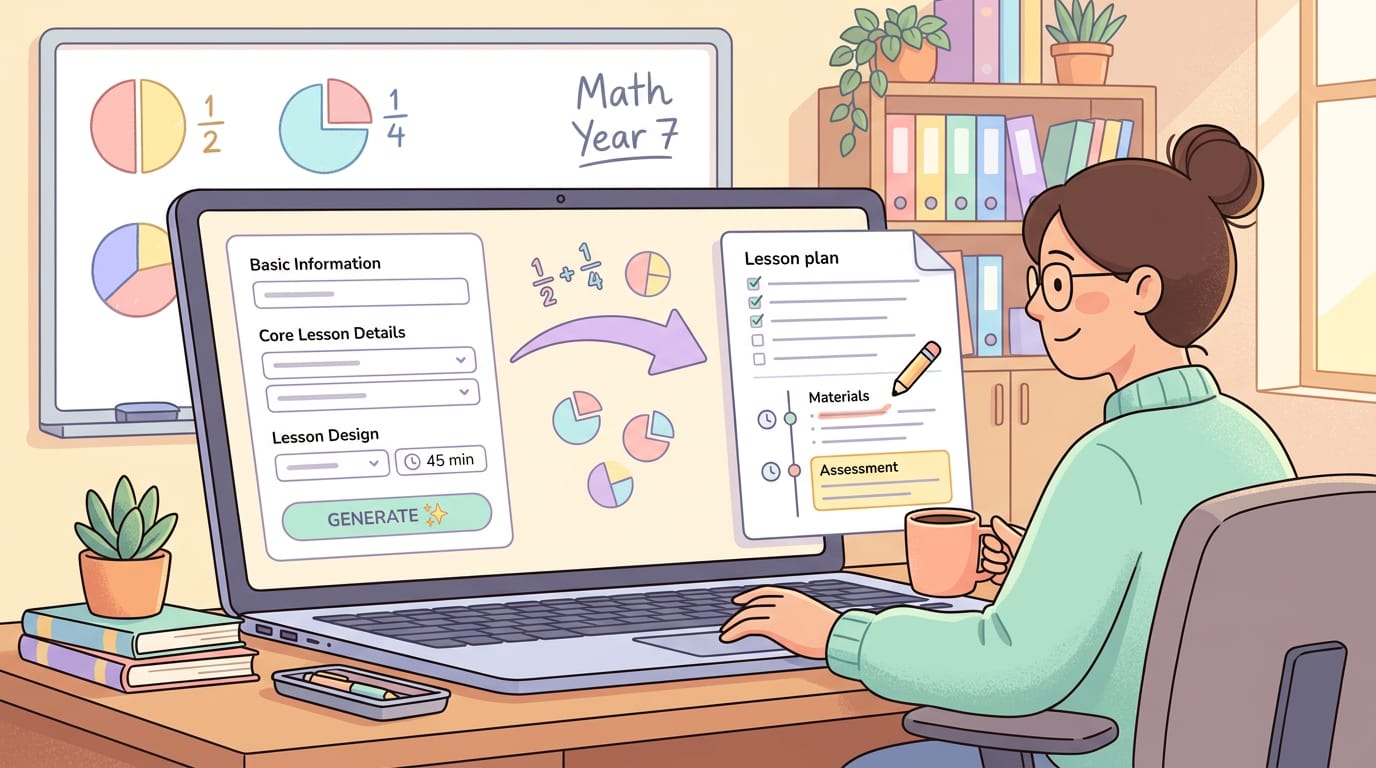
Sports coaches and family support workers use the same cycle to review their work. In schools, professional practice guides how teachers plan and share feedback. Consider a Year 7 teacher whose class keeps misreading one instruction.
She reflects on her wording, rewrites it, and checks the next task. The payoff: fewer students stuck before they start.
For regulated health roles, start with AHPRA (the Australian Health Practitioner Regulation Agency). For national health and welfare data, see AIHW (the Australian Institute of Health and Welfare).
When choosing a course, look for training providers that assess reflection, not just attendance.
Professional practice comes down to consistent habits, shared standards, and the willingness to look honestly at your work and improve it.
When those pieces come together, students benefit, colleagues learn from one another, and the school becomes a place where growth is expected.
Ready to put these ideas into action? Check out our School Leadership & Management posts for practical ways to lead this work in your own school.
Ultimate Teacher Planner
The ultimate all-in-one education management system in Notion.