
Online Middle Schools: 7 Factors to Compare Before Enrolling
Online Middle Schools: 7 Factors to Compare Before Enrolling

Article by
Milo
ESL Content Coordinator & Educator
ESL Content Coordinator & Educator
All Posts
Ultimate Teacher Planner
The ultimate all-in-one education management system in Notion.
Learn More
Ultimate Teacher Planner
The ultimate all-in-one education management system in Notion.
Learn More
Table of Contents
A full-time online middle school can work when the program fits the student, family schedule, and state rules. Offerings vary widely, so compare several schools against the same checklist and verify key claims before enrolling.
This guide covers seven factors for a grade 6 to 8 student. Use it to prepare questions, not as a substitute for a school's pages or your state education department website.
How to use this guide
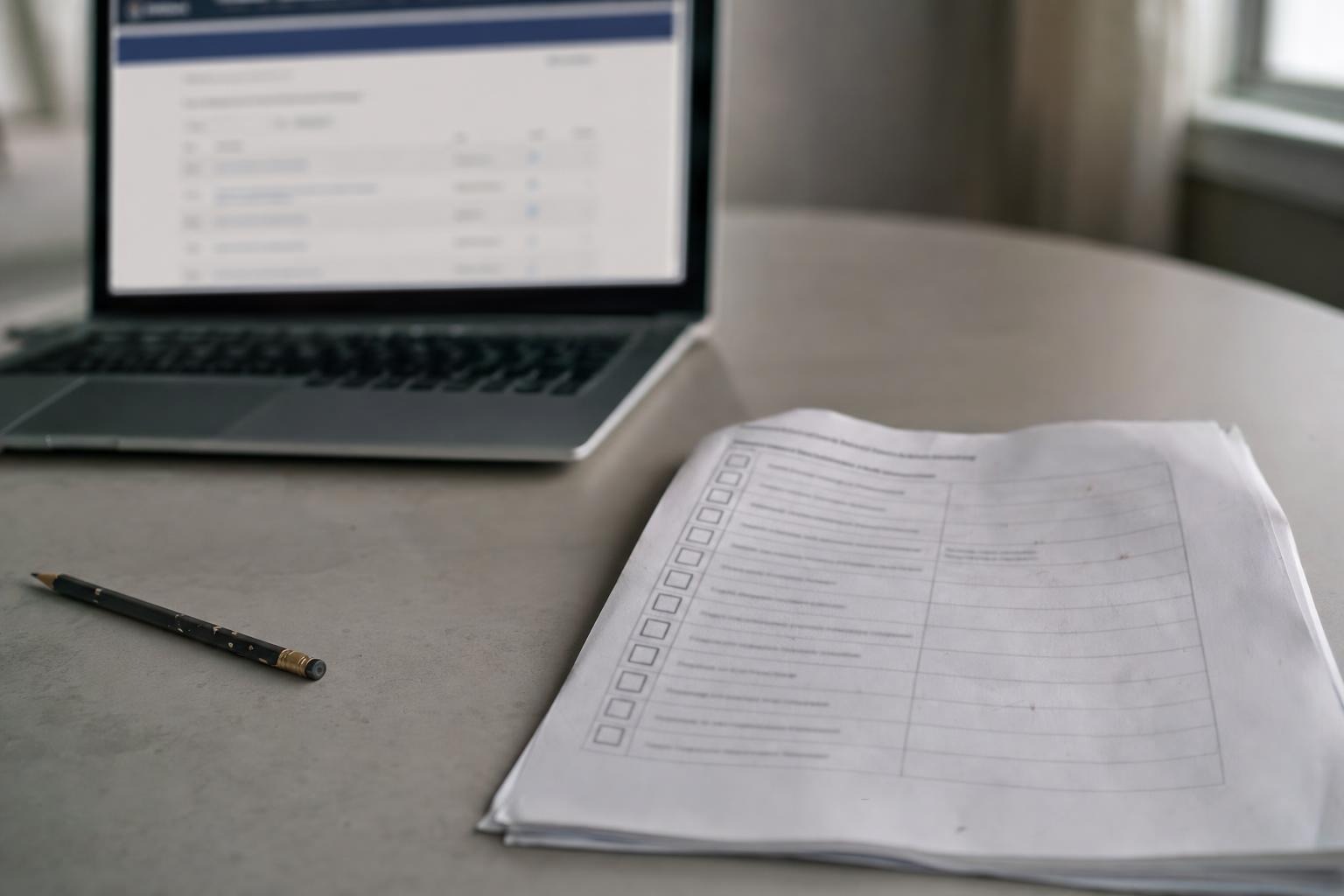
Create a comparison board with one row per school and columns for the seven factors below. Fill cells only with sourced information. Blank cells become your question list.
Factor 1: Accreditation and state recognition
The U.S. Department of Education does not accredit individual public or private elementary and secondary schools, so an ED reference alone does not confirm quality. Verify two points: whether the school holds legitimate K-12 accreditation from a reputable accreditor and whether it is recognized to operate in your state.
How to verify: Check the school's stated accreditor on the accreditor's own website, not only on the school's marketing page. Then check your state education department's list of approved or recognized online and private schools. For public options, confirm that the program meets state standards.
Factor 2: Public vs. private, costs, and obligations
Public virtual programs are generally tuition-free for eligible students and must meet state standards; private programs charge tuition and set their own policies. Florida Virtual School Full Time is a fully accredited, tuition-free K-12 public online school open to Florida students. Connections Academy states that its public online school is tuition-free and funded by state tax dollars, though incidental costs may apply.
How to verify: Confirm whether the program is public or private, then ask what is included, such as materials, platform access, equipment, and internet support. In Florida, districts must provide equipment and internet access to qualifying full-time virtual students who lack home access. Rules differ elsewhere.
Factor 3: Instructional model and scheduling
Online programs usually use synchronous live classes, asynchronous self-paced lessons, or a blended format. The right fit depends on your student's independence, family schedule, and time zone.
Confirm required live hours and attendance rules. Florida requires virtual students to regularly log in and complete lessons, assignments, and tests to stay on pace. Ask how absences are handled.
Fusion Academy shows why scheduling details matter. Its online offering describes one-to-one live classes with a broad daily scheduling window, which may suit students who need flexibility. For a provider-authored overview of one-to-one instruction, flexible live scheduling, and online clubs, read its resource on online middle schools as background. Treat it as context from one provider, not an independent ranking.
How to verify: Request a sample weekly schedule and confirm the attendance policy in writing.

Factor 4: Teacher qualifications, class size, and advising
Teacher certification rules vary by state and sector. In Florida, teachers in public virtual programs must hold valid Florida teaching certificates in the appropriate subject areas. Pennsylvania requires at least 75% of a charter school's professional staff to hold appropriate state certification. Private schools set their own hiring standards.
Also ask about class size, one-to-one instruction, and counselor access. The American School Counselor Association recommends a 250:1 student-to-school-counselor ratio, while the 2023 to 2024 national average is 376:1.
How to verify: Ask for teacher credentials, typical class size, and counselor caseloads.
Factor 5: Curriculum, pacing, and workload
Confirm that the curriculum aligns with state standards. Florida's public virtual curriculum and courses, for example, are required to meet state standards. Ask how the program assesses learning and sets pace.
A workload benchmark helps. One online public-school provider notes a middle school schedule of at least 30 hours per week, with Learning Coaches often spending about 2 to 3 hours a day supporting students.
How to verify: Ask about electives, world languages, high-school-credit courses, and weekly time expectations.
Factor 6: Student support, special education, and social life
For public virtual schools, obligations under the Individuals with Disabilities Education Act and Section 504 apply. In Florida, public virtual programs must make opportunities available without disability discrimination and provide services in conformity with IDEA. Private schools' obligations differ.
How to verify: If your child has an Individualized Education Program or 504 plan, ask exactly how services such as speech or occupational therapy are delivered online and how the school coordinates with your district. For private programs, ask what support is formally guaranteed.
Ask about clubs, events, peer interaction, and advisory groups so your student stays connected.
Factor 7: Technology, privacy, and safety
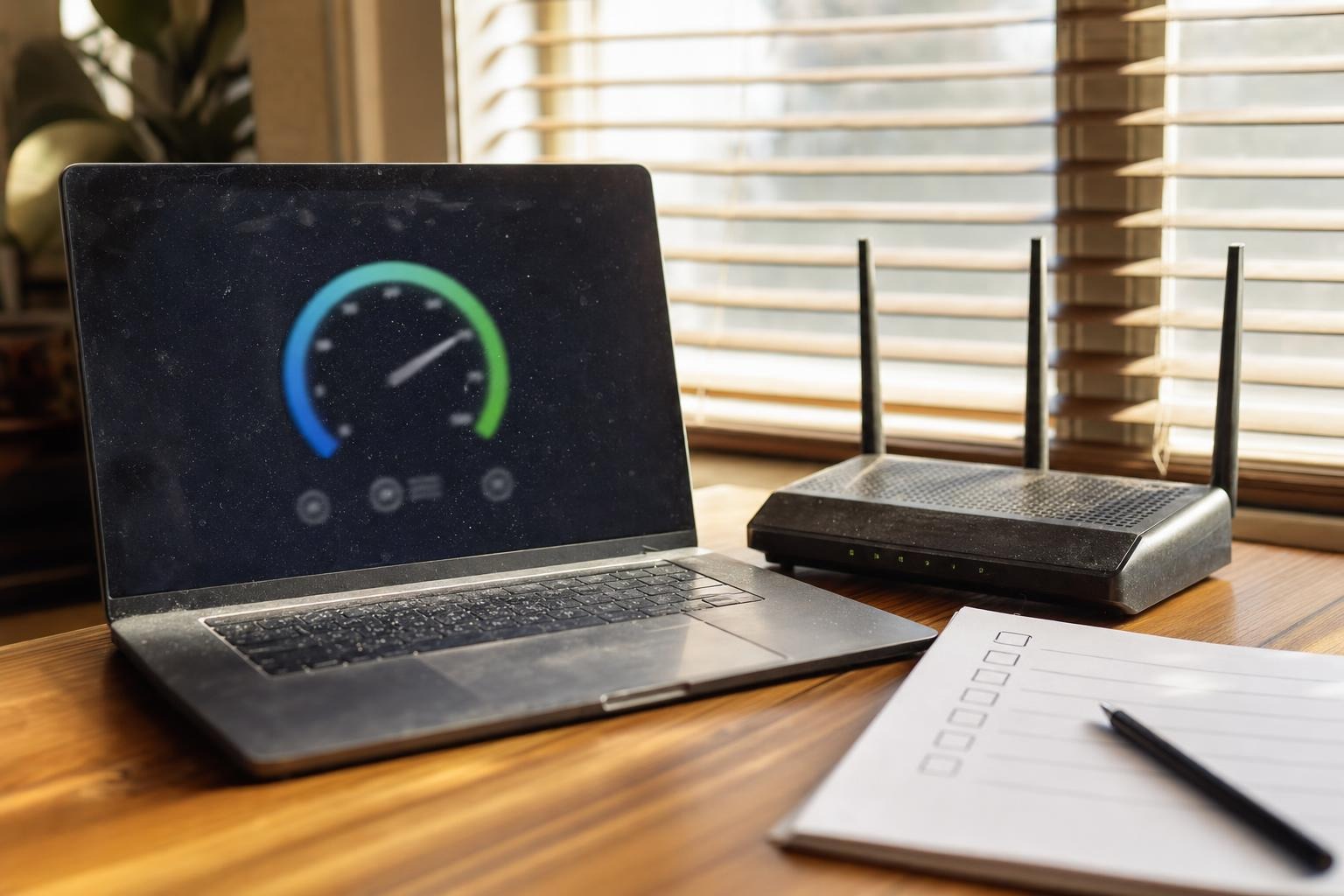
Plan for reliable broadband. In 2024, the Federal Communications Commission increased the fixed broadband benchmark from 25/3 Mbps to 100/20 Mbps, so use 100/20 as a planning target. Confirm device, browser, webcam, and platform requirements.
On privacy, the Children's Online Privacy Protection Act requires parental notice and verifiable consent before collecting, using, or disclosing personal information from children under 13. The Family Educational Rights and Privacy Act governs education records. Ask the school how it handles both.
How to shortlist and decide
Once your board is filled in, work through this sequence, and for state-recognition questions, compare accredited online options with your state education department's page before enrolling:
Eliminate any option without clear K-12 accreditation and state recognition.
Sort by live-time fit, time zone, and attendance rules.
Compare teacher credentials, class size, and counselor access.
Score curriculum fit and weekly workload.
Confirm supports, including IEP or 504 services or the private equivalent.
Check technology, privacy, and your connectivity plan.
Attend a trial class or information session if one is available.
Frequently asked questions
Are public online schools really free?
Usually for eligible in-state students, but confirm materials, equipment, and incidental costs.
How do I check accreditation safely?
Verify the accreditor on its own site, then confirm state recognition with your state education department.
What if my child has an IEP?
Public virtual programs must provide services in conformity with IDEA. Private schools' obligations differ.
A full-time online middle school can work when the program fits the student, family schedule, and state rules. Offerings vary widely, so compare several schools against the same checklist and verify key claims before enrolling.
This guide covers seven factors for a grade 6 to 8 student. Use it to prepare questions, not as a substitute for a school's pages or your state education department website.
How to use this guide
Create a comparison board with one row per school and columns for the seven factors below. Fill cells only with sourced information. Blank cells become your question list.
Factor 1: Accreditation and state recognition
The U.S. Department of Education does not accredit individual public or private elementary and secondary schools, so an ED reference alone does not confirm quality. Verify two points: whether the school holds legitimate K-12 accreditation from a reputable accreditor and whether it is recognized to operate in your state.
How to verify: Check the school's stated accreditor on the accreditor's own website, not only on the school's marketing page. Then check your state education department's list of approved or recognized online and private schools. For public options, confirm that the program meets state standards.
Factor 2: Public vs. private, costs, and obligations
Public virtual programs are generally tuition-free for eligible students and must meet state standards; private programs charge tuition and set their own policies. Florida Virtual School Full Time is a fully accredited, tuition-free K-12 public online school open to Florida students. Connections Academy states that its public online school is tuition-free and funded by state tax dollars, though incidental costs may apply.
How to verify: Confirm whether the program is public or private, then ask what is included, such as materials, platform access, equipment, and internet support. In Florida, districts must provide equipment and internet access to qualifying full-time virtual students who lack home access. Rules differ elsewhere.
Factor 3: Instructional model and scheduling
Online programs usually use synchronous live classes, asynchronous self-paced lessons, or a blended format. The right fit depends on your student's independence, family schedule, and time zone.
Confirm required live hours and attendance rules. Florida requires virtual students to regularly log in and complete lessons, assignments, and tests to stay on pace. Ask how absences are handled.
Fusion Academy shows why scheduling details matter. Its online offering describes one-to-one live classes with a broad daily scheduling window, which may suit students who need flexibility. For a provider-authored overview of one-to-one instruction, flexible live scheduling, and online clubs, read its resource on online middle schools as background. Treat it as context from one provider, not an independent ranking.
How to verify: Request a sample weekly schedule and confirm the attendance policy in writing.
Factor 4: Teacher qualifications, class size, and advising
Teacher certification rules vary by state and sector. In Florida, teachers in public virtual programs must hold valid Florida teaching certificates in the appropriate subject areas. Pennsylvania requires at least 75% of a charter school's professional staff to hold appropriate state certification. Private schools set their own hiring standards.
Also ask about class size, one-to-one instruction, and counselor access. The American School Counselor Association recommends a 250:1 student-to-school-counselor ratio, while the 2023 to 2024 national average is 376:1.
How to verify: Ask for teacher credentials, typical class size, and counselor caseloads.
Factor 5: Curriculum, pacing, and workload
Confirm that the curriculum aligns with state standards. Florida's public virtual curriculum and courses, for example, are required to meet state standards. Ask how the program assesses learning and sets pace.
A workload benchmark helps. One online public-school provider notes a middle school schedule of at least 30 hours per week, with Learning Coaches often spending about 2 to 3 hours a day supporting students.
How to verify: Ask about electives, world languages, high-school-credit courses, and weekly time expectations.
Factor 6: Student support, special education, and social life
For public virtual schools, obligations under the Individuals with Disabilities Education Act and Section 504 apply. In Florida, public virtual programs must make opportunities available without disability discrimination and provide services in conformity with IDEA. Private schools' obligations differ.
How to verify: If your child has an Individualized Education Program or 504 plan, ask exactly how services such as speech or occupational therapy are delivered online and how the school coordinates with your district. For private programs, ask what support is formally guaranteed.
Ask about clubs, events, peer interaction, and advisory groups so your student stays connected.
Factor 7: Technology, privacy, and safety
Plan for reliable broadband. In 2024, the Federal Communications Commission increased the fixed broadband benchmark from 25/3 Mbps to 100/20 Mbps, so use 100/20 as a planning target. Confirm device, browser, webcam, and platform requirements.
On privacy, the Children's Online Privacy Protection Act requires parental notice and verifiable consent before collecting, using, or disclosing personal information from children under 13. The Family Educational Rights and Privacy Act governs education records. Ask the school how it handles both.
How to shortlist and decide
Once your board is filled in, work through this sequence, and for state-recognition questions, compare accredited online options with your state education department's page before enrolling:
Eliminate any option without clear K-12 accreditation and state recognition.
Sort by live-time fit, time zone, and attendance rules.
Compare teacher credentials, class size, and counselor access.
Score curriculum fit and weekly workload.
Confirm supports, including IEP or 504 services or the private equivalent.
Check technology, privacy, and your connectivity plan.
Attend a trial class or information session if one is available.
Frequently asked questions
Are public online schools really free?
Usually for eligible in-state students, but confirm materials, equipment, and incidental costs.
How do I check accreditation safely?
Verify the accreditor on its own site, then confirm state recognition with your state education department.
What if my child has an IEP?
Public virtual programs must provide services in conformity with IDEA. Private schools' obligations differ.
Ultimate Teacher Planner
The ultimate all-in-one education management system in Notion.
Learn More
Ultimate Teacher Planner
The ultimate all-in-one education management system in Notion.
Learn More



Notion4Teachers
Notion templates to simplify administrative tasks and enhance your teaching experience.



2026 Notion4Teachers. All Rights Reserved.
Notion4Teachers
Notion templates to simplify administrative tasks and enhance your teaching experience.
2026 Notion4Teachers. All Rights Reserved.
Notion4Teachers
Notion templates to simplify administrative tasks and enhance your teaching experience.
2026 Notion4Teachers. All Rights Reserved.