
Why Preventive School Building Maintenance Supports Better Learning
Why Preventive School Building Maintenance Supports Better Learning

Article by
Milo
ESL Content Coordinator & Educator
ESL Content Coordinator & Educator
All Posts
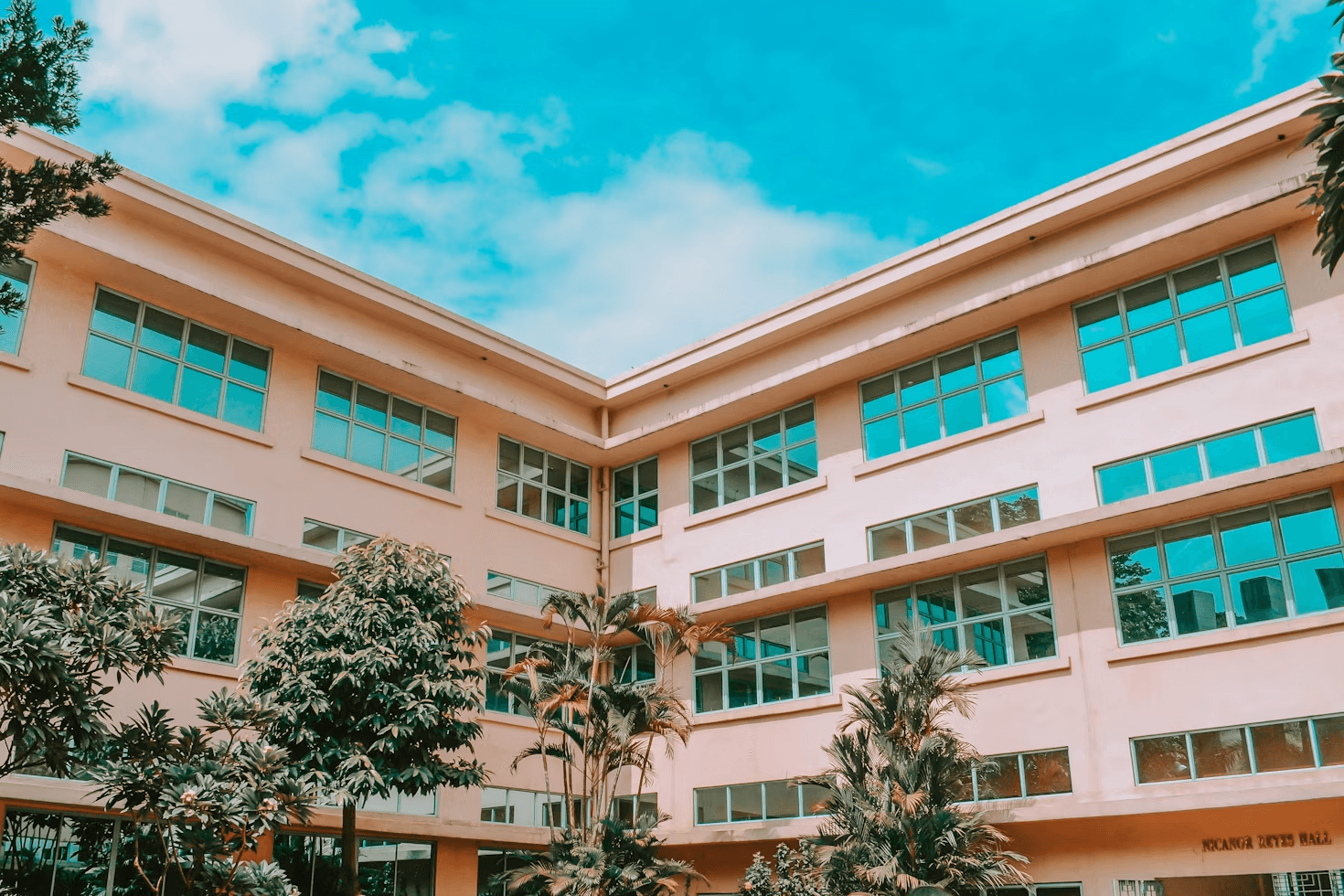
School buildings are more than containers for classrooms. They are active environments that shape how students learn, how teachers teach, and how communities invest in education. When a roof leaks, ventilation fails, or maintenance is deferred, the consequences extend far beyond repair costs. They reach into the classroom, where poor indoor air quality, uncomfortable temperatures, and visible decay reduce concentration, increase absenteeism, and undermine academic performance.
Preventive maintenance the systematic inspection, servicing, and repair of building systems before they fail is one of the most cost-effective investments a school district can make. Research consistently shows that well-maintained facilities produce better educational outcomes, healthier students, and more effective teachers. Understanding why this connection exists, and what specific building systems matter most, is essential for administrators, school boards, and communities committed to educational excellence.
Still grading everything by hand?
EMStudio is a free teaching management app — manage your classes, students, lessons, and more!
Learn More
Still grading everything by hand?
EMStudio is a free teaching management app — manage your classes, students, lessons, and more!
Learn More
Table of Contents
How Building Conditions Directly Affect Student Learning
The evidence linking school facilities to academic performance is robust and growing. According to the Texas Association of School Boards, schools without major maintenance backlogs have a higher average daily attendance of 4 to 5 students per 1,000. They also have an annual dropout rate that is lower by 10 to 13 students per 1,000. Test scores improve as building conditions improve, with studies showing gains of 3 to 17 percent. The Environmental Protection Agency confirms that health, attendance, and academic performance all improve with increased maintenance and better indoor environmental quality.
The mechanism is not mysterious. Children are more vulnerable to environmental hazards than adults. For their size, they breathe more air, their immune systems are still developing, and they spend more time indoors during critical developmental years. When school buildings have poor ventilation, moisture damage, or inadequate temperature control, students experience headaches, fatigue, respiratory irritation, and difficulty concentrating. These symptoms translate directly into reduced cognitive performance, lower test scores, and higher absenteeism.
A 2025 scoping review published in the International Journal of Environmental Research and Public Health found that poor indoor air quality in schools is linked to respiratory effects including wheeze, rhinitis, asthma, and pneumonia. Non-respiratory effects include skin and eye irritation, developmental delays, and reduced cognitive performance. The review identified inadequate ventilation rates and moisture damage as primary drivers of these health impacts. Importantly, the evidence shows that indoor air pollution at school age is associated with difficulty sleeping and reduced cognitive performance outcomes that directly undermine the purpose of education.
Why the Roof and Building Envelope Matter Most
The roof is the most critical building system for protecting indoor environmental quality. It is the first defense against rain, wind, and temperature extremes. When a roof fails, water enters the building envelope, creating the moisture conditions that support mold growth, rot, and structural decay. A leaking roof does not just damage ceiling tiles. It compromises air quality, triggers asthma, and creates the visible signs of neglect that signal to students, teachers, and parents that the institution does not prioritize their well-being.
The EPA identifies moisture and mold as primary indoor air quality concerns in schools. According to the EPA’s research on student performance, maintenance issues have been directly associated with asthma symptoms and allergies. Schools with better physical conditions show improved academic performance, while schools with fewer janitorial staff and higher maintenance backlogs show poorer academic performance. The message is clear: deferred maintenance is not a budget strategy. It is a liability that compounds into health costs, lost instructional time, and reduced educational outcomes.
The building envelope walls, windows, doors, and foundations plays a supporting role. Air leaks around windows and doors allow outdoor pollutants, pollen, and temperature extremes to enter classrooms. Poorly sealed buildings require HVAC systems to work harder, increasing energy costs while still failing to maintain comfortable learning conditions. Inadequate insulation creates temperature stratification, where some students are too hot and others too cold, both of which reduce concentration and engagement.
What Roofing Contractors See When Schools Delay Maintenance
The gap between preventive maintenance and emergency repair is where roofing contractors operate. They see the consequences of deferred investment: roofs that have been patched repeatedly instead of replaced, gutters that have not been cleaned in years, and ventilation systems that have failed silently while energy costs climb. These failures do not happen overnight. They are the result of years of small problems compounding into large ones.
“We work with schools and commercial properties across Contra Costa and Alameda counties, and the pattern is consistent,” said Edgar Franco, owner of Quality Roofing Services, a roofing contractor serving residential and commercial clients in Alameda, CA. “A school district calls us after a storm because water is coming through the ceiling into a classroom. When we inspect the roof, we find the real problem started years earlier: shingle granules washing into the gutters, flashing that separated from the wall, or a ventilation system that was never properly maintained. The storm did not cause the failure. It exposed what was already happening. By that point, what could have been a $3,000 maintenance program has become a $30,000 emergency repair, plus the cost of replacing damaged interior finishes, plus the lost instructional days while the classroom is unusable. We always recommend that schools treat roof maintenance as a scheduled priority, not a reaction to leaks. A well-maintained roof protects the building, the budget, and most importantly, the students inside.”
Franco notes that proper roof ventilation is particularly important for schools. Inadequate ventilation traps heat and moisture in attic spaces, accelerating shingle deterioration and creating conditions for mold growth. A well-designed ventilation system allows warm, humid air to escape through continuous ridge vents while drawing in replacement air through soffit vents. This airflow reduces moisture content in wooden building materials, controls attic temperature, and extends the life of the roofing system. For schools operating on tight budgets, extending roof life by even five years represents high avoided cost.
The Connection Between Indoor Air Quality and Cognitive Performance
The scientific evidence on indoor air quality and student performance has become increasingly robust. Research reviewed by the EPA found that higher outdoor ventilation rates in classrooms are linked to higher scores on standardized tests in math and reading. Improved indoor air quality, achieved through removing pollution sources or increasing ventilation, is linked to faster and improved children’s performance on mental tasks. Control of temperature and relative humidity to keep students in a comfort zone has the most positive impact on concentration and recall.
Poor physical condition of buildings is linked to higher absenteeism and dropout rates. A survey of teachers found that poor indoor air quality was the most frequently cited problem affecting teaching quality. When teachers are distracted by stuffy classrooms, fluctuating temperatures, or musty odors, their ability to deliver instruction suffers. When students are absent due to respiratory illness triggered by mold or inadequate ventilation, they miss instruction that cannot be fully recovered.
The health impacts are measurable. Exposure to volatile organic compounds, particulate matter, and biological pollutants in schools has been associated with asthma-related symptoms, allergic rhinitis, and respiratory infections. Children with asthma miss more school days, perform worse academically, and experience lower quality of life. Since asthma is the leading cause of school absenteeism due to chronic illness, controlling the indoor environmental triggers moisture, mold, dust, and inadequate ventilation is a direct strategy for improving attendance and achievement.
The Financial Case for Preventive Maintenance
School districts often face difficult budget choices, and preventive maintenance can seem like an easy target for cuts. But the financial case for proactive investment is compelling. Deferred maintenance does not eliminate costs. It transfers them, often with interest, to future budgets in the form of emergency repairs, premature system replacement, health costs, and lost instructional time.
A study on school plant maintenance practices found a strong and significant positive relationship between preventive maintenance and teacher effectiveness. Schools that systematically inspect, service, and repair facilities before problems arise create more conducive learning environments. Teachers can perform without interruptions caused by faulty facilities. Students can learn without the distractions of uncomfortable or unhealthy conditions. The finding aligns with broader research showing that well-maintained facilities support both educational outcomes and staff retention.
The return on investment for preventive maintenance extends beyond the building itself. Energy-efficient HVAC systems, properly sealed building envelopes, and well-maintained roofs reduce utility costs. Schools without maintenance backlogs spend less on emergency repairs and retain building systems longer. The savings can be redirected to instructional priorities: teacher salaries, curriculum materials, and student support services.
From a district standpoint, the goal is to create an environment where teachers can teach to the best of their ability, and students can learn to the best of theirs. Buildings should not hinder those things. A dirty building or a building that has not been properly maintained negatively impacts student performance regardless of the facility’s age. An older building that has been updated and maintained well can still meet the needs of today’s students. The key is not the age of the building. It is the quality of the maintenance.
A Practical Preventive Maintenance Framework for Schools
Effective school building maintenance does not require unlimited budgets. It requires disciplined planning, consistent execution, and a shift from reactive to proactive management. Here is a practical framework for aligning building maintenance with educational outcomes:
Conduct annual roof inspections by qualified roofing contractors. Identify damaged shingles, separated flashing, clogged drains, and ventilation deficiencies before they cause interior damage.
Implement a scheduled gutter and drainage maintenance program. Clean gutters twice yearly and ensure downspouts direct water away from foundations. Clogged drainage is a leading cause of roof and wall moisture intrusion.
Evaluate and maintain HVAC systems on a seasonal schedule. Replace filters, inspect ductwork, verify ventilation rates, and ensure temperature and humidity controls are functioning. The EPA recommends maintaining relative humidity between 30 and 50 percent to prevent mold growth.
Inspect building envelopes for air leaks, damaged seals, and deteriorated caulking. Address window and door seals promptly to prevent energy loss and pollutant infiltration.
Monitor indoor air quality with CO2 sensors. Elevated CO2 levels indicate inadequate ventilation, which is directly linked to reduced cognitive performance and increased respiratory illness.
Address moisture and mold immediately. Any sign of water intrusion, stains, odors, or visible mold should trigger a rapid response including source identification, remediation, and preventive measures.
Document all maintenance activities. Create a centralized record of inspections, repairs, and system replacements. This data supports budget planning, warranty claims, and accountability.
Involve facilities staff in educational planning. Maintenance directors should have a voice in capital planning and bond program design to ensure building systems are adequately funded.
Communicate maintenance priorities to the community. Parents, teachers, and taxpayers need to understand that preventive maintenance is an educational investment, not an operational expense.
Plan for system lifecycle replacement. Roofs, HVAC systems, and building envelopes have finite lifespans. Budgeting for replacement before failure avoids emergency costs and service interruptions.
The Bottom Line: Maintenance Is an Educational Strategy
School buildings are educational tools. Their condition shapes the physical, cognitive, and emotional environment in which learning occurs. A leaking roof is not merely a facilities issue. It is a health hazard, a distraction, and a signal to students that their learning environment is not a priority. A well-maintained building, by contrast, supports concentration, reduces illness, and creates the stability that effective teaching requires.
The research is clear. Preventive maintenance improves indoor air quality, which improves health. Better health improves attendance. Better attendance improves achievement. Well-maintained facilities support teacher effectiveness, reduce emergency costs, and extend the useful life of building systems. For school districts facing tight budgets and high expectations, preventive maintenance is not a luxury. It is one of the most cost-effective educational investments available.
The districts that treat building maintenance as a core function rather than an afterthought consistently achieve better outcomes. They protect their students, their staff, and their budgets. In an era of rising educational standards and constrained resources, that advantage is significant. The message for administrators, school boards, and communities is straightforward: maintain the building, and the learning will follow.
Frequently Asked Questions About School Building Maintenance
How does school building maintenance affect student learning?
Well-maintained school buildings improve indoor air quality, temperature control, and physical comfort. Research shows that schools without major maintenance backlogs have 4 to 5 more students per 1,000 in average daily attendance, lower dropout rates by 10 to 13 students per 1,000, and test score improvements of 3 to 17 percent.
What is preventive maintenance in schools?
Preventive maintenance is the systematic inspection, servicing, and repair of building systems before they fail. It includes roof inspections, HVAC filter changes, gutter cleaning, envelope sealing, and moisture control, all scheduled proactively rather than reacting to emergencies.
How does poor indoor air quality affect students?
Poor indoor air quality is linked to respiratory illness, asthma, fatigue, headaches, and reduced cognitive performance. The EPA confirms that improved indoor air quality increases productivity and improves mental task performance, including concentration and recall.
Why is roof maintenance important for schools?
The roof is the primary defense against water intrusion. A leaking roof creates moisture damage, mold growth, and structural decay all of which compromise indoor air quality and trigger health problems. Emergency roof repairs cost significantly more than scheduled preventive maintenance.
What are the most common indoor air quality problems in schools?
The EPA identifies moisture and mold, low ventilation rates, radon, asthma triggers, and outdoor pollutants as the most common indoor air quality issues. Moisture damage from roof leaks is a primary contributor to mold and respiratory problems.
How often should school roofs be inspected?
School roofs should be inspected annually by qualified roofing contractors, with additional inspections after major storms. Gutters and drainage systems should be cleaned twice yearly.
What is the financial return on preventive maintenance?
Preventive maintenance reduces emergency repair costs, extends system lifespans, lowers energy bills, and avoids the health and attendance costs associated with poor building conditions. Research shows a strong positive relationship between preventive maintenance and teacher effectiveness.
How can school districts fund preventive maintenance?
Districts can fund preventive maintenance through operating budgets, capital improvement funds, bond programs, and energy savings performance contracts. Communicating the educational benefits of maintenance to taxpayers and boards helps secure sustained investment.
What role does building ventilation play in student health?
Proper ventilation reduces CO2 levels, removes pollutants, controls humidity, and limits airborne disease transmission. The EPA links higher ventilation rates to improved standardized test scores in math and reading.
How Building Conditions Directly Affect Student Learning
The evidence linking school facilities to academic performance is robust and growing. According to the Texas Association of School Boards, schools without major maintenance backlogs have a higher average daily attendance of 4 to 5 students per 1,000. They also have an annual dropout rate that is lower by 10 to 13 students per 1,000. Test scores improve as building conditions improve, with studies showing gains of 3 to 17 percent. The Environmental Protection Agency confirms that health, attendance, and academic performance all improve with increased maintenance and better indoor environmental quality.
The mechanism is not mysterious. Children are more vulnerable to environmental hazards than adults. For their size, they breathe more air, their immune systems are still developing, and they spend more time indoors during critical developmental years. When school buildings have poor ventilation, moisture damage, or inadequate temperature control, students experience headaches, fatigue, respiratory irritation, and difficulty concentrating. These symptoms translate directly into reduced cognitive performance, lower test scores, and higher absenteeism.
A 2025 scoping review published in the International Journal of Environmental Research and Public Health found that poor indoor air quality in schools is linked to respiratory effects including wheeze, rhinitis, asthma, and pneumonia. Non-respiratory effects include skin and eye irritation, developmental delays, and reduced cognitive performance. The review identified inadequate ventilation rates and moisture damage as primary drivers of these health impacts. Importantly, the evidence shows that indoor air pollution at school age is associated with difficulty sleeping and reduced cognitive performance outcomes that directly undermine the purpose of education.
Why the Roof and Building Envelope Matter Most
The roof is the most critical building system for protecting indoor environmental quality. It is the first defense against rain, wind, and temperature extremes. When a roof fails, water enters the building envelope, creating the moisture conditions that support mold growth, rot, and structural decay. A leaking roof does not just damage ceiling tiles. It compromises air quality, triggers asthma, and creates the visible signs of neglect that signal to students, teachers, and parents that the institution does not prioritize their well-being.
The EPA identifies moisture and mold as primary indoor air quality concerns in schools. According to the EPA’s research on student performance, maintenance issues have been directly associated with asthma symptoms and allergies. Schools with better physical conditions show improved academic performance, while schools with fewer janitorial staff and higher maintenance backlogs show poorer academic performance. The message is clear: deferred maintenance is not a budget strategy. It is a liability that compounds into health costs, lost instructional time, and reduced educational outcomes.
The building envelope walls, windows, doors, and foundations plays a supporting role. Air leaks around windows and doors allow outdoor pollutants, pollen, and temperature extremes to enter classrooms. Poorly sealed buildings require HVAC systems to work harder, increasing energy costs while still failing to maintain comfortable learning conditions. Inadequate insulation creates temperature stratification, where some students are too hot and others too cold, both of which reduce concentration and engagement.
What Roofing Contractors See When Schools Delay Maintenance
The gap between preventive maintenance and emergency repair is where roofing contractors operate. They see the consequences of deferred investment: roofs that have been patched repeatedly instead of replaced, gutters that have not been cleaned in years, and ventilation systems that have failed silently while energy costs climb. These failures do not happen overnight. They are the result of years of small problems compounding into large ones.
“We work with schools and commercial properties across Contra Costa and Alameda counties, and the pattern is consistent,” said Edgar Franco, owner of Quality Roofing Services, a roofing contractor serving residential and commercial clients in Alameda, CA. “A school district calls us after a storm because water is coming through the ceiling into a classroom. When we inspect the roof, we find the real problem started years earlier: shingle granules washing into the gutters, flashing that separated from the wall, or a ventilation system that was never properly maintained. The storm did not cause the failure. It exposed what was already happening. By that point, what could have been a $3,000 maintenance program has become a $30,000 emergency repair, plus the cost of replacing damaged interior finishes, plus the lost instructional days while the classroom is unusable. We always recommend that schools treat roof maintenance as a scheduled priority, not a reaction to leaks. A well-maintained roof protects the building, the budget, and most importantly, the students inside.”
Franco notes that proper roof ventilation is particularly important for schools. Inadequate ventilation traps heat and moisture in attic spaces, accelerating shingle deterioration and creating conditions for mold growth. A well-designed ventilation system allows warm, humid air to escape through continuous ridge vents while drawing in replacement air through soffit vents. This airflow reduces moisture content in wooden building materials, controls attic temperature, and extends the life of the roofing system. For schools operating on tight budgets, extending roof life by even five years represents high avoided cost.
The Connection Between Indoor Air Quality and Cognitive Performance
The scientific evidence on indoor air quality and student performance has become increasingly robust. Research reviewed by the EPA found that higher outdoor ventilation rates in classrooms are linked to higher scores on standardized tests in math and reading. Improved indoor air quality, achieved through removing pollution sources or increasing ventilation, is linked to faster and improved children’s performance on mental tasks. Control of temperature and relative humidity to keep students in a comfort zone has the most positive impact on concentration and recall.
Poor physical condition of buildings is linked to higher absenteeism and dropout rates. A survey of teachers found that poor indoor air quality was the most frequently cited problem affecting teaching quality. When teachers are distracted by stuffy classrooms, fluctuating temperatures, or musty odors, their ability to deliver instruction suffers. When students are absent due to respiratory illness triggered by mold or inadequate ventilation, they miss instruction that cannot be fully recovered.
The health impacts are measurable. Exposure to volatile organic compounds, particulate matter, and biological pollutants in schools has been associated with asthma-related symptoms, allergic rhinitis, and respiratory infections. Children with asthma miss more school days, perform worse academically, and experience lower quality of life. Since asthma is the leading cause of school absenteeism due to chronic illness, controlling the indoor environmental triggers moisture, mold, dust, and inadequate ventilation is a direct strategy for improving attendance and achievement.
The Financial Case for Preventive Maintenance
School districts often face difficult budget choices, and preventive maintenance can seem like an easy target for cuts. But the financial case for proactive investment is compelling. Deferred maintenance does not eliminate costs. It transfers them, often with interest, to future budgets in the form of emergency repairs, premature system replacement, health costs, and lost instructional time.
A study on school plant maintenance practices found a strong and significant positive relationship between preventive maintenance and teacher effectiveness. Schools that systematically inspect, service, and repair facilities before problems arise create more conducive learning environments. Teachers can perform without interruptions caused by faulty facilities. Students can learn without the distractions of uncomfortable or unhealthy conditions. The finding aligns with broader research showing that well-maintained facilities support both educational outcomes and staff retention.
The return on investment for preventive maintenance extends beyond the building itself. Energy-efficient HVAC systems, properly sealed building envelopes, and well-maintained roofs reduce utility costs. Schools without maintenance backlogs spend less on emergency repairs and retain building systems longer. The savings can be redirected to instructional priorities: teacher salaries, curriculum materials, and student support services.
From a district standpoint, the goal is to create an environment where teachers can teach to the best of their ability, and students can learn to the best of theirs. Buildings should not hinder those things. A dirty building or a building that has not been properly maintained negatively impacts student performance regardless of the facility’s age. An older building that has been updated and maintained well can still meet the needs of today’s students. The key is not the age of the building. It is the quality of the maintenance.
A Practical Preventive Maintenance Framework for Schools
Effective school building maintenance does not require unlimited budgets. It requires disciplined planning, consistent execution, and a shift from reactive to proactive management. Here is a practical framework for aligning building maintenance with educational outcomes:
Conduct annual roof inspections by qualified roofing contractors. Identify damaged shingles, separated flashing, clogged drains, and ventilation deficiencies before they cause interior damage.
Implement a scheduled gutter and drainage maintenance program. Clean gutters twice yearly and ensure downspouts direct water away from foundations. Clogged drainage is a leading cause of roof and wall moisture intrusion.
Evaluate and maintain HVAC systems on a seasonal schedule. Replace filters, inspect ductwork, verify ventilation rates, and ensure temperature and humidity controls are functioning. The EPA recommends maintaining relative humidity between 30 and 50 percent to prevent mold growth.
Inspect building envelopes for air leaks, damaged seals, and deteriorated caulking. Address window and door seals promptly to prevent energy loss and pollutant infiltration.
Monitor indoor air quality with CO2 sensors. Elevated CO2 levels indicate inadequate ventilation, which is directly linked to reduced cognitive performance and increased respiratory illness.
Address moisture and mold immediately. Any sign of water intrusion, stains, odors, or visible mold should trigger a rapid response including source identification, remediation, and preventive measures.
Document all maintenance activities. Create a centralized record of inspections, repairs, and system replacements. This data supports budget planning, warranty claims, and accountability.
Involve facilities staff in educational planning. Maintenance directors should have a voice in capital planning and bond program design to ensure building systems are adequately funded.
Communicate maintenance priorities to the community. Parents, teachers, and taxpayers need to understand that preventive maintenance is an educational investment, not an operational expense.
Plan for system lifecycle replacement. Roofs, HVAC systems, and building envelopes have finite lifespans. Budgeting for replacement before failure avoids emergency costs and service interruptions.
The Bottom Line: Maintenance Is an Educational Strategy
School buildings are educational tools. Their condition shapes the physical, cognitive, and emotional environment in which learning occurs. A leaking roof is not merely a facilities issue. It is a health hazard, a distraction, and a signal to students that their learning environment is not a priority. A well-maintained building, by contrast, supports concentration, reduces illness, and creates the stability that effective teaching requires.
The research is clear. Preventive maintenance improves indoor air quality, which improves health. Better health improves attendance. Better attendance improves achievement. Well-maintained facilities support teacher effectiveness, reduce emergency costs, and extend the useful life of building systems. For school districts facing tight budgets and high expectations, preventive maintenance is not a luxury. It is one of the most cost-effective educational investments available.
The districts that treat building maintenance as a core function rather than an afterthought consistently achieve better outcomes. They protect their students, their staff, and their budgets. In an era of rising educational standards and constrained resources, that advantage is significant. The message for administrators, school boards, and communities is straightforward: maintain the building, and the learning will follow.
Frequently Asked Questions About School Building Maintenance
How does school building maintenance affect student learning?
Well-maintained school buildings improve indoor air quality, temperature control, and physical comfort. Research shows that schools without major maintenance backlogs have 4 to 5 more students per 1,000 in average daily attendance, lower dropout rates by 10 to 13 students per 1,000, and test score improvements of 3 to 17 percent.
What is preventive maintenance in schools?
Preventive maintenance is the systematic inspection, servicing, and repair of building systems before they fail. It includes roof inspections, HVAC filter changes, gutter cleaning, envelope sealing, and moisture control, all scheduled proactively rather than reacting to emergencies.
How does poor indoor air quality affect students?
Poor indoor air quality is linked to respiratory illness, asthma, fatigue, headaches, and reduced cognitive performance. The EPA confirms that improved indoor air quality increases productivity and improves mental task performance, including concentration and recall.
Why is roof maintenance important for schools?
The roof is the primary defense against water intrusion. A leaking roof creates moisture damage, mold growth, and structural decay all of which compromise indoor air quality and trigger health problems. Emergency roof repairs cost significantly more than scheduled preventive maintenance.
What are the most common indoor air quality problems in schools?
The EPA identifies moisture and mold, low ventilation rates, radon, asthma triggers, and outdoor pollutants as the most common indoor air quality issues. Moisture damage from roof leaks is a primary contributor to mold and respiratory problems.
How often should school roofs be inspected?
School roofs should be inspected annually by qualified roofing contractors, with additional inspections after major storms. Gutters and drainage systems should be cleaned twice yearly.
What is the financial return on preventive maintenance?
Preventive maintenance reduces emergency repair costs, extends system lifespans, lowers energy bills, and avoids the health and attendance costs associated with poor building conditions. Research shows a strong positive relationship between preventive maintenance and teacher effectiveness.
How can school districts fund preventive maintenance?
Districts can fund preventive maintenance through operating budgets, capital improvement funds, bond programs, and energy savings performance contracts. Communicating the educational benefits of maintenance to taxpayers and boards helps secure sustained investment.
What role does building ventilation play in student health?
Proper ventilation reduces CO2 levels, removes pollutants, controls humidity, and limits airborne disease transmission. The EPA links higher ventilation rates to improved standardized test scores in math and reading.
Still grading everything by hand?
EMStudio is a free teaching management app — manage your classes, students, lessons, and more!
Learn More
Still grading everything by hand?
EMStudio is a free teaching management app — manage your classes, students, lessons, and more!
Learn More





Notion4Teachers
Notion templates to simplify administrative tasks and enhance your teaching experience.



2026 Notion4Teachers. All Rights Reserved.
Notion4Teachers
Notion templates to simplify administrative tasks and enhance your teaching experience.
2026 Notion4Teachers. All Rights Reserved.
Notion4Teachers
Notion templates to simplify administrative tasks and enhance your teaching experience.
2026 Notion4Teachers. All Rights Reserved.