Montessori Method of Teaching: Complete Implementation Guide
Montessori Method of Teaching: Complete Implementation Guide

Article by
Milo
ESL Content Coordinator & Educator
ESL Content Coordinator & Educator
All Posts
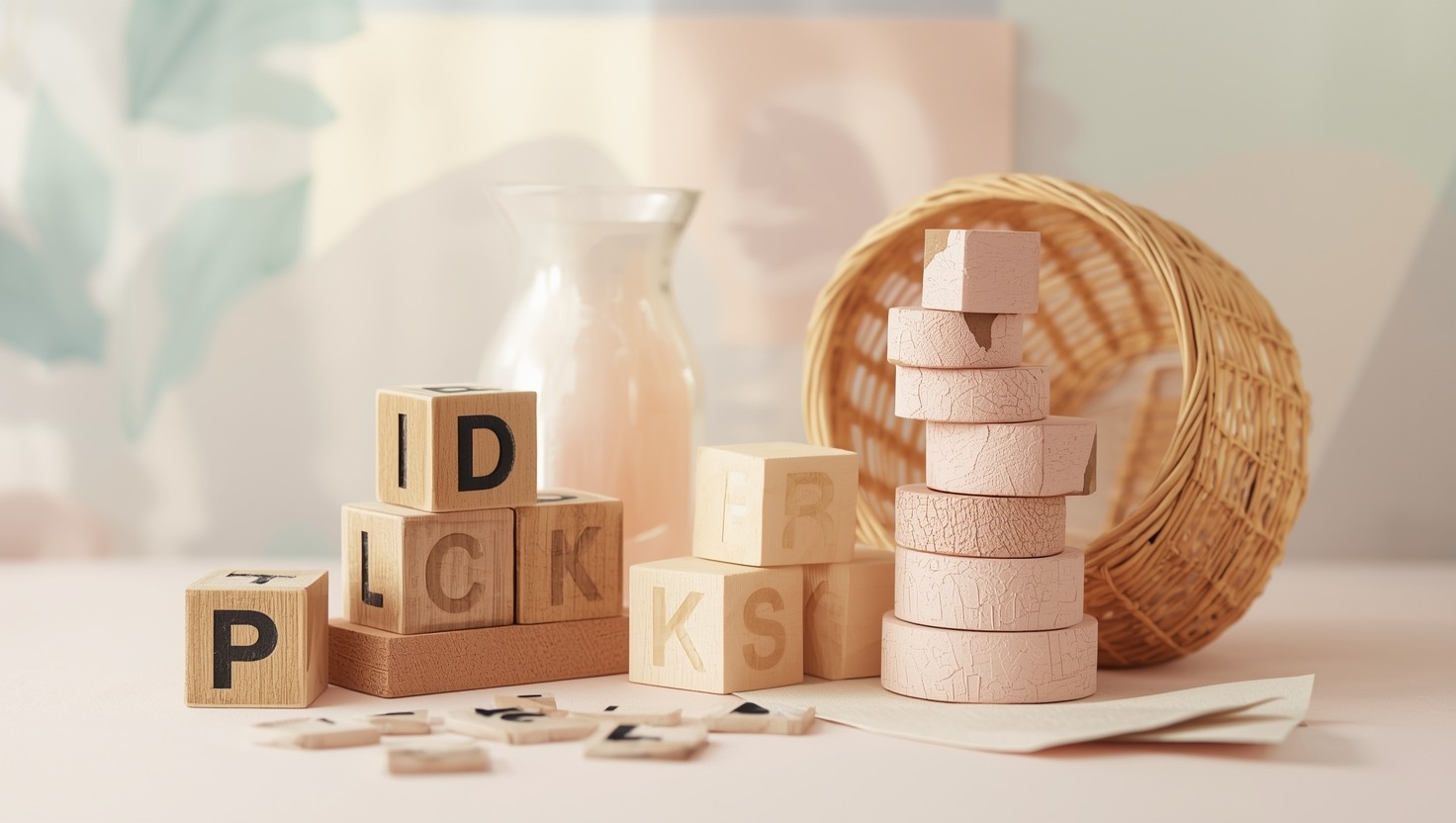
The montessori method of teaching isn't magic, but it is stubbornly effective. After fifteen years in traditional classrooms and three running a Montessori-inspired program, I can tell you this: most of what we do in conventional schooling wastes children's time. We shuffle them through identical worksheets, interrupt their focus every forty-five minutes, and wonder why they can't work independently by middle school. Montessori cuts against all of that. It trusts kids to choose their own work, concentrate for hours, and teach each other. That trust pays off in students who actually think for themselves.
You can't Montessori-fy your room by sprinkling wooden blocks around and calling it a prepared environment. Real implementation needs that you stop performing at the front and become the guide who observes. You redesign your space so materials are accessible, not locked in closets. You stay quiet when a child struggles, letting them reach for the concrete materials instead of your answer key. It feels wrong at first. Then you watch a six-year-old teach long division to a five-year-old using the three-period lesson, and you get it.
This guide covers what actually works. We'll look at how the mixed-age classroom builds executive function without behavior charts, and why auto-didactic skills matter more than test prep. You'll see how public school teachers adapt these principles with thirty kids and state standards breathing down their necks. And if you're homeschooling, you'll find setups that don't require you to remortgage your house for specialized equipment. The montessori method of teaching isn't just for private preschools. It belongs wherever children learn.
Still grading everything by hand?
EMStudio is a free teaching management app — manage your classes, students, lessons, and more!
Learn More

Still grading everything by hand?
EMStudio is a free teaching management app — manage your classes, students, lessons, and more!
Learn More
Table of Contents
What Is the Montessori Method of Teaching?
The Montessori method of teaching is a child-centered educational approach developed by Dr. Maria Montessori in 1907. It emphasizes self-directed activity, hands-on learning, and collaborative play in multi-age classrooms (typically 3-year spans), where teachers guide, not instruct, using specialized concrete materials.
Authentic programs require AMI or AMS accreditation and trained guides. Montessori-inspired settings borrow the aesthetic without the rigorous standards, specific materials, or certified training that define genuine implementation.
Montessori replaced grades with four planes of development. The first plane (0-6) has the absorbent mind. The second (6-12) brings reasoning. The third (12-18) explores humanistic concerns, while the fourth (18-24) constructs specialist identity. John Hattie's Visible Learning research validates this approach; self-directed learning strategies show an effect size of 0.60, well above the effective threshold.
Historical Foundations and Dr. Montessori's Philosophy
Dr. Montessori earned her medical degree in 1896, becoming Italy's first female physician. She worked with children with disabilities at Rome's Orthophrenic School, developing sensory materials that proved these students could learn. In 1907, she opened Casa dei Bambini in San Lorenzo's poor district to apply these methods to neurotypical children.
This montessori method of education spread rapidly after her 1909 book The Montessori Method documented the approach, sparking the global "Montessori Movement" that reached the United States by 1911. The Association Montessori Internationale (AMI) formed in 1929 to preserve her rigorous standards, while the American Montessori Society (AMS) emerged in 1960. For a deeper exploration, see our comprehensive Montessori philosophy and methods.
Montessori viewed education as natural development, not forced instruction. She believed teachers should study children scientifically, preparing environments rather than delivering content. This philosophy emerged from her medical training and careful observation of how children actually learn when given freedom within limits.
Defining Characteristics of Authentic Montessori Environments
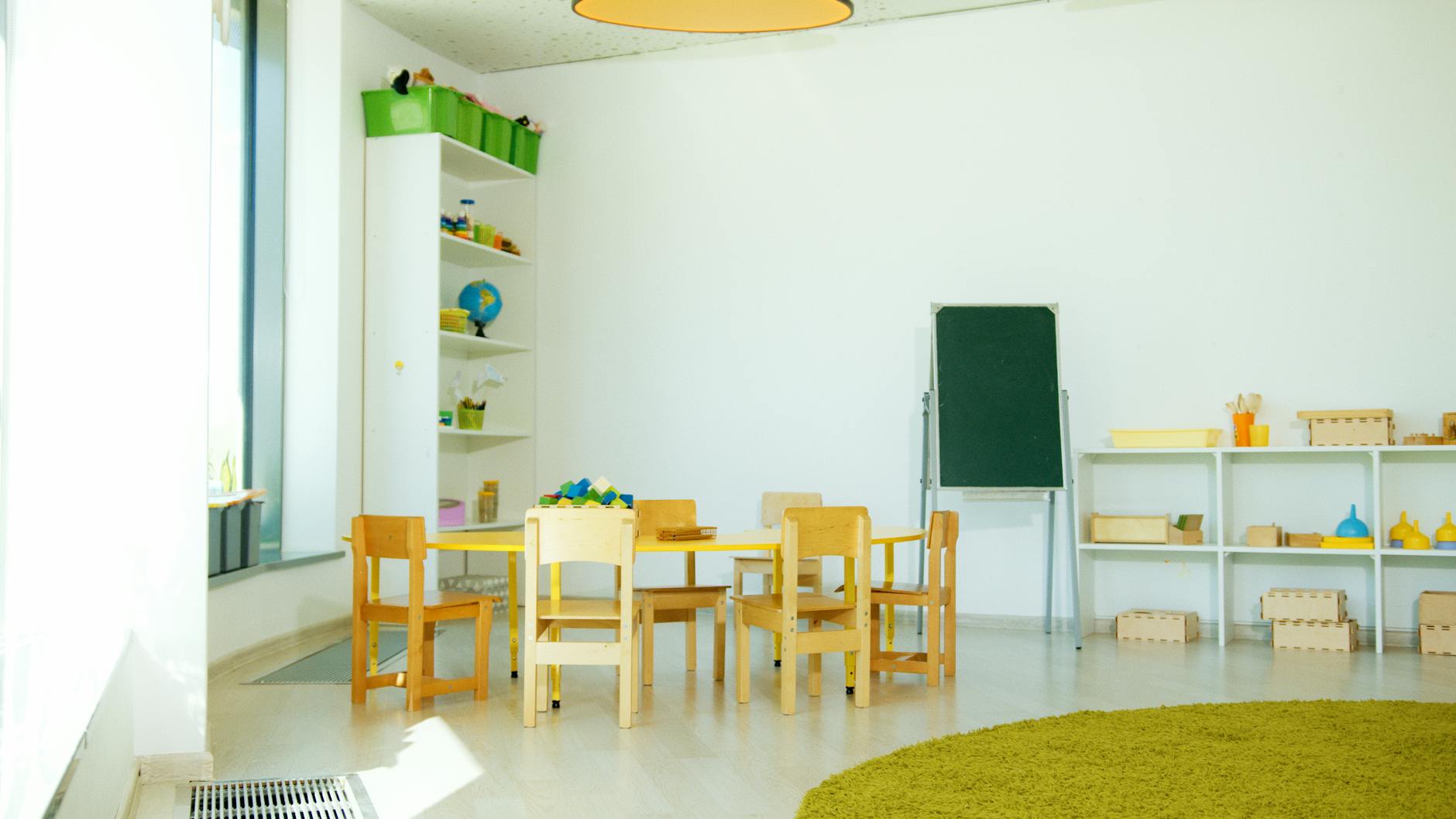
Authentic environments contain six specific components. Children work in uninterrupted 2.5 to 3 hour cycles that allow deep concentration. They learn in mixed-age groupings spanning three years: 0-3, 3-6, 6-9, 9-12, 12-15, and 15-18. The prepared environment has child-sized furniture and shelving at 24 to 30 inches so concrete materials remain accessible.
Materials progress from concrete to abstract, with auto-didactic controls of error that let children recognize mistakes without teacher intervention. Teachers serve as scientific observers, presenting lessons individually or in small groups using the three-period lesson technique. You will recognize these classrooms immediately by the focused hum of activity rather than a teacher's directing voice.
These elements distinguish real Montessori from play-based preschools or traditional classrooms. Children wipe spills and replace work independently because the environment needs responsibility. The concrete materials—pink towers, golden beads, metal insets—have specific developmental purposes and precise presentations that trained guides must master to maintain program integrity.

How the Montessori Method Develops Executive Function and Independence
Montessori builds executive function through daily practice, not direct instruction. Children wait for lessons until a teacher is free—that's inhibitory control. They carry the Pink Tower across the room without dropping it, holding the sequence in mind—that's working memory. When the three-period lesson shifts from naming to recognizing to recalling, they adapt their thinking—that's cognitive flexibility. These aren't separate lessons. They're baked into the materials.
The mixed-age classroom creates what researchers call the "executive function advantage." Your six-year-olds teach the four-year-olds how to wash a table or sound out words. Explaining material to someone else forces metacognitive processing that passive listening never achieves. I've watched kindergarteners pause, rethink their explanation, and try new words when their three-year-old audience looks confused. That mental juggling happens naturally eight to twelve times daily in these rooms.
This approach diverges sharply from the method of teaching in vedic education. The gurukul system relied on memorization and oral tradition, with students repeating texts until mastery. Montessori, trained as a physician, used scientific observation instead. She watched children interact with concrete materials and adjusted the environment based on what she saw. No rote drills. No recitation without understanding.
But this method fails when adults push too hard too early. Academic pressure on three-year-olds destroys the intrinsic motivation that drives the auto-didactic cycle. You’ll also see false fatigue around minute forty-five of the work cycle. Kids get restless, wander, or bother others. Don't intervene. This restlessness signals developing self-regulation capacity, not misbehavior. They’re learning to manage their own attention spans.
The Science of Self-Regulation in Mixed-Age Classrooms
The three-year age span does something no same-age grouping can replicate. Your younger children watch the older ones navigate the prepared environment eight to twelve times daily. They see a five-year-old complete the full sequence of the Brown Stair without rushing. They observe how six-year-olds return materials to the shelf, snapping the box shut just so. These scaffolding zones emerge organically. In traditional classrooms, targeted peer modeling might happen two or three times a day if you're lucky. Here, it surrounds them.
This constant observation triggers mirror neuron activation. The three-year-old who cannot yet pour water without spilling sees the precise wrist angle demonstrated by a veteran five-year-old. The younger child internalizes the sequence through watching, then attempts it during the uninterrupted work cycle. They fail, adjust, and try again without adult intervention.
Normalization takes three to six weeks for most children entering the environment. You'll recognize it when a child chooses a work, completes the full cycle—taking the material from the shelf, using it at a table or rug, returning it properly—and maintains concentration for forty-five to ninety minutes. The room goes quiet. Movements become purposeful. This requires limited interruptions from adults and enough time for complete activity cycles. When you honor that self-regulation development strategies emerge naturally, you resist the urge to hurry them along.
Longitudinal Research on Montessori Student Outcomes
Angeline Lillard at the University of Virginia has tracked Montessori students for decades. Her research compares child-centered education outcomes with traditional models across academic, social, and executive function measures. Montessori students show consistent advantages in creativity and social cognition. They generate more novel solutions to problems and read emotional cues with greater accuracy than peers in conventional programs.
The phoenix method of teaching offers an interesting contrast. This project-based approach focuses on crisis-recovery and rapid skill acquisition, often through intensive short-term interventions. While Phoenix methods can produce quick gains in specific competencies, Montessori excels in sustained attention development. The child who spends ninety minutes polishing brass develops concentration muscles that transfer to high school calculus.
The Milwaukee Project provides the most compelling evidence for public school adoption. Low-income students who attended public Montessori elementary programs in Milwaukee showed higher high school completion rates than matched peers. These weren't private schools with selective admissions. These were urban public classrooms using concrete materials and mixed-age groupings. The prepared environment leveled the playing field. Executive function skills built through practical life activities at age four predicted academic persistence fourteen years later.

The Three Pillars: Environment, Materials, and Teacher Role
The montessori method of teaching rests on three load-bearing supports that define child-centered education. Each has non-negotiable benchmarks.
Pillar | Physical Benchmarks | Function |
|---|---|---|
Environment | 35 sq ft per child; wood shelving ≤42" high; natural light; effective classroom design and learning zones | Maximum autonomy |
Materials | Auto-didactic; complete sets; isolation of difficulty; concrete to abstract | Self-teaching |
Teacher Role | 60% observation; 30% lessons; three-period lesson technique; groups of 4-8 | Scientific observation |
Investment is substantial. Authentic materials cost $800 to $2,500 per classroom. Wood shelving beats plastic. Training runs $3,000 to $8,000 through AMI or AMS, requiring 300 to 600 contact hours over one to two years.
Unlike the modular teaching method—discrete units with frequent testing—Montessori uses cosmic education. History, science, and language intertwine. You might spend three hours on a math investigation that bleeds into geometry and cultural studies.
Designing the Prepared Environment for Maximum Autonomy
You need 35 square feet per child minimum. Less than that creates traffic jams during work cycles. Wood shelving—not plastic—must stand low enough that a three-year-old can reach the top shelf independently. Keep it under 42 inches. Natural lighting matters; fluorescent tubes undermine concentration.
Every prepared environment needs a peace corner. Stock it with 3 to 5 pillows and emotion cards where overwhelmed children self-regulate. You are not the calm-down police. The space itself handles the intervention. Children learn to recognize their own rising frustration and walk themselves to the pillows.
The environment serves a mixed-age classroom, so shelves must offer both challenge and comfort for three-year-olds and six-year-olds simultaneously. The beauty and order principle governs shelf arrangement. Materials flow left-to-right and top-to-bottom, progressing from simple to complex.
Math materials use gold beads; Language uses blue and pink series. Never mix the color coding. Only complete sets go on shelves. An incomplete Pink Tower teaches children that errors go unnoticed, breaking the control of error. Use tracking classroom materials and inventory systems to ensure nothing disappears. When children trust that every cube is present, they work with precision.
Auto-Didactic Materials and the Control of Error
Auto-didactic materials teach without your voice. The Pink Tower contains ten cubes scaling from 1 cubic centimeter to 10 cubic centimeters. When a child stacks them incorrectly, the tower leans or topples. The material shows the error, not you. Sandpaper Letters offer tactile feedback; children trace and correct their own finger pressure. Bead Chains reveal miscounting immediately—the pattern breaks visually.
Isolation of difficulty drives every design choice. Knobbed Cylinders teach dimension only. Color and shape remain constant so the child focuses solely on thick versus thin, tall versus short. You will not find a material that confuses multiple variables. That is the opposite of busy worksheets. The control of error is built into the object itself.
The progression moves concrete to abstract. Children start with golden beads representing quantity. Next, they see beads paired with numeral symbols. Finally, they work with numerals alone. The concrete materials build the mental architecture for mathematics without flashcards or memorization drills. This sequence respects developmental readiness. You cannot rush the child to abstraction; the materials enforce the pace.
Transforming From Instructor to Scientific Observer
You are not the sage on the stage. You are the scientist in the field. The three-period lesson makes this possible. Period one: you name. "This is large. This is small." Period two: you ask. "Show me large. Show me small." Period three: you verify. "What is this?" The child answers. If they cannot, you return to period one. No shame. Just data.
Use this with Knobbed Cylinders. Isolate the two extreme cylinders. Period one: "This is large." Place it down. "This is small." Period two: "Show me the large one." The child lifts it. "Show me the small one." Period three: Point to each. "What is this?" The child names them. You now know mastery occurred.
Your time splits 60 to 70 percent observation, 30 to 40 percent lessons. Keep anecdotal records. Checklists track who has received which presentation. New materials always start with individual presentations. Group lessons cap at four to eight children. Any larger and you lose the precision.
What Are the Major Differences Between Montessori and Conventional Classrooms?
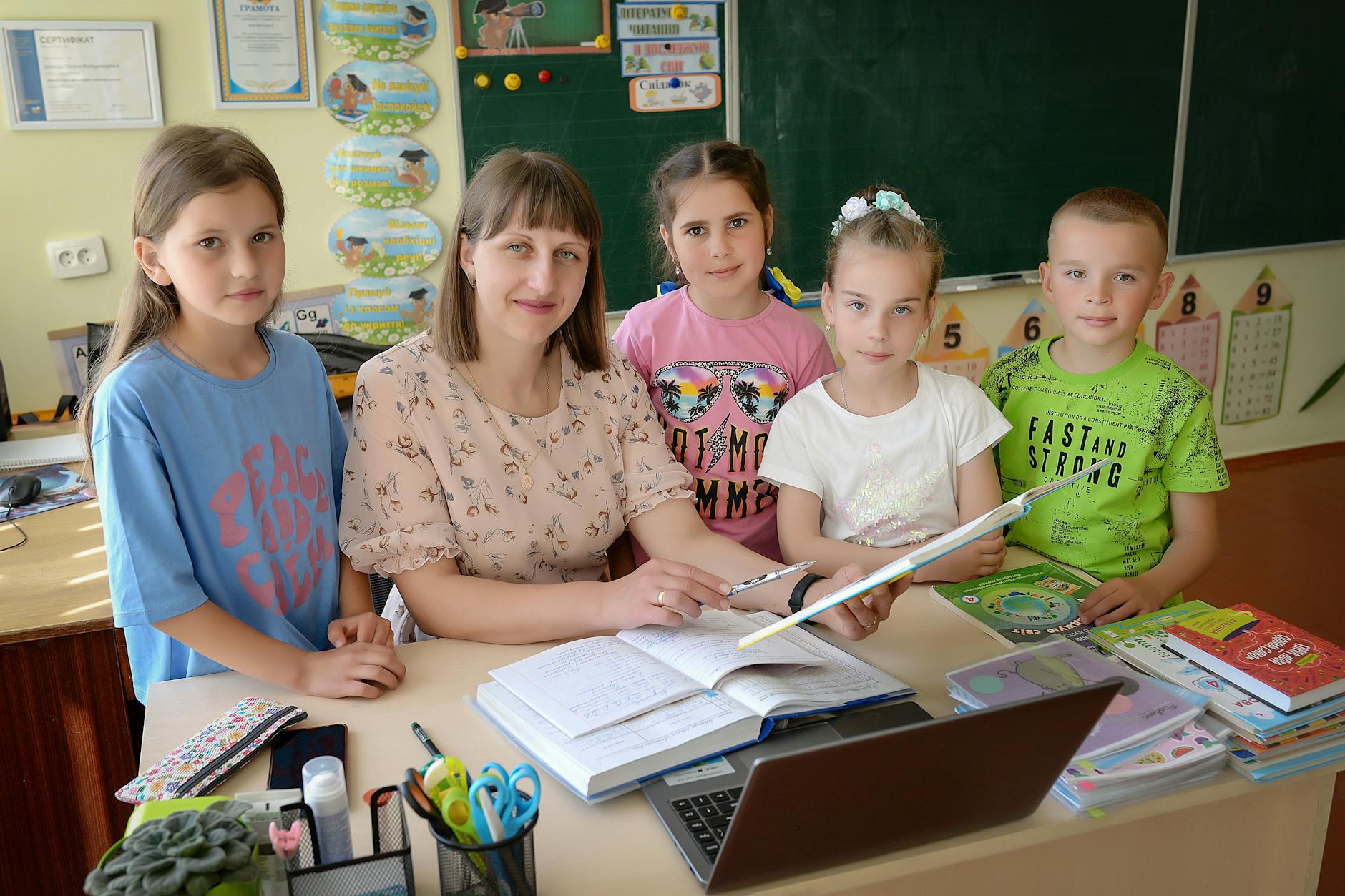
Montessori classrooms differ from conventional ones through 2.5-3 hour uninterrupted work cycles versus scheduled 45-minute blocks, mixed-age classroom groupings spanning three years versus single-grade classes, and intrinsic motivation systems without grades. Teachers act as guides rather than lecturers, and students progress based on mastery rather than standardized pacing guides.
The montessori method of teaching and the phoenix method of teaching both represent child-centered education, flipping the traditional power dynamic. You stop managing behavior through external controls and start trusting developmental timing.
Dimension | Montessori | Conventional |
|---|---|---|
Schedule | 2.5-3 hour uninterrupted cycles | 45-minute subject blocks |
Grouping | Mixed-age (3-year span) | Single grade level |
Motivation | Intrinsic (choice, mastery) | Extrinsic (grades, rewards) |
Teacher Role | Guide/Observer | Instructor/Manager |
Pacing | Mastery-based | Standardized curriculum maps |
Assessment | Observational portfolios | Tests and quizzes |
Research on task switching indicates that every transition costs 3-5 minutes of cognitive recovery time. In a conventional schedule with eight subject changes, students lose 24-40 minutes daily to mental reset mode. This fragmentation prevents the deep concentration necessary for complex learning.
This child-centered education approach fails for students requiring immediate token economies. The phoenix method of teaching assumes internal regulation that severe executive dysfunction hasn't developed yet. Wait until self-regulation stabilizes before introducing full work cycles.
Uninterrupted Work Periods vs. Scheduled Subject Blocks
The morning work cycle runs 8:30 to 11:30 without bells. Children arrive, select work from shelves, and engage for 45-90 minutes. Around 10:00, false fatigue hits—restlessness, noise, wandering. Skilled teachers ignore the urge to intervene. By 10:30, students settle into deeper concentration called the second wind.
Compare this to block scheduling where 45-minute periods force cleanup at 9:45, line up at 9:50, transition until 9:53. Eight switches daily consume nearly 40 minutes. The 3-hour cycle respects ultradian rhythms—those 90-120 minute biological concentration waves. It allows the "great work" phenomenon where a child repeats the binomial cube forty times until perfection emerges.
Intrinsic Motivation Systems vs. External Rewards and Grades
Montessori replaces gold stars with what Deci and Ryan identified in Self-Determination Theory: autonomy, competence, and relatedness. When a 6-year-old chooses the stamp game freely and completes it, the satisfaction is internal. No sticker can replicate that biochemical reward. This is the engine of intrinsic student motivation techniques.
Your language shifts from evaluative to descriptive. Drop the empty praise. Say "I noticed you concentrated on the Trinomial Cube for 45 minutes." Or ask "How did you feel when the beads matched the numerals?" This mirrors the three-period lesson structure—naming, recognizing, recalling—without injecting your approval into their discovery.
Student-Driven Pacing vs. Standardized Curriculum Maps
In conventional settings, you follow pacing guides: decimal fractions by April 15th, period. Montessori scope and sequences—like AMI math albums—span concepts through age 12 without monthly deadlines. A child might master decimal fractions at six, or at nine. The prepared environment contains concrete materials for each stage, ready when the student is.
Public Montessori students still take state tests. They prepare through the curriculum itself, not isolated test-prep weeks. Research indicates these students perform comparably or better than peers despite never seeing a practice bubble sheet. This reality comforts administrators while preserving student-centered learning models that respect auto-didactic discovery.

Practical Applications: Adapting Montessori for Public Schools and Homeschools
Public School Magnet and Charter Program Models
Public districts typically adopt one of three paths. Whole-school conversion needs every teacher hold AMS or AMI credentials and runs $150,000 in startup materials and training. That buys complete sets of concrete materials for every classroom and pays for summer certification. Magnet programs operate as schools-within-schools, preserving union contracts while grouping mixed-age classroom assignments in dedicated wings. Montessori-inspired classrooms cost nothing beyond standard supplies. Teachers borrow the work cycle and three-period lesson structure without the specialized shelving or full apparatus.
Milwaukee and Hartford built sustainable public models by negotiating specific union language around those multi-year classroom assignments. Teachers rotate with their cohorts for three-year cycles, protecting seniority while maintaining the continuity essential to child-centered education. Both districts administer mandatory state tests despite the method’s distaste for standardized metrics. Title I funding successfully covers the specialized math and language materials, proving the approach scales beyond wealthy suburbs when budgets align.
Compare this to the ppp teaching method pdf common in language instruction. That framework needs Presentation, then forced Practice, then immediate Production. The montessori method of teaching inverts the timeline entirely. The guide presents silently, the child practices independently until the concept internalizes, and production emerges naturally when neurological readiness strikes. Not on a pacing guide’s schedule.
Homeschooling Environments and Co-Op Spaces
You do not need a 1,000-square-foot classroom. A closet and under-bed storage suffice when adapting the approach for apartments or small homes. When selecting the best homeschool programs, prioritize space efficiency over comprehensiveness. Spend $75 on five Practical Life activities like pouring and buttoning frames, $20 on DIY Sandpaper Letters made from cardstock and sandpaper, $80 on Bead Stair materials for math foundations, $60 on wooden maps for geography, and $40 on quality picture books.
Add $150 for a low IKEA Kallax shelf, $25 for small rugs to define work spaces, $15 for a visual timer, and $35 for an observation journal to track sensitive periods.
Store 80 percent of materials in Trofast bins or vacuum bags under beds. Rotate one material per shelf weekly based on observed interest and mastery. This contradicts the authentic classroom’s full display requirement, but limited square footage needs compromise. The auto-didactic impulse survives as long as choices remain curated and accessible rather than overwhelming.
Four to six families can form a material library. Each household buys one expensive item such as the Pink Tower, Binomial Cube, or metal insets. They rotate monthly among the group. This co-op model cuts individual costs by 75 percent while preserving the tactile specificity that defines the method without cluttering small living rooms.
Special Education and Inclusive Classroom Adaptations
The prepared environment benefits students with ASD and ADHD without heavy modification. Predictable sequences reduce anxiety for autistic learners. Movement choices and self-pacing eliminate the power struggles common in desk-bound settings for students with attention differences. However, inclusive education strategies for diverse learners require significant adaptation when disabilities impact behavioral regulation or executive function.
Align IEP goals directly to specific materials. Use knobbed cylinders for OT pincer-grip targets. Deploy the three-period lesson format for speech vocabulary acquisition. But add visual schedules, token economies, or choice boards for students whose conditions require external structure incompatible with pure internal choice. The concrete materials still work beautifully. The unrestricted freedom to select them does not.
Do not force pure Montessori on students with severe conduct disorder who require immediate, consistent consequence systems outside the method’s natural logical consequences. Avoid unlimited choice for children with such significant executive dysfunction that option paralysis replaces engagement. In these cases, use the materials within a more structured behavioral framework. Adapt the prepared environment to the child’s neurological needs, not the reverse.
How to Begin Integrating Montessori Principles Into Your Existing Classroom?
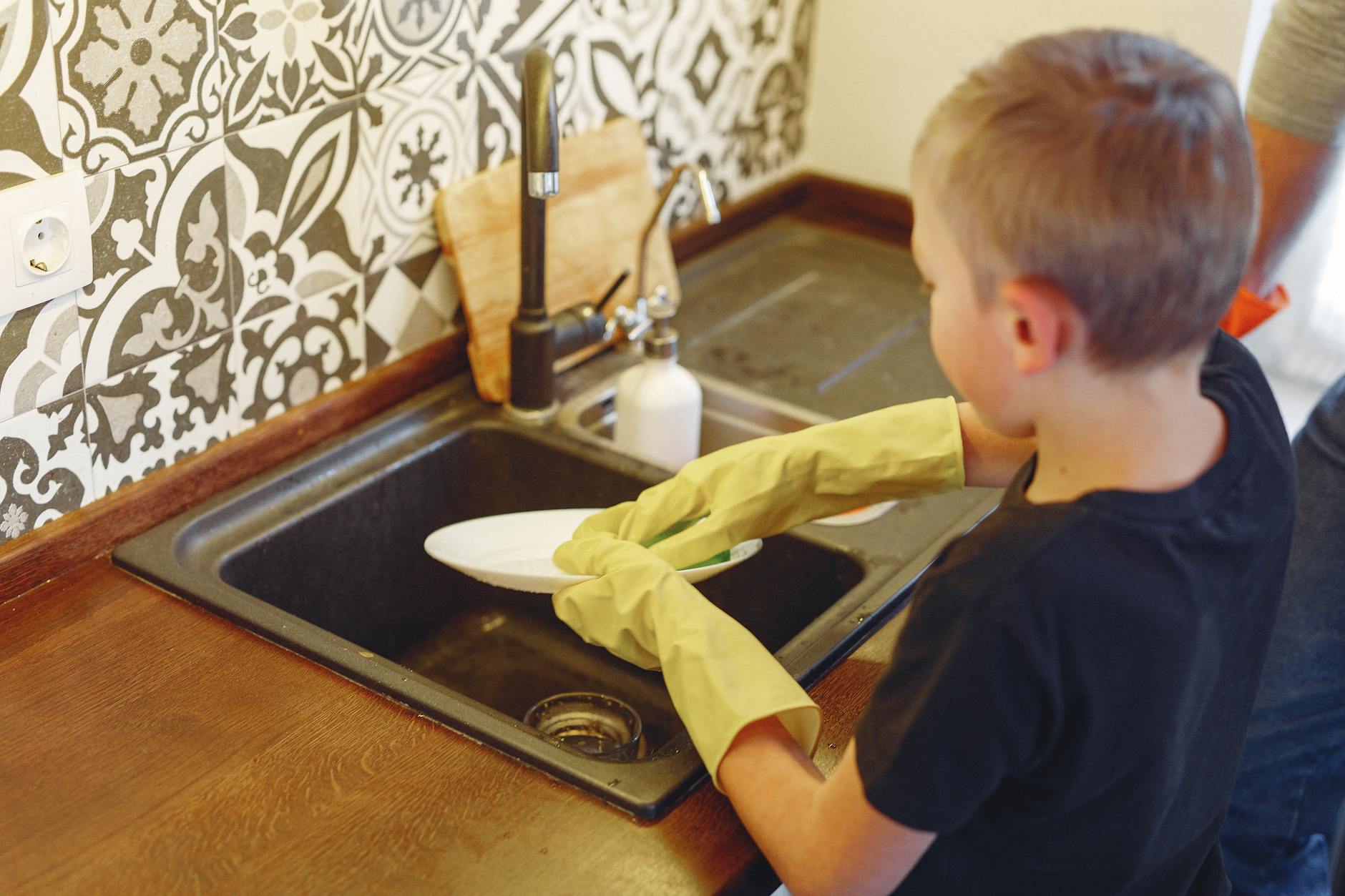
Begin integrating Montessori by conducting a prepared environment audit (checking shelf heights, accessibility, and beauty), then introduce limited choice protocols (2-3 options initially) before expanding to full work cycles. Source priority materials starting with Practical Life activities ($50-100), and shift teacher language from praise to descriptive observation over 8-12 weeks.
Pick one shelf. Rearrange it this weekend. Watch what happens Monday. Small shifts beat grand overhauls when shifting to child-centered education.
Follow this 12-week roadmap:
Weeks 1-2: Conduct the prepared environment audit. Adjust shelf heights to 24-30 inches for early childhood, ensure 25 square feet per child in mixed-age classrooms, and eliminate fluorescent flicker with full-spectrum bulbs.
Weeks 3-4: Launch limited choice protocols. Week 1 offers two teacher-selected works. Week 2 expands to three options. Week 3 allows choice within one subject area. Week 4 opens the full shelf.
Weeks 5-8: Extend work cycles gradually. Start with 30 minutes of sustained work using a Time Timer. Add 15 minutes weekly until reaching 90 minutes by week 6.
Weeks 9-12: Shift teacher language and build observation systems. Replace praise with descriptive observation. Track student engagement without interrupting auto-didactic work periods.
Watch for four common failure modes. Removing all structure overnight invites chaos. Buying concrete materials without training wastes money; learn the three-period lesson first. Expecting immediate normalization sets you up for disappointment—it takes three to six weeks. Allowing interruptions during work cycles destroys focus. Post a "Do Not Disturb" sign and mean it.
Conducting a Prepared Environment Audit of Your Current Space
Use this 20-point checklist to evaluate your room:
Shelf height at 24-30 inches for ages 3-6, 30-36 inches for elementary.
Sight lines allowing you to see all children from any angle.
Traffic flow free of bottlenecks at doors and sinks.
Materials on open shelves, not in bins or teacher-only cabinets.
60 percent floor coverage with carpet or rugs to dampen noise.
Full-spectrum bulbs to eliminate fluorescent flicker.
Use research-based classroom organization strategies to map the layout. Calculate space requirements carefully. Early childhood needs 35 square feet per child. Mixed-age elementary classrooms require 25 square feet minimum per student. Sketch floor plans showing flow patterns that prevent cross-traffic during work cycles. Place Practical Life near the sink. Keep Math and Language shelves adjacent but distinct.
Introducing Student Choice Protocols and Work Cycles
Phase in choice gradually to build independence. Week 1: "Today you may do the Pink Tower or the Brown Stair." Week 2: "Choose any work from these three trays." Week 3: "Select your math work." Week 4+: "What work calls to you today?" This scaffolded approach prevents overwhelm while establishing the montessori method of teaching in your existing room.
Extend work cycles systematically. Begin with 30 minutes of uninterrupted work. Add 15 minutes each week until students sustain 90 minutes by week 6. Use a Time Timer for visual reference. Avoid verbal reminders. Let students discover their own concentration span through modern class participation methods that prioritize depth over breadth.
Sourcing Initial Materials and Shifting Teacher Language
Buy materials in this order to manage budget. Start with Practical Life: tweezers, pouring sets, and dressing frames cost under $50. Add Sensorial next: Pink Tower and Brown Stair run $80. Purchase Math Golden Beads ($120) only after you master presentations. Finish with the Moveable Alphabet ($60). DIY alternatives work: wooden blocks substitute for the Pink Tower, and sandpaper letters are easy to make.
Shift your language using this translation chart. Replace "Good job" with "You did it" or "You must feel proud." Change "Be careful" to "Walk with your feet." Swap "Share now" with "When you are finished, Sarah is waiting." This shift from praise to observation supports the auto-didactic nature of Montessori work.
What Is the Montessori Method of Teaching?
The Montessori method of teaching is a child-centered educational approach developed by Dr. Maria Montessori in 1907. It emphasizes self-directed activity, hands-on learning, and collaborative play in multi-age classrooms (typically 3-year spans), where teachers guide, not instruct, using specialized concrete materials.
Authentic programs require AMI or AMS accreditation and trained guides. Montessori-inspired settings borrow the aesthetic without the rigorous standards, specific materials, or certified training that define genuine implementation.
Montessori replaced grades with four planes of development. The first plane (0-6) has the absorbent mind. The second (6-12) brings reasoning. The third (12-18) explores humanistic concerns, while the fourth (18-24) constructs specialist identity. John Hattie's Visible Learning research validates this approach; self-directed learning strategies show an effect size of 0.60, well above the effective threshold.
Historical Foundations and Dr. Montessori's Philosophy
Dr. Montessori earned her medical degree in 1896, becoming Italy's first female physician. She worked with children with disabilities at Rome's Orthophrenic School, developing sensory materials that proved these students could learn. In 1907, she opened Casa dei Bambini in San Lorenzo's poor district to apply these methods to neurotypical children.
This montessori method of education spread rapidly after her 1909 book The Montessori Method documented the approach, sparking the global "Montessori Movement" that reached the United States by 1911. The Association Montessori Internationale (AMI) formed in 1929 to preserve her rigorous standards, while the American Montessori Society (AMS) emerged in 1960. For a deeper exploration, see our comprehensive Montessori philosophy and methods.
Montessori viewed education as natural development, not forced instruction. She believed teachers should study children scientifically, preparing environments rather than delivering content. This philosophy emerged from her medical training and careful observation of how children actually learn when given freedom within limits.
Defining Characteristics of Authentic Montessori Environments
Authentic environments contain six specific components. Children work in uninterrupted 2.5 to 3 hour cycles that allow deep concentration. They learn in mixed-age groupings spanning three years: 0-3, 3-6, 6-9, 9-12, 12-15, and 15-18. The prepared environment has child-sized furniture and shelving at 24 to 30 inches so concrete materials remain accessible.
Materials progress from concrete to abstract, with auto-didactic controls of error that let children recognize mistakes without teacher intervention. Teachers serve as scientific observers, presenting lessons individually or in small groups using the three-period lesson technique. You will recognize these classrooms immediately by the focused hum of activity rather than a teacher's directing voice.
These elements distinguish real Montessori from play-based preschools or traditional classrooms. Children wipe spills and replace work independently because the environment needs responsibility. The concrete materials—pink towers, golden beads, metal insets—have specific developmental purposes and precise presentations that trained guides must master to maintain program integrity.
How the Montessori Method Develops Executive Function and Independence
Montessori builds executive function through daily practice, not direct instruction. Children wait for lessons until a teacher is free—that's inhibitory control. They carry the Pink Tower across the room without dropping it, holding the sequence in mind—that's working memory. When the three-period lesson shifts from naming to recognizing to recalling, they adapt their thinking—that's cognitive flexibility. These aren't separate lessons. They're baked into the materials.
The mixed-age classroom creates what researchers call the "executive function advantage." Your six-year-olds teach the four-year-olds how to wash a table or sound out words. Explaining material to someone else forces metacognitive processing that passive listening never achieves. I've watched kindergarteners pause, rethink their explanation, and try new words when their three-year-old audience looks confused. That mental juggling happens naturally eight to twelve times daily in these rooms.
This approach diverges sharply from the method of teaching in vedic education. The gurukul system relied on memorization and oral tradition, with students repeating texts until mastery. Montessori, trained as a physician, used scientific observation instead. She watched children interact with concrete materials and adjusted the environment based on what she saw. No rote drills. No recitation without understanding.
But this method fails when adults push too hard too early. Academic pressure on three-year-olds destroys the intrinsic motivation that drives the auto-didactic cycle. You’ll also see false fatigue around minute forty-five of the work cycle. Kids get restless, wander, or bother others. Don't intervene. This restlessness signals developing self-regulation capacity, not misbehavior. They’re learning to manage their own attention spans.
The Science of Self-Regulation in Mixed-Age Classrooms
The three-year age span does something no same-age grouping can replicate. Your younger children watch the older ones navigate the prepared environment eight to twelve times daily. They see a five-year-old complete the full sequence of the Brown Stair without rushing. They observe how six-year-olds return materials to the shelf, snapping the box shut just so. These scaffolding zones emerge organically. In traditional classrooms, targeted peer modeling might happen two or three times a day if you're lucky. Here, it surrounds them.
This constant observation triggers mirror neuron activation. The three-year-old who cannot yet pour water without spilling sees the precise wrist angle demonstrated by a veteran five-year-old. The younger child internalizes the sequence through watching, then attempts it during the uninterrupted work cycle. They fail, adjust, and try again without adult intervention.
Normalization takes three to six weeks for most children entering the environment. You'll recognize it when a child chooses a work, completes the full cycle—taking the material from the shelf, using it at a table or rug, returning it properly—and maintains concentration for forty-five to ninety minutes. The room goes quiet. Movements become purposeful. This requires limited interruptions from adults and enough time for complete activity cycles. When you honor that self-regulation development strategies emerge naturally, you resist the urge to hurry them along.
Longitudinal Research on Montessori Student Outcomes
Angeline Lillard at the University of Virginia has tracked Montessori students for decades. Her research compares child-centered education outcomes with traditional models across academic, social, and executive function measures. Montessori students show consistent advantages in creativity and social cognition. They generate more novel solutions to problems and read emotional cues with greater accuracy than peers in conventional programs.
The phoenix method of teaching offers an interesting contrast. This project-based approach focuses on crisis-recovery and rapid skill acquisition, often through intensive short-term interventions. While Phoenix methods can produce quick gains in specific competencies, Montessori excels in sustained attention development. The child who spends ninety minutes polishing brass develops concentration muscles that transfer to high school calculus.
The Milwaukee Project provides the most compelling evidence for public school adoption. Low-income students who attended public Montessori elementary programs in Milwaukee showed higher high school completion rates than matched peers. These weren't private schools with selective admissions. These were urban public classrooms using concrete materials and mixed-age groupings. The prepared environment leveled the playing field. Executive function skills built through practical life activities at age four predicted academic persistence fourteen years later.
The Three Pillars: Environment, Materials, and Teacher Role
The montessori method of teaching rests on three load-bearing supports that define child-centered education. Each has non-negotiable benchmarks.
Pillar | Physical Benchmarks | Function |
|---|---|---|
Environment | 35 sq ft per child; wood shelving ≤42" high; natural light; effective classroom design and learning zones | Maximum autonomy |
Materials | Auto-didactic; complete sets; isolation of difficulty; concrete to abstract | Self-teaching |
Teacher Role | 60% observation; 30% lessons; three-period lesson technique; groups of 4-8 | Scientific observation |
Investment is substantial. Authentic materials cost $800 to $2,500 per classroom. Wood shelving beats plastic. Training runs $3,000 to $8,000 through AMI or AMS, requiring 300 to 600 contact hours over one to two years.
Unlike the modular teaching method—discrete units with frequent testing—Montessori uses cosmic education. History, science, and language intertwine. You might spend three hours on a math investigation that bleeds into geometry and cultural studies.
Designing the Prepared Environment for Maximum Autonomy
You need 35 square feet per child minimum. Less than that creates traffic jams during work cycles. Wood shelving—not plastic—must stand low enough that a three-year-old can reach the top shelf independently. Keep it under 42 inches. Natural lighting matters; fluorescent tubes undermine concentration.
Every prepared environment needs a peace corner. Stock it with 3 to 5 pillows and emotion cards where overwhelmed children self-regulate. You are not the calm-down police. The space itself handles the intervention. Children learn to recognize their own rising frustration and walk themselves to the pillows.
The environment serves a mixed-age classroom, so shelves must offer both challenge and comfort for three-year-olds and six-year-olds simultaneously. The beauty and order principle governs shelf arrangement. Materials flow left-to-right and top-to-bottom, progressing from simple to complex.
Math materials use gold beads; Language uses blue and pink series. Never mix the color coding. Only complete sets go on shelves. An incomplete Pink Tower teaches children that errors go unnoticed, breaking the control of error. Use tracking classroom materials and inventory systems to ensure nothing disappears. When children trust that every cube is present, they work with precision.
Auto-Didactic Materials and the Control of Error
Auto-didactic materials teach without your voice. The Pink Tower contains ten cubes scaling from 1 cubic centimeter to 10 cubic centimeters. When a child stacks them incorrectly, the tower leans or topples. The material shows the error, not you. Sandpaper Letters offer tactile feedback; children trace and correct their own finger pressure. Bead Chains reveal miscounting immediately—the pattern breaks visually.
Isolation of difficulty drives every design choice. Knobbed Cylinders teach dimension only. Color and shape remain constant so the child focuses solely on thick versus thin, tall versus short. You will not find a material that confuses multiple variables. That is the opposite of busy worksheets. The control of error is built into the object itself.
The progression moves concrete to abstract. Children start with golden beads representing quantity. Next, they see beads paired with numeral symbols. Finally, they work with numerals alone. The concrete materials build the mental architecture for mathematics without flashcards or memorization drills. This sequence respects developmental readiness. You cannot rush the child to abstraction; the materials enforce the pace.
Transforming From Instructor to Scientific Observer
You are not the sage on the stage. You are the scientist in the field. The three-period lesson makes this possible. Period one: you name. "This is large. This is small." Period two: you ask. "Show me large. Show me small." Period three: you verify. "What is this?" The child answers. If they cannot, you return to period one. No shame. Just data.
Use this with Knobbed Cylinders. Isolate the two extreme cylinders. Period one: "This is large." Place it down. "This is small." Period two: "Show me the large one." The child lifts it. "Show me the small one." Period three: Point to each. "What is this?" The child names them. You now know mastery occurred.
Your time splits 60 to 70 percent observation, 30 to 40 percent lessons. Keep anecdotal records. Checklists track who has received which presentation. New materials always start with individual presentations. Group lessons cap at four to eight children. Any larger and you lose the precision.
What Are the Major Differences Between Montessori and Conventional Classrooms?
Montessori classrooms differ from conventional ones through 2.5-3 hour uninterrupted work cycles versus scheduled 45-minute blocks, mixed-age classroom groupings spanning three years versus single-grade classes, and intrinsic motivation systems without grades. Teachers act as guides rather than lecturers, and students progress based on mastery rather than standardized pacing guides.
The montessori method of teaching and the phoenix method of teaching both represent child-centered education, flipping the traditional power dynamic. You stop managing behavior through external controls and start trusting developmental timing.
Dimension | Montessori | Conventional |
|---|---|---|
Schedule | 2.5-3 hour uninterrupted cycles | 45-minute subject blocks |
Grouping | Mixed-age (3-year span) | Single grade level |
Motivation | Intrinsic (choice, mastery) | Extrinsic (grades, rewards) |
Teacher Role | Guide/Observer | Instructor/Manager |
Pacing | Mastery-based | Standardized curriculum maps |
Assessment | Observational portfolios | Tests and quizzes |
Research on task switching indicates that every transition costs 3-5 minutes of cognitive recovery time. In a conventional schedule with eight subject changes, students lose 24-40 minutes daily to mental reset mode. This fragmentation prevents the deep concentration necessary for complex learning.
This child-centered education approach fails for students requiring immediate token economies. The phoenix method of teaching assumes internal regulation that severe executive dysfunction hasn't developed yet. Wait until self-regulation stabilizes before introducing full work cycles.
Uninterrupted Work Periods vs. Scheduled Subject Blocks
The morning work cycle runs 8:30 to 11:30 without bells. Children arrive, select work from shelves, and engage for 45-90 minutes. Around 10:00, false fatigue hits—restlessness, noise, wandering. Skilled teachers ignore the urge to intervene. By 10:30, students settle into deeper concentration called the second wind.
Compare this to block scheduling where 45-minute periods force cleanup at 9:45, line up at 9:50, transition until 9:53. Eight switches daily consume nearly 40 minutes. The 3-hour cycle respects ultradian rhythms—those 90-120 minute biological concentration waves. It allows the "great work" phenomenon where a child repeats the binomial cube forty times until perfection emerges.
Intrinsic Motivation Systems vs. External Rewards and Grades
Montessori replaces gold stars with what Deci and Ryan identified in Self-Determination Theory: autonomy, competence, and relatedness. When a 6-year-old chooses the stamp game freely and completes it, the satisfaction is internal. No sticker can replicate that biochemical reward. This is the engine of intrinsic student motivation techniques.
Your language shifts from evaluative to descriptive. Drop the empty praise. Say "I noticed you concentrated on the Trinomial Cube for 45 minutes." Or ask "How did you feel when the beads matched the numerals?" This mirrors the three-period lesson structure—naming, recognizing, recalling—without injecting your approval into their discovery.
Student-Driven Pacing vs. Standardized Curriculum Maps
In conventional settings, you follow pacing guides: decimal fractions by April 15th, period. Montessori scope and sequences—like AMI math albums—span concepts through age 12 without monthly deadlines. A child might master decimal fractions at six, or at nine. The prepared environment contains concrete materials for each stage, ready when the student is.
Public Montessori students still take state tests. They prepare through the curriculum itself, not isolated test-prep weeks. Research indicates these students perform comparably or better than peers despite never seeing a practice bubble sheet. This reality comforts administrators while preserving student-centered learning models that respect auto-didactic discovery.
Practical Applications: Adapting Montessori for Public Schools and Homeschools
Public School Magnet and Charter Program Models
Public districts typically adopt one of three paths. Whole-school conversion needs every teacher hold AMS or AMI credentials and runs $150,000 in startup materials and training. That buys complete sets of concrete materials for every classroom and pays for summer certification. Magnet programs operate as schools-within-schools, preserving union contracts while grouping mixed-age classroom assignments in dedicated wings. Montessori-inspired classrooms cost nothing beyond standard supplies. Teachers borrow the work cycle and three-period lesson structure without the specialized shelving or full apparatus.
Milwaukee and Hartford built sustainable public models by negotiating specific union language around those multi-year classroom assignments. Teachers rotate with their cohorts for three-year cycles, protecting seniority while maintaining the continuity essential to child-centered education. Both districts administer mandatory state tests despite the method’s distaste for standardized metrics. Title I funding successfully covers the specialized math and language materials, proving the approach scales beyond wealthy suburbs when budgets align.
Compare this to the ppp teaching method pdf common in language instruction. That framework needs Presentation, then forced Practice, then immediate Production. The montessori method of teaching inverts the timeline entirely. The guide presents silently, the child practices independently until the concept internalizes, and production emerges naturally when neurological readiness strikes. Not on a pacing guide’s schedule.
Homeschooling Environments and Co-Op Spaces
You do not need a 1,000-square-foot classroom. A closet and under-bed storage suffice when adapting the approach for apartments or small homes. When selecting the best homeschool programs, prioritize space efficiency over comprehensiveness. Spend $75 on five Practical Life activities like pouring and buttoning frames, $20 on DIY Sandpaper Letters made from cardstock and sandpaper, $80 on Bead Stair materials for math foundations, $60 on wooden maps for geography, and $40 on quality picture books.
Add $150 for a low IKEA Kallax shelf, $25 for small rugs to define work spaces, $15 for a visual timer, and $35 for an observation journal to track sensitive periods.
Store 80 percent of materials in Trofast bins or vacuum bags under beds. Rotate one material per shelf weekly based on observed interest and mastery. This contradicts the authentic classroom’s full display requirement, but limited square footage needs compromise. The auto-didactic impulse survives as long as choices remain curated and accessible rather than overwhelming.
Four to six families can form a material library. Each household buys one expensive item such as the Pink Tower, Binomial Cube, or metal insets. They rotate monthly among the group. This co-op model cuts individual costs by 75 percent while preserving the tactile specificity that defines the method without cluttering small living rooms.
Special Education and Inclusive Classroom Adaptations
The prepared environment benefits students with ASD and ADHD without heavy modification. Predictable sequences reduce anxiety for autistic learners. Movement choices and self-pacing eliminate the power struggles common in desk-bound settings for students with attention differences. However, inclusive education strategies for diverse learners require significant adaptation when disabilities impact behavioral regulation or executive function.
Align IEP goals directly to specific materials. Use knobbed cylinders for OT pincer-grip targets. Deploy the three-period lesson format for speech vocabulary acquisition. But add visual schedules, token economies, or choice boards for students whose conditions require external structure incompatible with pure internal choice. The concrete materials still work beautifully. The unrestricted freedom to select them does not.
Do not force pure Montessori on students with severe conduct disorder who require immediate, consistent consequence systems outside the method’s natural logical consequences. Avoid unlimited choice for children with such significant executive dysfunction that option paralysis replaces engagement. In these cases, use the materials within a more structured behavioral framework. Adapt the prepared environment to the child’s neurological needs, not the reverse.
How to Begin Integrating Montessori Principles Into Your Existing Classroom?
Begin integrating Montessori by conducting a prepared environment audit (checking shelf heights, accessibility, and beauty), then introduce limited choice protocols (2-3 options initially) before expanding to full work cycles. Source priority materials starting with Practical Life activities ($50-100), and shift teacher language from praise to descriptive observation over 8-12 weeks.
Pick one shelf. Rearrange it this weekend. Watch what happens Monday. Small shifts beat grand overhauls when shifting to child-centered education.
Follow this 12-week roadmap:
Weeks 1-2: Conduct the prepared environment audit. Adjust shelf heights to 24-30 inches for early childhood, ensure 25 square feet per child in mixed-age classrooms, and eliminate fluorescent flicker with full-spectrum bulbs.
Weeks 3-4: Launch limited choice protocols. Week 1 offers two teacher-selected works. Week 2 expands to three options. Week 3 allows choice within one subject area. Week 4 opens the full shelf.
Weeks 5-8: Extend work cycles gradually. Start with 30 minutes of sustained work using a Time Timer. Add 15 minutes weekly until reaching 90 minutes by week 6.
Weeks 9-12: Shift teacher language and build observation systems. Replace praise with descriptive observation. Track student engagement without interrupting auto-didactic work periods.
Watch for four common failure modes. Removing all structure overnight invites chaos. Buying concrete materials without training wastes money; learn the three-period lesson first. Expecting immediate normalization sets you up for disappointment—it takes three to six weeks. Allowing interruptions during work cycles destroys focus. Post a "Do Not Disturb" sign and mean it.
Conducting a Prepared Environment Audit of Your Current Space
Use this 20-point checklist to evaluate your room:
Shelf height at 24-30 inches for ages 3-6, 30-36 inches for elementary.
Sight lines allowing you to see all children from any angle.
Traffic flow free of bottlenecks at doors and sinks.
Materials on open shelves, not in bins or teacher-only cabinets.
60 percent floor coverage with carpet or rugs to dampen noise.
Full-spectrum bulbs to eliminate fluorescent flicker.
Use research-based classroom organization strategies to map the layout. Calculate space requirements carefully. Early childhood needs 35 square feet per child. Mixed-age elementary classrooms require 25 square feet minimum per student. Sketch floor plans showing flow patterns that prevent cross-traffic during work cycles. Place Practical Life near the sink. Keep Math and Language shelves adjacent but distinct.
Introducing Student Choice Protocols and Work Cycles
Phase in choice gradually to build independence. Week 1: "Today you may do the Pink Tower or the Brown Stair." Week 2: "Choose any work from these three trays." Week 3: "Select your math work." Week 4+: "What work calls to you today?" This scaffolded approach prevents overwhelm while establishing the montessori method of teaching in your existing room.
Extend work cycles systematically. Begin with 30 minutes of uninterrupted work. Add 15 minutes each week until students sustain 90 minutes by week 6. Use a Time Timer for visual reference. Avoid verbal reminders. Let students discover their own concentration span through modern class participation methods that prioritize depth over breadth.
Sourcing Initial Materials and Shifting Teacher Language
Buy materials in this order to manage budget. Start with Practical Life: tweezers, pouring sets, and dressing frames cost under $50. Add Sensorial next: Pink Tower and Brown Stair run $80. Purchase Math Golden Beads ($120) only after you master presentations. Finish with the Moveable Alphabet ($60). DIY alternatives work: wooden blocks substitute for the Pink Tower, and sandpaper letters are easy to make.
Shift your language using this translation chart. Replace "Good job" with "You did it" or "You must feel proud." Change "Be careful" to "Walk with your feet." Swap "Share now" with "When you are finished, Sarah is waiting." This shift from praise to observation supports the auto-didactic nature of Montessori work.
Still grading everything by hand?
EMStudio is a free teaching management app — manage your classes, students, lessons, and more!
Learn More
Still grading everything by hand?
EMStudio is a free teaching management app — manage your classes, students, lessons, and more!
Learn More





Notion4Teachers
Notion templates to simplify administrative tasks and enhance your teaching experience.



2026 Notion4Teachers. All Rights Reserved.
Notion4Teachers
Notion templates to simplify administrative tasks and enhance your teaching experience.
2026 Notion4Teachers. All Rights Reserved.
Notion4Teachers
Notion templates to simplify administrative tasks and enhance your teaching experience.
2026 Notion4Teachers. All Rights Reserved.