
Good Teacher: Definition, Qualities, and Practices
Good Teacher: Definition, Qualities, and Practices

Article by
Milo
ESL Content Coordinator & Educator
ESL Content Coordinator & Educator
All Posts
It's March in a 7th grade math room. You're halfway through explaining slope-intercept form when you notice three kids in the back checking out and one up front near tears over a text from home. Being a good teacher isn't about having the perfect lesson plan filed away—it's about handling moments like this when the plan falls apart.
I've spent years figuring out what separates teachers who survive from teachers who thrive. This isn't theory—it's the daily work of classroom management, knowing your content cold, and building trust with kids who don't trust easily.
Still grading everything by hand?
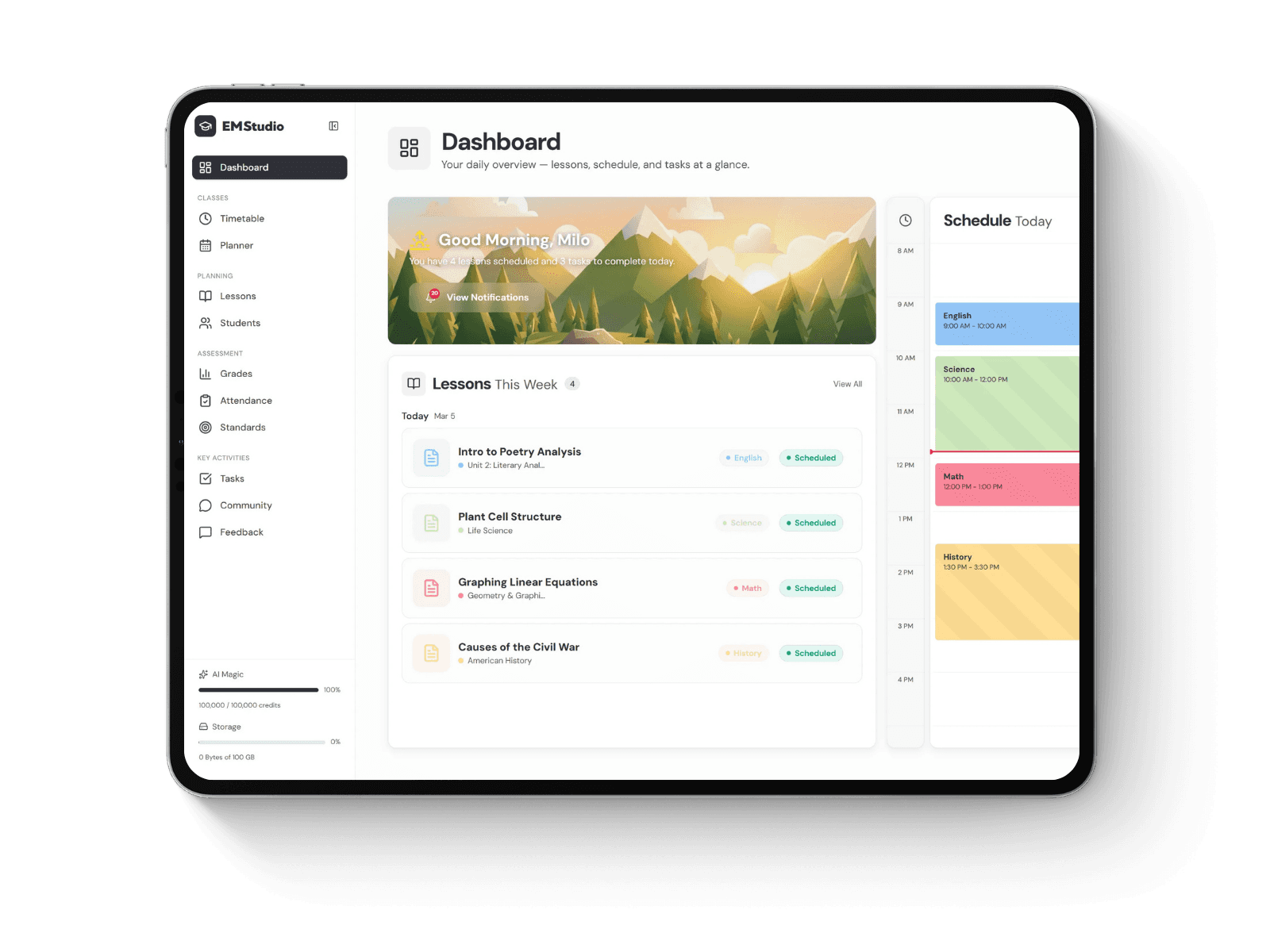
EMStudio is a free teaching management app — manage your classes, students, lessons, and more!
Learn More
Still grading everything by hand?
EMStudio is a free teaching management app — manage your classes, students, lessons, and more!
Learn More
Table of Contents
What Is a Good Teacher?
A good teacher combines deep subject expertise with emotional intelligence and adaptive instruction. They possess pedagogical content knowledge to make complex ideas accessible, build trusting relationships, and continuously adjust methods based on student readiness, interests, and learning profiles.
Lee Shulman cracked the code back in the 1980s. He called it pedagogical content knowledge — knowing your subject plus knowing how to represent it for kids who don't get it yet. Picture three overlapping circles: content mastery, relationship skills, and adaptive practice. A good teacher lives in that center space. Being a quantum physicist doesn't automatically make you effective with ninth-grade algebra. PhDs often crash and burn in middle school because they can't translate their expertise into language a struggling kid can grasp.
Subject Mastery and Pedagogical Knowledge
Shulman argued that pedagogical content knowledge separates experts from educators. Take electromagnetic induction in AP Physics. You could open with Maxwell's equations and vector calculus. Or you could start with the jumping ring demo — a copper loop that leaps off a solenoid when you flip the switch. Students see physics happen before they meet the math. That's PCK: knowing which representation bridges the gap between abstract theory and a kid's lived experience.
You need enough content depth to anticipate where students will trip. Research suggests teachers need expertise roughly two to three grade levels above what they teach. An 8th-grade math teacher with calculus background can see why kids confuse slope and steepness. She can trace their error back to the coordinate plane, not just mark their answers wrong. That vertical perspective turns content knowledge into instructional strategies that prevent misconceptions before they cement.
This threshold explains why hiring content experts doesn't guarantee learning. A mathematician thinks in proofs; a teacher thinks in models and analogies. The translation layer is where the teaching happens.
Relationship Building and Emotional Intelligence
Daniel Goleman's emotional intelligence framework maps directly onto classroom management. Consider these five domains:
Self-awareness keeps you from taking student behavior personally.
Self-regulation stops you from escalating power struggles.
Motivation drives your persistence through difficult instructional cycles.
Empathy lets you read the room and respond rather than react.
Social skill helps you build alliances with difficult students and families.
These aren't soft skills; they're the foundation of student engagement. Without them, your formative assessment data is useless because kids won't risk failure in front of someone they don't trust. Consider mastering emotional intelligence as essential prep work, not an add-on.
I watched a master teacher handle a fourth grader sobbing over long division during a formal observation. She knelt to eye level, validated the frustration with "This feels hard right now," and offered two choices: take five minutes in the calm corner or work through the first step together at the side table. The student picked the table. They finished three problems while the rest of the class worked independently. That's the power of social skill applied in real time.
Kids learn from humans they trust. Goleman's framework gives language to that reality. It's not about being friends; it's about being strategically trustworthy.
Adaptive Instructional Methods
Carol Ann Tomlinson's differentiation model gives us the architecture for responsive teaching. You adjust the content, process, or product based on readiness, interest, and learning profile. This isn't about creating thirty different lesson plans. It's about knowing your students well enough to offer strategic entry points. Formative assessment drives these decisions, not gut feeling. You look at yesterday's exit ticket and shift today's grouping accordingly.
In a seventh-grade science lab on osmosis, I saw this done masterfully. The below-grade group received vocabulary support and guided notes alongside the gummy bear experiment. The on-grade group followed the standard protocol. The above-grade group designed their own osmosis experiments using different solvents and variables. Same learning target, three pathways. That's what professional learning communities should spend time building — not identical worksheets, but responsive instructional strategies.
The magic happens in the transitions. When one group finishes early, they don't just get more of the same. They extend. When another group struggles, you don't water down the objective; you scaffold the process. This flexibility separates rigid classroom management from responsive teaching.
Why Does Being a Good Teacher Matter?
Good teachers significantly impact student academic achievement, social-emotional development, and long-term life outcomes. Research indicates teacher quality is the single most important school-based factor in student learning, with effects persisting years after students leave the classroom.
Your instructional strategies determine whether a student remembers the lesson Monday morning or forgets it by the weekend. That difference compounds over months.
John Hattie's Visible Learning meta-analysis puts teacher expertise in the high-impact zone with an effect size of approximately 0.62. This places effective teaching above class size reduction, ability grouping, or most technology interventions. When you master pedagogical content knowledge, you fundamentally change how students process information. The data shows that what you do at the front of the room matters more than nearly any other school-based variable. That number represents real children learning to read, solve equations, or think critically because of your deliberate choices.
We often measure the wrong things. Teacher evaluation systems focus on visible behaviors like bulletin boards or lesson plan formats. Hattie's research suggests we should measure impact on student learning. That requires looking at growth metrics, not just proficiency percentages. When principals use data to identify which instructional strategies actually move the needle, they can target support where it matters instead of wasting time on compliance paperwork.
Standardized test scores fade from memory by July. But the influence of a good teacher echoes for decades. Research tracking students into adulthood shows that access to effective instruction in elementary years correlates with higher college attendance rates and increased lifetime earnings. Those ninth graders who seemed checked out? They carry your classroom management patterns and critical thinking habits into job interviews years later. You are building human capital that compounds at interest rates no bank can match.
The gap between effective and ineffective instruction is visible within weeks. Students with good teachers ask better questions. They collaborate without chaos. They persist through challenging texts because their teacher taught them specific comprehension strategies rather than just assigning chapters. These differences accumulate into twenty percentage point gaps on standardized assessments by spring. But more importantly, they create self-concepts as capable learners that persist long after the school year ends.
The opposite hurts. When novice teachers lack mentorship and structured support, their students lose ground—sometimes three to six months of learning growth compared to peers with experienced educators. I watched this happen in my second year teaching tenth-grade English. I had strong content knowledge but weak formative assessment skills. I assigned essays without checking drafts. My students paid the price while I figured out how to check for understanding without embarrassing anyone. That gap never fully closed for some of them.
Pedagogical content knowledge separates experts from novices. It's knowing that fractions are hard because they violate the pattern of whole numbers, not just that they involve numerators and denominators. Good teachers anticipate specific misconceptions. They know that students confuse area and perimeter because both use length measurements. That specialized knowledge allows you to craft examples that catch errors before they fossilize into bad habits.
Districts face a math problem. Recruiting and training a replacement teacher costs between $10,000 and $20,000 when you factor in advertising, interviewing, and onboarding. High turnover drains budgets that could fund professional learning communities or curriculum materials. Retaining good teachers isn't soft-hearted sentiment. It's fiscal survival. One veteran who stays five years saves the district enough to buy new science kits for every grade level. The students benefit from stability while the accountant benefits from solvency.
Isolation kills expertise. Professional learning communities allow you to dissect why a lesson failed with colleagues who understand your context. That collaboration prevents the three-to-six-month learning loss that happens when teachers struggle alone.
The impact isn't just academic. Good teachers create psychological safety that lowers cortisol levels. Students take risks in classrooms where formative assessment feels like coaching, not judgment. That safety translates to higher attendance and fewer disciplinary referrals. Kids show up because they know you see them.
Specific moves drive that 0.62 effect size. Clear learning intentions, timely feedback, and teaching students to self-assess. These aren't personality traits. They're learnable skills. When I shifted from lecturing about Romeo and Juliet to having my tenth graders track character motivations with visible thinking routines, comprehension scores jumped. The change wasn't the content. It was the strategy.
This connects to becoming a memorable teacher. Memorable educators combine expertise with relationships. They use student engagement techniques that stick because they understand how memory works. You don't need charisma. You need deliberate practice and colleagues who push your thinking. The teachers students remember ten years later are usually the ones who demanded their best work while believing they could achieve it. That balance of high expectations and high support defines the profession.
Understanding why quality matters changes how you view your daily decisions. Every pause for feedback, every adjustment to classroom management, every moment of genuine student engagement builds something that lasts. The question becomes how to operationalize these truths in the messy reality of Tuesday morning.
How Do Good Teachers Operate in the Classroom?
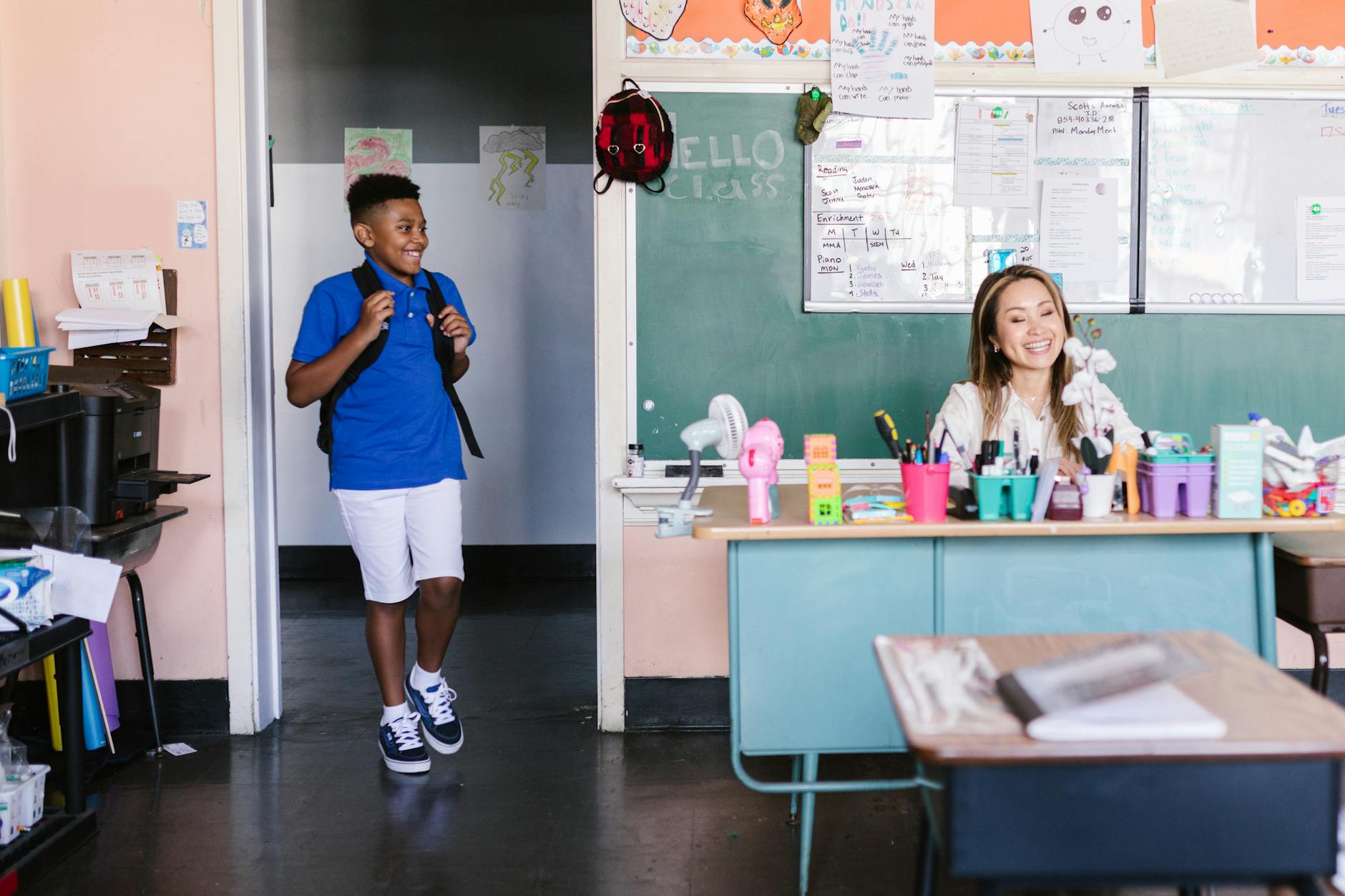
Professional teachers operate using backward design principles, continuous formative assessment, and intentional culture-building. They plan from learning targets, check understanding every 8-12 minutes using hinge questions or exit tickets, and establish routines that minimize disruptions while maximizing academic learning time.
Phase | Novice Teacher Approach | Professional Teacher Approach |
|---|---|---|
Before Unit | Plans engaging activities first, then tries to match standards | Uses backward design starting with standards and evidence, designing curriculum mapping and design before daily lessons |
During Lesson | Lectures then tests, discovers gaps on the exam | Deploys hinge questions every 12-15 minutes to catch misconceptions immediately |
Always | Uses consequences and punishment for control | Teaches procedures and builds intrinsic motivation through responsibility systems |
Backward Planning and Curriculum Design
I learned this the hard way with my 11th graders. I used to think being a good teacher meant hunting for "engaging" Macbeth activities, then shoehorning standards in later. The results were disjointed lessons where students had fun but missed the essential question: How does power corrupt?
Now I follow Wiggins and McTighe's Understanding by Design. Stage 1 means identifying desired results from the standards first. Stage 2 requires determining acceptable evidence before teaching a single day. Stage 3 plans the actual learning experiences last. I share these unit plans in my professional learning communities to get feedback on the assessment evidence before I commit to daily lessons.
For that Macbeth unit, I started with the Essential Question and designed the final performance task—a podcast analysis of corruption in modern politics—before writing daily lessons. This backward approach ensures every activity serves the learning target, not just the engagement meter.
Formative Assessment and Data-Driven Adjustments
Professional teachers don't wait for the test to see if students learned. Dylan Wiliam's five instructional strategies drive my formative and summative assessment strategies:
Clarifying learning intentions and criteria for success
Engineering effective classroom discussions and tasks
Providing feedback that moves learners forward
Activating students as instructional resources for one another
Activating students as owners of their own learning
The hinge question is my favorite tool. Every 12-15 minutes, I pose a multiple-choice question that targets a key concept. Students hold up cards with A, B, C, or D. I scan the room. Forty-five seconds later, I know if 28 students grasped the irony or if I need to reteach.
This beats hand-raising. You see every response simultaneously. No one hides behind a raised hand or averted eyes. When half the class misses the question, I adjust immediately rather than discovering the gap three days later on a quiz. That real-time data transforms teaching from guessing into precision.
Classroom Culture and Behavior Management
Pedagogical content knowledge means nothing if you can't manage the room. I use Marvin Marshall's Raise Responsibility System instead of punitive consequences. The system teaches procedures and creates intrinsic motivation by helping students understand levels of responsibility rather than obeying out of fear.
The Threshold procedure changed my mornings. I stand at the door greeting each student by name while checking their emotional state. The entry task is projected on the board. Materials are staged at each desk. Students have 90 seconds to settle before the bell rings. I tracked this routine over 10 days last semester and saw academic learning time increase by 15 percent compared to my previous start-of-class routine.
These classroom behavior management strategies work because they prevent disruptions rather than reacting to them. Student engagement depends on predictability and safety. When students know exactly what to expect, they use their mental energy for learning instead of wondering what the teacher wants. A professional teacher invests September in teaching procedures so April runs itself.
What Are the Daily Practices of Good Teachers?
Good teachers arrive 45-60 minutes early to review IEPs and set up materials, provide feedback within 24 hours using specific protocols like "Two Stars and a Wish," and spend 10 minutes journaling using Gibbs' Reflective Cycle to identify patterns in student confusion and instructional pivots.
Good teaching isn't magic. It's a series of deliberate moves executed at specific times. I learned this the hard way after years of scrambling.
Pre-Class Preparation and Student Check-Ins
I arrive at 7:00 AM for my 8:00 AM first period. That hour isn't for coffee and emails. It's for defensive teaching.
First, I pull up the digital IEP dashboard. I scan for three specific accommodations that matter for today's lesson: extended time, preferential seating, and fidget tools. I jot these on a sticky note for my clipboard. This takes four minutes. It saves forty minutes of disruption later.
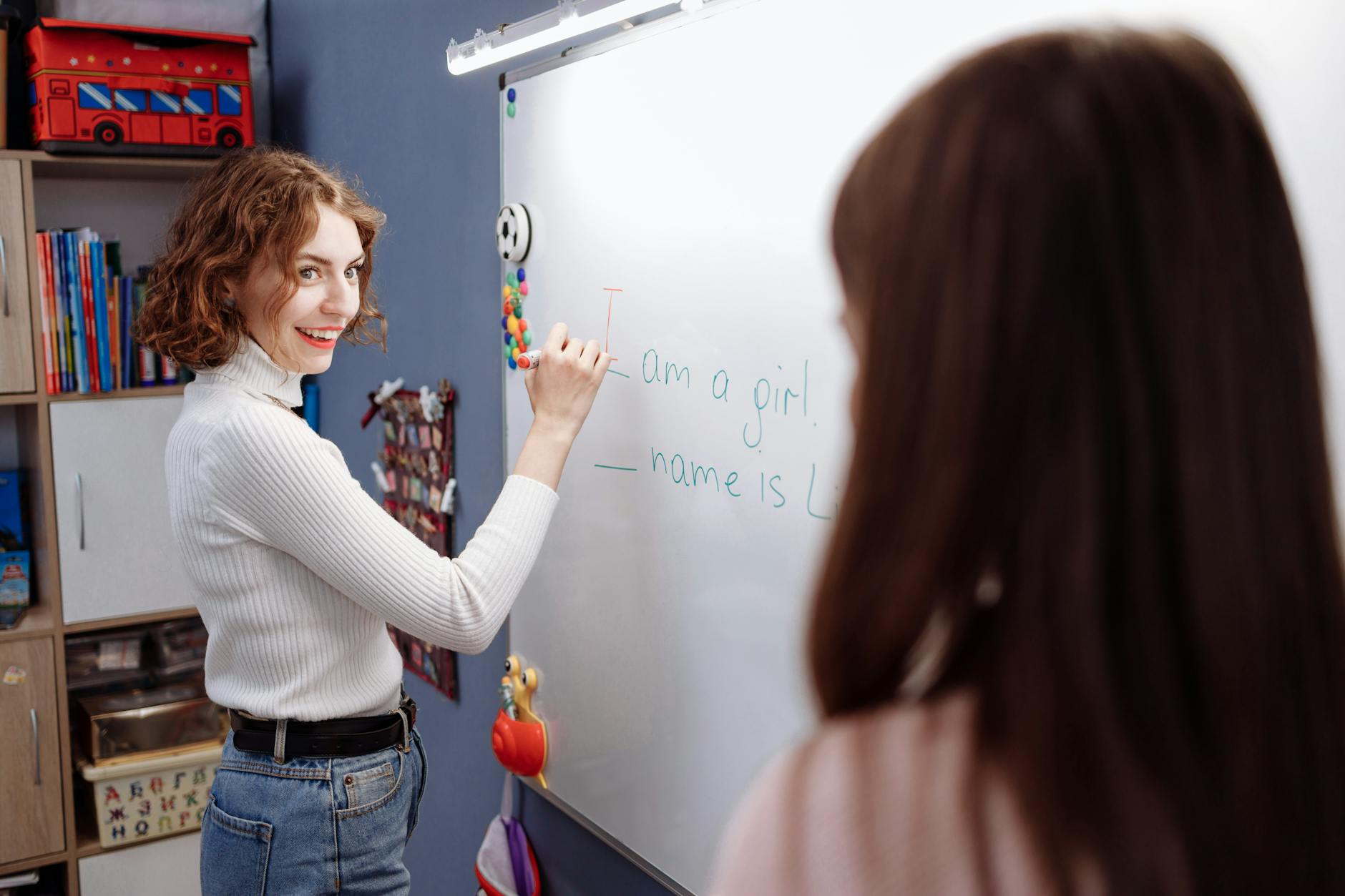
Then I set up the temperature check. I draw five emojis on the whiteboard—ranging from storm cloud to sun—as students enter. They mark their mood with a magnetic dot. This takes two minutes of class time. I spot the kid who needs a gentle start before I demand an essay thesis.
Last year, my 7th graders came in after a lockdown drill. The board showed three storm clouds and a tornado. I pivoted the lesson from a Socratic seminar to a writing warmup. We processed first, then learned. That's good teaching—reading the room before reading the text.
Classroom management starts here. You can't deliver solid pedagogical content knowledge to kids who are emotionally flooded. These morning rituals build the student engagement you need for the heavy lifting at 10:00 AM.
Skip the email rabbit hole. Your inbox will wait. These twenty minutes of preparation determine the effectiveness of your instructional strategies for the next six hours.
I keep the supplies ready. Fidget tools go on the corner desk. The back row stays empty for the kid who needs seating away from distractions. I write the accommodation list on my lesson plan so my co-teacher sees it instantly. We review it during our four-minute huddle before the bell. This is how professional learning communities function in practice—not in meetings, but in shared anticipation of student needs.
Timely and Actionable Feedback Systems
At 3:30 PM, I batch feedback. I have 150 students. I cannot write novels on every essay. I can deliver three sentences that move the needle.
I follow the 24-hour rule. Research shows feedback works best within 24 to 48 hours. After that, the cognitive connection snaps. The student looks at your comments and thinks, "I wrote this?" The moment is gone.
I use TAG feedback. It takes two to three minutes per essay.
Tell what worked specifically.
Ask one genuine question.
Give one actionable suggestion.
For bigger projects, I use Mote for 30-second voice comments. Hearing my tone prevents misinterpretation. It also saves my wrist.
Batching is essential. I grade five essays, then stand up. I grade five more. I use a timer. Forty-five minutes of focused work beats three hours of multitasking while Netflix plays. This discipline is key to maintaining a healthy work-life balance. Stop taking essays home for the weekend. You'll avoid them until Sunday night. Do them now, in chunks, while the coffee is hot.
The alternative is the feedback delay death spiral. Papers pile up for three weeks. They become meaningless. Students have moved on to new units. Your comments land on dead work. You feel guilty, so you avoid grading more. The pile grows. The shame deepens. I've been there. It breaks student trust and teacher sanity.
Good teachers refuse this spiral. We use formative assessment daily—not as a buzzword, but as a 10-minute exit ticket we scan before dinner. We correct the misconception tomorrow morning, not next month.
End-of-Day Reflection and Professional Journaling
At 4:00 PM, I close the door. I open my notebook. I do not check email. I reflect.
I use Gibbs' Reflective Cycle. I write one sentence for each stage.
Description: What happened?
Feelings: How did students respond?
Evaluation: What went well?
Analysis: Why did the lesson stall?
Conclusion: What else could I do?
Action Plan: What will I do next time?
This takes ten minutes. I use a simple tracking method. I note one win from the day. I note one puzzle I cannot solve yet. I note one adjustment for tomorrow's lesson. Three lines. Then I go home.
This practice separates good teachers from burned-out teachers. We process the day. We do not carry it home. We spot patterns that improve student engagement over time.
Reflection builds pedagogical content knowledge better than any conference. You become the researcher of your own classroom. You see the cause and effect of your moves. You stop blaming the kids. You start fixing the prompts.
Some teachers scoff at journaling. They say they don't have time. They have time for Instagram. They have time for complaining in the parking lot. They don't have time for the one practice that would fix the complaining. Ten minutes. Set a timer. Write garbage sentences. The act of writing orders your thoughts. Ordered thoughts create better instructional strategies. Better strategies create better student engagement.

How Can You Develop Into a Good Teacher?
Becoming a top teacher requires systematic self-assessment against professional standards like Danielson's Framework, creating targeted 90-day professional development plans focused on specific instructional competencies, and joining mentorship programs with National Board Certified Teachers or structured Professional Learning Communities meeting weekly to refine your practice.
Growth isn't accidental. It follows a pattern: Diagnose your gaps, train with precision, collaborate with peers who push you. Most teachers plateau because they skip the diagnosis phase and jump straight to random workshops. That approach wastes time and money.
Self-Assessment Against Professional Standards
You cannot improve what you refuse to see. Pull out the Charlotte Danielson Framework for Teaching and rate yourself honestly on Domain 2 (Classroom Environment) and Domain 3 (Instruction). Most teachers overestimate their performance on classroom management while underestimating their gaps in questioning techniques. Use the 1-4 scale ruthlessly. If you rate yourself a 4 on everything, you are not paying attention.
Last October, I recorded fifteen minutes of my 7th grade ELA class during a Socratic seminar. Watching the footage felt brutal. I paused the video every time I spoke and checked it against the Danielson rubric. My "Using Questioning and Discussion Techniques" score was a 2 at best. I asked three questions and answered them myself within eight seconds each. That video became my roadmap for the semester.
The Danielson Framework breaks teaching into four domains, but Domains 2 and 3 reveal your daily impact. Domain 2 covers how you establish a culture for learning and manage classroom procedures. Domain 3 digs into your instructional strategies, from how you communicate with students to how you demonstrate flexibility and responsiveness. Skip Domain 1 (Planning) for now. You can write lesson plans in your sleep. Focus on what happens when students enter the room.
Component 2a: Creating an Environment of Respect and Rapport — watch for teacher talk that shuts down student ideas.
Component 3b: Using Questioning and Discussion Techniques — count how many students speak during a fifteen-minute clip.
Component 3c: Engaging Students in Learning — check if the cognitive demand matches your objective or if students are just filling in blanks.
Component 3d: Using Assessment in Instruction — note whether you adjust your teaching based on wrong answers or just move to the next slide.
Video does not lie. Record fifteen minutes of instruction, rubric in hand, and identify your lowest-scoring component. Maybe your transitions eat up six minutes of a fifty-minute period. Maybe your wait time after questions lasts barely a second. Pick that one component as your target area. Do not try to fix everything at once. One targeted improvement beats ten vague resolutions.
This diagnostic phase separates good teachers from those who stay stagnant. When you know precisely that your formative assessment strategies scored a 2 on Domain 3, you stop attending generic "engagement" workshops. You look for specific training on checking for understanding. You stop guessing why lessons flop and start knowing. That clarity is worth more than any conference badge.
Targeted Professional Development Plans
Random workshops make you feel productive while teaching you nothing. I see teachers collect certificates like Pokémon cards without changing a single practice in their classrooms. This is PD hopping. It feels like career development opportunities for educators, but it is just expensive entertainment. You need a target, not a tour.
Build a ninety-day plan using SMART goals. Write it like this: "By December 15, I will implement three cold call techniques from Teach Like a Champion 2.0, resulting in twice as many students participating in discussions versus current levels." Specific. Measurable. Tied to your Danielson diagnosis. Not "get better at engagement." That is worthless.
Choose resources that match your budget and gap. Practice one technique from Teach Like a Champion for three weeks until it is automatic. Cost: zero dollars. Edutopia micro-credentials run about seventy-five dollars each and focus on discrete skills like "Using Formative Assessment to Drive Instruction." Local university extension courses cost three hundred to five hundred dollars but offer graduate credit. The New Teacher Network provides free virtual mentoring if you are in your first three years.
Most effective PD requires minimal financial investment. The best training often costs between zero and five hundred dollars. Free options like the New Teacher Network or your district's instructional coaching cost nothing but yield high returns. Paid options like university extension courses provide structure for those who need external accountability. Spend money only when free alternatives lack the specificity you identified in your diagnostic phase.
Time investment matters more than money. Spend three to five hours weekly on targeted development, not thirty minutes browsing teacher Instagram for inspiration. Read the strategy. Script it into your next lesson. Teach it. Video yourself. Check if it worked. This cycle beats any conference keynote about the future of education.
When you align every PD hour to your specific growth area, you stop being a tourist in your own profession. You become an engineer. Last year, I committed exclusively to improving my wait time and follow-up questioning. Three months later, my student engagement metrics shifted dramatically. Targeted beats scattered. Every time.
Mentorship and Collaborative Learning Communities
You cannot see your own blind spots. A National Board Certified Teacher or skilled instructional coach spots habits you have normalized. Meet weekly for thirty minutes using a strict protocol. Start with a celebration — something that worked. State your specific problem of practice. The mentor models a strategy. You commit to trying it before the next meeting. No wandering conversations. No venting without action.
This structure takes three to five hours weekly including prep and follow-up. That is less time than you spend grading papers that students ignore. Finding a mentor and building collaborative relationships requires vulnerability. You must show your lesson plans and your failures. But mentors who have walked the same halls accelerate your growth faster than any book or blog post.
Professional Learning Communities offer a different fuel. Join a grade-level or subject team that uses Richard DuFour's four essential questions. What do we want students to learn? How will we know they learned it? What will we do if they don't? What will we do if they already know it? Meet weekly for forty-five minutes. Analyze actual student work, not just lesson plans.
PLCs fail when they become complaint sessions or scheduling meetings. They work when you bring student work samples and examine them against standards. Look at six math exit tickets from Tuesday's lesson. Three students multiplied fractions correctly but used the wrong algorithm. That specific observation drives your upping your game as an educator better than any theoretical discussion about best practices.
The combination of individual mentorship and collaborative inquiry builds pedagogical content knowledge that sticks. Your mentor pushes your personal craft. Your PLC grounds you in what students actually learned versus what you taught. Together, they prevent the isolation that kills teaching careers. You stop guessing whether you are effective. You have data, observations, and colleagues who tell you the truth.
Structure these meetings for Tuesday or Wednesday afternoons when the week's lessons are fresh and course corrections still matter. Record the mentor session or PLC discussion for five minutes if your district allows it. Review those clips monthly to track how your questions about student work evolve. When you hear yourself asking "Why did the student think that?" instead of "Why didn't the student get it?", you know the collaboration is changing your instructional core.

Where Does Good Teacher Fit in Your Practice?
You already know what separates decent instruction from the kind that changes trajectories. It is not the posters on your walls or the tech tools you use. It is the daily decision to check for understanding, not plow ahead, to reteach when your gut says half the class is lost, and to build classroom management routines that stop issues before they start. Good teaching happens in those micro-moments when you choose clarity over coverage and patient explanations over pacing guides.
Your pedagogical content knowledge will deepen over time. Your instructional strategies will evolve. But the core work starts Monday morning with how you greet students at the door and how carefully you review their exit tickets. Student engagement is not a mystery. It is the result of intentional choices you make before the bell rings, when you decide which examples will land and which will fall flat.
Which single practice from this week will you refine first: your questioning technique, your feedback speed, or the way you handle the first five minutes of class?

What Is a Good Teacher?
A good teacher combines deep subject expertise with emotional intelligence and adaptive instruction. They possess pedagogical content knowledge to make complex ideas accessible, build trusting relationships, and continuously adjust methods based on student readiness, interests, and learning profiles.
Lee Shulman cracked the code back in the 1980s. He called it pedagogical content knowledge — knowing your subject plus knowing how to represent it for kids who don't get it yet. Picture three overlapping circles: content mastery, relationship skills, and adaptive practice. A good teacher lives in that center space. Being a quantum physicist doesn't automatically make you effective with ninth-grade algebra. PhDs often crash and burn in middle school because they can't translate their expertise into language a struggling kid can grasp.
Subject Mastery and Pedagogical Knowledge
Shulman argued that pedagogical content knowledge separates experts from educators. Take electromagnetic induction in AP Physics. You could open with Maxwell's equations and vector calculus. Or you could start with the jumping ring demo — a copper loop that leaps off a solenoid when you flip the switch. Students see physics happen before they meet the math. That's PCK: knowing which representation bridges the gap between abstract theory and a kid's lived experience.
You need enough content depth to anticipate where students will trip. Research suggests teachers need expertise roughly two to three grade levels above what they teach. An 8th-grade math teacher with calculus background can see why kids confuse slope and steepness. She can trace their error back to the coordinate plane, not just mark their answers wrong. That vertical perspective turns content knowledge into instructional strategies that prevent misconceptions before they cement.
This threshold explains why hiring content experts doesn't guarantee learning. A mathematician thinks in proofs; a teacher thinks in models and analogies. The translation layer is where the teaching happens.
Relationship Building and Emotional Intelligence
Daniel Goleman's emotional intelligence framework maps directly onto classroom management. Consider these five domains:
Self-awareness keeps you from taking student behavior personally.
Self-regulation stops you from escalating power struggles.
Motivation drives your persistence through difficult instructional cycles.
Empathy lets you read the room and respond rather than react.
Social skill helps you build alliances with difficult students and families.
These aren't soft skills; they're the foundation of student engagement. Without them, your formative assessment data is useless because kids won't risk failure in front of someone they don't trust. Consider mastering emotional intelligence as essential prep work, not an add-on.
I watched a master teacher handle a fourth grader sobbing over long division during a formal observation. She knelt to eye level, validated the frustration with "This feels hard right now," and offered two choices: take five minutes in the calm corner or work through the first step together at the side table. The student picked the table. They finished three problems while the rest of the class worked independently. That's the power of social skill applied in real time.
Kids learn from humans they trust. Goleman's framework gives language to that reality. It's not about being friends; it's about being strategically trustworthy.
Adaptive Instructional Methods
Carol Ann Tomlinson's differentiation model gives us the architecture for responsive teaching. You adjust the content, process, or product based on readiness, interest, and learning profile. This isn't about creating thirty different lesson plans. It's about knowing your students well enough to offer strategic entry points. Formative assessment drives these decisions, not gut feeling. You look at yesterday's exit ticket and shift today's grouping accordingly.
In a seventh-grade science lab on osmosis, I saw this done masterfully. The below-grade group received vocabulary support and guided notes alongside the gummy bear experiment. The on-grade group followed the standard protocol. The above-grade group designed their own osmosis experiments using different solvents and variables. Same learning target, three pathways. That's what professional learning communities should spend time building — not identical worksheets, but responsive instructional strategies.
The magic happens in the transitions. When one group finishes early, they don't just get more of the same. They extend. When another group struggles, you don't water down the objective; you scaffold the process. This flexibility separates rigid classroom management from responsive teaching.
Why Does Being a Good Teacher Matter?
Good teachers significantly impact student academic achievement, social-emotional development, and long-term life outcomes. Research indicates teacher quality is the single most important school-based factor in student learning, with effects persisting years after students leave the classroom.
Your instructional strategies determine whether a student remembers the lesson Monday morning or forgets it by the weekend. That difference compounds over months.
John Hattie's Visible Learning meta-analysis puts teacher expertise in the high-impact zone with an effect size of approximately 0.62. This places effective teaching above class size reduction, ability grouping, or most technology interventions. When you master pedagogical content knowledge, you fundamentally change how students process information. The data shows that what you do at the front of the room matters more than nearly any other school-based variable. That number represents real children learning to read, solve equations, or think critically because of your deliberate choices.
We often measure the wrong things. Teacher evaluation systems focus on visible behaviors like bulletin boards or lesson plan formats. Hattie's research suggests we should measure impact on student learning. That requires looking at growth metrics, not just proficiency percentages. When principals use data to identify which instructional strategies actually move the needle, they can target support where it matters instead of wasting time on compliance paperwork.
Standardized test scores fade from memory by July. But the influence of a good teacher echoes for decades. Research tracking students into adulthood shows that access to effective instruction in elementary years correlates with higher college attendance rates and increased lifetime earnings. Those ninth graders who seemed checked out? They carry your classroom management patterns and critical thinking habits into job interviews years later. You are building human capital that compounds at interest rates no bank can match.
The gap between effective and ineffective instruction is visible within weeks. Students with good teachers ask better questions. They collaborate without chaos. They persist through challenging texts because their teacher taught them specific comprehension strategies rather than just assigning chapters. These differences accumulate into twenty percentage point gaps on standardized assessments by spring. But more importantly, they create self-concepts as capable learners that persist long after the school year ends.
The opposite hurts. When novice teachers lack mentorship and structured support, their students lose ground—sometimes three to six months of learning growth compared to peers with experienced educators. I watched this happen in my second year teaching tenth-grade English. I had strong content knowledge but weak formative assessment skills. I assigned essays without checking drafts. My students paid the price while I figured out how to check for understanding without embarrassing anyone. That gap never fully closed for some of them.
Pedagogical content knowledge separates experts from novices. It's knowing that fractions are hard because they violate the pattern of whole numbers, not just that they involve numerators and denominators. Good teachers anticipate specific misconceptions. They know that students confuse area and perimeter because both use length measurements. That specialized knowledge allows you to craft examples that catch errors before they fossilize into bad habits.
Districts face a math problem. Recruiting and training a replacement teacher costs between $10,000 and $20,000 when you factor in advertising, interviewing, and onboarding. High turnover drains budgets that could fund professional learning communities or curriculum materials. Retaining good teachers isn't soft-hearted sentiment. It's fiscal survival. One veteran who stays five years saves the district enough to buy new science kits for every grade level. The students benefit from stability while the accountant benefits from solvency.
Isolation kills expertise. Professional learning communities allow you to dissect why a lesson failed with colleagues who understand your context. That collaboration prevents the three-to-six-month learning loss that happens when teachers struggle alone.
The impact isn't just academic. Good teachers create psychological safety that lowers cortisol levels. Students take risks in classrooms where formative assessment feels like coaching, not judgment. That safety translates to higher attendance and fewer disciplinary referrals. Kids show up because they know you see them.
Specific moves drive that 0.62 effect size. Clear learning intentions, timely feedback, and teaching students to self-assess. These aren't personality traits. They're learnable skills. When I shifted from lecturing about Romeo and Juliet to having my tenth graders track character motivations with visible thinking routines, comprehension scores jumped. The change wasn't the content. It was the strategy.
This connects to becoming a memorable teacher. Memorable educators combine expertise with relationships. They use student engagement techniques that stick because they understand how memory works. You don't need charisma. You need deliberate practice and colleagues who push your thinking. The teachers students remember ten years later are usually the ones who demanded their best work while believing they could achieve it. That balance of high expectations and high support defines the profession.
Understanding why quality matters changes how you view your daily decisions. Every pause for feedback, every adjustment to classroom management, every moment of genuine student engagement builds something that lasts. The question becomes how to operationalize these truths in the messy reality of Tuesday morning.
How Do Good Teachers Operate in the Classroom?
Professional teachers operate using backward design principles, continuous formative assessment, and intentional culture-building. They plan from learning targets, check understanding every 8-12 minutes using hinge questions or exit tickets, and establish routines that minimize disruptions while maximizing academic learning time.
Phase | Novice Teacher Approach | Professional Teacher Approach |
|---|---|---|
Before Unit | Plans engaging activities first, then tries to match standards | Uses backward design starting with standards and evidence, designing curriculum mapping and design before daily lessons |
During Lesson | Lectures then tests, discovers gaps on the exam | Deploys hinge questions every 12-15 minutes to catch misconceptions immediately |
Always | Uses consequences and punishment for control | Teaches procedures and builds intrinsic motivation through responsibility systems |
Backward Planning and Curriculum Design
I learned this the hard way with my 11th graders. I used to think being a good teacher meant hunting for "engaging" Macbeth activities, then shoehorning standards in later. The results were disjointed lessons where students had fun but missed the essential question: How does power corrupt?
Now I follow Wiggins and McTighe's Understanding by Design. Stage 1 means identifying desired results from the standards first. Stage 2 requires determining acceptable evidence before teaching a single day. Stage 3 plans the actual learning experiences last. I share these unit plans in my professional learning communities to get feedback on the assessment evidence before I commit to daily lessons.
For that Macbeth unit, I started with the Essential Question and designed the final performance task—a podcast analysis of corruption in modern politics—before writing daily lessons. This backward approach ensures every activity serves the learning target, not just the engagement meter.
Formative Assessment and Data-Driven Adjustments
Professional teachers don't wait for the test to see if students learned. Dylan Wiliam's five instructional strategies drive my formative and summative assessment strategies:
Clarifying learning intentions and criteria for success
Engineering effective classroom discussions and tasks
Providing feedback that moves learners forward
Activating students as instructional resources for one another
Activating students as owners of their own learning
The hinge question is my favorite tool. Every 12-15 minutes, I pose a multiple-choice question that targets a key concept. Students hold up cards with A, B, C, or D. I scan the room. Forty-five seconds later, I know if 28 students grasped the irony or if I need to reteach.
This beats hand-raising. You see every response simultaneously. No one hides behind a raised hand or averted eyes. When half the class misses the question, I adjust immediately rather than discovering the gap three days later on a quiz. That real-time data transforms teaching from guessing into precision.
Classroom Culture and Behavior Management
Pedagogical content knowledge means nothing if you can't manage the room. I use Marvin Marshall's Raise Responsibility System instead of punitive consequences. The system teaches procedures and creates intrinsic motivation by helping students understand levels of responsibility rather than obeying out of fear.
The Threshold procedure changed my mornings. I stand at the door greeting each student by name while checking their emotional state. The entry task is projected on the board. Materials are staged at each desk. Students have 90 seconds to settle before the bell rings. I tracked this routine over 10 days last semester and saw academic learning time increase by 15 percent compared to my previous start-of-class routine.
These classroom behavior management strategies work because they prevent disruptions rather than reacting to them. Student engagement depends on predictability and safety. When students know exactly what to expect, they use their mental energy for learning instead of wondering what the teacher wants. A professional teacher invests September in teaching procedures so April runs itself.
What Are the Daily Practices of Good Teachers?
Good teachers arrive 45-60 minutes early to review IEPs and set up materials, provide feedback within 24 hours using specific protocols like "Two Stars and a Wish," and spend 10 minutes journaling using Gibbs' Reflective Cycle to identify patterns in student confusion and instructional pivots.
Good teaching isn't magic. It's a series of deliberate moves executed at specific times. I learned this the hard way after years of scrambling.
Pre-Class Preparation and Student Check-Ins
I arrive at 7:00 AM for my 8:00 AM first period. That hour isn't for coffee and emails. It's for defensive teaching.
First, I pull up the digital IEP dashboard. I scan for three specific accommodations that matter for today's lesson: extended time, preferential seating, and fidget tools. I jot these on a sticky note for my clipboard. This takes four minutes. It saves forty minutes of disruption later.
Then I set up the temperature check. I draw five emojis on the whiteboard—ranging from storm cloud to sun—as students enter. They mark their mood with a magnetic dot. This takes two minutes of class time. I spot the kid who needs a gentle start before I demand an essay thesis.
Last year, my 7th graders came in after a lockdown drill. The board showed three storm clouds and a tornado. I pivoted the lesson from a Socratic seminar to a writing warmup. We processed first, then learned. That's good teaching—reading the room before reading the text.
Classroom management starts here. You can't deliver solid pedagogical content knowledge to kids who are emotionally flooded. These morning rituals build the student engagement you need for the heavy lifting at 10:00 AM.
Skip the email rabbit hole. Your inbox will wait. These twenty minutes of preparation determine the effectiveness of your instructional strategies for the next six hours.
I keep the supplies ready. Fidget tools go on the corner desk. The back row stays empty for the kid who needs seating away from distractions. I write the accommodation list on my lesson plan so my co-teacher sees it instantly. We review it during our four-minute huddle before the bell. This is how professional learning communities function in practice—not in meetings, but in shared anticipation of student needs.
Timely and Actionable Feedback Systems
At 3:30 PM, I batch feedback. I have 150 students. I cannot write novels on every essay. I can deliver three sentences that move the needle.
I follow the 24-hour rule. Research shows feedback works best within 24 to 48 hours. After that, the cognitive connection snaps. The student looks at your comments and thinks, "I wrote this?" The moment is gone.
I use TAG feedback. It takes two to three minutes per essay.
Tell what worked specifically.
Ask one genuine question.
Give one actionable suggestion.
For bigger projects, I use Mote for 30-second voice comments. Hearing my tone prevents misinterpretation. It also saves my wrist.
Batching is essential. I grade five essays, then stand up. I grade five more. I use a timer. Forty-five minutes of focused work beats three hours of multitasking while Netflix plays. This discipline is key to maintaining a healthy work-life balance. Stop taking essays home for the weekend. You'll avoid them until Sunday night. Do them now, in chunks, while the coffee is hot.
The alternative is the feedback delay death spiral. Papers pile up for three weeks. They become meaningless. Students have moved on to new units. Your comments land on dead work. You feel guilty, so you avoid grading more. The pile grows. The shame deepens. I've been there. It breaks student trust and teacher sanity.
Good teachers refuse this spiral. We use formative assessment daily—not as a buzzword, but as a 10-minute exit ticket we scan before dinner. We correct the misconception tomorrow morning, not next month.
End-of-Day Reflection and Professional Journaling
At 4:00 PM, I close the door. I open my notebook. I do not check email. I reflect.
I use Gibbs' Reflective Cycle. I write one sentence for each stage.
Description: What happened?
Feelings: How did students respond?
Evaluation: What went well?
Analysis: Why did the lesson stall?
Conclusion: What else could I do?
Action Plan: What will I do next time?
This takes ten minutes. I use a simple tracking method. I note one win from the day. I note one puzzle I cannot solve yet. I note one adjustment for tomorrow's lesson. Three lines. Then I go home.
This practice separates good teachers from burned-out teachers. We process the day. We do not carry it home. We spot patterns that improve student engagement over time.
Reflection builds pedagogical content knowledge better than any conference. You become the researcher of your own classroom. You see the cause and effect of your moves. You stop blaming the kids. You start fixing the prompts.
Some teachers scoff at journaling. They say they don't have time. They have time for Instagram. They have time for complaining in the parking lot. They don't have time for the one practice that would fix the complaining. Ten minutes. Set a timer. Write garbage sentences. The act of writing orders your thoughts. Ordered thoughts create better instructional strategies. Better strategies create better student engagement.
How Can You Develop Into a Good Teacher?
Becoming a top teacher requires systematic self-assessment against professional standards like Danielson's Framework, creating targeted 90-day professional development plans focused on specific instructional competencies, and joining mentorship programs with National Board Certified Teachers or structured Professional Learning Communities meeting weekly to refine your practice.
Growth isn't accidental. It follows a pattern: Diagnose your gaps, train with precision, collaborate with peers who push you. Most teachers plateau because they skip the diagnosis phase and jump straight to random workshops. That approach wastes time and money.
Self-Assessment Against Professional Standards
You cannot improve what you refuse to see. Pull out the Charlotte Danielson Framework for Teaching and rate yourself honestly on Domain 2 (Classroom Environment) and Domain 3 (Instruction). Most teachers overestimate their performance on classroom management while underestimating their gaps in questioning techniques. Use the 1-4 scale ruthlessly. If you rate yourself a 4 on everything, you are not paying attention.
Last October, I recorded fifteen minutes of my 7th grade ELA class during a Socratic seminar. Watching the footage felt brutal. I paused the video every time I spoke and checked it against the Danielson rubric. My "Using Questioning and Discussion Techniques" score was a 2 at best. I asked three questions and answered them myself within eight seconds each. That video became my roadmap for the semester.
The Danielson Framework breaks teaching into four domains, but Domains 2 and 3 reveal your daily impact. Domain 2 covers how you establish a culture for learning and manage classroom procedures. Domain 3 digs into your instructional strategies, from how you communicate with students to how you demonstrate flexibility and responsiveness. Skip Domain 1 (Planning) for now. You can write lesson plans in your sleep. Focus on what happens when students enter the room.
Component 2a: Creating an Environment of Respect and Rapport — watch for teacher talk that shuts down student ideas.
Component 3b: Using Questioning and Discussion Techniques — count how many students speak during a fifteen-minute clip.
Component 3c: Engaging Students in Learning — check if the cognitive demand matches your objective or if students are just filling in blanks.
Component 3d: Using Assessment in Instruction — note whether you adjust your teaching based on wrong answers or just move to the next slide.
Video does not lie. Record fifteen minutes of instruction, rubric in hand, and identify your lowest-scoring component. Maybe your transitions eat up six minutes of a fifty-minute period. Maybe your wait time after questions lasts barely a second. Pick that one component as your target area. Do not try to fix everything at once. One targeted improvement beats ten vague resolutions.
This diagnostic phase separates good teachers from those who stay stagnant. When you know precisely that your formative assessment strategies scored a 2 on Domain 3, you stop attending generic "engagement" workshops. You look for specific training on checking for understanding. You stop guessing why lessons flop and start knowing. That clarity is worth more than any conference badge.
Targeted Professional Development Plans
Random workshops make you feel productive while teaching you nothing. I see teachers collect certificates like Pokémon cards without changing a single practice in their classrooms. This is PD hopping. It feels like career development opportunities for educators, but it is just expensive entertainment. You need a target, not a tour.
Build a ninety-day plan using SMART goals. Write it like this: "By December 15, I will implement three cold call techniques from Teach Like a Champion 2.0, resulting in twice as many students participating in discussions versus current levels." Specific. Measurable. Tied to your Danielson diagnosis. Not "get better at engagement." That is worthless.
Choose resources that match your budget and gap. Practice one technique from Teach Like a Champion for three weeks until it is automatic. Cost: zero dollars. Edutopia micro-credentials run about seventy-five dollars each and focus on discrete skills like "Using Formative Assessment to Drive Instruction." Local university extension courses cost three hundred to five hundred dollars but offer graduate credit. The New Teacher Network provides free virtual mentoring if you are in your first three years.
Most effective PD requires minimal financial investment. The best training often costs between zero and five hundred dollars. Free options like the New Teacher Network or your district's instructional coaching cost nothing but yield high returns. Paid options like university extension courses provide structure for those who need external accountability. Spend money only when free alternatives lack the specificity you identified in your diagnostic phase.
Time investment matters more than money. Spend three to five hours weekly on targeted development, not thirty minutes browsing teacher Instagram for inspiration. Read the strategy. Script it into your next lesson. Teach it. Video yourself. Check if it worked. This cycle beats any conference keynote about the future of education.
When you align every PD hour to your specific growth area, you stop being a tourist in your own profession. You become an engineer. Last year, I committed exclusively to improving my wait time and follow-up questioning. Three months later, my student engagement metrics shifted dramatically. Targeted beats scattered. Every time.
Mentorship and Collaborative Learning Communities
You cannot see your own blind spots. A National Board Certified Teacher or skilled instructional coach spots habits you have normalized. Meet weekly for thirty minutes using a strict protocol. Start with a celebration — something that worked. State your specific problem of practice. The mentor models a strategy. You commit to trying it before the next meeting. No wandering conversations. No venting without action.
This structure takes three to five hours weekly including prep and follow-up. That is less time than you spend grading papers that students ignore. Finding a mentor and building collaborative relationships requires vulnerability. You must show your lesson plans and your failures. But mentors who have walked the same halls accelerate your growth faster than any book or blog post.
Professional Learning Communities offer a different fuel. Join a grade-level or subject team that uses Richard DuFour's four essential questions. What do we want students to learn? How will we know they learned it? What will we do if they don't? What will we do if they already know it? Meet weekly for forty-five minutes. Analyze actual student work, not just lesson plans.
PLCs fail when they become complaint sessions or scheduling meetings. They work when you bring student work samples and examine them against standards. Look at six math exit tickets from Tuesday's lesson. Three students multiplied fractions correctly but used the wrong algorithm. That specific observation drives your upping your game as an educator better than any theoretical discussion about best practices.
The combination of individual mentorship and collaborative inquiry builds pedagogical content knowledge that sticks. Your mentor pushes your personal craft. Your PLC grounds you in what students actually learned versus what you taught. Together, they prevent the isolation that kills teaching careers. You stop guessing whether you are effective. You have data, observations, and colleagues who tell you the truth.
Structure these meetings for Tuesday or Wednesday afternoons when the week's lessons are fresh and course corrections still matter. Record the mentor session or PLC discussion for five minutes if your district allows it. Review those clips monthly to track how your questions about student work evolve. When you hear yourself asking "Why did the student think that?" instead of "Why didn't the student get it?", you know the collaboration is changing your instructional core.
Where Does Good Teacher Fit in Your Practice?
You already know what separates decent instruction from the kind that changes trajectories. It is not the posters on your walls or the tech tools you use. It is the daily decision to check for understanding, not plow ahead, to reteach when your gut says half the class is lost, and to build classroom management routines that stop issues before they start. Good teaching happens in those micro-moments when you choose clarity over coverage and patient explanations over pacing guides.
Your pedagogical content knowledge will deepen over time. Your instructional strategies will evolve. But the core work starts Monday morning with how you greet students at the door and how carefully you review their exit tickets. Student engagement is not a mystery. It is the result of intentional choices you make before the bell rings, when you decide which examples will land and which will fall flat.
Which single practice from this week will you refine first: your questioning technique, your feedback speed, or the way you handle the first five minutes of class?
Still grading everything by hand?
EMStudio is a free teaching management app — manage your classes, students, lessons, and more!
Learn More
Still grading everything by hand?
EMStudio is a free teaching management app — manage your classes, students, lessons, and more!
Learn More



Notion4Teachers
Notion templates to simplify administrative tasks and enhance your teaching experience.



2026 Notion4Teachers. All Rights Reserved.
Notion4Teachers
Notion templates to simplify administrative tasks and enhance your teaching experience.
2026 Notion4Teachers. All Rights Reserved.
Notion4Teachers
Notion templates to simplify administrative tasks and enhance your teaching experience.
2026 Notion4Teachers. All Rights Reserved.