How Digital Tools Are Changing the Way Students Prepare for Certification Exams
How Digital Tools Are Changing the Way Students Prepare for Certification Exams

Article by
Milo
ESL Content Coordinator & Educator
ESL Content Coordinator & Educator
All Posts

Most students preparing for certification exams spend hours reviewing material they already know while the gaps that actually matter go unaddressed. Digital tools are changing that pattern, and their impact on exam preparation has become increasingly difficult to ignore.
At their core, platforms built around AI and adaptive learning track how a student responds to each question, then adjust what comes next based on that data. Rather than working through a fixed curriculum, students get directed toward their knowledge gaps automatically. This kind of personalized learning means study time goes where it is actually needed, not where it feels comfortable.
The feedback loop is another area where digital tools outperform traditional methods. Research consistently shows that practice tests outperform passive study methods, largely because instant feedback forces active recall rather than passive recognition. Performance tracking adds another layer, giving students a clear picture of progress over time rather than a vague sense of readiness.
Then there is the question of exam-day familiarity. Simulated test environments boost retention by replicating the format, pacing, and pressure of the real thing. Mock exams in particular help reduce uncertainty, since the actual certification exam feels less unfamiliar when students have already practiced under similar conditions.
Still grading everything by hand?
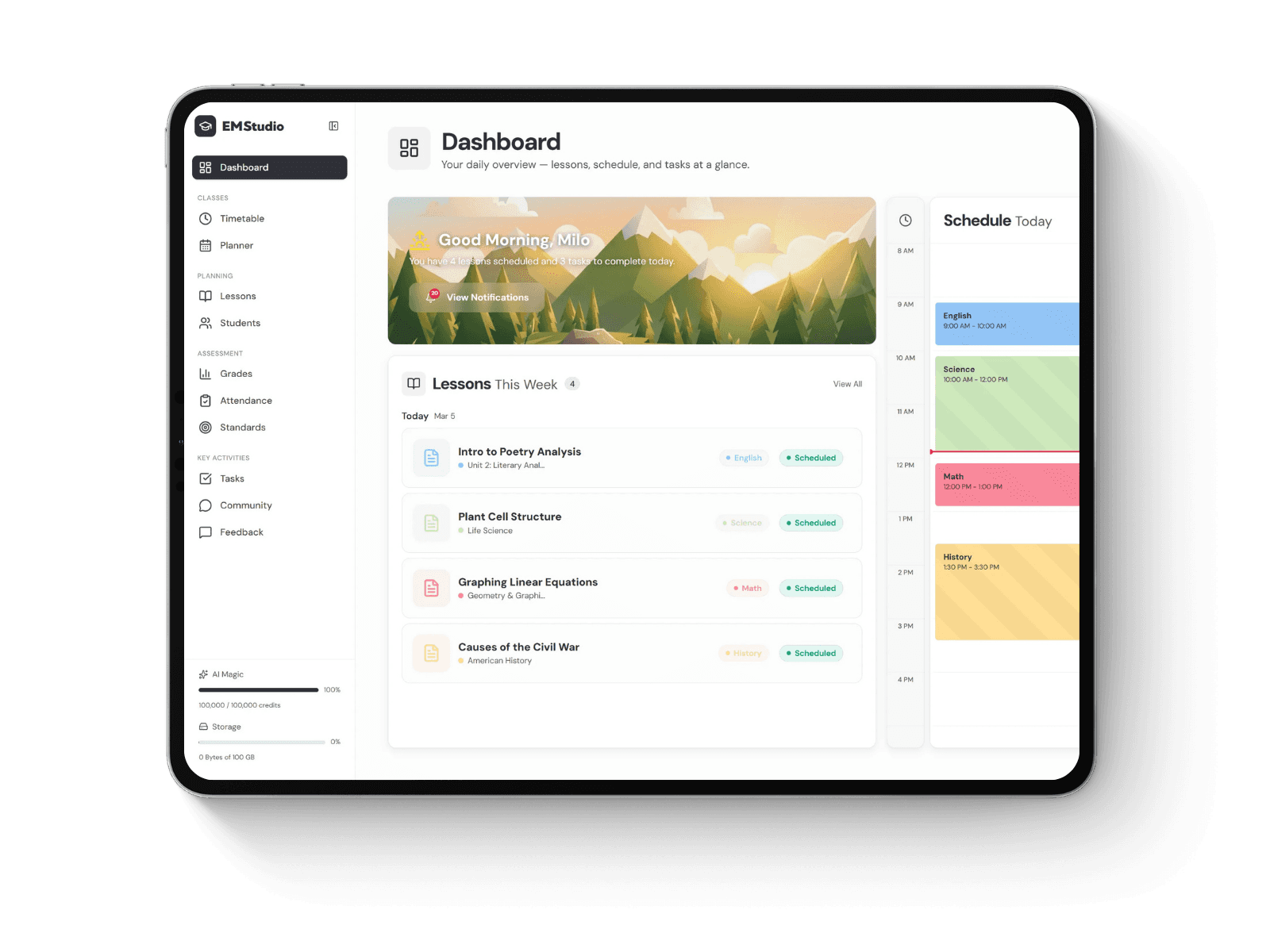
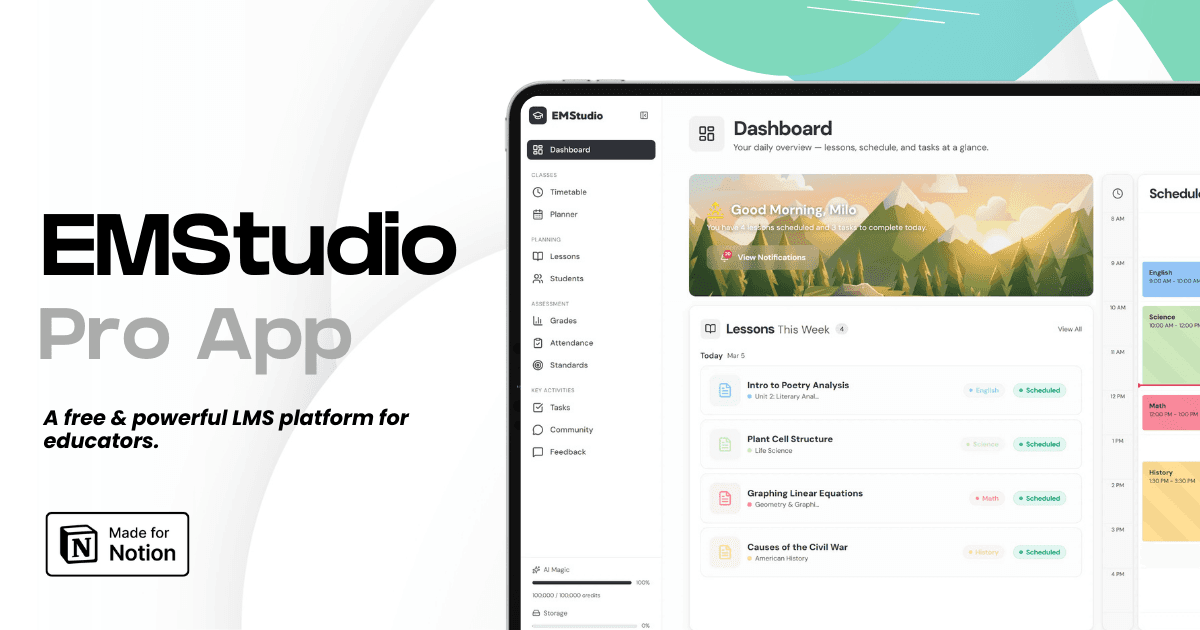
EMStudio is a free teaching management app — manage your classes, students, lessons, and more!
Learn More
Still grading everything by hand?
EMStudio is a free teaching management app — manage your classes, students, lessons, and more!
Learn More
Table of Contents
What Digital Tools Do Best for Exam Prep
They Personalize What to Study Next
Digital tools help students focus on weak areas instead of reviewing everything equally. AI and adaptive learning platforms adjust question difficulty and pacing based on performance, so the experience shifts with the student rather than staying fixed.
This kind of personalized learning means study time goes where it is actually needed. Rather than working through a static curriculum, students get directed toward their knowledge gaps automatically, which makes each session more efficient than the last.
They Shorten the Feedback Loop
Instant feedback is one of the most practical advantages digital tools offer. When a student answers a question incorrectly, immediate correction resolves the confusion before it compounds, rather than letting a misunderstanding sit until the next review session.
Performance tracking builds on this by showing progress across multiple sessions. Students can see which areas have improved and which still need attention, turning what might otherwise feel like vague effort into something measurable and actionable.
They Make Practice Feel Like the Real Exam
Mock exams and simulated test environments prepare students for the format, pacing, and pressure of certification exams in ways that passive review simply cannot. Students who have already worked through dozens of practice questions in a realistic setting tend to find the actual exam far less disorienting.
Resources built around this principle offer structured practice that mirrors what test-takers will face. To see this approach in action, visit PracticeCNATest.com, where simulated exams expose pacing weaknesses and question-format gaps that only become visible under realistic conditions.
Why These Tools Change Study Behavior
The features described above do more than improve individual study sessions. Over time, they shift how students approach preparation altogether, moving them away from passive memorization and toward targeted, data-informed habits.
Data Turns Weak Spots Into Clear Priorities
Most students naturally gravitate toward content they already understand, which creates a false sense of readiness. Data analytics changes that dynamic by surfacing patterns students would likely miss on their own.
Smart learning platforms track performance across topics, question types, and time, then present that information in ways that make knowledge gaps visible rather than vague. Instead of relying on a gut feeling about where to focus, students can see exactly which areas are costing them points.
This shift from intuition to evidence is where government research on AI tools for studying has highlighted meaningful changes in how learners approach exam preparation. Machine learning models can identify patterns across thousands of responses, translating that data into actionable priorities for the individual student.
Automation Helps Students Protect Study Time
Time management is one of the most consistent challenges in certification prep, particularly for students balancing work or other responsibilities. Automated reminders, progress dashboards, and adaptive scheduling reduce the friction of deciding what to study next.
When that decision is already made, students are more likely to follow through rather than delay or default to easier material. The behavioral shift is straightforward: less time spent planning means more time spent practicing the right content.
How Technology Can Lower Exam Anxiety
Exam anxiety rarely stems from laziness or lack of effort. More often, it comes from uncertainty, specifically not knowing what the test will look like, which topics to expect, or whether preparation has actually been enough.
Repeated exposure to mock exams directly addresses that uncertainty. When students have worked through dozens of practice questions in a format that mirrors the real certification exam, the experience on test day feels recognizable rather than overwhelming.
Progress tracking adds another dimension to this. When preparation feels measurable, it replaces vague worry with something concrete. Students can see scores improving over time, identify which areas have strengthened, and approach test day with evidence of their readiness rather than a gut feeling.
Instant feedback plays a supporting role throughout this process. Rather than sitting with a wrong answer and moving on, students get immediate correction that resolves confusion before it compounds. Together, these features shift the emotional experience of studying from anxiety-driven guessing toward structured, visible progress.
Where Digital Prep Still Falls Short

Digital tools offer real advantages, but they also come with limitations worth understanding. Recognizing those limits is part of using them well.
Tools Cannot Replace Discipline
Digital tools are supplements to focused study habits, not replacements for them. A well-designed platform can surface knowledge gaps and schedule reminders, but it cannot manufacture the consistency required to actually close those gaps.
One growing concern in educational technology is over-reliance. When AI systems handle too much of the cognitive load, offering hints or breaking problems into micro-steps, students may engage with the surface of a task rather than thinking through it independently. That kind of dependency can quietly undermine the deep retrieval practice that certification exams actually test. LMS platforms and adaptive systems are most effective when students treat them as structured tools, not as shortcuts.
Access and Privacy Still Matter
Personalized learning depends on consistent access to stable internet and capable devices, which not every student has in equal measure. The benefits of data analytics and adaptive scheduling are difficult to realize when connectivity is unreliable or platform costs are prohibitive.
Privacy is a separate concern worth acknowledging. Educational technology platforms collect detailed behavioral data to power their recommendations, and students should understand what that data includes and how it is stored. As AI becomes more embedded in exam preparation, the standards governing data collection in this space deserve attention alongside the performance benefits these tools provide.
The Best Results Come From Blended Prep
Digital tools work best when they operate alongside structured human habits rather than as a replacement for them. Strong exam preparation still depends on scheduling, note-taking, and active recall practices that no platform can automate.
Blended learning frameworks recognize this balance. Students who combine AI tools for studying with deliberate offline review tend to retain material more effectively than those who rely on either approach alone. The platform identifies the gaps; the student closes them through repetition and focused effort.
Teachers, mentors, and peer groups add a layer of accountability that an LMS simply cannot replicate. External expectations, discussion, and shared timelines create consistency that self-directed personalized learning sometimes struggles to maintain on its own. Exam preparation is ultimately a sustained process, and the structure around it still needs to be built by the student, ideally with support from people invested in the outcome.
Final Thoughts
Digital tools have shifted exam preparation from a passive review process into something more targeted and measurable. Platforms built around adaptive learning can surface knowledge gaps, simulate test conditions, and track progress in ways that fixed study materials simply cannot match.
Their most meaningful contributions remain personalization, immediate feedback, and realistic exam simulation. When students engage with these features consistently, the certification exam feels less like an unknown variable and more like a familiar challenge.
That consistency, however, still depends on the student. Technology can organize the path and make priorities visible, but it cannot replace the discipline required to follow through. The strongest outcomes come when digital tools support deliberate habits rather than substitute for them. Exam preparation remains a human process, and these tools simply make it a more informed one.
What Digital Tools Do Best for Exam Prep
They Personalize What to Study Next
Digital tools help students focus on weak areas instead of reviewing everything equally. AI and adaptive learning platforms adjust question difficulty and pacing based on performance, so the experience shifts with the student rather than staying fixed.
This kind of personalized learning means study time goes where it is actually needed. Rather than working through a static curriculum, students get directed toward their knowledge gaps automatically, which makes each session more efficient than the last.
They Shorten the Feedback Loop
Instant feedback is one of the most practical advantages digital tools offer. When a student answers a question incorrectly, immediate correction resolves the confusion before it compounds, rather than letting a misunderstanding sit until the next review session.
Performance tracking builds on this by showing progress across multiple sessions. Students can see which areas have improved and which still need attention, turning what might otherwise feel like vague effort into something measurable and actionable.
They Make Practice Feel Like the Real Exam
Mock exams and simulated test environments prepare students for the format, pacing, and pressure of certification exams in ways that passive review simply cannot. Students who have already worked through dozens of practice questions in a realistic setting tend to find the actual exam far less disorienting.
Resources built around this principle offer structured practice that mirrors what test-takers will face. To see this approach in action, visit PracticeCNATest.com, where simulated exams expose pacing weaknesses and question-format gaps that only become visible under realistic conditions.
Why These Tools Change Study Behavior
The features described above do more than improve individual study sessions. Over time, they shift how students approach preparation altogether, moving them away from passive memorization and toward targeted, data-informed habits.
Data Turns Weak Spots Into Clear Priorities
Most students naturally gravitate toward content they already understand, which creates a false sense of readiness. Data analytics changes that dynamic by surfacing patterns students would likely miss on their own.
Smart learning platforms track performance across topics, question types, and time, then present that information in ways that make knowledge gaps visible rather than vague. Instead of relying on a gut feeling about where to focus, students can see exactly which areas are costing them points.
This shift from intuition to evidence is where government research on AI tools for studying has highlighted meaningful changes in how learners approach exam preparation. Machine learning models can identify patterns across thousands of responses, translating that data into actionable priorities for the individual student.
Automation Helps Students Protect Study Time
Time management is one of the most consistent challenges in certification prep, particularly for students balancing work or other responsibilities. Automated reminders, progress dashboards, and adaptive scheduling reduce the friction of deciding what to study next.
When that decision is already made, students are more likely to follow through rather than delay or default to easier material. The behavioral shift is straightforward: less time spent planning means more time spent practicing the right content.
How Technology Can Lower Exam Anxiety
Exam anxiety rarely stems from laziness or lack of effort. More often, it comes from uncertainty, specifically not knowing what the test will look like, which topics to expect, or whether preparation has actually been enough.
Repeated exposure to mock exams directly addresses that uncertainty. When students have worked through dozens of practice questions in a format that mirrors the real certification exam, the experience on test day feels recognizable rather than overwhelming.
Progress tracking adds another dimension to this. When preparation feels measurable, it replaces vague worry with something concrete. Students can see scores improving over time, identify which areas have strengthened, and approach test day with evidence of their readiness rather than a gut feeling.
Instant feedback plays a supporting role throughout this process. Rather than sitting with a wrong answer and moving on, students get immediate correction that resolves confusion before it compounds. Together, these features shift the emotional experience of studying from anxiety-driven guessing toward structured, visible progress.
Where Digital Prep Still Falls Short
Digital tools offer real advantages, but they also come with limitations worth understanding. Recognizing those limits is part of using them well.
Tools Cannot Replace Discipline
Digital tools are supplements to focused study habits, not replacements for them. A well-designed platform can surface knowledge gaps and schedule reminders, but it cannot manufacture the consistency required to actually close those gaps.
One growing concern in educational technology is over-reliance. When AI systems handle too much of the cognitive load, offering hints or breaking problems into micro-steps, students may engage with the surface of a task rather than thinking through it independently. That kind of dependency can quietly undermine the deep retrieval practice that certification exams actually test. LMS platforms and adaptive systems are most effective when students treat them as structured tools, not as shortcuts.
Access and Privacy Still Matter
Personalized learning depends on consistent access to stable internet and capable devices, which not every student has in equal measure. The benefits of data analytics and adaptive scheduling are difficult to realize when connectivity is unreliable or platform costs are prohibitive.
Privacy is a separate concern worth acknowledging. Educational technology platforms collect detailed behavioral data to power their recommendations, and students should understand what that data includes and how it is stored. As AI becomes more embedded in exam preparation, the standards governing data collection in this space deserve attention alongside the performance benefits these tools provide.
The Best Results Come From Blended Prep
Digital tools work best when they operate alongside structured human habits rather than as a replacement for them. Strong exam preparation still depends on scheduling, note-taking, and active recall practices that no platform can automate.
Blended learning frameworks recognize this balance. Students who combine AI tools for studying with deliberate offline review tend to retain material more effectively than those who rely on either approach alone. The platform identifies the gaps; the student closes them through repetition and focused effort.
Teachers, mentors, and peer groups add a layer of accountability that an LMS simply cannot replicate. External expectations, discussion, and shared timelines create consistency that self-directed personalized learning sometimes struggles to maintain on its own. Exam preparation is ultimately a sustained process, and the structure around it still needs to be built by the student, ideally with support from people invested in the outcome.
Final Thoughts
Digital tools have shifted exam preparation from a passive review process into something more targeted and measurable. Platforms built around adaptive learning can surface knowledge gaps, simulate test conditions, and track progress in ways that fixed study materials simply cannot match.
Their most meaningful contributions remain personalization, immediate feedback, and realistic exam simulation. When students engage with these features consistently, the certification exam feels less like an unknown variable and more like a familiar challenge.
That consistency, however, still depends on the student. Technology can organize the path and make priorities visible, but it cannot replace the discipline required to follow through. The strongest outcomes come when digital tools support deliberate habits rather than substitute for them. Exam preparation remains a human process, and these tools simply make it a more informed one.
Still grading everything by hand?
EMStudio is a free teaching management app — manage your classes, students, lessons, and more!
Learn More
Still grading everything by hand?
EMStudio is a free teaching management app — manage your classes, students, lessons, and more!
Learn More


Notion4Teachers
Notion templates to simplify administrative tasks and enhance your teaching experience.



2026 Notion4Teachers. All Rights Reserved.
Notion4Teachers
Notion templates to simplify administrative tasks and enhance your teaching experience.
2026 Notion4Teachers. All Rights Reserved.
Notion4Teachers
Notion templates to simplify administrative tasks and enhance your teaching experience.
2026 Notion4Teachers. All Rights Reserved.