Essential Skills Every New Teacher Needs to Succeed
Essential Skills Every New Teacher Needs to Succeed

Article by
Milo
ESL Content Coordinator & Educator
ESL Content Coordinator & Educator
All Posts
Teaching is always about making choices. There are a handful of skills every successful new teacher should cultivate.
Teaching is challenging, particularly during the early years of teaching practice. It is necessary to learn how to prepare well ahead of every lesson and communicate in a way that will help keep students interested and willing to engage in discussions. As every class brings new experiences, there is little chance that experience alone will be enough to help a new teacher deal with every difficulty that may occur. Yet developing key skills in advance can make the process much easier.
Still grading everything by hand?
EMStudio is a free teaching management app — manage your classes, students, lessons, and more!
Learn More

Still grading everything by hand?
EMStudio is a free teaching management app — manage your classes, students, lessons, and more!
Learn More
Table of Contents
Improving Communication and Class Control
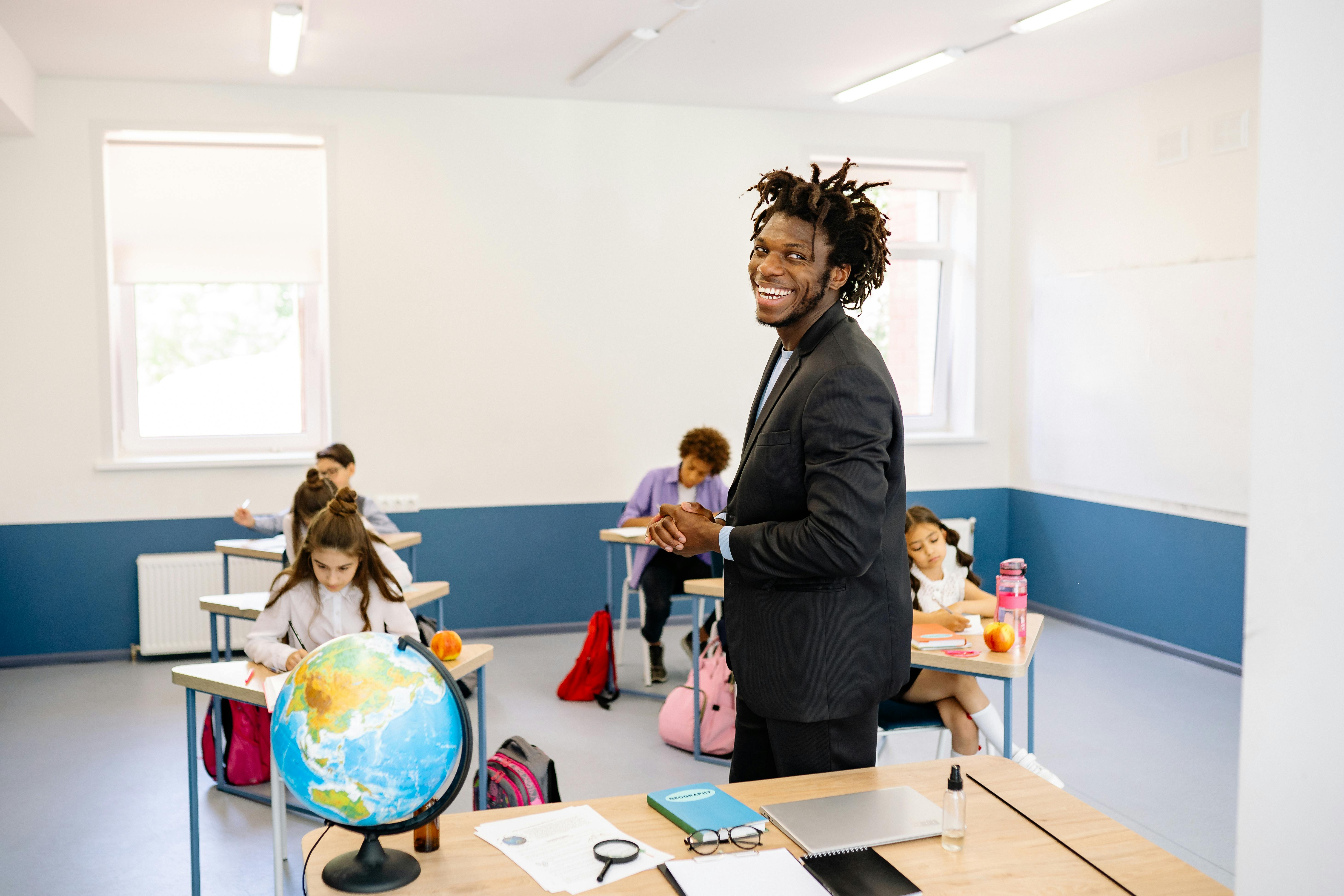
Communication and classroom presence are two skills that play a pivotal role in any teaching practice. Communicating well means not only being able to deliver information in a clear manner, but also being able to interact with students in a way that will make them want to participate in classroom activities. Good communication skills help build a rapport with students. It is essential to be able to listen to their opinions and understand their point of view. The best way to make students respond is to ask thought-provoking questions and then adjust your explanation to the students' responses.
A lot of teachers choose to improve their communication skills further through additional education and training, including the acquisition of a higher Ed EdD degree or another supplementary course. No matter what route you choose, developing a set of skills that will help you become a better communicator can greatly impact your future success.
Organizing Lessons and Managing Time Effectively
Lesson planning is another skill every successful teacher should possess. A well-organized lesson creates clear conditions in the classroom as both students and teachers know what goals need to be achieved. Being prepared means that everything will go according to the plans you have made. However, it is important to anticipate possible obstacles and think of ways to address them in advance. A good understanding of your lesson objectives helps teachers remain focused even if something goes awry.
Organizing during the lesson time itself is equally important. The better you organize classes, the easier it will be to complete all tasks in time. Being organized means keeping records of all relevant dates and details and using available resources effectively. You might have to try several different approaches before you find out what works best in your case, but staying consistent can be extremely helpful.
Dealing with Behavioral Issues Professionally
Most new teachers experience considerable difficulties trying to manage behavioral issues in the classroom. In many cases, students test their teacher's patience and abilities, but it is important not to show fear or uncertainty, as this might have detrimental consequences. To gain control over classroom dynamics, it is crucial to establish clear rules for interaction and make sure that everyone understands them.
If any problems occur, it is necessary to solve them immediately. It is important to respond to any situations that arise rather than react. If you have developed clear, understandable classroom rules, students will not behave inappropriately in front of their peers.
It is important to be flexible because sometimes a few changes are necessary to maintain discipline in the class.
Adapting to Students' Needs
Not all students have similar learning styles and interests. Sometimes, a particular approach fails to deliver desired results. This implies that teachers should adapt to students' needs and adjust their teaching approaches as needed. The main idea is to ensure the lesson remains interesting for everyone involved. Teachers should be able to recognize when it is necessary to adjust the pace of a lesson or clarify points.
Being flexible means recognizing the differences between students and addressing their individual needs. For instance, some students find it difficult to learn information from books, but they understand visual aids very well. Teachers can make use of videos, illustrations and other examples to convey information. Moreover, not all students learn equally fast, so it is necessary to pay attention to slower members of a class.
Becoming More Confident
Learning how to communicate with students and organize classes is challenging and stressful. There are situations when you might feel that something went terribly wrong or fail to accomplish any goal. However, it is necessary to be resilient. You should understand that there is always room for improvement, but you should focus on finding solutions rather than analyzing mistakes. This will not only increase your self-confidence but also motivate you to move forward.
Professional development is crucial for every teacher because new methods appear continuously. It is vital to explore different sources and learn about innovative trends in teaching.
Seeking feedback can also play a key role in building confidence. Speaking with experienced colleagues, observing other classrooms, or reflecting on student responses can give you practical insight into what’s working and what can be adjusted. Over time, these small improvements begin to add up. As you start to see progress in your students and feel more in control of your classroom, your confidence grows naturally, making each new challenge feel more manageable.
Building Strong Relationships with Students and Creating a Supportive Environment
Beyond lesson plans and classroom structure, one of the most impactful skills you can develop is the ability to build genuine relationships with your students. Students are more willing to participate actively in the learning process when they feel valued and cared for. Such things do not require much effort; simply remembering the names of your students, taking an interest in their development and recognizing their efforts can make a huge difference. Creating such a positive environment also implies building trust and allowing students to ask questions and make mistakes without being judged.
Over time, these small, consistent efforts begin to shape the overall culture of your classroom. Students start to feel a sense of belonging, which often leads to greater confidence and willingness to engage with more challenging material. When trust is established, communication becomes more open and you’re better able to understand individual needs and respond effectively.
Improving Communication and Class Control
Communication and classroom presence are two skills that play a pivotal role in any teaching practice. Communicating well means not only being able to deliver information in a clear manner, but also being able to interact with students in a way that will make them want to participate in classroom activities. Good communication skills help build a rapport with students. It is essential to be able to listen to their opinions and understand their point of view. The best way to make students respond is to ask thought-provoking questions and then adjust your explanation to the students' responses.
A lot of teachers choose to improve their communication skills further through additional education and training, including the acquisition of a higher Ed EdD degree or another supplementary course. No matter what route you choose, developing a set of skills that will help you become a better communicator can greatly impact your future success.
Organizing Lessons and Managing Time Effectively
Lesson planning is another skill every successful teacher should possess. A well-organized lesson creates clear conditions in the classroom as both students and teachers know what goals need to be achieved. Being prepared means that everything will go according to the plans you have made. However, it is important to anticipate possible obstacles and think of ways to address them in advance. A good understanding of your lesson objectives helps teachers remain focused even if something goes awry.
Organizing during the lesson time itself is equally important. The better you organize classes, the easier it will be to complete all tasks in time. Being organized means keeping records of all relevant dates and details and using available resources effectively. You might have to try several different approaches before you find out what works best in your case, but staying consistent can be extremely helpful.
Dealing with Behavioral Issues Professionally
Most new teachers experience considerable difficulties trying to manage behavioral issues in the classroom. In many cases, students test their teacher's patience and abilities, but it is important not to show fear or uncertainty, as this might have detrimental consequences. To gain control over classroom dynamics, it is crucial to establish clear rules for interaction and make sure that everyone understands them.
If any problems occur, it is necessary to solve them immediately. It is important to respond to any situations that arise rather than react. If you have developed clear, understandable classroom rules, students will not behave inappropriately in front of their peers.
It is important to be flexible because sometimes a few changes are necessary to maintain discipline in the class.
Adapting to Students' Needs
Not all students have similar learning styles and interests. Sometimes, a particular approach fails to deliver desired results. This implies that teachers should adapt to students' needs and adjust their teaching approaches as needed. The main idea is to ensure the lesson remains interesting for everyone involved. Teachers should be able to recognize when it is necessary to adjust the pace of a lesson or clarify points.
Being flexible means recognizing the differences between students and addressing their individual needs. For instance, some students find it difficult to learn information from books, but they understand visual aids very well. Teachers can make use of videos, illustrations and other examples to convey information. Moreover, not all students learn equally fast, so it is necessary to pay attention to slower members of a class.
Becoming More Confident
Learning how to communicate with students and organize classes is challenging and stressful. There are situations when you might feel that something went terribly wrong or fail to accomplish any goal. However, it is necessary to be resilient. You should understand that there is always room for improvement, but you should focus on finding solutions rather than analyzing mistakes. This will not only increase your self-confidence but also motivate you to move forward.
Professional development is crucial for every teacher because new methods appear continuously. It is vital to explore different sources and learn about innovative trends in teaching.
Seeking feedback can also play a key role in building confidence. Speaking with experienced colleagues, observing other classrooms, or reflecting on student responses can give you practical insight into what’s working and what can be adjusted. Over time, these small improvements begin to add up. As you start to see progress in your students and feel more in control of your classroom, your confidence grows naturally, making each new challenge feel more manageable.
Building Strong Relationships with Students and Creating a Supportive Environment
Beyond lesson plans and classroom structure, one of the most impactful skills you can develop is the ability to build genuine relationships with your students. Students are more willing to participate actively in the learning process when they feel valued and cared for. Such things do not require much effort; simply remembering the names of your students, taking an interest in their development and recognizing their efforts can make a huge difference. Creating such a positive environment also implies building trust and allowing students to ask questions and make mistakes without being judged.
Over time, these small, consistent efforts begin to shape the overall culture of your classroom. Students start to feel a sense of belonging, which often leads to greater confidence and willingness to engage with more challenging material. When trust is established, communication becomes more open and you’re better able to understand individual needs and respond effectively.
Still grading everything by hand?
EMStudio is a free teaching management app — manage your classes, students, lessons, and more!
Learn More
Still grading everything by hand?
EMStudio is a free teaching management app — manage your classes, students, lessons, and more!
Learn More





Notion4Teachers
Notion templates to simplify administrative tasks and enhance your teaching experience.



2026 Notion4Teachers. All Rights Reserved.
Notion4Teachers
Notion templates to simplify administrative tasks and enhance your teaching experience.
2026 Notion4Teachers. All Rights Reserved.
Notion4Teachers
Notion templates to simplify administrative tasks and enhance your teaching experience.
2026 Notion4Teachers. All Rights Reserved.