Why Welding Careers Deserve More Attention In High School Career Guidance Programs

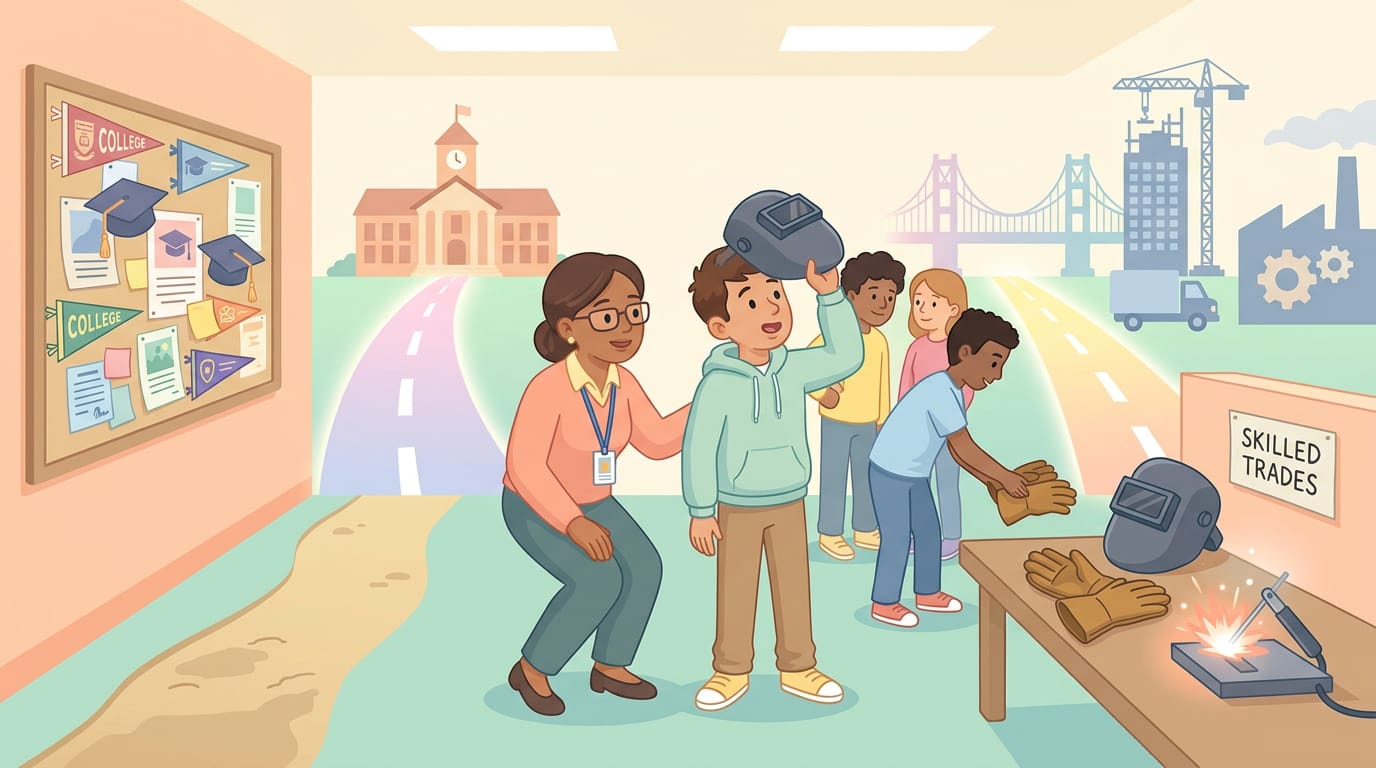
High school career guidance programs play an important role in helping students make informed decisions about their futures. However, many programs emphasize traditional college pathways more than vocational careers, leaving students unaware of opportunities in skilled trades.
Welding is one profession that deserves more attention in career education. With applications across construction, manufacturing, transportation, and infrastructure, welding offers students opportunities to develop practical skills and pursue rewarding careers.
By introducing welding careers earlier, educators can help students explore alternative pathways that align with their interests, abilities, and professional goals.
Still grading everything by hand?
EMStudio is a free teaching management app — manage your classes, students, lessons, and more!

The Importance Of Expanding Career Guidance Beyond College
For decades, many high school students have been told that earning a four-year college degree is the most reliable route to professional success. While higher education offers valuable opportunities, it does not suit every student's interests, learning preferences, or financial circumstances.
Career guidance programs should present vocational training, apprenticeships, and technical education as legitimate alternatives. Students who enjoy practical problem-solving, working with tools, or creating physical products may find greater satisfaction in skilled trades.
Welding provides an excellent example of a profession that combines technical knowledge with hands-on expertise. Introducing students to this career can help them recognize that professional success takes many different forms.
Why Welding Is An Important Career In Modern Industries
Welding plays an essential role in building and maintaining the structures, equipment, and systems that support everyday life. Skilled welders help construct buildings, manufacture vehicles, repair machinery, and maintain industrial infrastructure.
Industries such as aerospace, automotive manufacturing, energy, and shipbuilding also depend on specialized welding techniques. These applications demonstrate how welding skills can support diverse career opportunities rather than limiting workers to a single industry.
Students may not realize how much engineering and technology influence modern welding practices. Understanding these connections can make welding careers more appealing to students interested in science, mathematics, and technical innovation.
Helping Students Understand Different Welding Career Pathways
One reason welding receives limited attention in career guidance programs is that students may have an incomplete understanding of the profession. Many imagine welders performing repetitive tasks without recognizing the variety of specialized roles available.
Professional welders can pursue opportunities in fabrication, industrial maintenance, structural construction, pipeline work, and precision manufacturing. Some eventually become welding inspectors, supervisors, instructors, or business owners after gaining the necessary experience and qualifications.
Career counselors can introduce these possibilities through industry presentations, workplace visits, and educational resources. Showing students different professional pathways helps them understand how welding skills can support long-term career development.
The Benefits of Hands-On Learning for High School Students
Traditional classroom instruction often emphasizes reading, writing, and theoretical knowledge. Although these subjects remain essential, some students learn more effectively when they can apply concepts through practical activities.
Welding education encourages students to develop hand-eye coordination, spatial awareness, concentration, and problem-solving abilities. These skills can benefit students in other technical disciplines, including engineering, construction, and mechanical maintenance.
Schools with suitable facilities and qualified instructors can incorporate supervised welding activities into career and technical education programs. Where equipment is unavailable, educators can arrange demonstrations, simulations, or visits to local technical colleges.
These experiences allow students to explore their interests before committing to a particular career pathway. They also demonstrate how classroom subjects connect with practical workplace applications.
Teaching the Importance of Workplace Safety And Professional Responsibility
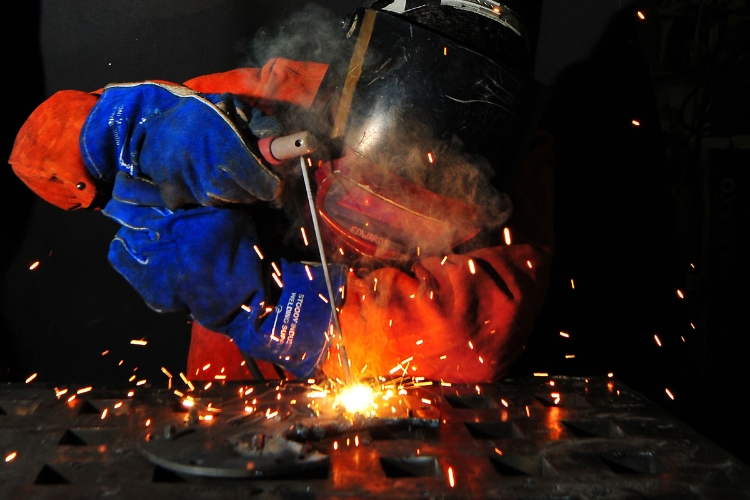
Safety education should be central to any introduction to welding careers. Welding involves hazards such as intense light, heat, electrical risks, fumes, and flying particles that require appropriate training and protective measures.
Students should learn why professional welders use suitable helmets, protective clothing, gloves, and other personal protective equipment. Educators can also explain the importance of ventilation, equipment inspections, and following established workplace safety procedures.
For example, specialized welding hoods help protect workers during certain welding applications. Educators exploring protective equipment can reference premium products from Ridge Products Welding to illustrate the types of sugar scoop welding hoods professionals use.
Understanding safety requirements helps students appreciate the responsibility associated with skilled trade careers. It also reinforces the importance of proper training, professional standards, and continuous learning.
Exploring Vocational Training And Apprenticeship Opportunities
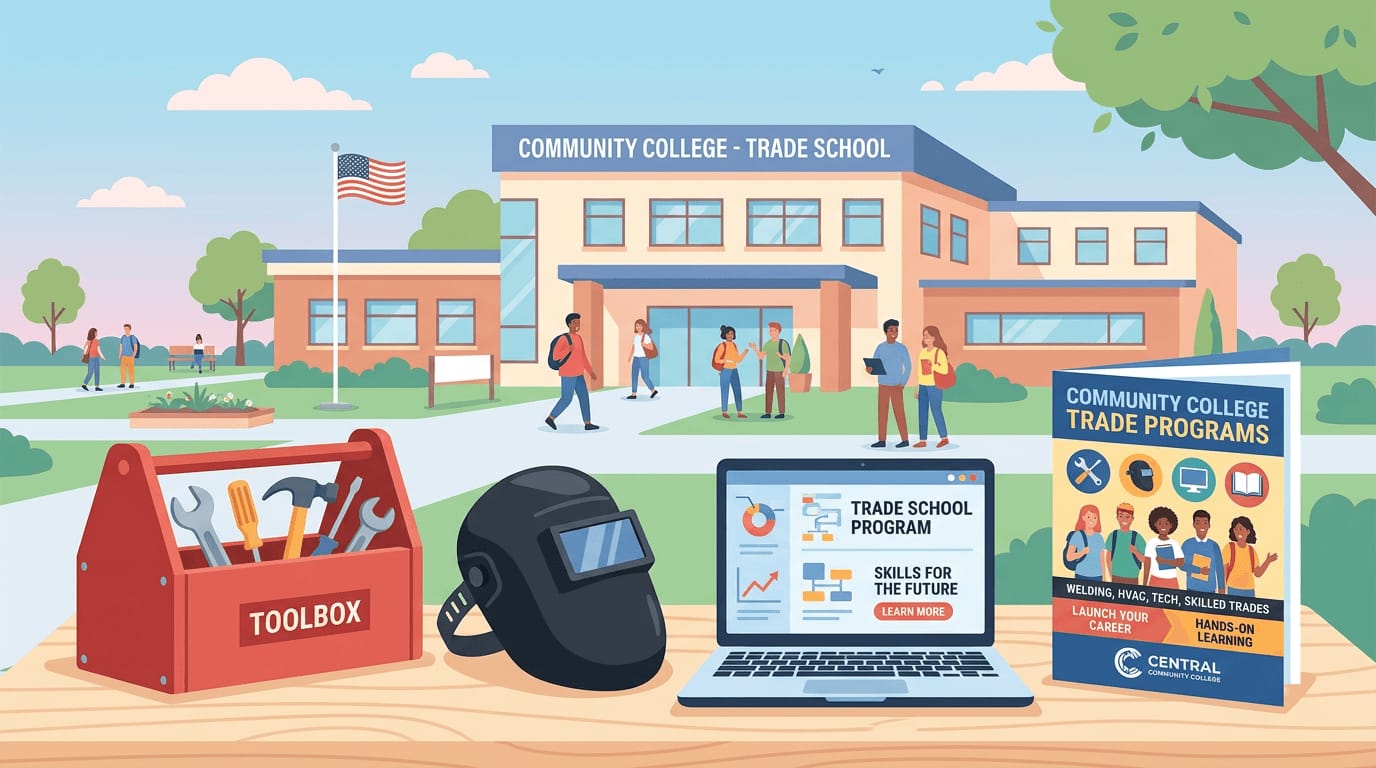
Students interested in welding should understand the educational options available after graduation. Community colleges, technical schools, vocational institutions, and apprenticeship programs offer different routes into the profession.
Some programs focus on foundational welding techniques, while others provide specialized instruction for particular industries. Apprenticeships may combine classroom education with supervised workplace experience, allowing participants to develop practical skills alongside experienced professionals.
The American Welding Society provides resources covering training programs, certifications, scholarships, and career preparation. These resources can help counselors explain the qualifications students may need for different welding occupations.
Breaking Down Misconceptions About Skilled Trade Careers
Misconceptions about vocational careers can discourage students from considering welding. Some families associate skilled trades with limited advancement opportunities or assume these professions require fewer intellectual abilities than office-based careers.
In reality, professional welding demands technical precision, mathematical understanding, critical thinking, and continuous skill development. Workers must interpret technical drawings, understand material properties, and follow detailed specifications to produce reliable results.
Educators can challenge outdated assumptions by sharing examples of successful welding professionals and explaining the qualifications required for specialized positions. Providing balanced information about working conditions, career progression, and employment opportunities helps students make realistic decisions.
How Schools Can Strengthen Welding Career Awareness
Schools can improve welding career awareness by developing partnerships with local employers, trade organizations, and vocational training providers. These relationships can create opportunities for guest presentations, career fairs, workplace tours, and supervised educational experiences.
Career counselors can also incorporate welding into existing lessons about science, technology, engineering, and mathematics. For example, discussing how heat affects different metals can demonstrate the relationship between welding and scientific principles.
Digital career planning tools can help students research training requirements, compare educational pathways, and organize their professional goals. Combining these resources with practical exposure creates a more comprehensive career guidance experience.
Conclusion
High school career guidance programs should help students discover opportunities that reflect their individual strengths and ambitions. Giving welding careers greater attention can broaden students' understanding of skilled trades and encourage informed decisions about their futures.
By introducing vocational pathways, emphasizing workplace safety, and connecting students with industry professionals, schools can make career education more inclusive. Welding deserves recognition as a technical profession that offers meaningful opportunities for students who want to build practical skills and contribute to essential industries.
Still grading everything by hand?
EMStudio is a free teaching management app — manage your classes, students, lessons, and more!