
The Socioeconomic Impact of Universal School Voucher Programs and the Future of Educational Equity
The Socioeconomic Impact of Universal School Voucher Programs and the Future of Educational Equity

Article by
Milo
ESL Content Coordinator & Educator
ESL Content Coordinator & Educator
All Posts
Ultimate Teacher Planner
The ultimate all-in-one education management system in Notion.
Learn More
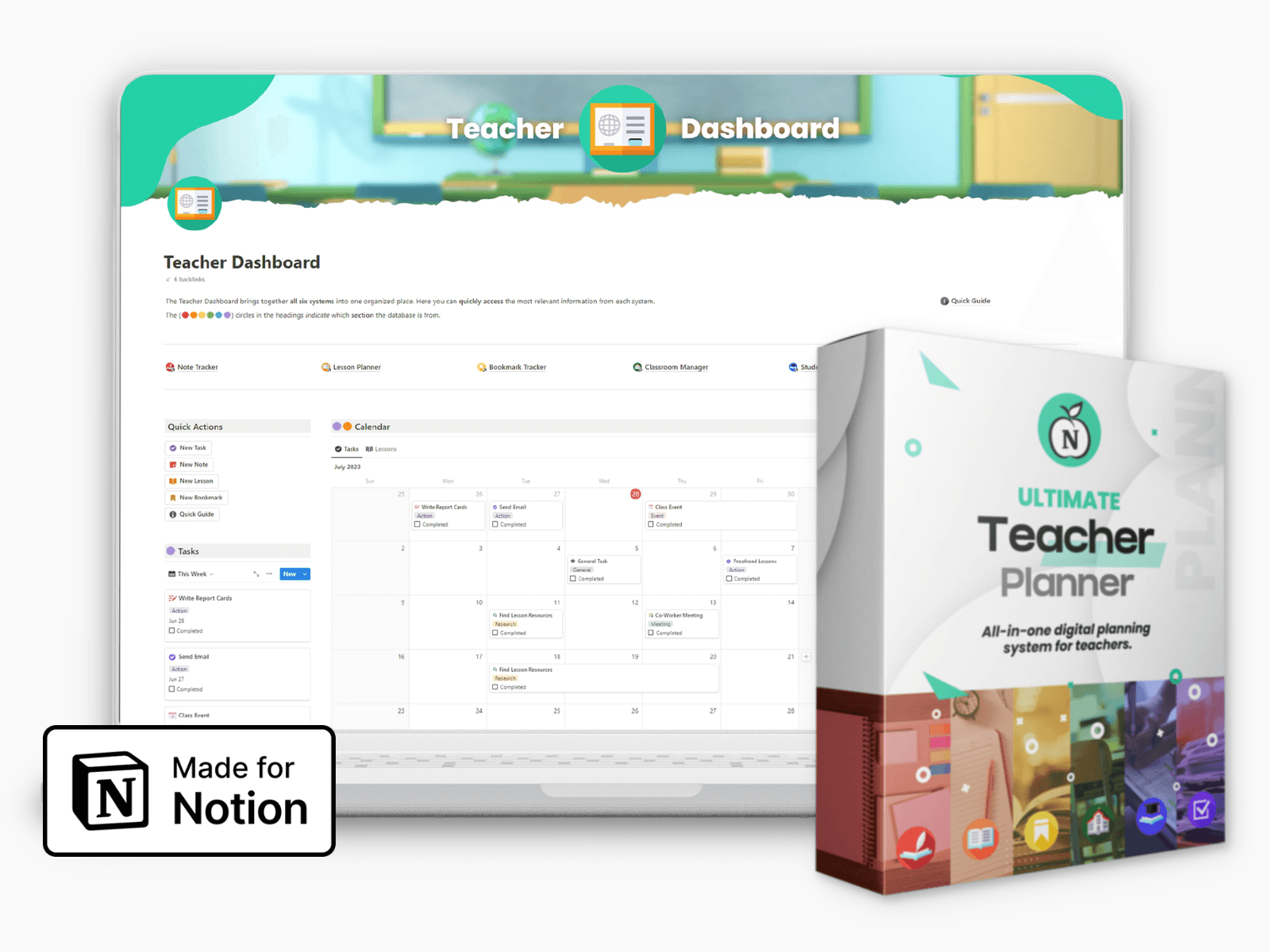
Ultimate Teacher Planner
The ultimate all-in-one education management system in Notion.
Learn More
Table of Contents
The global landscape of education is undergoing a fundamental shift as more nations explore market-based solutions to long-standing academic disparities. Central to this debate is the implementation of universal school voucher programs, a policy mechanism that allows public funding to follow the student to the school of their choice, whether public or private.
As explored in the comprehensive analysis universal school voucher programs, this shift represents a departure from traditional "zip-code-based" schooling toward a model defined by competition and parental autonomy.
The Economic Logic Behind Universal Choice
The primary argument for universal vouchers is rooted in economic competition. Proponents argue that when schools must compete for students (and their accompanying funding), the overall quality of education rises.
Efficiency: Schools are incentivized to optimize resources and adopt innovative teaching methods.
Accessibility: Lower-income families gain access to private institutions that were previously reserved for the wealthy.
Market Accountability: Underperforming schools are forced to either improve or face closure due to lack of enrollment.
Social Implications and the Risk of Stratification
While the economic benefits are often highlighted, the socioeconomic impact remains a point of intense scrutiny. Critics point out that "universal" programs—those not limited by income—may inadvertently subsidize families who would have chosen private education regardless of the voucher.
The investigation on universal school voucher programs highlights that without careful regulation, these programs could lead to "cream-skimming," where private schools select the highest-performing students, leaving public institutions with fewer resources to support students with specialized needs.
Global Perspectives and Long-Term Outcomes
Data from various pilot programs across the United States and Europe suggest that the success of voucher initiatives depends heavily on local implementation. Key factors include:
Transportation Subsidies: Choice is only "universal" if a family can physically reach the school.
Information Transparency: Parents need clear, standardized data to make informed decisions.
Regulatory Oversight: Ensuring that private institutions receiving public funds maintain high academic and safety standards.
For more deep dives into how educational policies are reshaping modern society and the economy, visit https://infosapience.com/.
Conclusion
The transition to universal school voucher programs is more than just a budgetary change; it is a redefinition of the social contract between the state and the citizen. While the promise of "education freedom" is compelling, the challenge lies in balancing market efficiency with the collective responsibility to ensure that no child is left behind in an increasingly competitive academic marketplace.
The global landscape of education is undergoing a fundamental shift as more nations explore market-based solutions to long-standing academic disparities. Central to this debate is the implementation of universal school voucher programs, a policy mechanism that allows public funding to follow the student to the school of their choice, whether public or private.
As explored in the comprehensive analysis universal school voucher programs, this shift represents a departure from traditional "zip-code-based" schooling toward a model defined by competition and parental autonomy.
The Economic Logic Behind Universal Choice
The primary argument for universal vouchers is rooted in economic competition. Proponents argue that when schools must compete for students (and their accompanying funding), the overall quality of education rises.
Efficiency: Schools are incentivized to optimize resources and adopt innovative teaching methods.
Accessibility: Lower-income families gain access to private institutions that were previously reserved for the wealthy.
Market Accountability: Underperforming schools are forced to either improve or face closure due to lack of enrollment.
Social Implications and the Risk of Stratification
While the economic benefits are often highlighted, the socioeconomic impact remains a point of intense scrutiny. Critics point out that "universal" programs—those not limited by income—may inadvertently subsidize families who would have chosen private education regardless of the voucher.
The investigation on universal school voucher programs highlights that without careful regulation, these programs could lead to "cream-skimming," where private schools select the highest-performing students, leaving public institutions with fewer resources to support students with specialized needs.
Global Perspectives and Long-Term Outcomes
Data from various pilot programs across the United States and Europe suggest that the success of voucher initiatives depends heavily on local implementation. Key factors include:
Transportation Subsidies: Choice is only "universal" if a family can physically reach the school.
Information Transparency: Parents need clear, standardized data to make informed decisions.
Regulatory Oversight: Ensuring that private institutions receiving public funds maintain high academic and safety standards.
For more deep dives into how educational policies are reshaping modern society and the economy, visit https://infosapience.com/.
Conclusion
The transition to universal school voucher programs is more than just a budgetary change; it is a redefinition of the social contract between the state and the citizen. While the promise of "education freedom" is compelling, the challenge lies in balancing market efficiency with the collective responsibility to ensure that no child is left behind in an increasingly competitive academic marketplace.
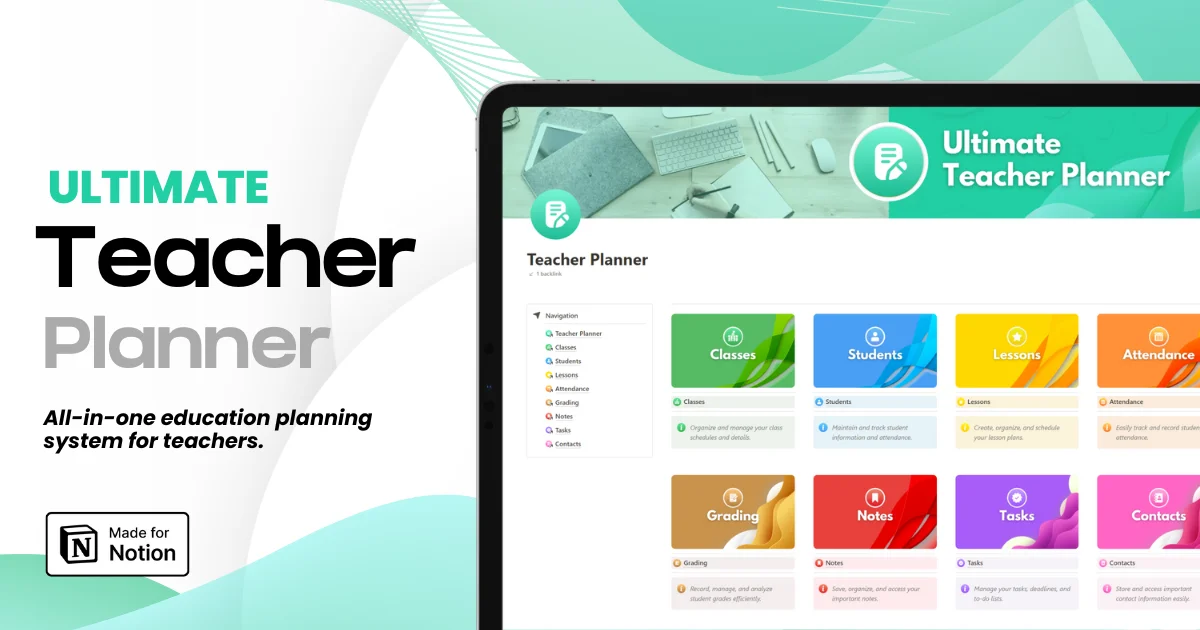
Ultimate Teacher Planner
The ultimate all-in-one education management system in Notion.
Learn More
Ultimate Teacher Planner
The ultimate all-in-one education management system in Notion.
Learn More


Notion4Teachers
Notion templates to simplify administrative tasks and enhance your teaching experience.



2026 Notion4Teachers. All Rights Reserved.
Notion4Teachers
Notion templates to simplify administrative tasks and enhance your teaching experience.
2026 Notion4Teachers. All Rights Reserved.
Notion4Teachers
Notion templates to simplify administrative tasks and enhance your teaching experience.
2026 Notion4Teachers. All Rights Reserved.