The Rise Of Customizable Homeschool Systems And What Teachers Can Learn From Them
The Rise Of Customizable Homeschool Systems And What Teachers Can Learn From Them

Article by
Milo
ESL Content Coordinator & Educator
ESL Content Coordinator & Educator
All Posts
Education has changed dramatically over the past decade. Families no longer rely on a one-size-fits-all learning experience, and educators are increasingly exploring flexible ways to support different learning styles. One of the biggest developments in modern education is the rise of customizable homeschool systems. These systems allow parents and students to create learning experiences tailored to specific goals, schedules, interests, and academic needs.
What started as a niche alternative has evolved into a sophisticated educational movement powered by digital tools, online resources, structured curriculum hubs, and personalized teaching methods. While homeschool systems are designed primarily for families, traditional teachers and educators can also learn valuable lessons from their flexibility and student-centered approach.
As schools continue adapting to technology-driven learning environments, customizable homeschool systems offer insights into how education can become more engaging, organized, and effective for all students.
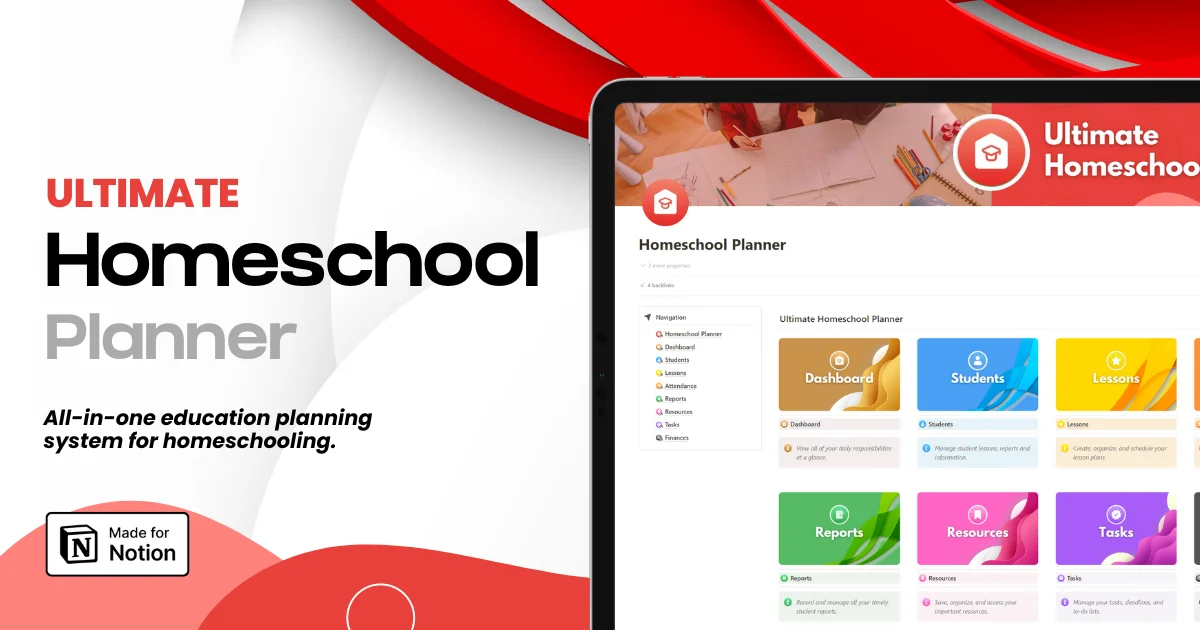
Ultimate Homeschool Planner
The ultimate all-in-one homeschooling system in Notion.
Learn More
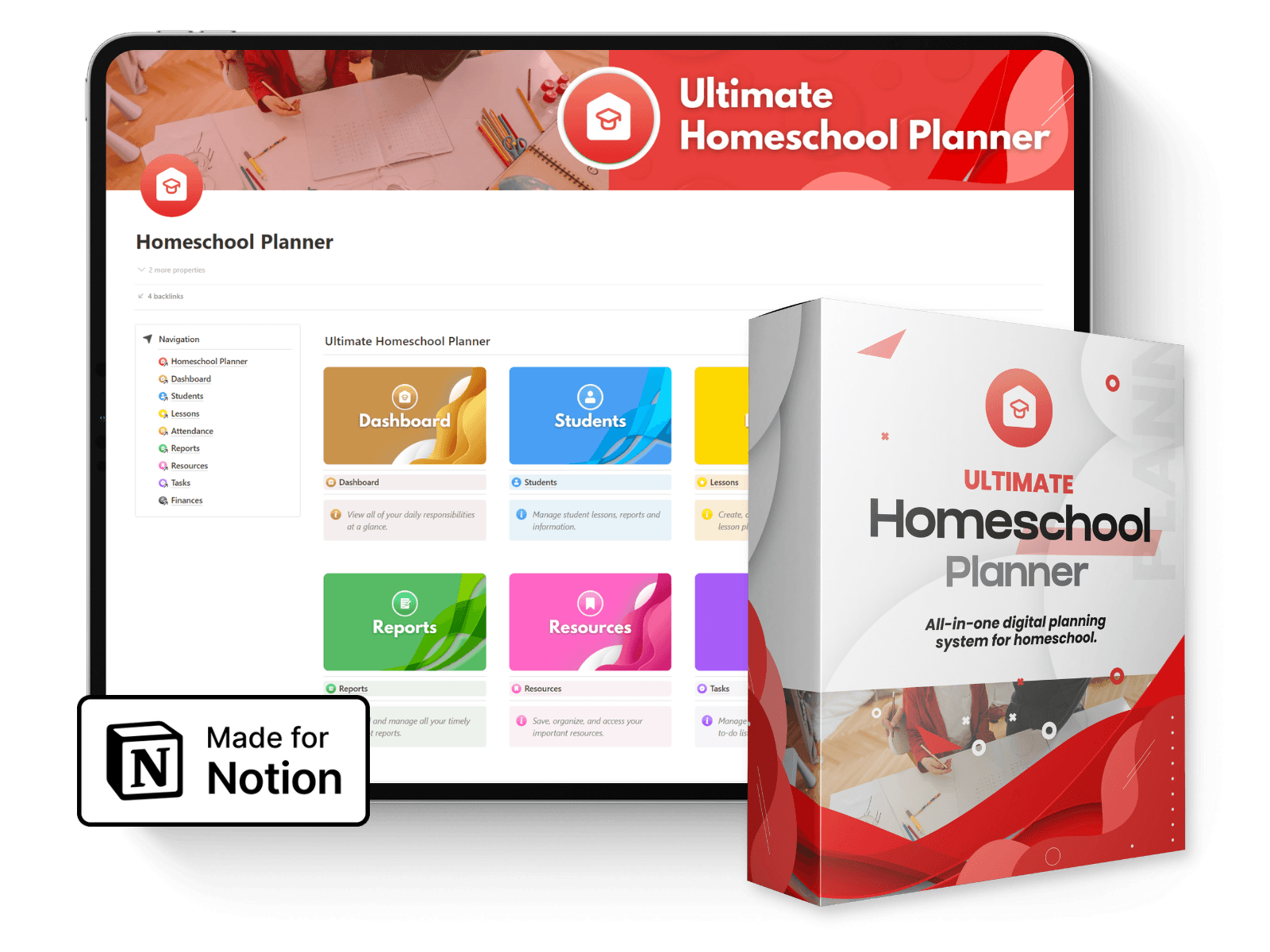
Ultimate Homeschool Planner
The ultimate all-in-one homeschooling system in Notion.
Learn More
Table of Contents
Why Customizable Learning Has Become So Popular
Modern students learn differently than previous generations. Some thrive through visual lessons, while others prefer hands-on projects, audio learning, or self-paced instruction. Traditional classrooms often struggle to accommodate every learning preference within a fixed curriculum and schedule.
Customizable homeschool systems solve this challenge by allowing families to adjust lessons based on a child’s strengths, interests, and pace. Parents can modify daily schedules, choose specialized resources, and create individualized learning paths that better fit their children.
Technology has accelerated this shift. Digital curriculum platforms, interactive apps, online assessments, and organizational tools make it easier than ever to personalize education. Instead of relying entirely on printed textbooks, families now have access to dynamic learning ecosystems that combine videos, reading materials, activities, quizzes, and collaborative projects.
This flexibility has also become attractive to educators outside homeschooling. Teachers increasingly recognize that personalization can improve student engagement and reduce frustration in the learning process.
The Importance Of Flexible Curriculum Design
One major advantage of customizable homeschool systems is curriculum flexibility. Families can choose structured programs or blend multiple resources together to create a more balanced educational experience.
For example, a student who excels in science but struggles with reading comprehension may spend additional time developing literacy skills while advancing more quickly through STEM subjects. This type of adaptability is difficult to achieve in many traditional classrooms where pacing guides often apply to entire groups of students.
Teachers can learn from this approach by incorporating more differentiated instruction into classroom environments. Flexible assignments, project-based learning, and adjustable pacing options can help students feel more confident and supported.
Modern homeschool systems also encourage interdisciplinary learning. Rather than separating subjects into rigid categories, lessons often combine history, economics, literature, and critical thinking into a more connected educational experience. This method helps students understand how knowledge applies to real life rather than memorizing isolated facts.
Digital Organization Tools Are Changing Education
Another reason customizable homeschool systems have gained popularity is the use of digital organization tools. Parents and educators can manage lesson plans, attendance, assignments, reading schedules, and progress tracking from centralized platforms.
Many teachers already use digital templates and productivity systems, but homeschool communities have pushed these tools even further by emphasizing complete customization. Families often create personalized dashboards, visual learning trackers, goal-setting systems, and interactive schedules that evolve throughout the year.
This level of organization benefits both students and instructors. Clear systems reduce confusion, improve accountability, and make long-term planning easier.
Teacher-focused resource websites have also contributed to this movement by offering templates, planners, and workflow systems that simplify educational management. These resources help educators spend less time handling logistics and more time focusing on meaningful instruction.
The success of homeschool organization systems demonstrates that students perform better when learning environments are structured yet flexible enough to adapt when necessary.
Student Independence Is Becoming A Priority
Customizable homeschool systems often place strong emphasis on student independence. Instead of relying entirely on teacher-led instruction, students are encouraged to take ownership of their learning.
This may include setting weekly goals, tracking assignments independently, managing project deadlines, or selecting elective subjects based on personal interests. These habits build responsibility, time management, and self-motivation.
Traditional educators can benefit from encouraging more independent learning opportunities inside classrooms. Students who participate actively in planning and monitoring their progress often become more invested in their education.
Independent learning also prepares students for higher education and future careers where self-management skills are essential. The workplace increasingly values adaptability, initiative, and problem-solving abilities, making these educational strategies highly relevant.
Teachers do not need to completely redesign classrooms to apply these ideas. Even small changes, such as giving students choices in assignments or encouraging self-paced review activities, can support greater engagement.
Personalized Education Supports Different Learning Styles
One reason many families choose customizable homeschool systems is the ability to support neurodiverse learners or students with unique educational needs. Some students require quieter environments, shorter lessons, visual instruction, or additional breaks during the day.
Personalized systems make these adjustments easier without the pressure of keeping pace with a large classroom group.
Educators in traditional settings can also benefit from recognizing the importance of learning variability. Flexible teaching strategies help students feel understood rather than discouraged.
This does not mean every lesson must be entirely individualized. However, offering varied instructional methods can improve participation and retention. Visual presentations, group discussions, interactive exercises, and independent research projects all serve different learning preferences.
The growing success of personalized homeschool education shows that adaptability often improves academic confidence and long-term learning outcomes.
Educational Resource Hubs Are Expanding Rapidly
As homeschooling has grown, educational resource hubs have become increasingly sophisticated. Families now have access to curriculum libraries, discussion communities, printable materials, educational videos, and guided lesson structures in one place.
Platforms like Tuttle Twins offer homeschool-focused resources that help families organize lessons while encouraging independent thinking and practical learning skills. These types of resource centers reflect the broader movement toward accessible and customizable education.
For teachers, the rise of centralized learning hubs highlights the value of organized resource management. When students can easily access materials, instructions, and assignments, the learning experience becomes smoother and less stressful.
Educational hubs also support consistency between school and home learning environments. Parents can stay informed, students can review lessons independently, and educators can maintain clearer communication.
Teachers Can Blend Structure With Flexibility
One misconception about customizable homeschool systems is that they lack structure. In reality, many successful homeschool environments rely on highly organized routines combined with flexible execution.
This balance is something traditional education can learn from. Students generally perform best when expectations are clear, but rigid instructional models can sometimes limit creativity and engagement.
Flexible structure allows educators to maintain learning objectives while adjusting teaching methods when necessary. For example, a teacher may keep weekly academic goals consistent while allowing students to complete assignments through different formats such as presentations, essays, videos, or collaborative projects.
This approach helps students feel more involved in the learning process while still maintaining educational standards.
The Future Of Education Is Likely More Personalized
The growing popularity of customizable homeschool systems reflects a larger shift happening across education. Families and educators increasingly value personalization, flexibility, and technology-supported learning environments.
Hybrid learning models, online curriculum platforms, and individualized instruction are becoming more common in both homeschool and traditional education settings. Rather than viewing homeschooling and classroom teaching as completely separate worlds, many educators now recognize the benefits of sharing ideas between both approaches.
Teachers can learn valuable lessons from homeschool systems without abandoning traditional educational structures. Greater flexibility, improved organization, independent learning opportunities, and personalized instruction all contribute to stronger student engagement.
As education continues evolving, the most effective learning environments will likely combine structure, creativity, technology, and adaptability. Customizable homeschool systems have already demonstrated how powerful that balance can be.
Why Customizable Learning Has Become So Popular
Modern students learn differently than previous generations. Some thrive through visual lessons, while others prefer hands-on projects, audio learning, or self-paced instruction. Traditional classrooms often struggle to accommodate every learning preference within a fixed curriculum and schedule.
Customizable homeschool systems solve this challenge by allowing families to adjust lessons based on a child’s strengths, interests, and pace. Parents can modify daily schedules, choose specialized resources, and create individualized learning paths that better fit their children.
Technology has accelerated this shift. Digital curriculum platforms, interactive apps, online assessments, and organizational tools make it easier than ever to personalize education. Instead of relying entirely on printed textbooks, families now have access to dynamic learning ecosystems that combine videos, reading materials, activities, quizzes, and collaborative projects.
This flexibility has also become attractive to educators outside homeschooling. Teachers increasingly recognize that personalization can improve student engagement and reduce frustration in the learning process.
The Importance Of Flexible Curriculum Design
One major advantage of customizable homeschool systems is curriculum flexibility. Families can choose structured programs or blend multiple resources together to create a more balanced educational experience.
For example, a student who excels in science but struggles with reading comprehension may spend additional time developing literacy skills while advancing more quickly through STEM subjects. This type of adaptability is difficult to achieve in many traditional classrooms where pacing guides often apply to entire groups of students.
Teachers can learn from this approach by incorporating more differentiated instruction into classroom environments. Flexible assignments, project-based learning, and adjustable pacing options can help students feel more confident and supported.
Modern homeschool systems also encourage interdisciplinary learning. Rather than separating subjects into rigid categories, lessons often combine history, economics, literature, and critical thinking into a more connected educational experience. This method helps students understand how knowledge applies to real life rather than memorizing isolated facts.
Digital Organization Tools Are Changing Education
Another reason customizable homeschool systems have gained popularity is the use of digital organization tools. Parents and educators can manage lesson plans, attendance, assignments, reading schedules, and progress tracking from centralized platforms.
Many teachers already use digital templates and productivity systems, but homeschool communities have pushed these tools even further by emphasizing complete customization. Families often create personalized dashboards, visual learning trackers, goal-setting systems, and interactive schedules that evolve throughout the year.
This level of organization benefits both students and instructors. Clear systems reduce confusion, improve accountability, and make long-term planning easier.
Teacher-focused resource websites have also contributed to this movement by offering templates, planners, and workflow systems that simplify educational management. These resources help educators spend less time handling logistics and more time focusing on meaningful instruction.
The success of homeschool organization systems demonstrates that students perform better when learning environments are structured yet flexible enough to adapt when necessary.
Student Independence Is Becoming A Priority
Customizable homeschool systems often place strong emphasis on student independence. Instead of relying entirely on teacher-led instruction, students are encouraged to take ownership of their learning.
This may include setting weekly goals, tracking assignments independently, managing project deadlines, or selecting elective subjects based on personal interests. These habits build responsibility, time management, and self-motivation.
Traditional educators can benefit from encouraging more independent learning opportunities inside classrooms. Students who participate actively in planning and monitoring their progress often become more invested in their education.
Independent learning also prepares students for higher education and future careers where self-management skills are essential. The workplace increasingly values adaptability, initiative, and problem-solving abilities, making these educational strategies highly relevant.
Teachers do not need to completely redesign classrooms to apply these ideas. Even small changes, such as giving students choices in assignments or encouraging self-paced review activities, can support greater engagement.
Personalized Education Supports Different Learning Styles
One reason many families choose customizable homeschool systems is the ability to support neurodiverse learners or students with unique educational needs. Some students require quieter environments, shorter lessons, visual instruction, or additional breaks during the day.
Personalized systems make these adjustments easier without the pressure of keeping pace with a large classroom group.
Educators in traditional settings can also benefit from recognizing the importance of learning variability. Flexible teaching strategies help students feel understood rather than discouraged.
This does not mean every lesson must be entirely individualized. However, offering varied instructional methods can improve participation and retention. Visual presentations, group discussions, interactive exercises, and independent research projects all serve different learning preferences.
The growing success of personalized homeschool education shows that adaptability often improves academic confidence and long-term learning outcomes.
Educational Resource Hubs Are Expanding Rapidly
As homeschooling has grown, educational resource hubs have become increasingly sophisticated. Families now have access to curriculum libraries, discussion communities, printable materials, educational videos, and guided lesson structures in one place.
Platforms like Tuttle Twins offer homeschool-focused resources that help families organize lessons while encouraging independent thinking and practical learning skills. These types of resource centers reflect the broader movement toward accessible and customizable education.
For teachers, the rise of centralized learning hubs highlights the value of organized resource management. When students can easily access materials, instructions, and assignments, the learning experience becomes smoother and less stressful.
Educational hubs also support consistency between school and home learning environments. Parents can stay informed, students can review lessons independently, and educators can maintain clearer communication.
Teachers Can Blend Structure With Flexibility
One misconception about customizable homeschool systems is that they lack structure. In reality, many successful homeschool environments rely on highly organized routines combined with flexible execution.
This balance is something traditional education can learn from. Students generally perform best when expectations are clear, but rigid instructional models can sometimes limit creativity and engagement.
Flexible structure allows educators to maintain learning objectives while adjusting teaching methods when necessary. For example, a teacher may keep weekly academic goals consistent while allowing students to complete assignments through different formats such as presentations, essays, videos, or collaborative projects.
This approach helps students feel more involved in the learning process while still maintaining educational standards.
The Future Of Education Is Likely More Personalized
The growing popularity of customizable homeschool systems reflects a larger shift happening across education. Families and educators increasingly value personalization, flexibility, and technology-supported learning environments.
Hybrid learning models, online curriculum platforms, and individualized instruction are becoming more common in both homeschool and traditional education settings. Rather than viewing homeschooling and classroom teaching as completely separate worlds, many educators now recognize the benefits of sharing ideas between both approaches.
Teachers can learn valuable lessons from homeschool systems without abandoning traditional educational structures. Greater flexibility, improved organization, independent learning opportunities, and personalized instruction all contribute to stronger student engagement.
As education continues evolving, the most effective learning environments will likely combine structure, creativity, technology, and adaptability. Customizable homeschool systems have already demonstrated how powerful that balance can be.
Ultimate Homeschool Planner
The ultimate all-in-one homeschooling system in Notion.
Learn More
Ultimate Homeschool Planner
The ultimate all-in-one homeschooling system in Notion.
Learn More



Notion4Teachers
Notion templates to simplify administrative tasks and enhance your teaching experience.



2026 Notion4Teachers. All Rights Reserved.
Notion4Teachers
Notion templates to simplify administrative tasks and enhance your teaching experience.
2026 Notion4Teachers. All Rights Reserved.
Notion4Teachers
Notion templates to simplify administrative tasks and enhance your teaching experience.
2026 Notion4Teachers. All Rights Reserved.