
Why Asset Management Matters for Schools and Educational Institutions
Why Asset Management Matters for Schools and Educational Institutions

Article by
Milo
ESL Content Coordinator & Educator
ESL Content Coordinator & Educator
All Posts
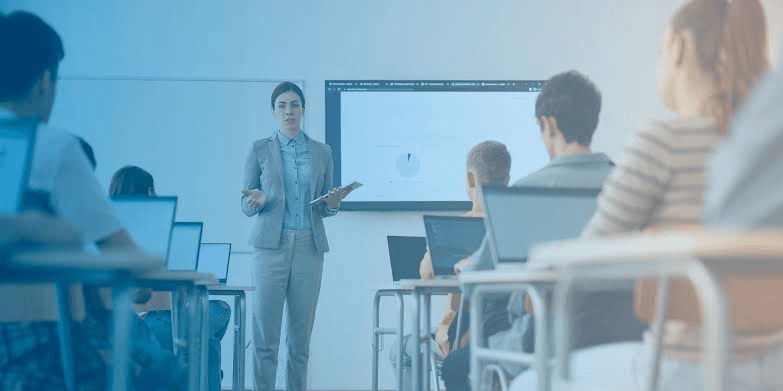
Schools and educational institutions rely on different types of assets to support daily activities. From computers and projectors to furniture and other equipment, these resources help teachers deliver lessons and maintain an organized learning environment. Managing these assets properly allows schools to keep track of their resources, reduce unnecessary expenses, and plan for future needs.
As educational institutions grow, keeping accurate records of equipment becomes increasingly important. A clear asset management process helps administrators understand what they own, where items are located, and when equipment may need maintenance or replacement.
Still grading everything by hand?
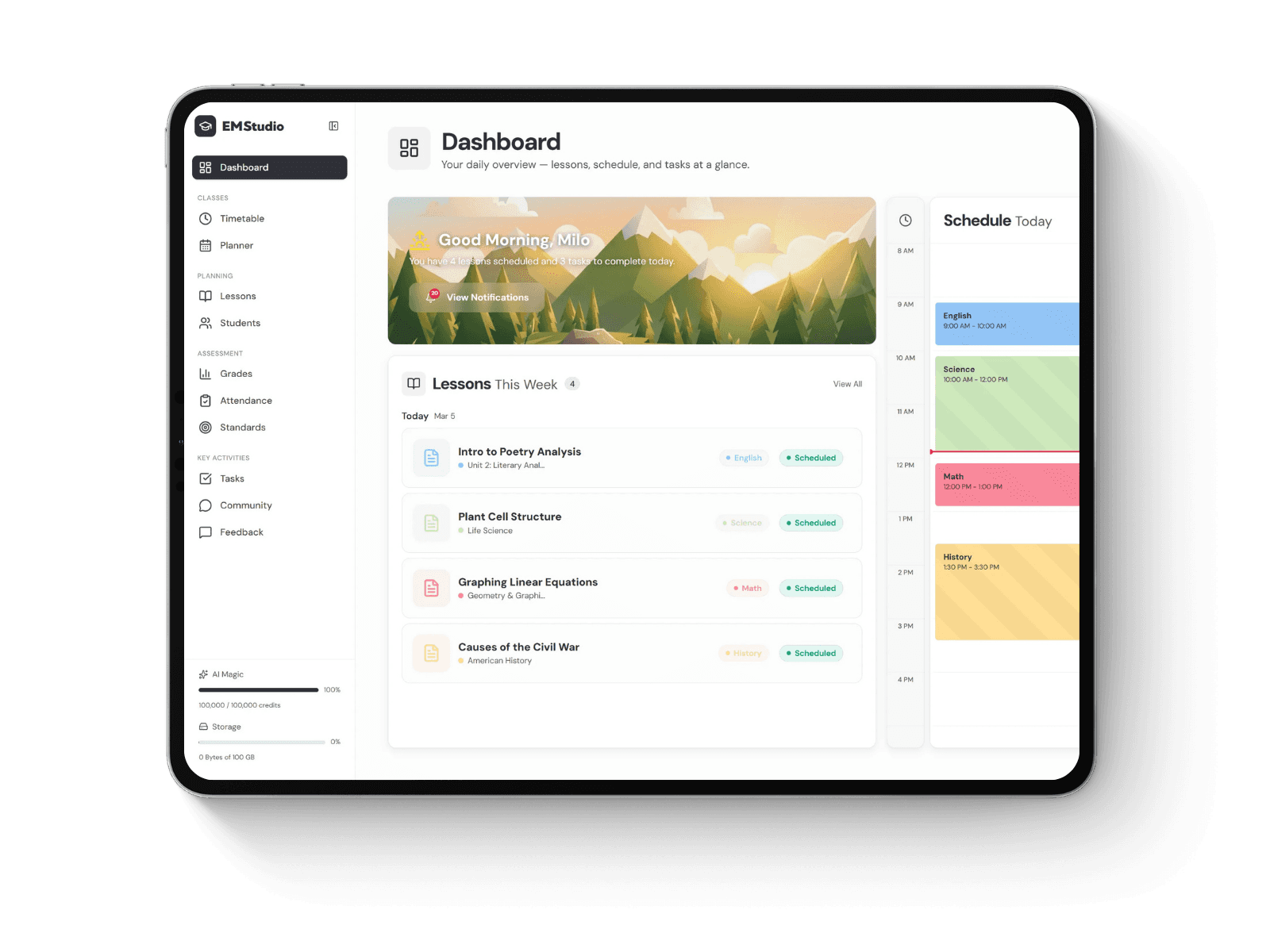
EMStudio is a free teaching management app — manage your classes, students, lessons, and more!
Learn More
Still grading everything by hand?
EMStudio is a free teaching management app — manage your classes, students, lessons, and more!
Learn More
Table of Contents
What Is Asset Management?
Asset management is the process of recording, tracking, maintaining, and managing resources throughout their useful life. For schools, this can include laptops, tablets, printers, classroom furniture, laboratory equipment, and other essential items.
Maintaining an organized inventory helps administrators access important information without checking multiple spreadsheets or paper records. Details such as purchase dates, locations, assigned users, and equipment conditions can make everyday management easier.
A reliable system also helps schools identify missing equipment and avoid purchasing items they already have available.
Common Asset Management Challenges in Schools
Educational institutions often manage equipment across several classrooms, departments, and buildings. Without an organized tracking process, it can be difficult to determine where particular items are located or who is responsible for them.
Manual records can also become outdated when equipment is transferred, repaired, or replaced. These gaps may create confusion during inventory checks and make budgeting more difficult.
Another challenge is maintenance. When schools do not keep accurate service records, they may overlook equipment that requires repairs or continue using devices that are no longer suitable for classroom activities.
Establishing a consistent process for recording and updating asset information can help address these problems.
How Asset Tracking Improves Resource Management
Asset tracking gives school administrators a clearer understanding of the resources available to them. By maintaining accurate records, they can identify underused equipment, monitor asset conditions, and make informed purchasing decisions.
For example, before ordering additional laptops, administrators can review their existing inventory to determine whether unused devices are available in another department. This simple step may reduce unnecessary spending.
Digital tools such as Bluetally can help organizations maintain asset records and track their equipment more efficiently. Schools and other educational organizations can explore asset management software to find a system that suits their inventory requirements.
Keeping Equipment in Good Condition
Regular maintenance is an important part of asset management. Computers, printers, projectors, and other school equipment may require servicing to remain functional and reliable.
Maintaining service histories helps administrators understand which assets need attention and identify recurring issues. Recording warranty information and purchase dates can also support better replacement planning.
Schools can establish routine inspections to check equipment condition and confirm that inventory records remain accurate. These checks help staff identify problems early and reduce disruptions caused by unexpected equipment failures.
Planning School Budgets More Effectively
Asset management also supports financial planning. When administrators understand what equipment they own and how long it has been in use, they can estimate future maintenance and replacement costs.
Accurate records make it easier to prioritize purchases according to classroom requirements rather than replacing equipment without reviewing available resources.
This approach is particularly useful for schools working with limited budgets. By monitoring existing assets and planning purchases carefully, institutions can direct more resources toward educational priorities.
Conclusion
Effective asset management helps schools organize their resources, maintain equipment, and make better purchasing decisions. Keeping accurate inventory records and reviewing assets regularly can reduce confusion and support long-term planning.
With a consistent management process, educational institutions can use their resources more efficiently and maintain the equipment needed to support everyday teaching and learning.
What Is Asset Management?
Asset management is the process of recording, tracking, maintaining, and managing resources throughout their useful life. For schools, this can include laptops, tablets, printers, classroom furniture, laboratory equipment, and other essential items.
Maintaining an organized inventory helps administrators access important information without checking multiple spreadsheets or paper records. Details such as purchase dates, locations, assigned users, and equipment conditions can make everyday management easier.
A reliable system also helps schools identify missing equipment and avoid purchasing items they already have available.
Common Asset Management Challenges in Schools
Educational institutions often manage equipment across several classrooms, departments, and buildings. Without an organized tracking process, it can be difficult to determine where particular items are located or who is responsible for them.
Manual records can also become outdated when equipment is transferred, repaired, or replaced. These gaps may create confusion during inventory checks and make budgeting more difficult.
Another challenge is maintenance. When schools do not keep accurate service records, they may overlook equipment that requires repairs or continue using devices that are no longer suitable for classroom activities.
Establishing a consistent process for recording and updating asset information can help address these problems.
How Asset Tracking Improves Resource Management
Asset tracking gives school administrators a clearer understanding of the resources available to them. By maintaining accurate records, they can identify underused equipment, monitor asset conditions, and make informed purchasing decisions.
For example, before ordering additional laptops, administrators can review their existing inventory to determine whether unused devices are available in another department. This simple step may reduce unnecessary spending.
Digital tools such as Bluetally can help organizations maintain asset records and track their equipment more efficiently. Schools and other educational organizations can explore asset management software to find a system that suits their inventory requirements.
Keeping Equipment in Good Condition
Regular maintenance is an important part of asset management. Computers, printers, projectors, and other school equipment may require servicing to remain functional and reliable.
Maintaining service histories helps administrators understand which assets need attention and identify recurring issues. Recording warranty information and purchase dates can also support better replacement planning.
Schools can establish routine inspections to check equipment condition and confirm that inventory records remain accurate. These checks help staff identify problems early and reduce disruptions caused by unexpected equipment failures.
Planning School Budgets More Effectively
Asset management also supports financial planning. When administrators understand what equipment they own and how long it has been in use, they can estimate future maintenance and replacement costs.
Accurate records make it easier to prioritize purchases according to classroom requirements rather than replacing equipment without reviewing available resources.
This approach is particularly useful for schools working with limited budgets. By monitoring existing assets and planning purchases carefully, institutions can direct more resources toward educational priorities.
Conclusion
Effective asset management helps schools organize their resources, maintain equipment, and make better purchasing decisions. Keeping accurate inventory records and reviewing assets regularly can reduce confusion and support long-term planning.
With a consistent management process, educational institutions can use their resources more efficiently and maintain the equipment needed to support everyday teaching and learning.
Still grading everything by hand?
EMStudio is a free teaching management app — manage your classes, students, lessons, and more!
Learn More
Still grading everything by hand?
EMStudio is a free teaching management app — manage your classes, students, lessons, and more!
Learn More



Notion4Teachers
Notion templates to simplify administrative tasks and enhance your teaching experience.



2026 Notion4Teachers. All Rights Reserved.
Notion4Teachers
Notion templates to simplify administrative tasks and enhance your teaching experience.
2026 Notion4Teachers. All Rights Reserved.
Notion4Teachers
Notion templates to simplify administrative tasks and enhance your teaching experience.
2026 Notion4Teachers. All Rights Reserved.