
The Evolution of Workplace Culture: How Strategic HR Drives Employee Retention
The Evolution of Workplace Culture: How Strategic HR Drives Employee Retention

Article by
Milo
ESL Content Coordinator & Educator
ESL Content Coordinator & Educator
All Posts

Image credit Unsplash
The world of work has changed a lot, and that's no secret. Employees no longer stay with one company for their entire career; those days are mostly behind us. Today, people want more than just a paycheck. They want to feel valued, see chances to grow, and be part of a good environment. This shift has really highlighted workplace culture and how crucial Human Resources is in shaping it. A smart HR department isn't just about compliance and payroll; it's what keeps employees around.
Ultimate Teacher Planner
The ultimate all-in-one education management system in Notion.
Learn More
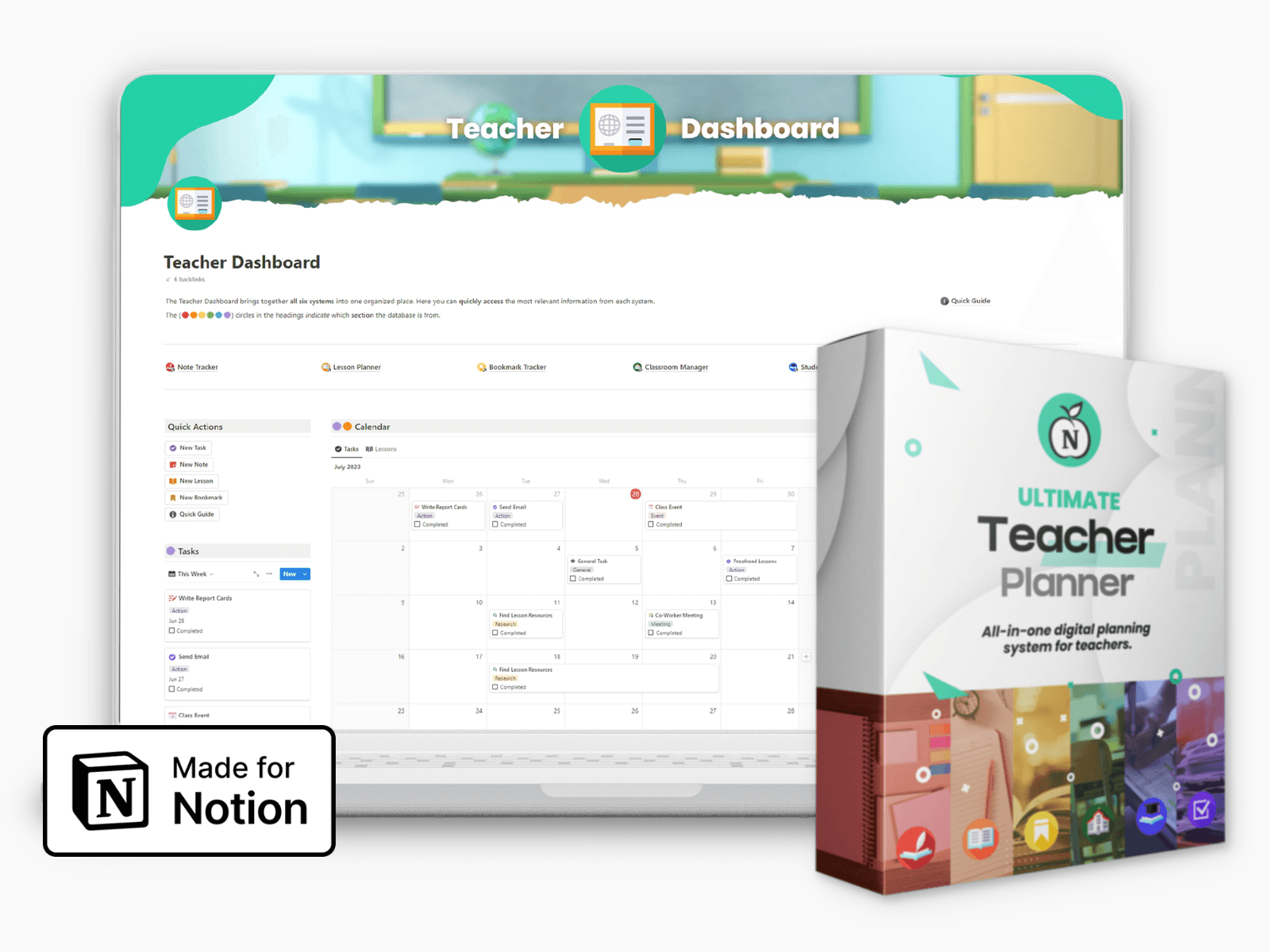
Ultimate Teacher Planner
The ultimate all-in-one education management system in Notion.
Learn More
Table of Contents
From Personnel to People & Culture
Not too long ago, the department we now call HR was known as "Personnel." It mainly handled administrative tasks: processing paperwork, managing benefits, and making sure rules were followed. The company's needs were the focus, and employees were seen as resources to manage.
Today, the most successful organizations have renamed this function to "People & Culture" or "People Operations." This isn't just a new name; it reflects a major shift in how companies think. The modern approach recognizes that a company's most valuable asset is its people. HR's new goal is to create a place where employees can do their best work and want to stay long-term. This means focusing on keeping them engaged, helping them develop, and supporting their well-being.
The Modern HR Professional's Toolkit
Building a culture that keeps top talent requires a specific set of skills, much more than just administrative tasks. Modern HR professionals need to be strategists, good communicators, and empathetic leaders. They have to understand business goals and align people strategies to meet them. This calls for a strong grasp of organizational behavior, talent management, compensation strategies, and employment law.
That's why formal education, like a BSBA major in human resource management, is becoming so important for aspiring HR leaders. A dedicated degree program gives professionals the knowledge they need to design and implement effective retention strategies, making the HR department a true strategic partner for the business.
Key Pillars of a Retention-Focused Culture
So, what does a culture that encourages employees to stay actually look like? It's built on several key foundations that a strategic HR team actively nurtures. While every company is different, some common themes stand out. A recent SHRM report confirms that a positive workplace culture fosters retention worldwide.
Here are a few essential elements:
Opportunities for Growth: Employees are more likely to stay if they see a future for themselves at the company. HR can champion this by creating clear career paths, mentorship programs, and access to training and development.
Recognition and Appreciation: Feeling valued is a strong motivator. Smart HR teams implement programs that ensure employees' contributions are regularly and meaningfully acknowledged, not just during an annual review.
Flexibility and Work-Life Balance: The pandemic increased demand for flexible work arrangements. Companies that trust employees and offer remote or hybrid options show they care about well-being, which is a major factor in retention.
Transparent Communication: A culture of trust comes from open and honest communication from leaders. HR can support this by creating regular feedback channels, sharing company performance updates, and being clear about changes and decisions.
Measuring What Matters: Data in HR
One of the biggest changes in HR is using data to make decisions. Instead of relying on gut, strategic HR teams use analytics to understand what's really happening inside the organization. They track things like employee turnover rates, engagement survey scores, and exit-interview feedback.
This data offers incredibly valuable insights. For example, if exit interviews consistently show that a lack of growth opportunities drives people to leave, HR can present a data-backed case to leadership for investing in a new development program. This evidence-based approach shows how much culture affects the bottom line, reinforcing organizational culture as a key business driver.
Looking Ahead: The Future of Work and HR's Role
The workplace will keep changing, and HR's role will change with it. We're already seeing technology and AI streamline administrative tasks, giving HR professionals more time to focus on strategy and the human side. Support for employee well-being, including mental health, will become even more important.
As companies figure out the future of remote and hybrid work, HR will lead the way, designing new policies and practices that maintain a strong, cohesive culture no matter where employees are located. The one constant is that people will always be at the heart of any successful business, and strategic HR will be the function dedicated to nurturing that connection.
Ultimately, investing in a strong, positive workplace culture isn't just a nice extra. It's essential for business and directly affects your ability to attract and keep the talent you need to succeed. With a strategic HR team leading the way, companies can build an environment where people are excited to come to work and proud to contribute.
From Personnel to People & Culture
Not too long ago, the department we now call HR was known as "Personnel." It mainly handled administrative tasks: processing paperwork, managing benefits, and making sure rules were followed. The company's needs were the focus, and employees were seen as resources to manage.
Today, the most successful organizations have renamed this function to "People & Culture" or "People Operations." This isn't just a new name; it reflects a major shift in how companies think. The modern approach recognizes that a company's most valuable asset is its people. HR's new goal is to create a place where employees can do their best work and want to stay long-term. This means focusing on keeping them engaged, helping them develop, and supporting their well-being.
The Modern HR Professional's Toolkit
Building a culture that keeps top talent requires a specific set of skills, much more than just administrative tasks. Modern HR professionals need to be strategists, good communicators, and empathetic leaders. They have to understand business goals and align people strategies to meet them. This calls for a strong grasp of organizational behavior, talent management, compensation strategies, and employment law.
That's why formal education, like a BSBA major in human resource management, is becoming so important for aspiring HR leaders. A dedicated degree program gives professionals the knowledge they need to design and implement effective retention strategies, making the HR department a true strategic partner for the business.
Key Pillars of a Retention-Focused Culture
So, what does a culture that encourages employees to stay actually look like? It's built on several key foundations that a strategic HR team actively nurtures. While every company is different, some common themes stand out. A recent SHRM report confirms that a positive workplace culture fosters retention worldwide.
Here are a few essential elements:
Opportunities for Growth: Employees are more likely to stay if they see a future for themselves at the company. HR can champion this by creating clear career paths, mentorship programs, and access to training and development.
Recognition and Appreciation: Feeling valued is a strong motivator. Smart HR teams implement programs that ensure employees' contributions are regularly and meaningfully acknowledged, not just during an annual review.
Flexibility and Work-Life Balance: The pandemic increased demand for flexible work arrangements. Companies that trust employees and offer remote or hybrid options show they care about well-being, which is a major factor in retention.
Transparent Communication: A culture of trust comes from open and honest communication from leaders. HR can support this by creating regular feedback channels, sharing company performance updates, and being clear about changes and decisions.
Measuring What Matters: Data in HR
One of the biggest changes in HR is using data to make decisions. Instead of relying on gut, strategic HR teams use analytics to understand what's really happening inside the organization. They track things like employee turnover rates, engagement survey scores, and exit-interview feedback.
This data offers incredibly valuable insights. For example, if exit interviews consistently show that a lack of growth opportunities drives people to leave, HR can present a data-backed case to leadership for investing in a new development program. This evidence-based approach shows how much culture affects the bottom line, reinforcing organizational culture as a key business driver.
Looking Ahead: The Future of Work and HR's Role
The workplace will keep changing, and HR's role will change with it. We're already seeing technology and AI streamline administrative tasks, giving HR professionals more time to focus on strategy and the human side. Support for employee well-being, including mental health, will become even more important.
As companies figure out the future of remote and hybrid work, HR will lead the way, designing new policies and practices that maintain a strong, cohesive culture no matter where employees are located. The one constant is that people will always be at the heart of any successful business, and strategic HR will be the function dedicated to nurturing that connection.
Ultimately, investing in a strong, positive workplace culture isn't just a nice extra. It's essential for business and directly affects your ability to attract and keep the talent you need to succeed. With a strategic HR team leading the way, companies can build an environment where people are excited to come to work and proud to contribute.
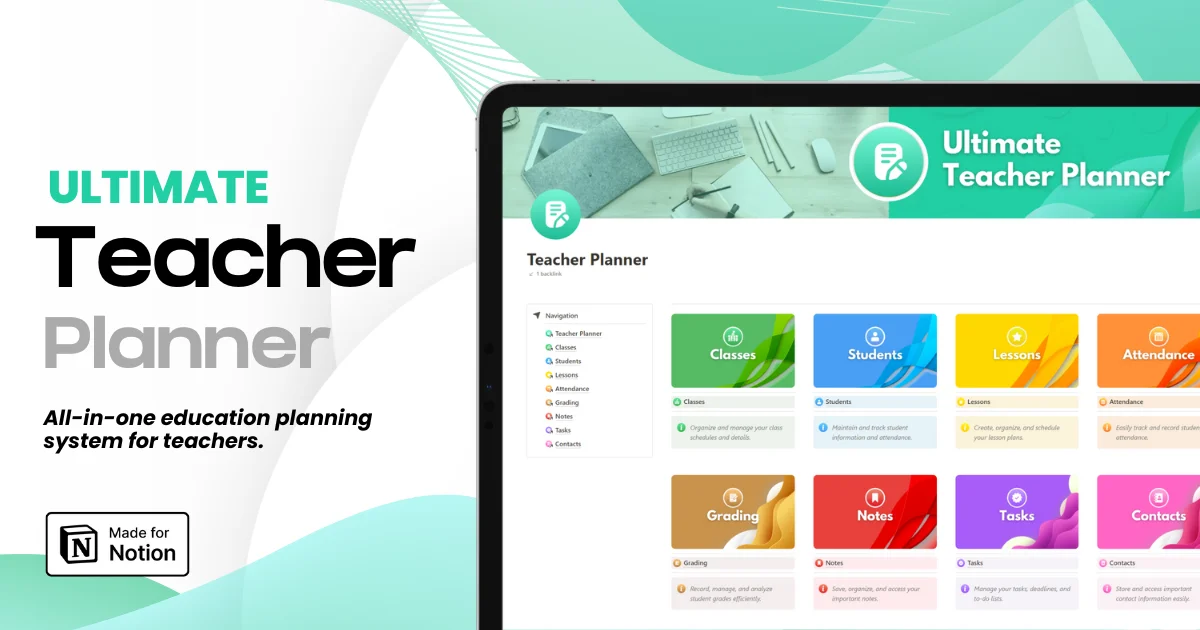
Ultimate Teacher Planner
The ultimate all-in-one education management system in Notion.
Learn More
Ultimate Teacher Planner
The ultimate all-in-one education management system in Notion.
Learn More




Notion4Teachers
Notion templates to simplify administrative tasks and enhance your teaching experience.



2026 Notion4Teachers. All Rights Reserved.
Notion4Teachers
Notion templates to simplify administrative tasks and enhance your teaching experience.
2026 Notion4Teachers. All Rights Reserved.
Notion4Teachers
Notion templates to simplify administrative tasks and enhance your teaching experience.
2026 Notion4Teachers. All Rights Reserved.