Education Policy Explained: Who Decides and How It Works

Ever wondered why your school day starts when it does, or why your students sit for a particular state test? Those choices trace back to education policy, the laws, rules, and funding decisions that shape what schools teach and how they run.
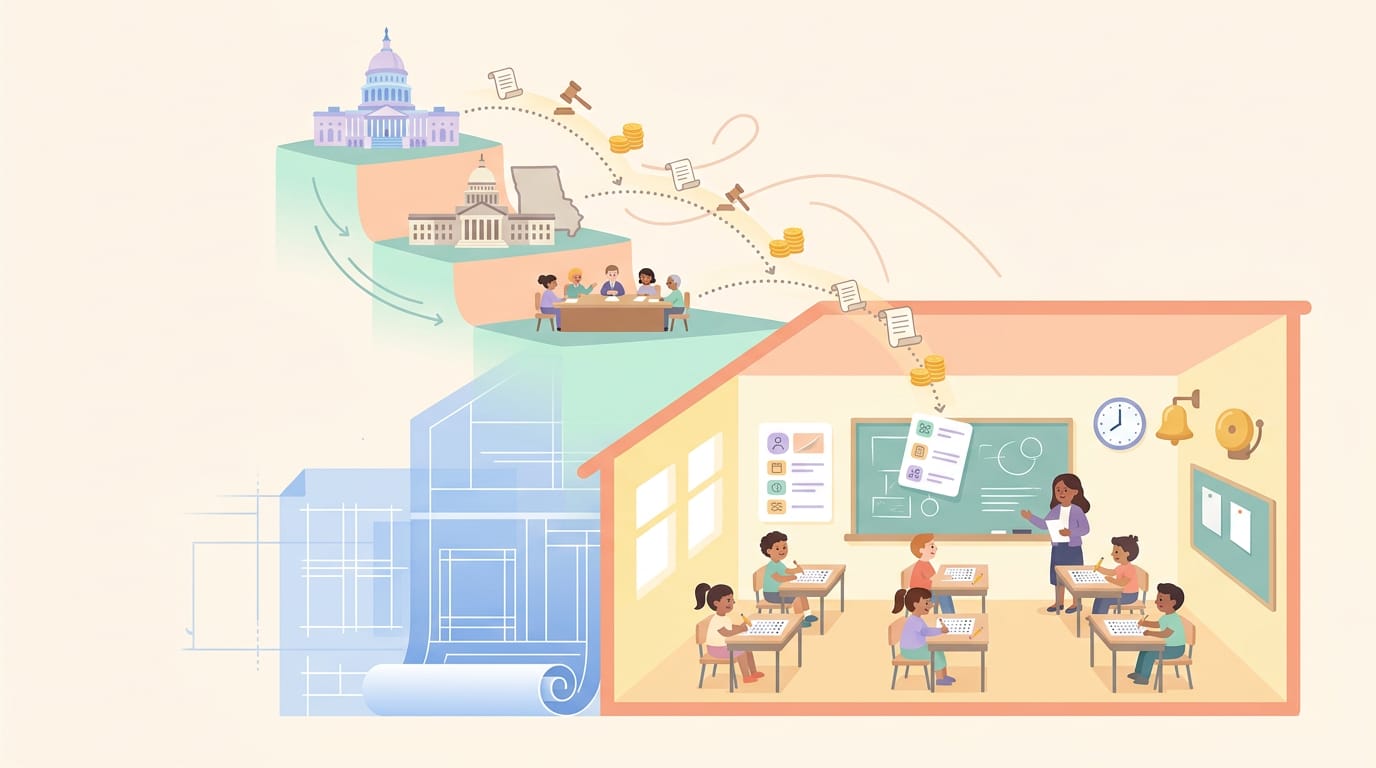
Like a building code, it's easy to overlook, yet it shapes every room you walk into.
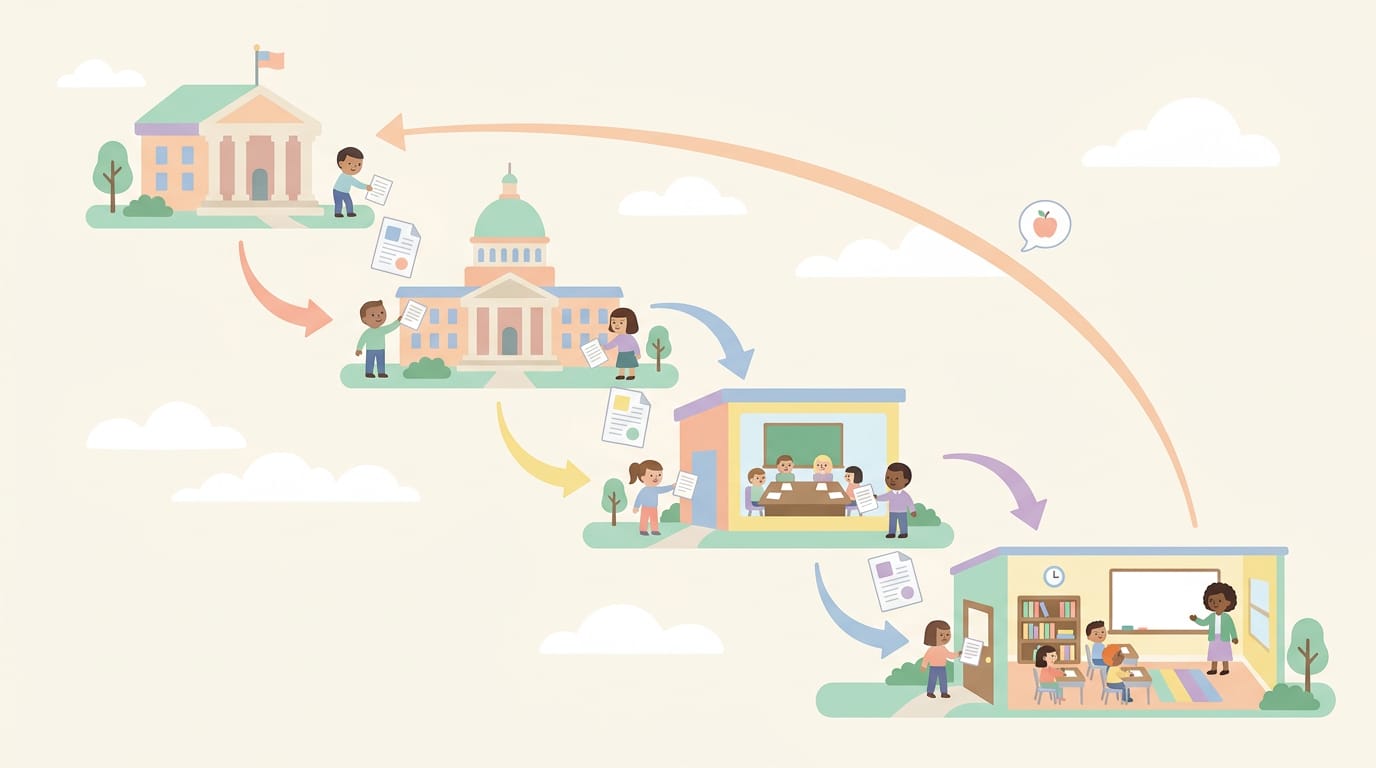
Policy comes from federal, state, and local levels working together. Here, we'll show who makes these decisions and how a policy written far from your classroom becomes a school rule and a daily routine.
Still grading everything by hand?
EMStudio is a free teaching management app — manage your classes, students, lessons, and more!
Who Makes Education Policy Decisions
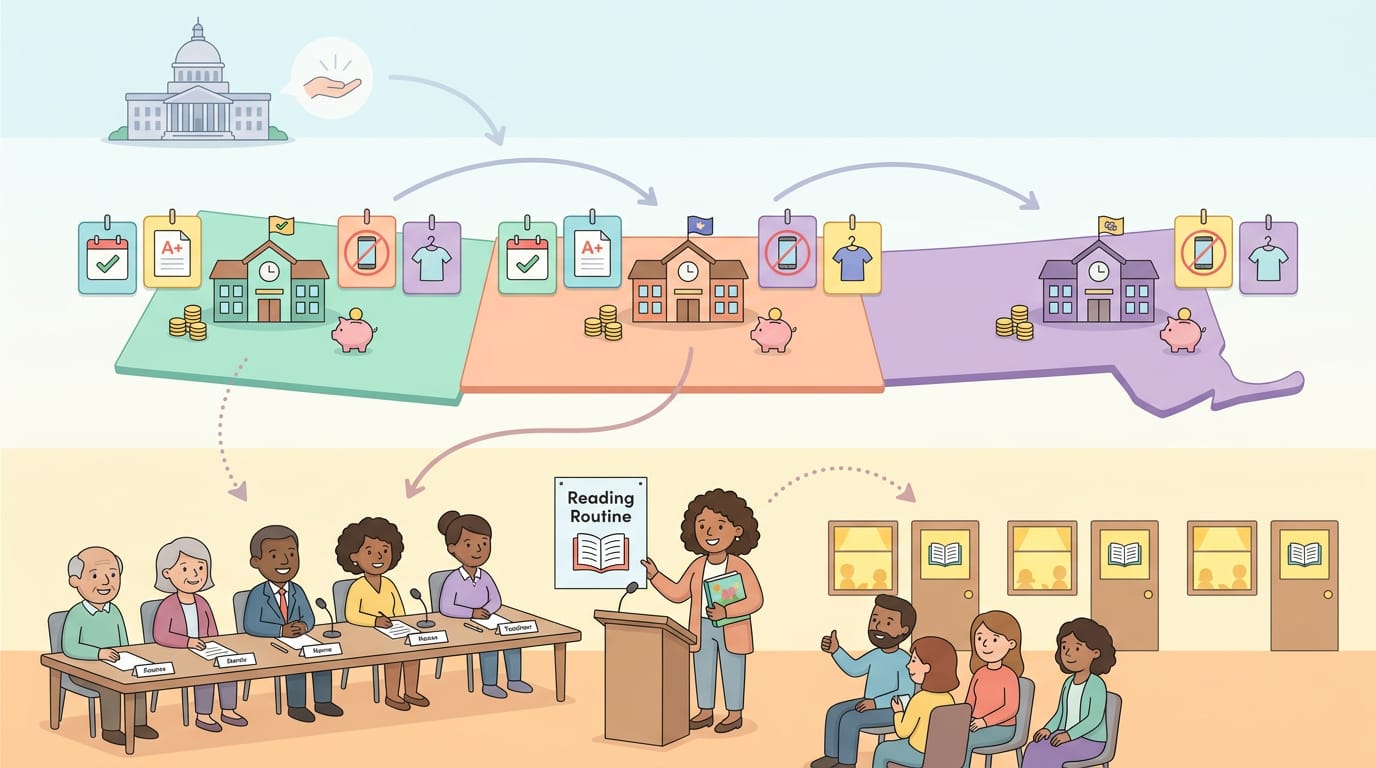
Who decides what your school teaches and which rules you enforce? Here's how the layers split that work:
How states and towns control schools
The 10th Amendment reserves powers not given to the federal government for the states and the people, which is the basis for local control.
Local and state funding sets what a school can afford, and local boards and commissions set district rules.
Each state and district runs its own system, so you'll see real variation.
Examples of school policies include:
Attendance rules
Grading standards
Cell phone rules
Dress codes
Teachers have a voice, too. A fourth-grade teacher who pitches a new reading routine at a board meeting might win it for every fourth-grade class in the district.
Washington's role and the Department of Education
According to the U.S. Department of Education, the original department was created in 1867 to collect information that would help states establish effective school systems.
It was less about running schools and more about informing the states that build them.
Its duties later grew to include higher and vocational education. Today it's a cabinet-level department.
Federal policy usually starts as a bill that must pass Congress and be signed by the President. Federal money nudges states toward standards alignment, though states still write their own standards.
Where parents, teachers, and government clash
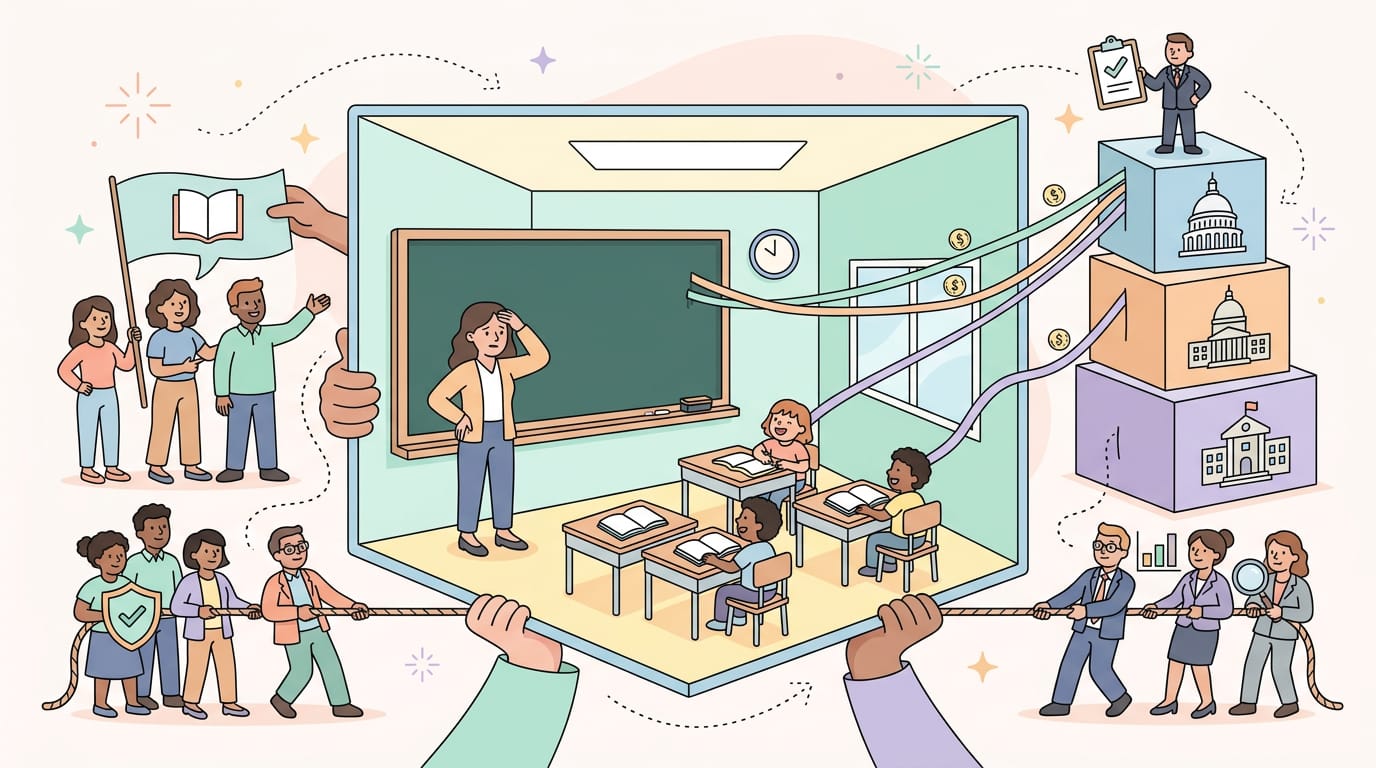
Parents often want a direct say in what their children learn, while officials must balance many communities. Teachers' unions and education reformers often clash over priorities like job protections and accountability.
Control is shared: towns run daily operations, states set many standards, and Washington adds rules tied to federal dollars. Towns often decide content, while all three levels fund schools. Every decision lands in a classroom.
How U.S. Education Policy Developed over Time
In the United States, education policy is the set of laws, rules, and funding decisions that shape how schools run, who attends, and what they teach. Today's rules grew from a long history, so let's trace it.
Schooling in colonial and early America
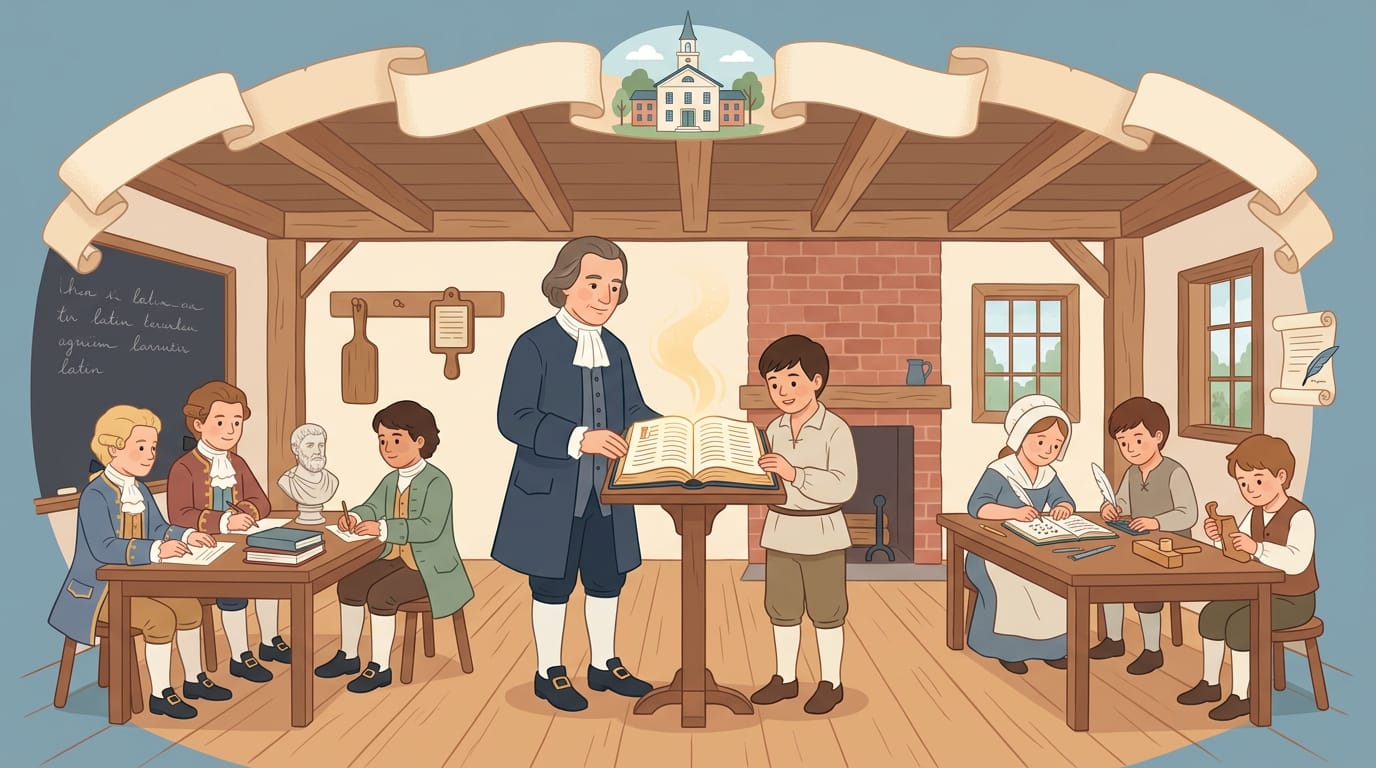
Early schooling was shaped largely by religion. Massachusetts school laws show the pattern: their core purpose was religious literacy, so children could read scripture for themselves. Reading was a means to an end, faith rather than jobs.
Latin grammar schools taught the classics, mostly to wealthier boys, while practical and civic curricula prepared others for trades and public life. Many founders linked learning to self-government, so an educated public mattered.
How the common school movement grew
The common school movement aimed to give all children a shared, publicly supported education. Horace Mann led much of that push, backing public schools and state boards of education to oversee them. Immigration drove demand as new families arrived.
Critics questioned government's role, and taxpayers objected to paying for schools their families didn't use. Support grew, but never without argument.
Mandatory school attendance and parent rights
Compulsory attendance laws turned schooling from a family choice into a legal duty. That raised a harder question: who has the final say over a child's education, the state or the parent? The dispute reached the Supreme Court in Pierce v.
Society of Sisters, a case over whether children could be required to attend public school.
Parochial schools fed that tension, and the Blaine Amendment, a proposal to keep public money out of religious schools, sharpened it.
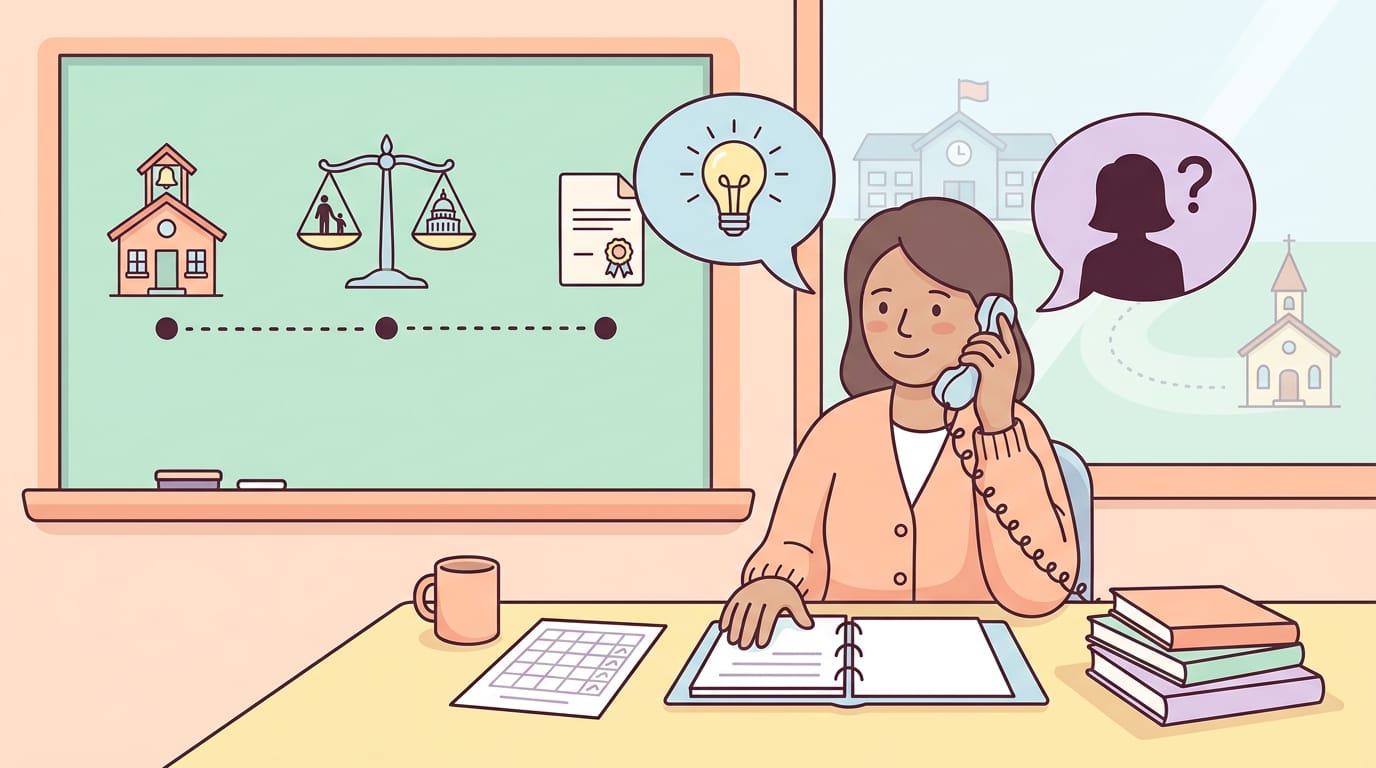
Think of a middle school teacher who gets a call asking why a child must attend every class. Knowing where these rules came from lets her explain them calmly. That context turns a tense call into a useful conversation.
Who got left out of schooling
Access was never equal. For a long time, schooling depended more on class than on need. Wealthier families could afford Latin grammar schools, while poorer children often had little access.
Girls and many minority children were shut out of much of formal schooling, and in the South, schools were segregated by law. Economic disparities have persisted. Those gaps still shape the rules you work under.
Major Federal Education Laws That Changed Schools
Some of the biggest shifts in American schools came from federal law, and you'll still see their effects in your classrooms. Here's how we got here.
Laws that funded career and trade training
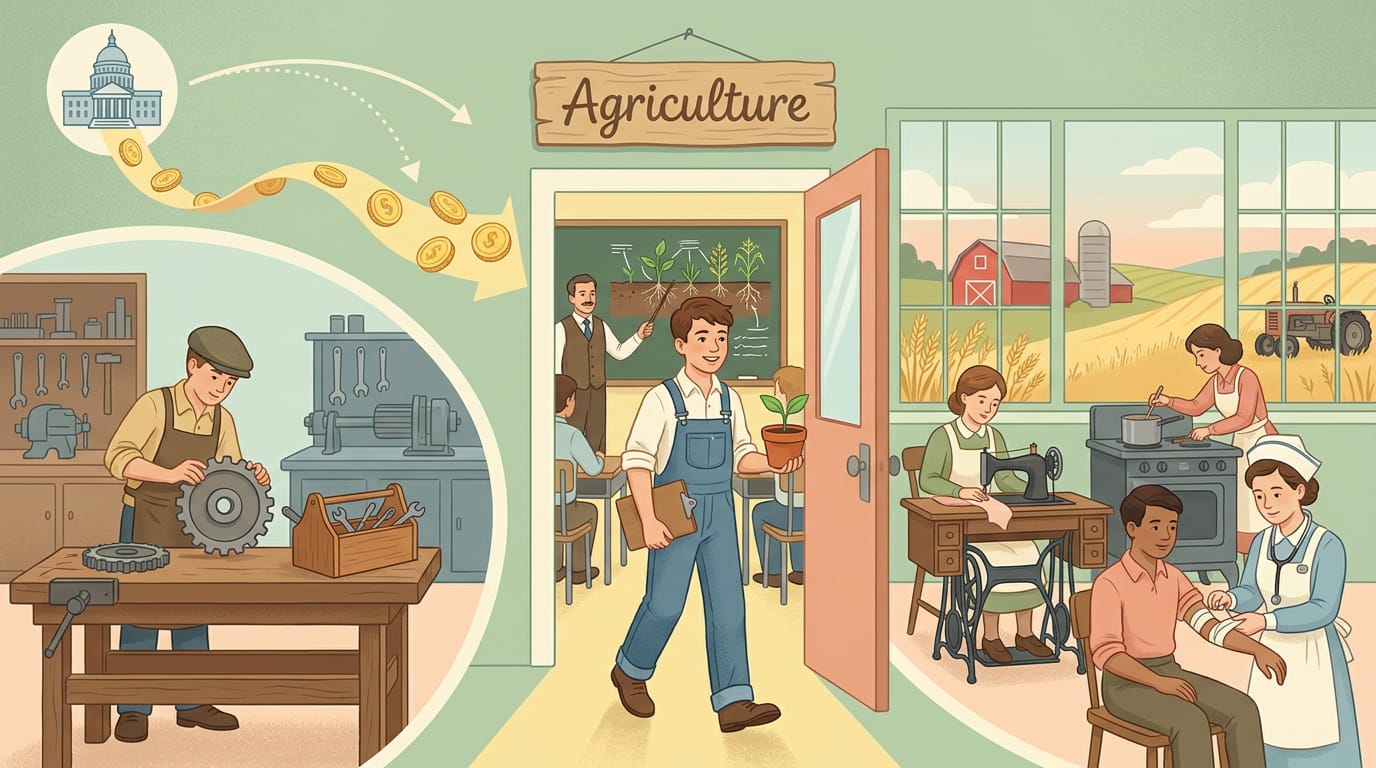
The U.S. Department of Education identifies the Smith-Hughes Act of 1917 as a major step in federal aid to schools, focused on:
agricultural
industrial
home economics training
Think of a farm-town high school student who leaves an agriculture class with a skill to use right away.
A paper on federal vocational aid notes that Congress finally passed the George-Deen Act in 1936. The Health Amendments Act also brought nursing into the mix, and much of this money flowed through grants to states.
Cold War push for college funding
Sputnik, the Soviet satellite, spurred Congress to act. The U.S. Senate calls the National Defense Education Act (NDEA) of 1958 one of the most successful legislative initiatives in higher education.
Student loans joined the effort, and the focus moved from vocational skills toward college access.
According to Veterans Affairs, since 1944 the G.I. Bill has helped qualifying veterans and their family members cover all or some of the costs of school or training.
The Higher Education Act followed in 1965, and its Title III, which strengthens developing institutions, appears in a U.S. Office of Education record.
Civil rights laws that protect students
Title VI, Title IX, and Section 504 set anti-discrimination protections for students.
Title I aid under the Elementary and Secondary Education Act (ESEA) supports disadvantaged students, and the focus shifted from funding toward accountability under No Child Left Behind (NCLB) and then the Every Student Succeeds Act (ESSA).
Results became part of the deal.
What States Prioritize and Advocate For
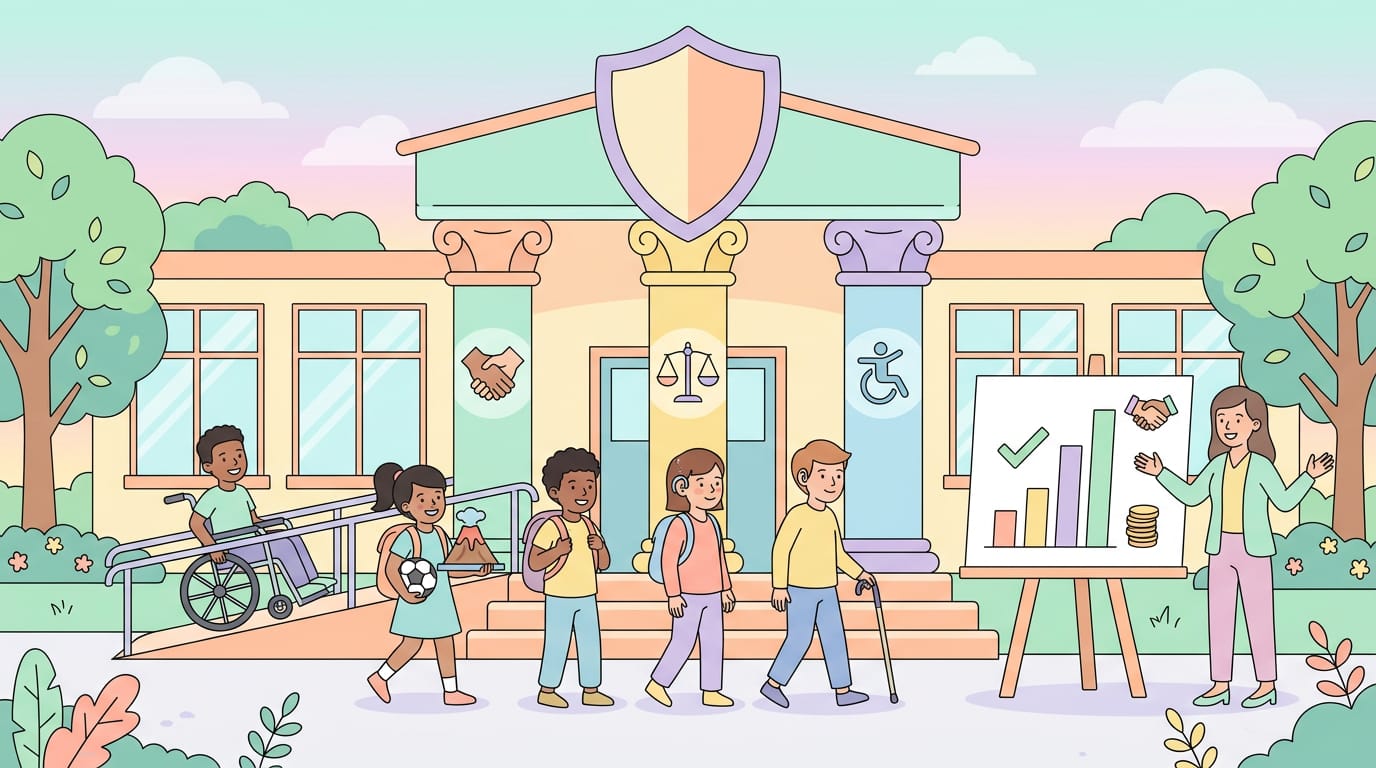
States set many of the priorities that shape your school day. Here's what they focus on.
How states boost student achievement
States push for early literacy support, like reading coaches and small-group help. Think of a first-grade teacher with a coach two mornings a week, spotting reading gaps early instead of guessing.
States also back preschool, support for English learners (students still building English), and career and technical education (CTE), which gives high schoolers hands-on training for skilled work.
Innovative public programs test new approaches rather than repeat old ones. Good ideas still need proof.
Teachers, mental health, and school safety
States also back educators and students:
Teacher preparation and retention shape how teachers are trained and kept in the classroom.
Mental health services bring counseling and support into the school day.
Violence prevention programs help keep students and staff safe.
Dropout prevention funding targets students at risk of leaving school.
How policy shapes teacher retention. A new science teacher with a mentor and a lighter first-year load has a reason to stay past year one, so your school doesn't restart its hiring cycle every August.
Public money and school accountability
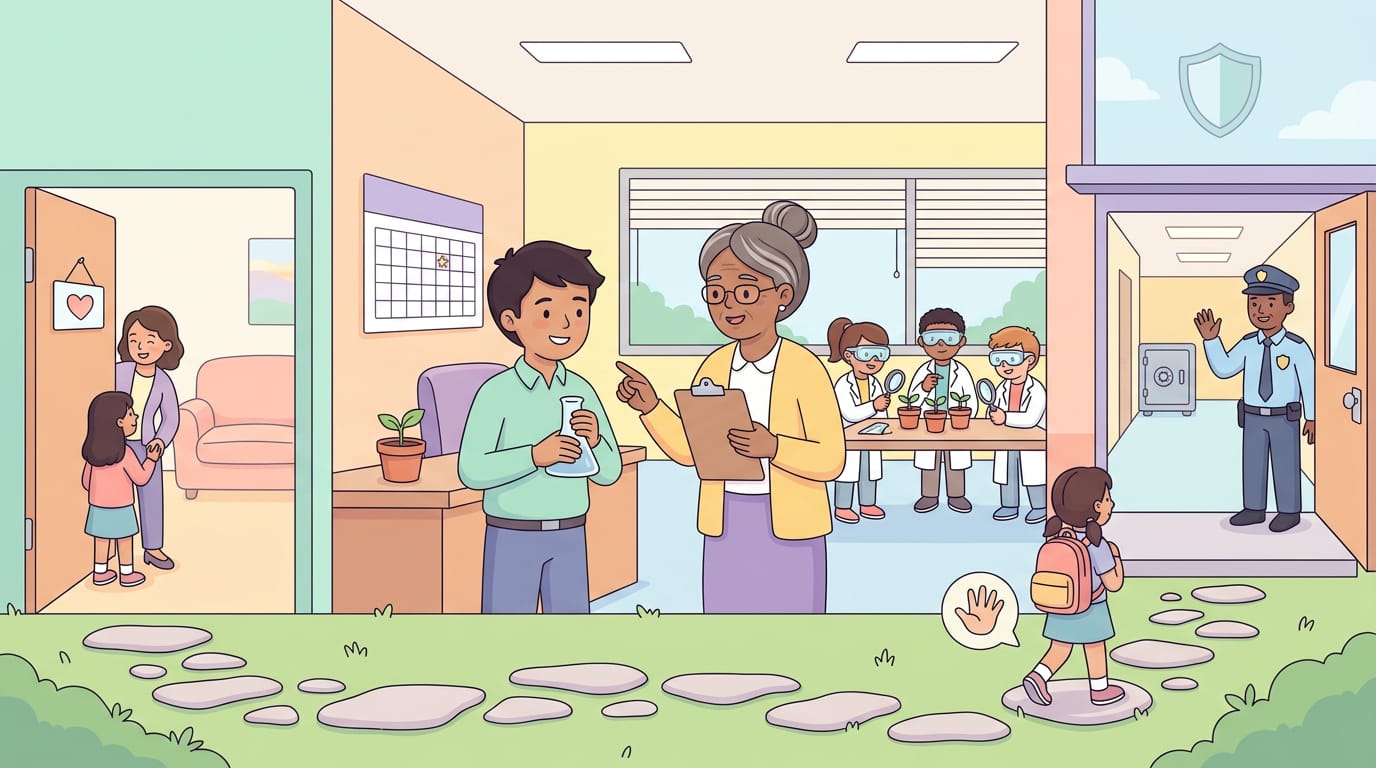
Supplemental state aid is extra money on top of local funding, and states also weigh in on competitive teacher wages, meaning pay that holds up against other careers. Two principles keep that money accountable.
Public funds stay public: taxpayer money goes to public schools and is spent under public rules. Transparency means budgets are open, so families can see where the money goes. Trust follows visibility.
So which education policy is the best? There's no single winner. It's less about one best policy and more about the best fit: a policy with a clear goal, enough funding, and results you can check.

Latest Federal Moves on Education
Not every federal action carries the same weight. Congress passes laws, agencies write regulations (binding rules), and they issue guidance (advice that generally isn't binding).
What Congress is doing with school funding
Continuing resolutions. Short-term funding extensions that keep programs running while Congress finishes a full budget.
FY27 Labor-HHS bill. The fiscal year 2027 spending bill for the Labor, Health and Human Services, and Education departments.
Codifying interagency agreements. Writing agreements between federal agencies into law, so they're harder to change quietly.
Senate opposition bill. Legislation in the Senate pushing back on a related proposal.
Actions taken by the Education Department
Proposed grant regulation rule. A draft rule the public can usually comment on before it becomes final.
Ed-Flex state approvals. Ed-Flex is a waiver authority letting states set aside some federal rules while staying accountable for results.
Edtech use guidance. Advice on using educational technology in schools.
Student discipline and race guidance. Advice on applying discipline policies with attention to race.
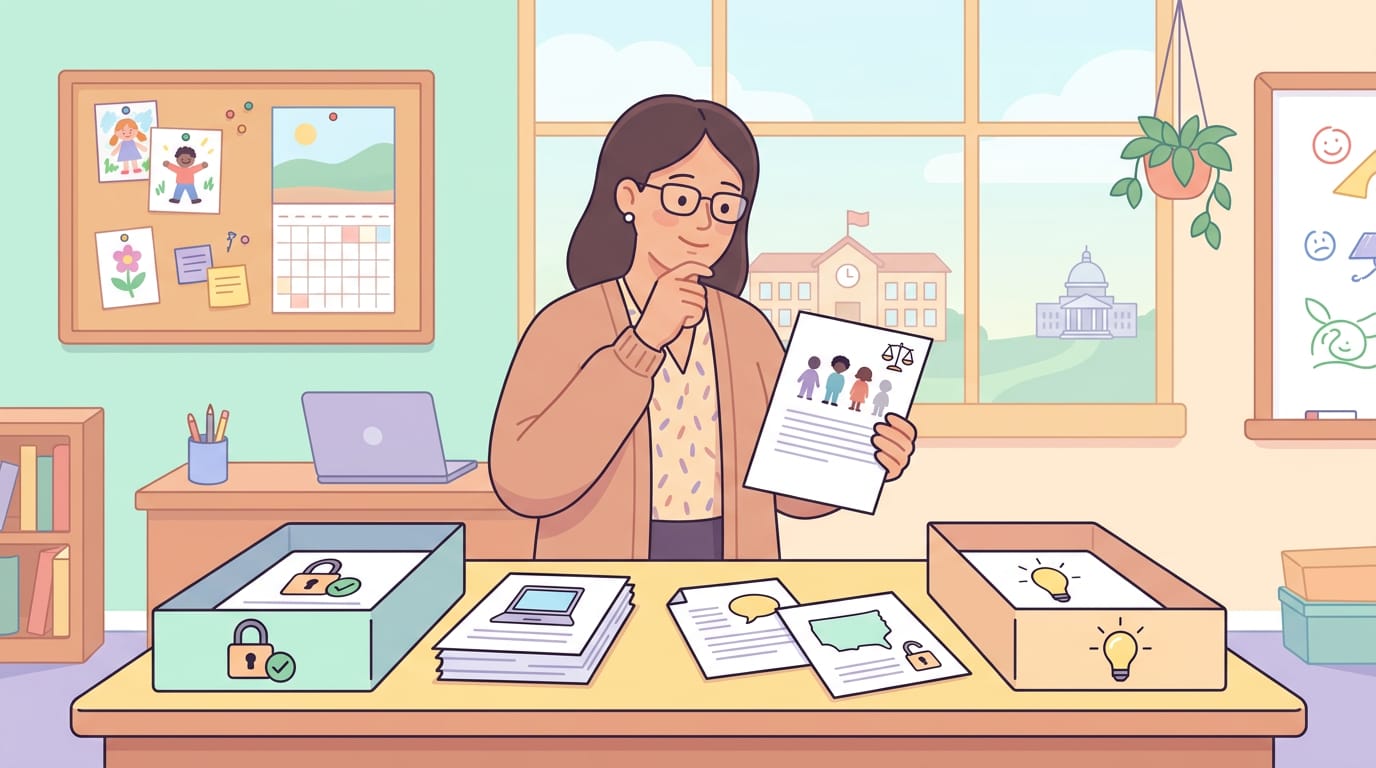
Think of a middle school teacher whose district updates its discipline policy after new guidance. Knowing whether a document is binding or just advice shows her which changes she must make.
Changes to grants and program funding
Federal decisions reach schools through money, so ask where funds land, not just whether they move.
Withheld grants have been released, which matters if you were waiting on that money.
Workforce Pell is federal aid for short-term job-training programs.
A proposal would revise the standards for Head Start, the federal early childhood program for low-income families.
Community schools pair academics with services like health care and family support on campus. Follow the money.
Courts weigh in on kids' online safety
A current example we can track is a settlement involving Meta.
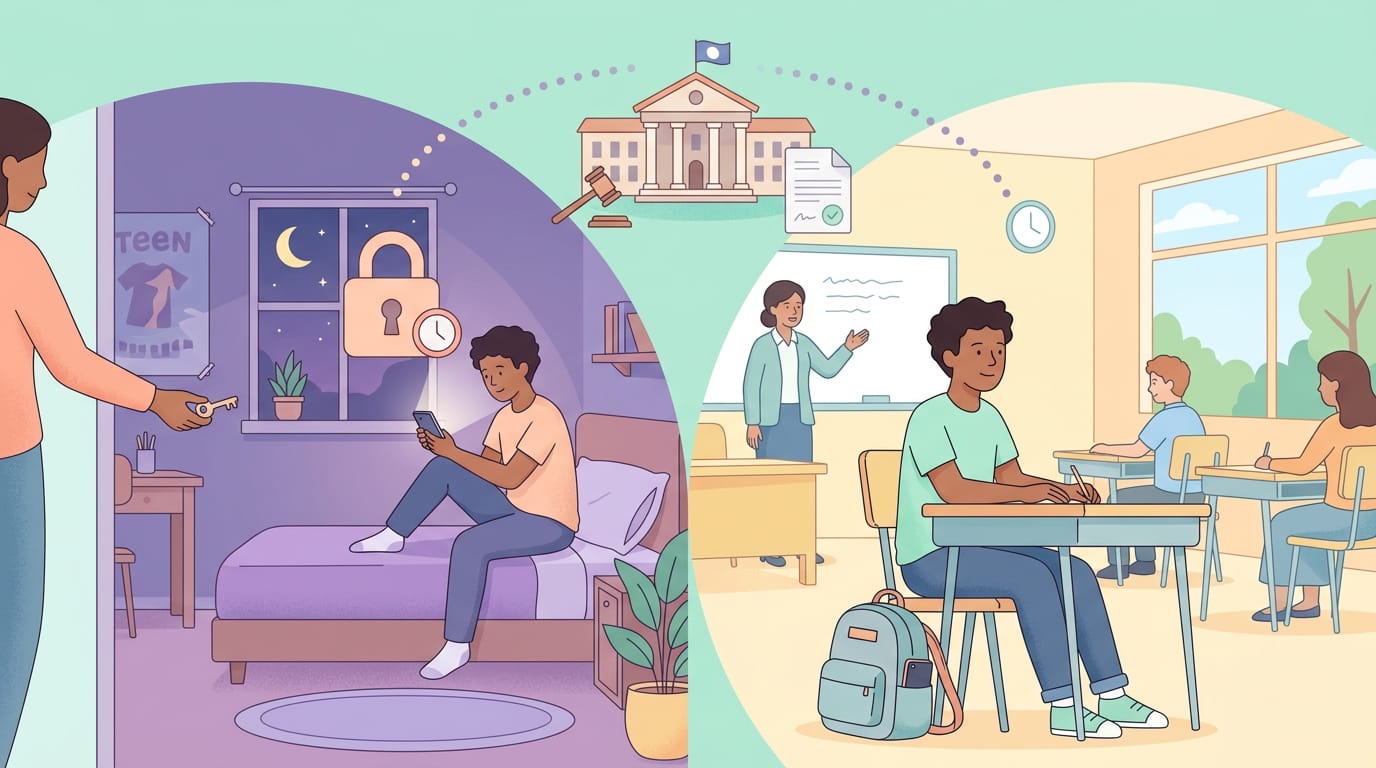
California Attorney General Bonta's announcement describes a proposed settlement that, subject to court approval, sets default daily time limits on social media and blocks overnight use unless a parent lifts the block.
Teen usage limits matter to schools because students carry their habits from home into class.
State attorneys general can sue on residents' behalf, a reminder that some policy starts in a state office, not Washington.
Where to Find Education Policy Research
Policy questions usually have an answer on the record, and we'll show you where to find it. Start with primary sources, then move to the research and data that test them.
Official sources and legal databases
Start with the people who write the rules. The U.S. Department of Education publishes federal guidance, and your state education department does the same for state rules.
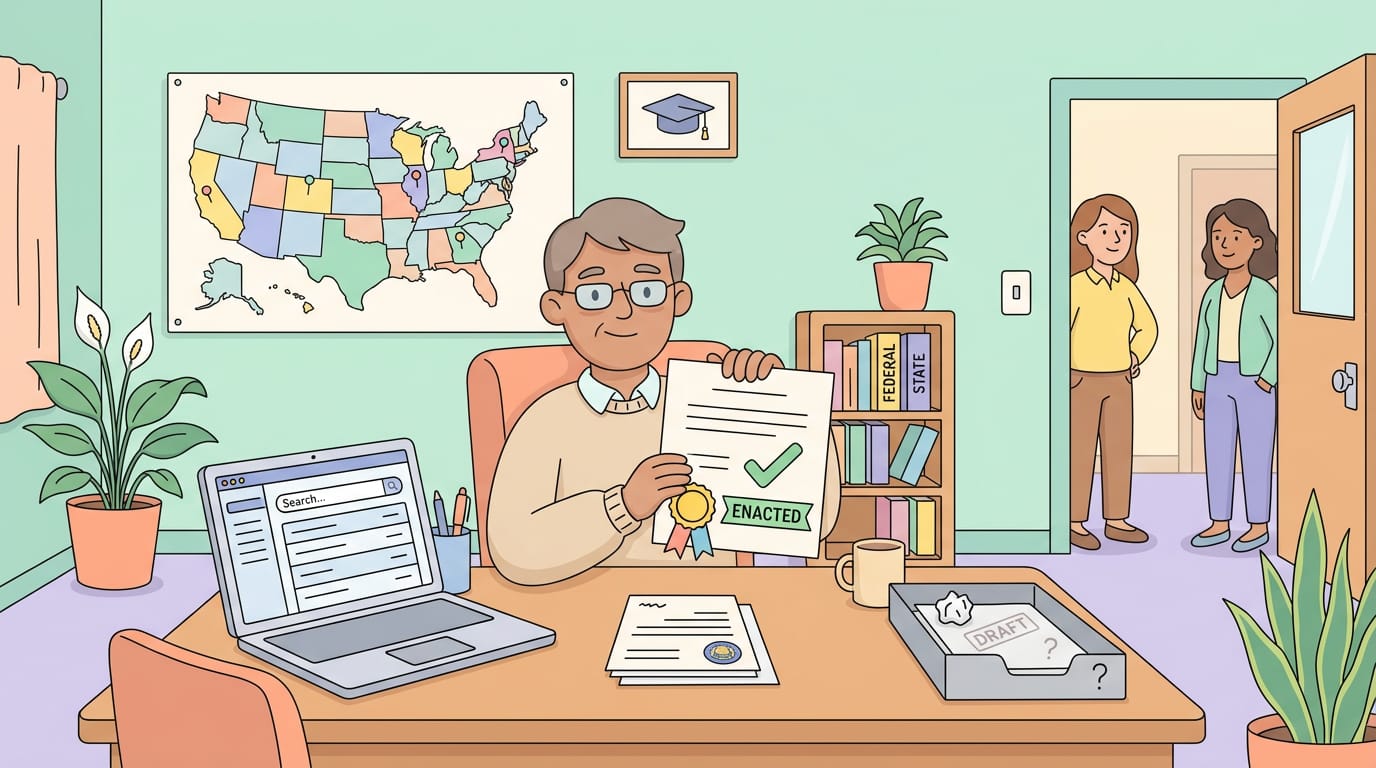
Bills and laws databases: Check the enacted law, not just the introduced bill.
NCSL state research: The National Conference of State Legislatures (NCSL) lets you compare what other states are doing.
Say you're a principal hearing that your state is changing graduation requirements. Pull the enacted law and the state guidance, and you'll know what's binding before you talk to staff.
Search education research databases
Research databases show what studies found, while news and legal databases show what actually happened.
ERIC (Education Resources Information Center): a collection of education research.
Education Abstracts: a database that indexes education literature.
Nexis Uni: news and legal sources, useful for seeing how a policy was debated.
Think of a teacher on her school's curriculum committee who needs evidence, not hunches. A quick search gives her a few studies to bring to the meeting.
Statistics and how countries compare
Four sources cover the basics:
NCES data: The National Center for Education Statistics (NCES) is the core federal source for national figures.
NAEP assessments: The National Assessment of Educational Progress (NAEP) tests student samples to track achievement over time.
Condition of Education: NCES's report on key national indicators.
OECD PISA: The Programme for International Student Assessment (PISA), run by the Organisation for Economic Co-operation and Development (OECD), compares 15-year-olds across countries.
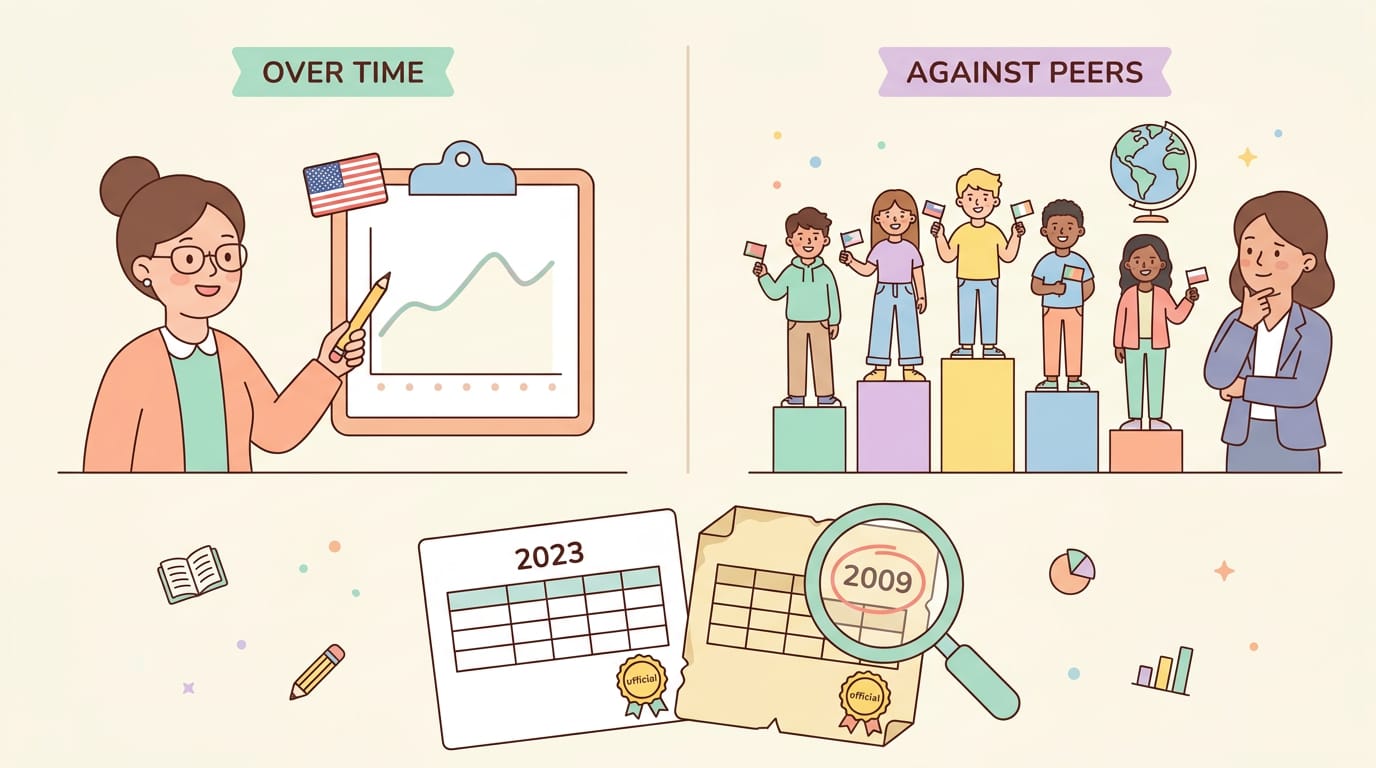
NAEP shows how U.S. students change over time, while PISA shows how they stack up against peers in other countries. Old tables look just as official as new ones. Check the year.
Finding education association positions
Associations state where they stand. Those of the National Association of State Boards of Education (NASBE) and the National School Boards Association (NSBA) show how state and local boards each see an issue.
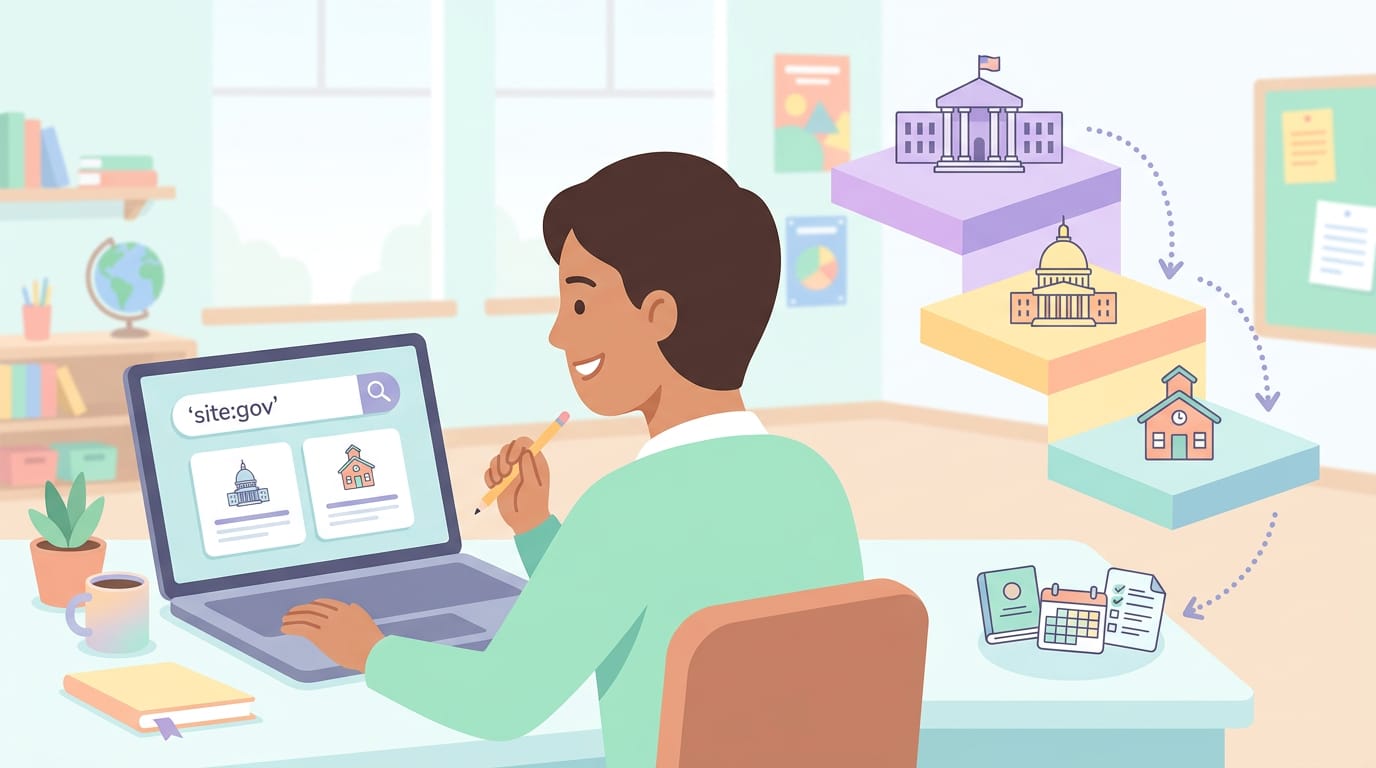
Domain searching: Add site: and a domain, such as site:gov, to limit results to one website, and put a bill number in quotation marks for exact matches.
Association issue pages: Many associations sort positions by topic. Start with the issue page, not a general search.
Education policy is a layered system. Federal, state, and local decision-makers each shape schools in their own way, and their choices reach your building as rules, schedules, and expectations.
Knowing that chain helps you read the rules you're handed with more confidence.
Ready to see that chain in action? Check out our posts on School Leadership & Policy to see how school leaders turn policy into everyday guidance.
References
Federal Role in Education — www2.ed.gov
Development of Federal Aid for Vocational Education — thekeep.eiu.edu
U.S. Senate: Sputnik Spurs Passage of the National Defense Education Act — senate.gov
About GI Bill Benefits — va.gov
The Higher Education Act of 1965 (P.I. 89-329) as Amended: Title III ... - United States. Office of Education — books.google.com
Still grading everything by hand?
EMStudio is a free teaching management app — manage your classes, students, lessons, and more!