
Continuing Professional Development: A Full Guide

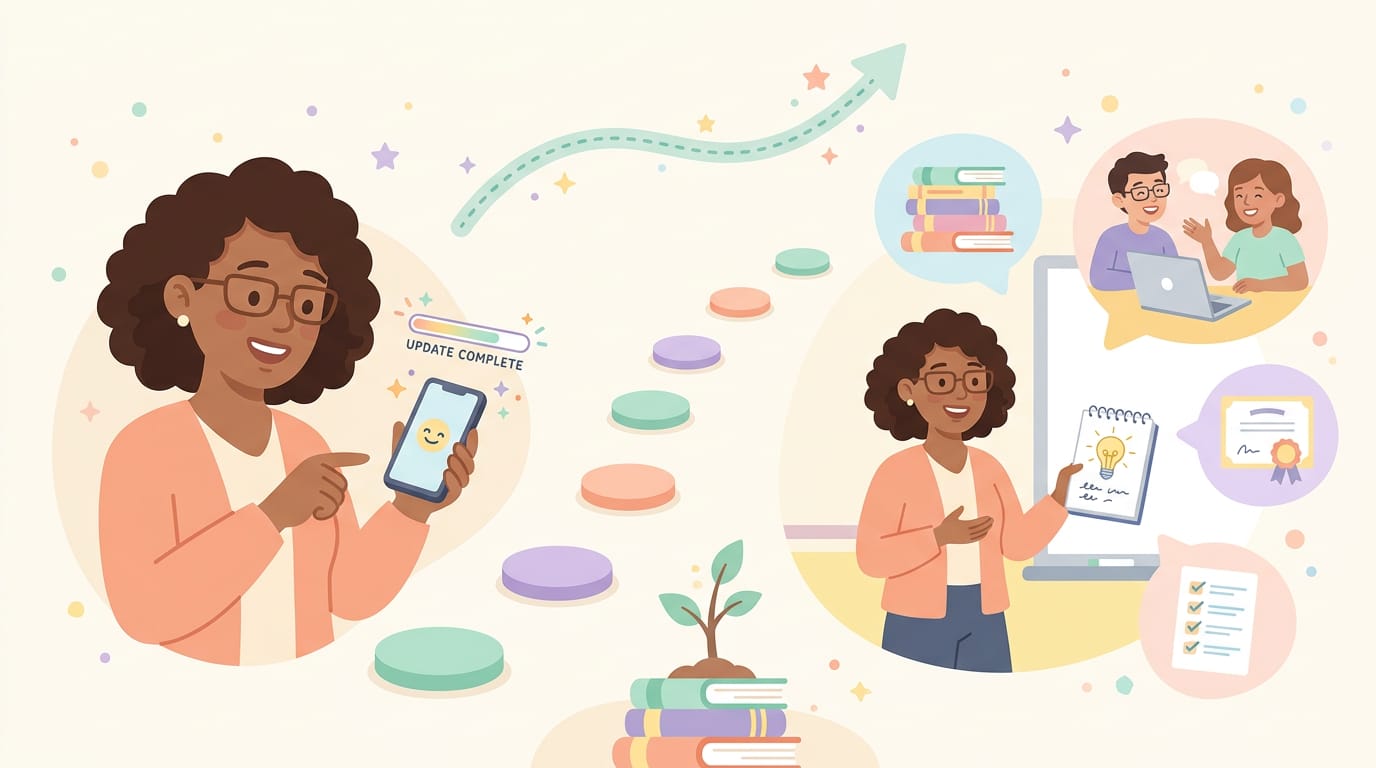
Remember when a phone update quietly changed how everything worked? You adjusted because you kept up. Teaching asks for the same, and that ongoing learning has a name: continuing professional development (CPD).
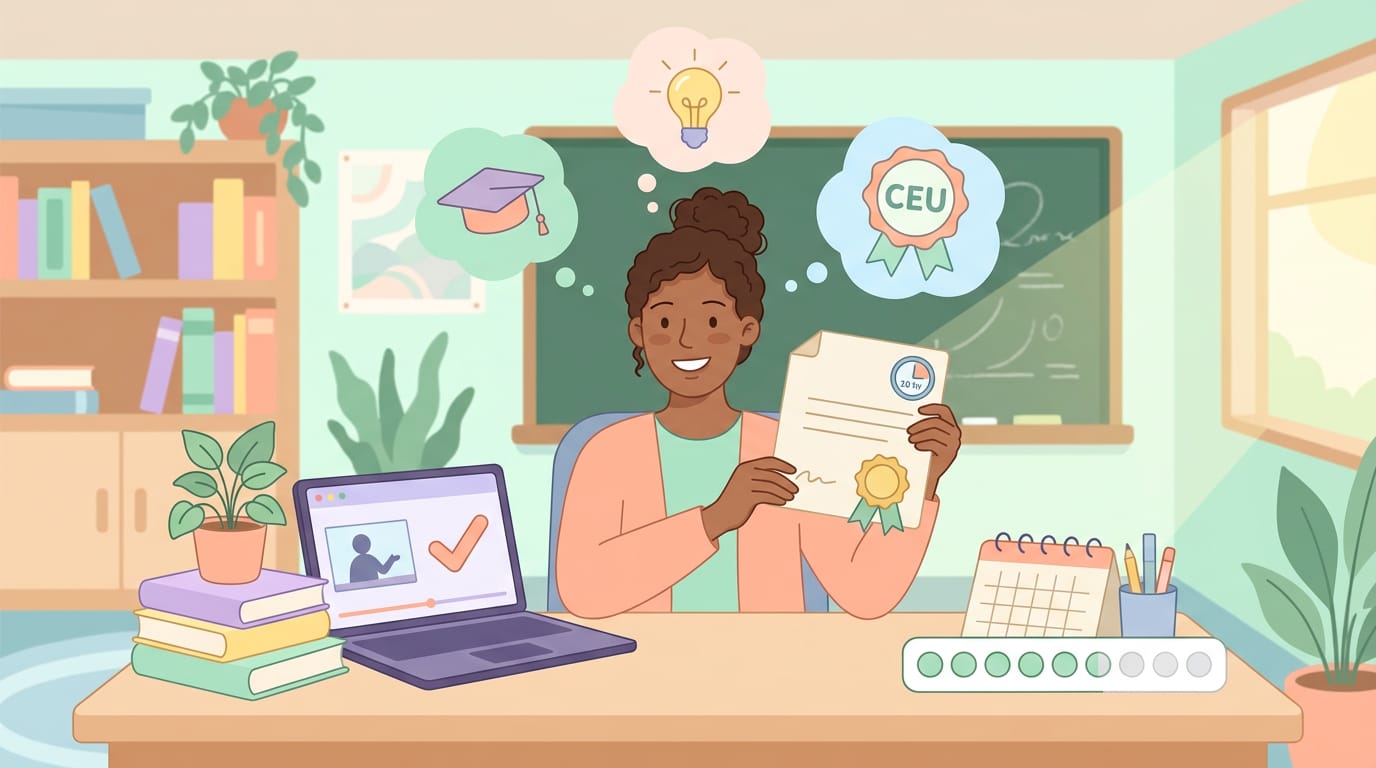
CPD is the deliberate learning you do after you've started your career, from workshops and courses to reading and collaborating with colleagues. It keeps your skills sharp and your classroom fresh.
Here, we'll cover what CPD means, the activities and points that count, how to plan it, and a simple way to track your progress.
Still grading everything by hand?
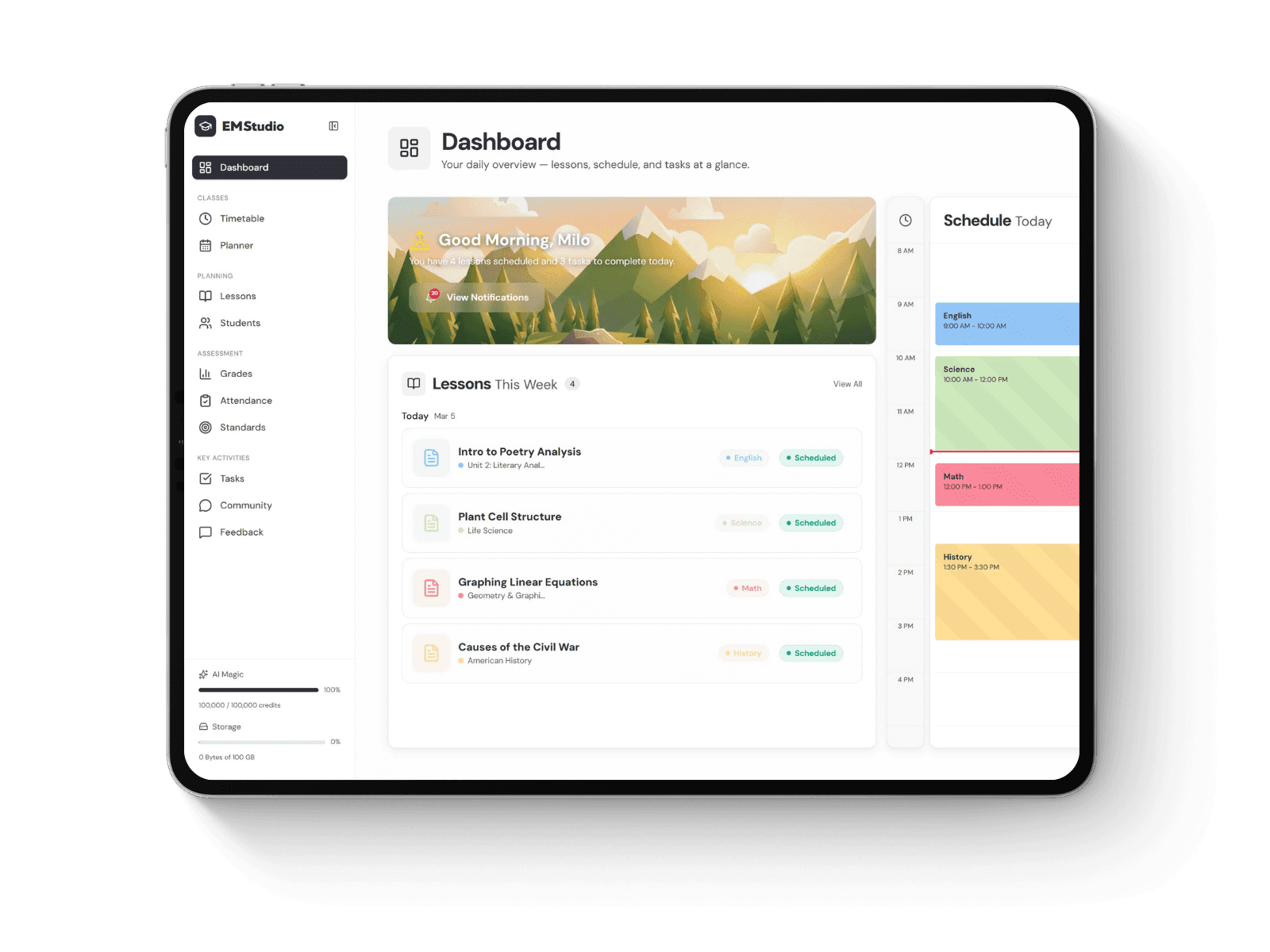
EMStudio is a free teaching management app — manage your classes, students, lessons, and more!
Why Continuing Professional Development Matters
Learning doesn't stop when you land your first teaching job. That's where continuing professional development (CPD) comes in.
What counts as learning after starting work
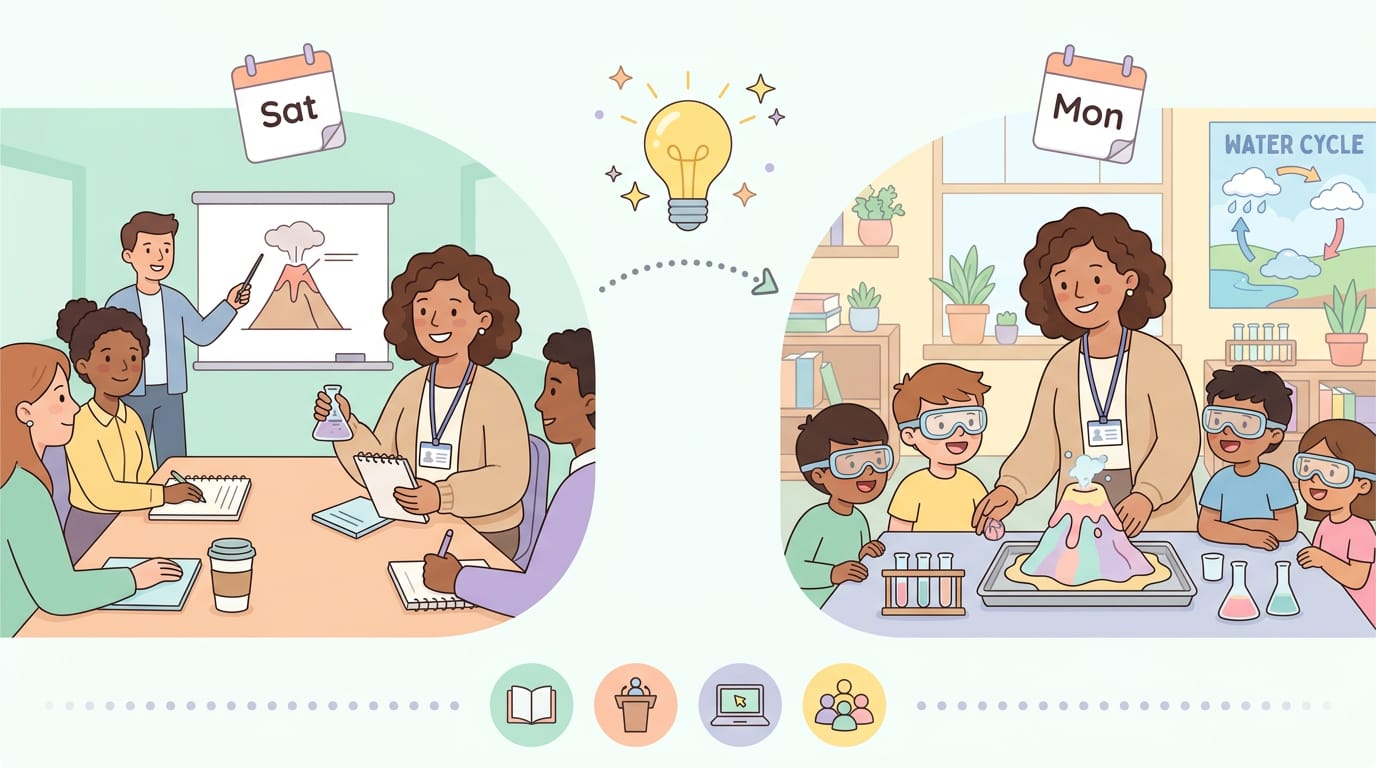
CPD is ongoing learning, not one-time training. Courses, workshops, conferences, and self-study all help you stay current with industry trends. Consider a science teacher who attends a weekend workshop, then tries a new activity on Monday.
That's CPD in action: learning you can use right away. It's a commitment to constant improvement.
Why it matters in fast-changing workplaces
Workplaces are competitive and change fast, so skills go stale. CPD benefits both you and your employer.
A State of Employer-Sponsored Professional Development report found that development is associated with retention and engagement: 68 percent reported increased employee engagement, 66 percent improved performance, and 59 percent increased retention.
Still, many professionals don't upskill. According to HRO Today, 50 percent of professionals didn't take part in any workplace training over the last fiscal year.
Required hours and what CPD points mean
Licence or certification maintenance is where CPD becomes formal. Three ideas come up most often:
Approved providers. Look for a CE (continuing education) or CPE (continuing professional education) approved provider.
Credit names. Different systems call the same unit CPD points, CEUs (continuing education units), or simply credits.
Learning hours. Credits are based on learning hours, so time spent learning is what gets counted.
So what are 5 CPD points? Five CPD points is a credit total your licensing body counts toward your requirement. The hours behind it depend on that body's rules, so check before you plan. Some licensing bodies express that credit in continuing education units, so confirm which system applies to you.
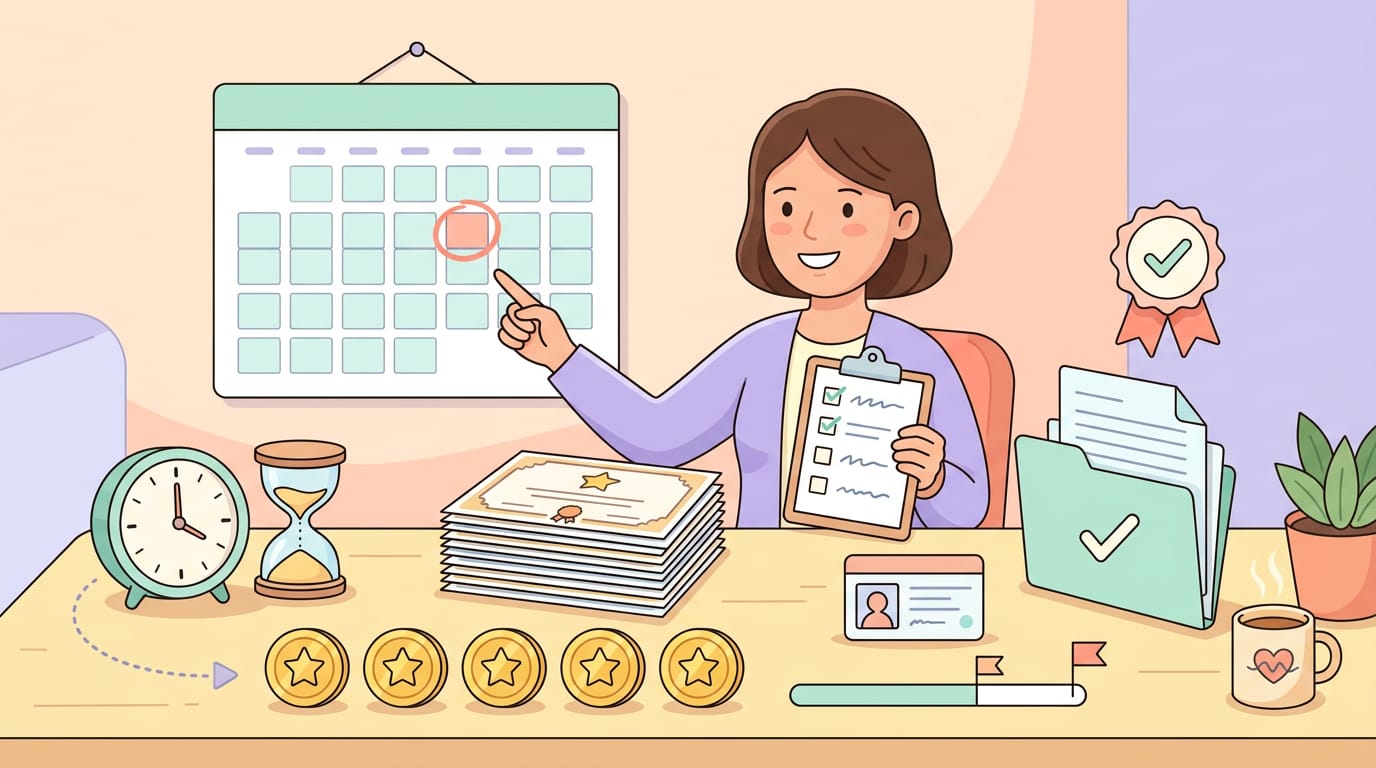
Confirm your teacher licence renewal hours early, and keep a record of each activity so renewal doesn't catch you off guard.
What CPD Gives People and Organizations
Continuing professional development (CPD) pays off for you and your organization.
How it helps your career and confidence
Harvard's Division of Continuing Education (DCE) notes that professional development can open the door to career advancement, such as promotions, and it can increase earning potential.
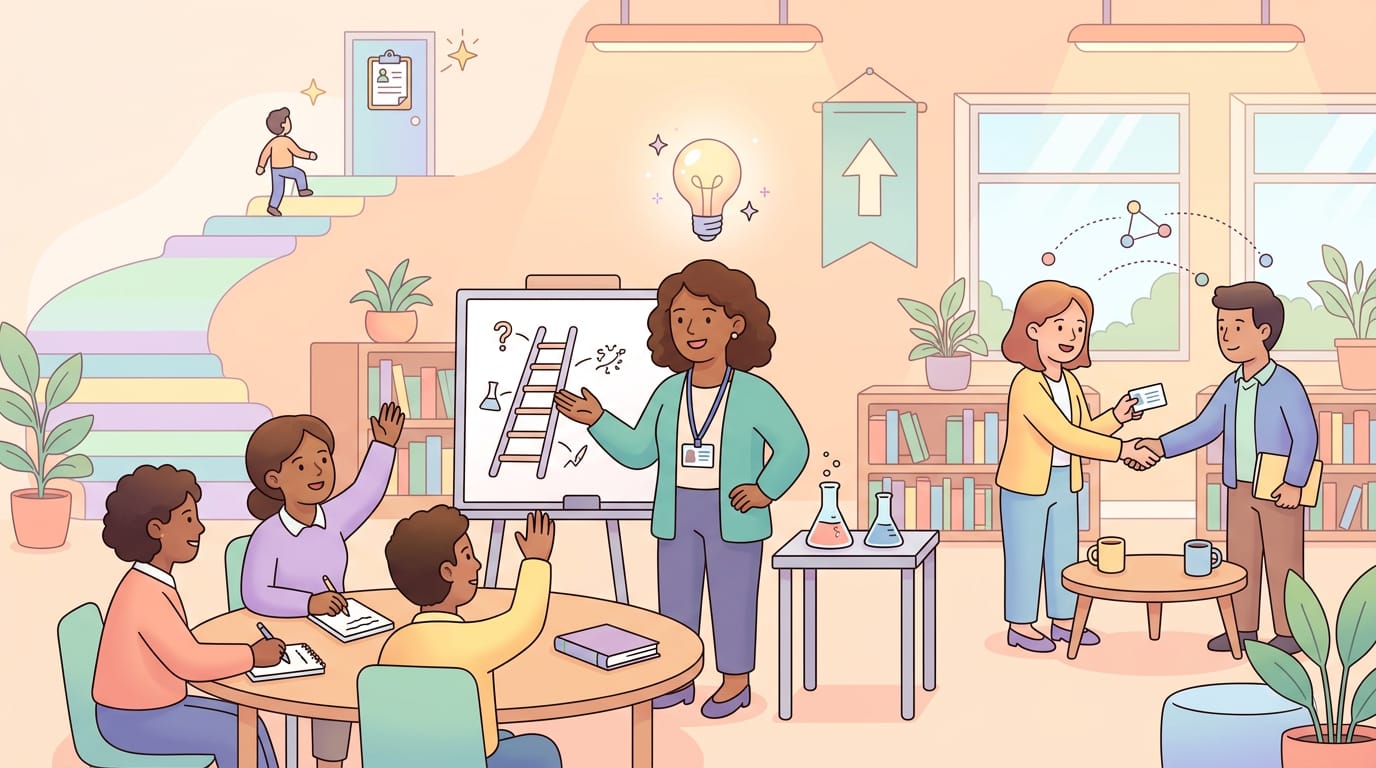
Think of a science teacher who finishes a short course on classroom questioning. She explains her approach with confidence, and colleagues take her seriously.
CPD can also lead somewhere new, such as a move from the classroom into coaching. Workshops also grow your network, and a colleague you meet there can become a lasting resource. A move like that depends on building teacher leadership skills over time.
Learning also makes the job more satisfying and engaging, especially when a new idea clicks.
Sharper skills and better everyday performance
CPD expands what you know, giving you more than one way to solve a problem. Teachers with recent training adapt faster when standards or technology shift.
Consider a teacher whose new tool checks quizzes automatically, so the Sunday-night hours go back into planning.
Ongoing learning shows you care about getting better, and that commitment becomes pride in your work. It's less about collecting certificates than about using what you learn.
How employers keep staff and stay ahead
A study of employee data from a multinational enterprise found that employees who take part in continuous training were less likely to quit the following year, pointing to higher employee retention.
A team that keeps learning adopts new methods sooner, giving the organization a competitive advantage. Over time, it also builds ideal, efficient employees.
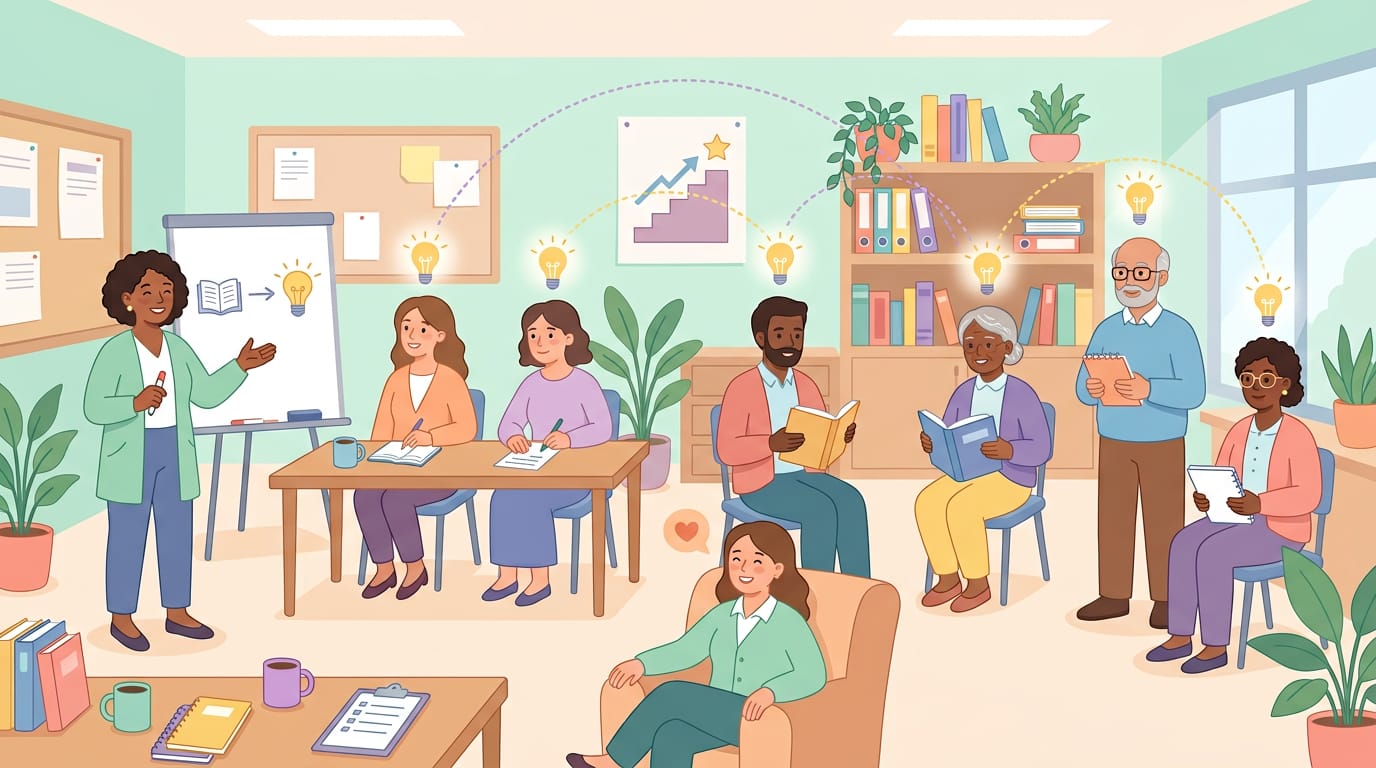
Picture a department where one teacher shares a reading strategy, and soon most of the team uses it. That's a culture of learning. Learning, it turns out, is contagious.
Activities That Count as CPD
Continuing professional development (CPD) covers far more than workshops. Here's how the main types break down:
Structured courses, workshops and webinars
Instructor-led courses and certifications give you a set syllabus and a clear finish line. Workshops, seminars, and conferences add face-to-face time, while online courses and webinars let you learn on your own schedule.
Think of a third-grade teacher who takes a four-week online course on reading intervention and tries one new routine each week with her small group.
Look for active, structured CPD, where you apply what you learn rather than just hearing about it.
Self-paced learning from books and podcasts
Reading books and articles. Keeps you current at your own pace.
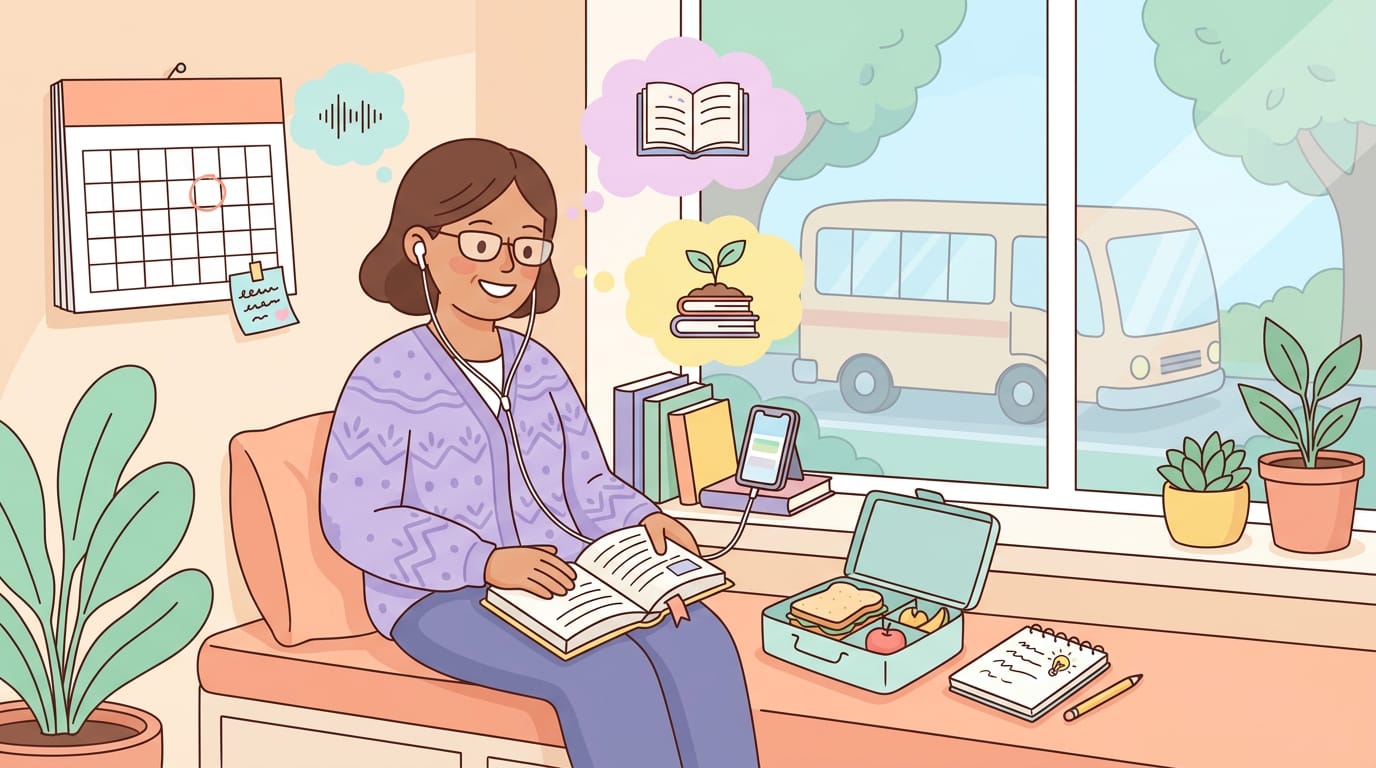
Podcasts and TED Talks. Recorded talks and episodes on wide-ranging topics fit into a commute or lunch break.
Microlearning. Short lessons, like one strategy to try before Monday.
Reflective or passive CPD is learning you absorb on your own. It still counts, but reflecting on what you read or heard is what turns it into growth.
Learning from mentors, colleagues and on-the-job work
Some of the richest CPD happens without leaving your building. Mentorship pairs you with an experienced educator, and on-the-job training builds skills as you work.
Shadowing colleagues lets you watch a skill in action, and a lateral move into a different role stretches you without a promotion.
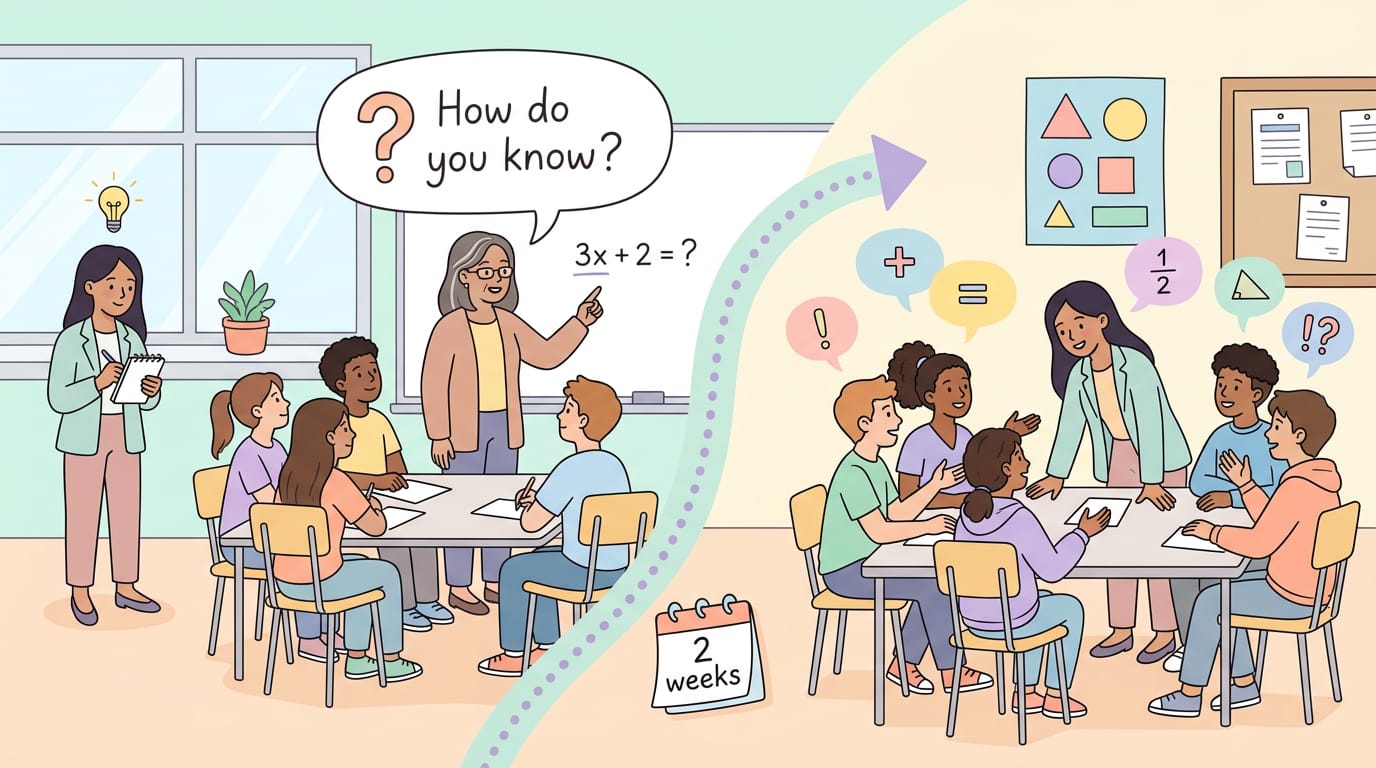
Consider a new high school math teacher who watches a veteran colleague run a problem-solving group, then borrows the same questioning routine. Two weeks later, her students are explaining their answers to each other.
Professional networks, teacher coaching, and professional learning communities (PLCs) keep ideas moving. In a PLC, teams plan and reflect together.
Credentials that show skill and boost pay
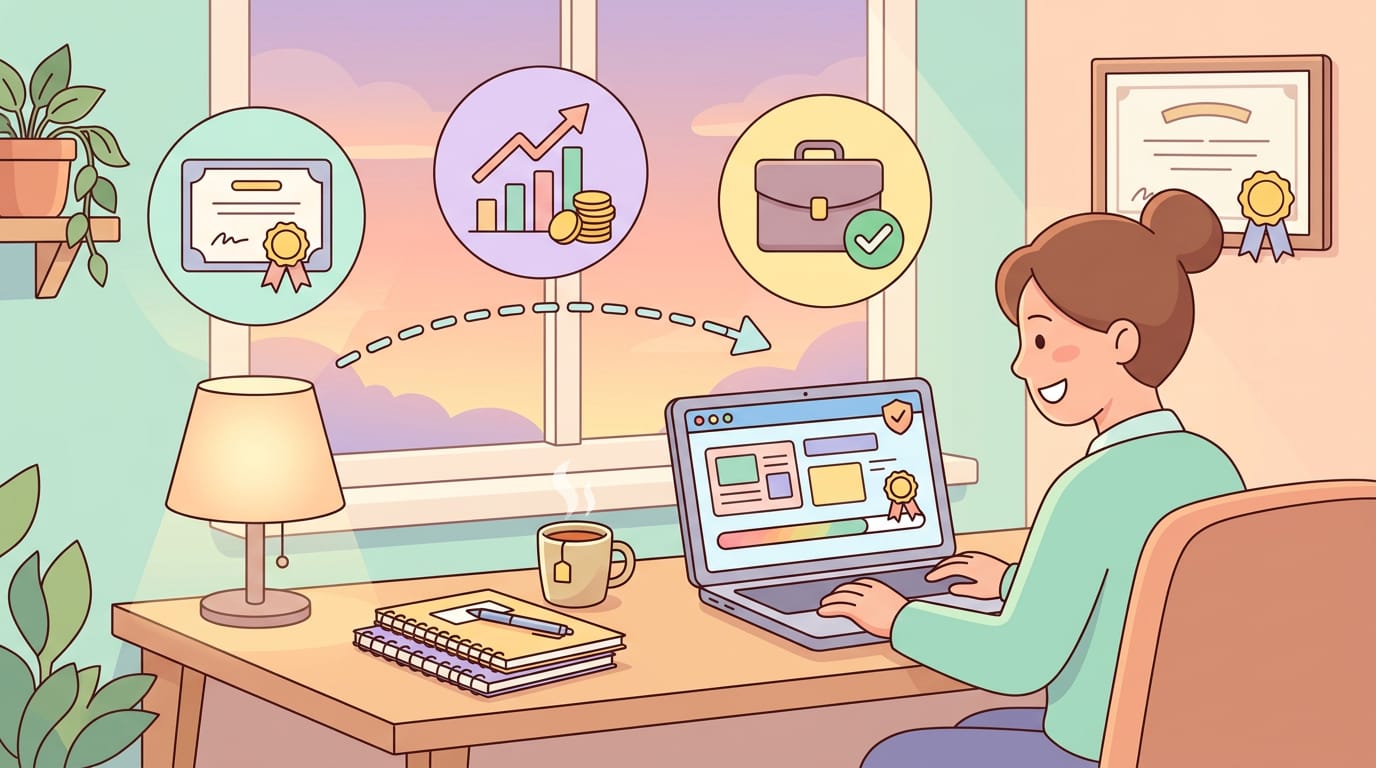
Credentials give your growth a visible record. A certificate shows colleagues and employers that you've committed to a subject and know it well. It's less about the paper and more about what you can do with it.
Credentials can also pay off.
El valor de las credenciales, a comparative analysis of educational certificates and professional certifications, found that professional certifications are associated with positive, statistically significant returns on earnings and a higher likelihood of employment.
Online certificate programs fit around a teaching schedule, so you can work toward one in the evenings or over summer.
Before you enroll, check whether the program is recognized by a CPD accreditation body, an organization that reviews training providers. That check is the quickest way to choose quality CPD. Quality beats quantity.
How to Plan and Manage Your CPD
Planning your continuing professional development (CPD) doesn't have to be complicated. A simple loop, clear goals, and a steady record will keep you on track.
How the CPD cycle works
CPD runs as a loop, not a one-off event:
Identify needs and plan: Look at where your teaching stands and what your students need next.
Learn, reflect, record: Take part, think about what changed, and note it down.
Evaluate and act: Measure whether your practice or your students' work actually changed, then choose your next step.
Then the loop starts over. It's cyclical and never-ending, because teaching keeps changing.
Build a CPD plan with clear goals
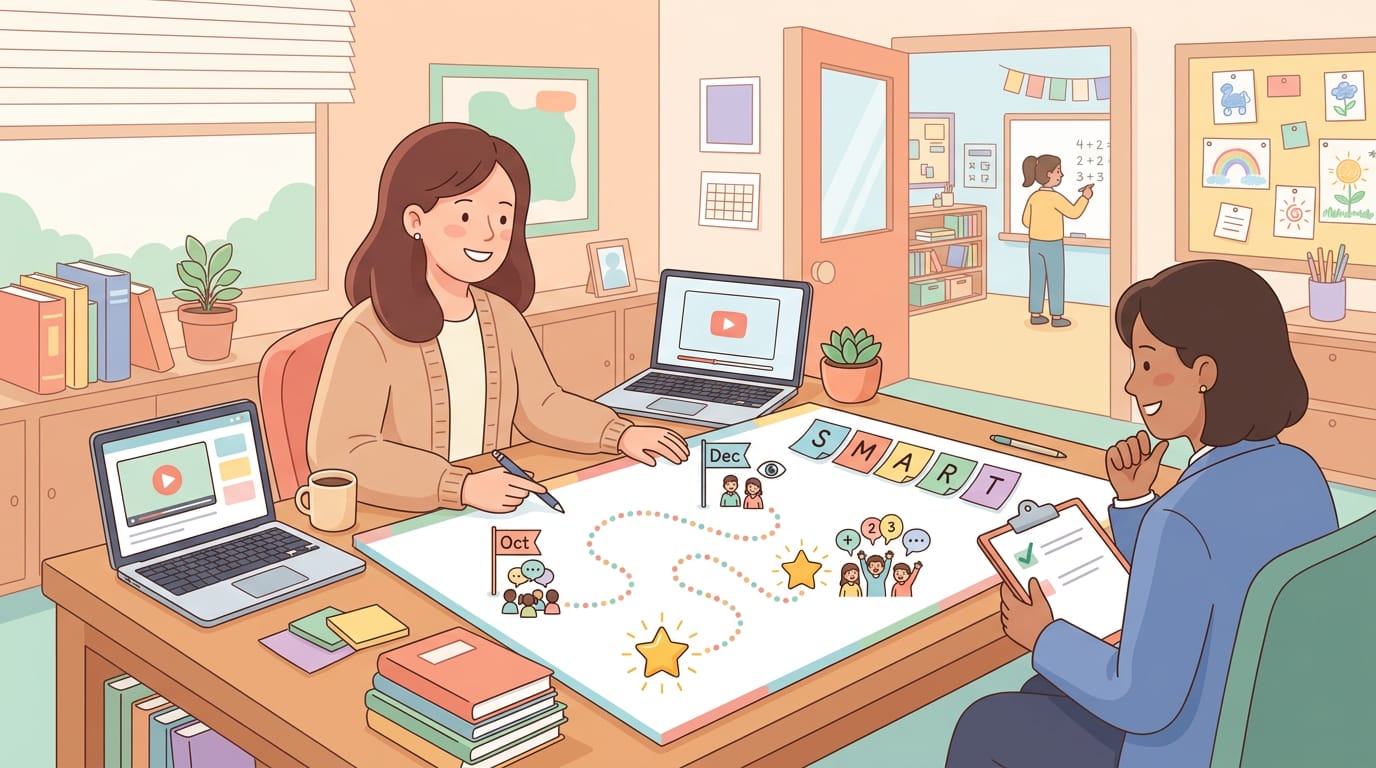
Start by assessing where you are now: what you do well and where you feel stretched. Then set SMART goals (specific, measurable, achievable, relevant, and time-bound). Think of a third-grade teacher who wants more math talk in class.
Her milestones are one new discussion routine by October and observing a colleague by December. Success looks like students explaining their reasoning in most lessons, and her resources are a course and a colleague's classroom.
Finally, review the plan with your manager so you're both aiming at the same outcome.
Record your learning and reflect on it
Keep a personal development record of courses, workshops, reading, and peer observations. Then add a reflective practice note on what you'll change in class. It's less about what you attended and more about how it changed your teaching.
Document activities for certification by saving dated certificates and notes. Then apply learning to work by trying one idea in your next lesson.
A Notion CPD log template keeps it all in one place: one row per activity, with columns for the date, what you learned, and how you applied it.
CPD Rules by Industry and Accreditation
Continuing professional development (CPD) looks different in every field. The rules that apply to you come from whoever governs your profession, so here's how to find them.
What CPD looks like in your field
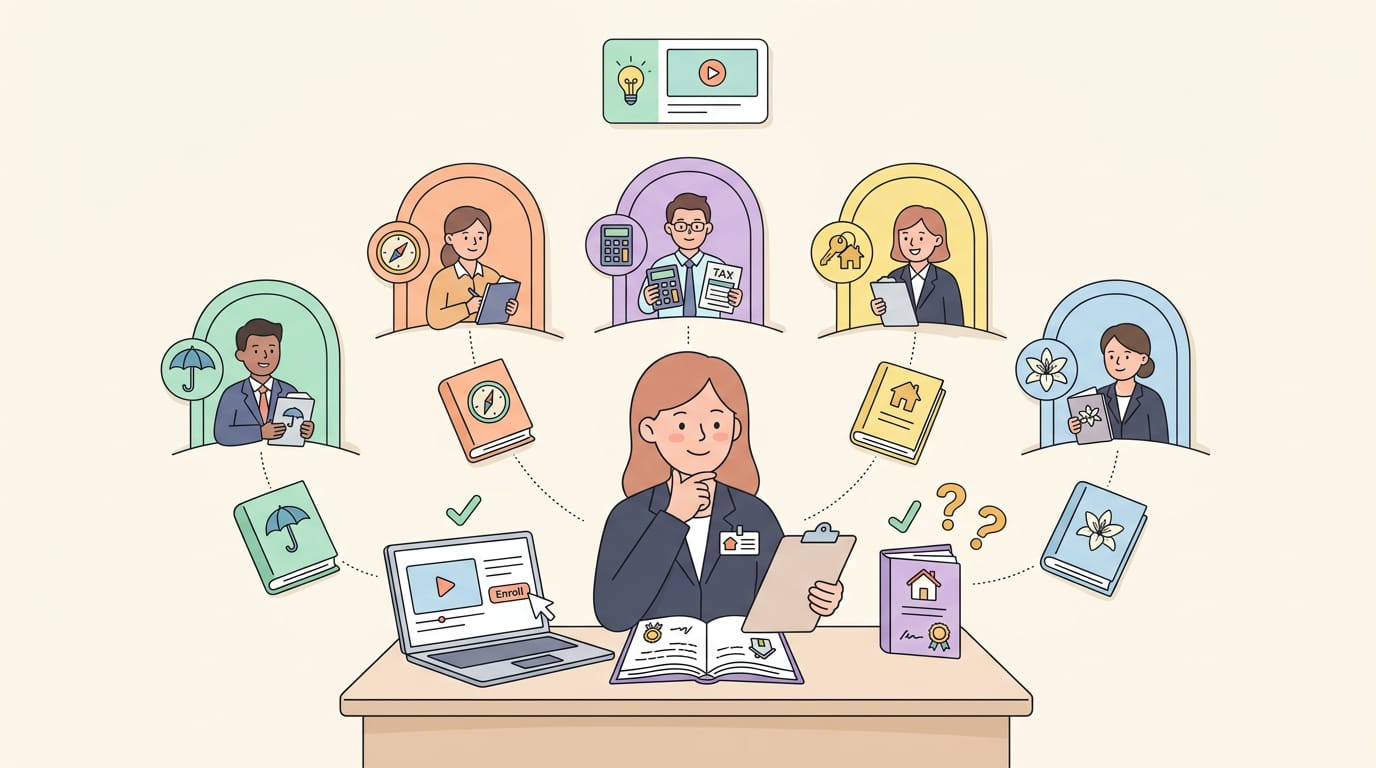
Each profession sets its own rules, so the same course can count in one field and not in another. Think of a real estate agent who spots a useful course. Before she enrolls, she checks her licensing body's rules.
Insurance professionals
Certified Financial Planner (CFP) professionals
accounting and tax specialists
real estate agents
funeral professionals
Each answer to their own governing body. The rules differ in what qualifies and how you record it.
How do I get CPD certified?
Start before you enroll, not after. Check whether your governing body recognizes the accredited provider behind a course, because that one check decides whether your points will hold up.
You may see names like the CPD Certification Service and the CPD Standards Office. Look at what each one actually recognizes before you rely on it, rather than assuming a logo means approval.
Accredited online courses can count toward your points, and provider course offerings vary, so compare each provider's list for accreditation.
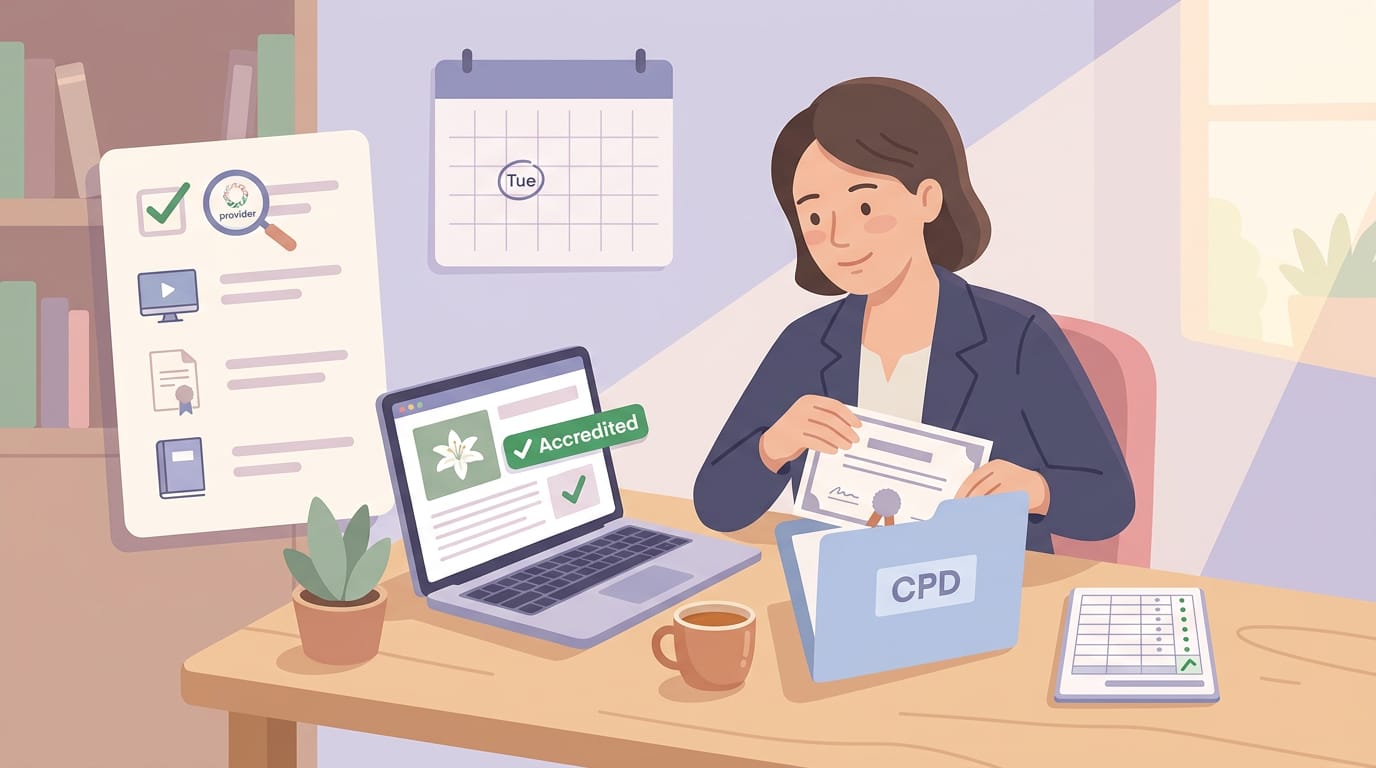
Here are the steps to get certified:
Confirm your governing body accepts the provider.
Pick an accredited course that fits your role.
Finish it and save the certificate.
Record the points in your tracking log.
Consider a funeral professional who finds an accredited online course on bereavement support on a quiet Tuesday.
Because she confirmed the provider first, her certificate goes straight into her file, and renewal becomes paperwork instead of a scramble. Save the proof.
Common Obstacles and How to Beat Them
Every teacher hits roadblocks with CPD, but most have simple fixes, and we'll cover them here.
What usually gets in the way
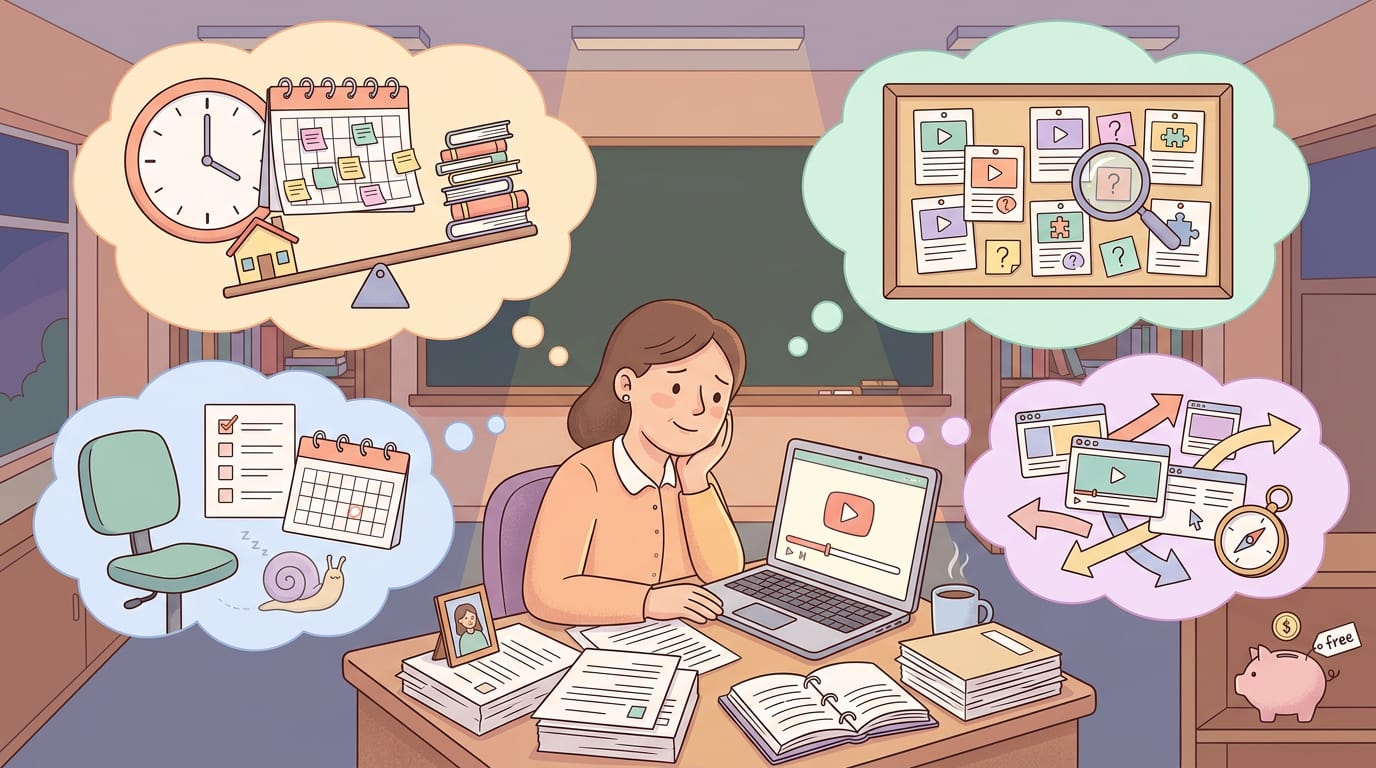
Most roadblocks fall into four groups:
Time and work-life balance. Between lesson plans, grading, and family, training can feel like one more thing on an already full plate.
Finding relevant opportunities. Plenty of courses exist, but not every one fits your subject, grade level, or certification requirements.
Motivation and accountability. Without a deadline or a colleague counting on you, it's easy to let a course slide.
Autonomous learning lacks direction. Self-directed study gives you freedom, but without a clear goal, it can turn into scattered webinars that never add up.
Cost can be a barrier too. Ask your school or district whether it covers course fees or offers training funds, and look for free options as well.
Practical ways to stay on track
These habits keep momentum going:
Short learning sessions. Break coursework into pieces you can finish at lunch or during planning. Take Jordan, a second grade teacher who finishes one module at lunch each day and tries a new reading strategy within a month. Steady sessions beat cramming.
Peer accountability partners. Pair up with a colleague on a similar goal and check in every couple of weeks.
Celebrate achievements. Mark each completed module or earned credit. Those small wins keep motivation alive.
Flexible adjustable plans. Life shifts, so build a plan you can adjust when a busy season hits. Aim for progress rather than perfection.
Learn in varied environments. Try a library, a coffee shop, or your school's media center. A change of scene can sharpen your focus.
Tech Trends and What Employers Can Do
New tools are reshaping how teachers learn, and your school plays a real part. Here's what's shifting.
How AI can personalize your learning
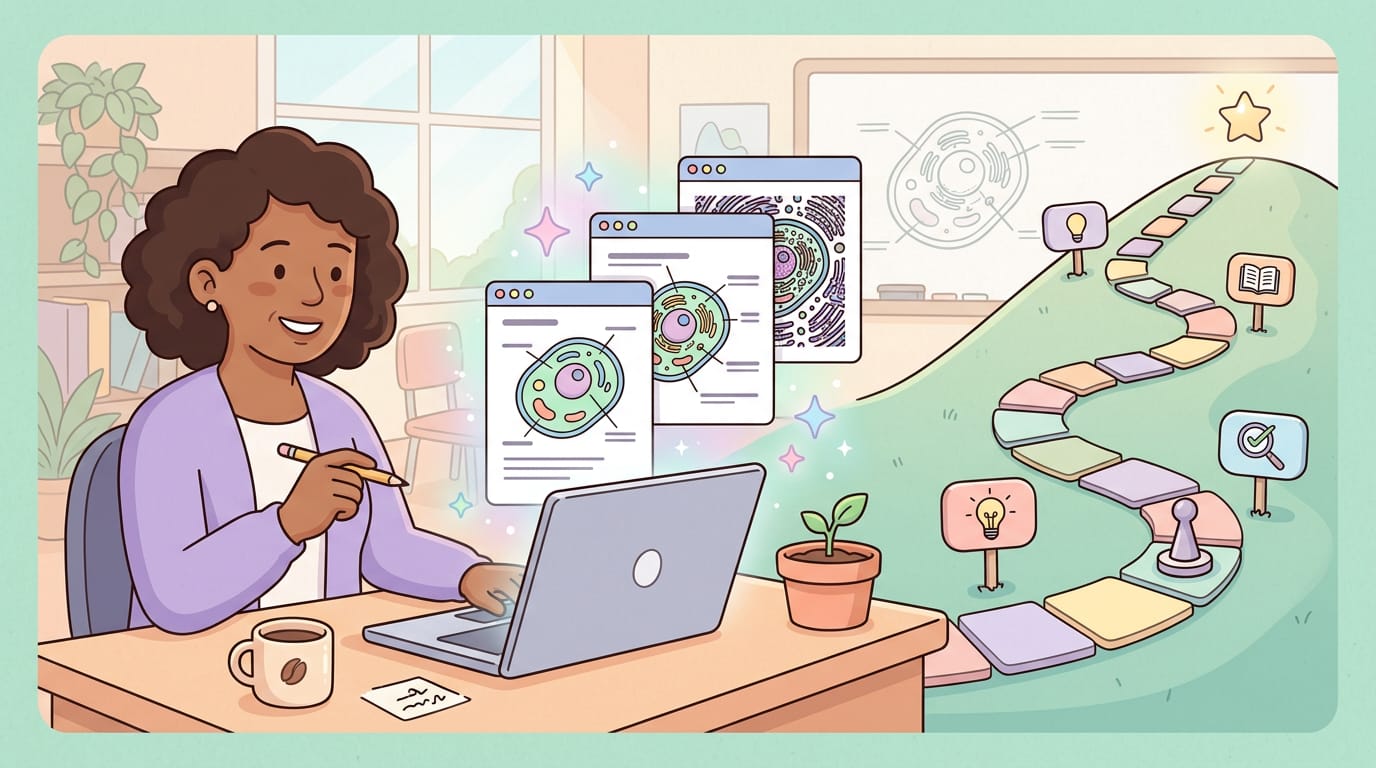
Artificial intelligence (AI) can take the legwork out of building training. A middle school science teacher who needs a cell lesson at three reading levels can have an AI tool draft all three in minutes, then adjust them.
Those tools can also build a personalized learning path, a sequence of courses matched to your gaps and goals.
Many teachers will need to upskill (build on what they know) or reskill (learn something new) to use AI well, from writing clear prompts to checking output for accuracy.
Self-directed learning puts you in charge of the topic and the pace. It's less about finishing courses and more about applying what you learned in your next class. Curiosity wins.
Tools and culture that support staff learning
A learning management system (LMS) hosts courses, tracks progress, and stores certificates in one place. Moodle is one open-source option that schools can host and customize.
Third-party training vendors can cover gaps your team can't. Before you sign up, confirm the content fits your goals and your district accepts the certificate.
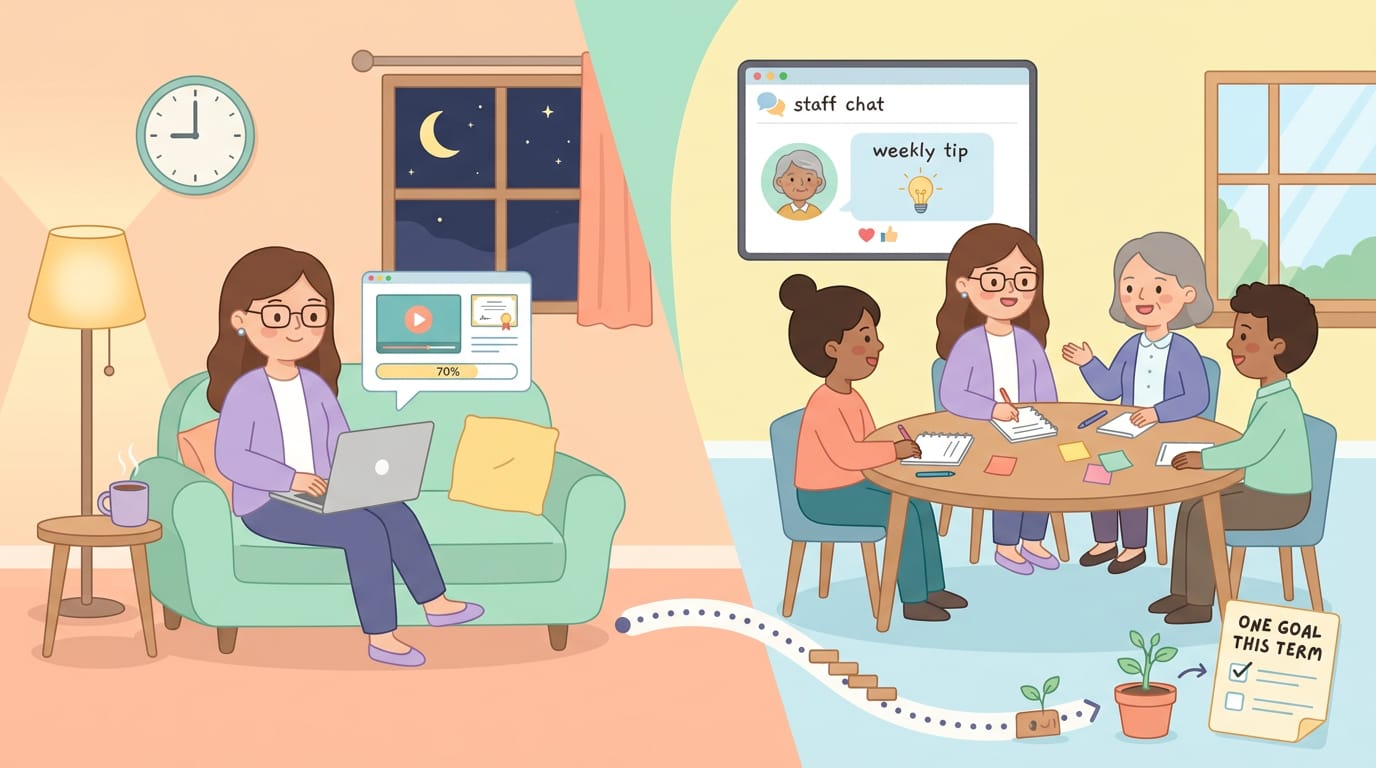
Tools only work when people use them. A strong learning culture makes time for growth and lets teachers share what worked. Picture a veteran teacher who posts one tip a week in the staff channel. That small habit often beats a mandatory workshop.
Offer both live sessions, for connection and real-time questions, and asynchronous courses teachers take on their own schedule. A teacher might watch a module at 9 p.m., then join the next day's discussion.
Flexibility like that makes learning fit a busy week.
CPD isn't a box to tick. It's a steady habit of learning that keeps you confident and your students engaged. Start small: pick one goal for the term, log what you learn, and build from there.
Ready to put new ideas into practice? Explore Teaching Strategies & Concepts for ideas you can try next week.
Small, steady learning adds up to a stronger classroom and a more confident you.
References
Full article: The retention effect of continuous training in different institutional environments: evidence from employee-level data of a multinational enterprise — tandfonline.com (2026)
El valor de las credenciales: Un Análisis Comparado de Certificados Educativos y Certificaciones Profesionales — repositorio.utdt.edu (2026)
Why is Professional Development Important? - Professional & Executive Development — professional.dce.harvard.edu
Most Employees in India Only Upskill When Mandated — hrotoday.com (2025)
State of Employer-Sponsored Professional Development — td.org (2026)
Still grading everything by hand?
EMStudio is a free teaching management app — manage your classes, students, lessons, and more!