
Cult of Pedagogy: A Complete Guide for Teachers
Cult of Pedagogy: A Complete Guide for Teachers

Article by
Milo
ESL Content Coordinator & Educator
ESL Content Coordinator & Educator
All Posts
Jennifer Gonzalez launched Cult of Pedagogy in 2013. She had just finished eight years teaching middle school language arts. She built the site after sitting through too many district PD sessions. They ignored the reality of 42-minute periods and broken copiers. Twelve years later, teachers rely on it as a primary source for teacher professional development. The site blends a blog, podcast, and YouTube channel into one voice: practical, tested, and rooted in actual classroom experience.
You have probably landed on Cult of Pedagogy while panic-googling classroom management strategies at 11 PM on a Sunday. I did back in 2016. Gonzalez was reviewing educational technology tools I could actually deploy with 7th graders who forgot passwords weekly. No theory dumps. Just clear explanations of what works with real kids who have real attitudes. That urgency matters when your prep period is twelve minutes long.
The site covers the messy middle of teaching. Gonzalez digs into instructional coaching models that respect teacher autonomy. She breaks down student engagement techniques you can implement tomorrow without buying a cart of iPads. Her posts on formative assessment cut through data-collection mania. They show you how to actually adjust instruction before the unit test hits. Every article assumes you are drowning and throws a rope, not a textbook.
This guide walks you through exactly how Cult of Pedagogy operates. We will look at who Jennifer Gonzalez is. We will cover why working teachers trust her voice. You will see which topics get the most traction. You will learn how the podcast, blog, and resources fit together. Find what you need fast. No fluff. Just the practical roadmap to a resource that might save your sanity before third period on Monday.
Still grading everything by hand?
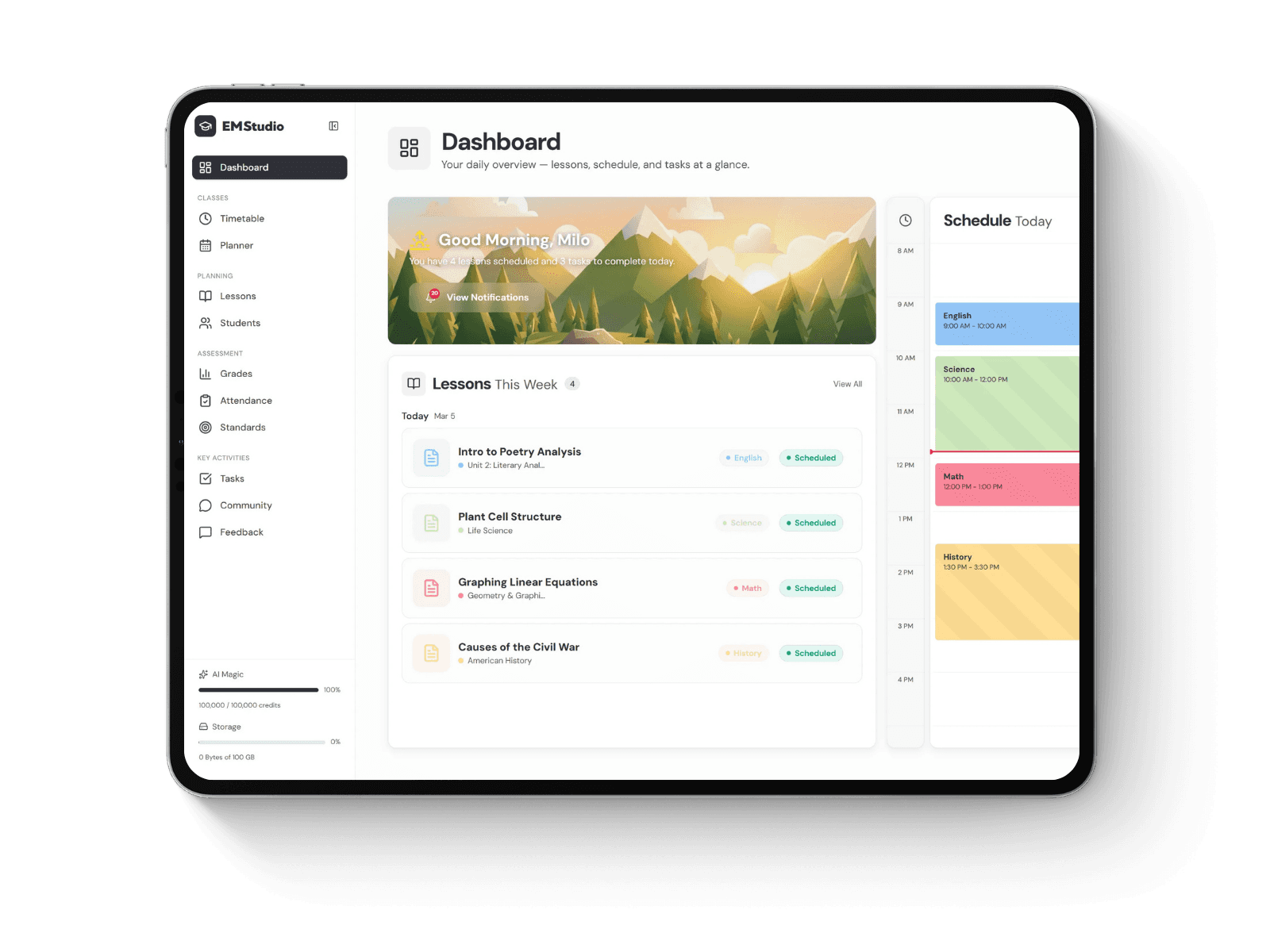
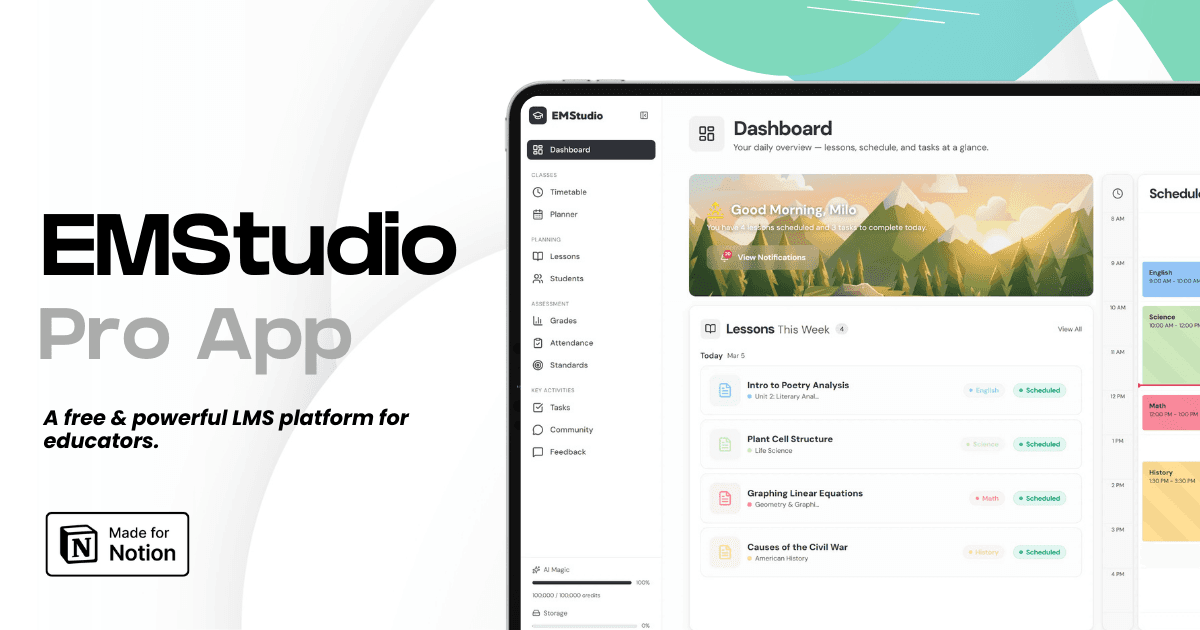
EMStudio is a free teaching management app — manage your classes, students, lessons, and more!
Learn More
Still grading everything by hand?
EMStudio is a free teaching management app — manage your classes, students, lessons, and more!
Learn More
Table of Contents
What Is Cult of Pedagogy?
Cult of Pedagogy is a multimedia professional development platform founded by Jennifer Gonzalez in 2013. It combines a blog, podcast, and online courses to provide research-based teaching strategies for K-12 educators, focusing on practical application of cognitive science and instructional design principles across all subject areas and grade levels.
The platform bridges academic research and your classroom practice. You get evidence-based strategies without needing a PhD. I discovered this back in 2015 when I was drowning in classroom management strategies for my 7th graders; Gonzalez's post on the "Fisheye" technique saved my sanity during October chaos.
This evolution tracks the broader history of pedagogy. We moved from 1990s print journals to 2010s blogs, and now to integrated podcast-course ecosystems. foundational history of pedagogy shows this shift toward accessible, multimedia teacher professional development.
Three pillars support the platform:
Blog: 10-20 minute reads for instructional coaching deep-dives.
Podcast: 45-60 minute episodes for commute learning about student engagement.
Courses: Self-paced modules for building skills in educational technology.
The Blog and Website
The archive holds over 300 searchable articles organized by category: Instructional Strategies, Classroom Management, and Tech Integration. New posts drop bi-weekly, each packed with downloadable templates you can use tomorrow.
Content varies. You'll find 3,000-word definitive guides, "Greatest Hits" compilations, and guest posts from practicing teachers. Alexis Wiggins shared her Spider Web Discussion protocol here, transforming how many of us facilitate student conversations.
The Podcast
Launched in 2016, the show recently crossed 200 episodes. The 45-60 minute format alternates between interviews with researchers like Pooja Agarwal discussing retrieval practice and solo "minisodes" covering tactical classroom moves.
Listen wherever you get your shows: Apple Podcasts, Spotify, Google Podcasts, or the embedded site player. Every episode includes searchable transcripts, so you can find that specific formative assessment tip without re-listening.
Books and Digital Products
The Teacher's Guide to Tech costs $25-35 annually and catalogs 400+ tools. Each entry includes tutorial videos and grade-level suitability ratings across categories like Assessment, Creation, and Collaboration.
JumpStart courses run $45 individually or $149 for the bundle, covering tech integration step-by-step. Printable packs like Rubrics and Discussion Starters give you immediate classroom resources.

Who Is Jennifer Gonzalez?
Jennifer Gonzalez is a former middle school language arts teacher and instructional coach who founded Cult of Pedagogy in 2013. She taught for 8 years in Kentucky and Maryland before transitioning to teacher education at the University of Kentucky, focusing on translating research into practical classroom strategies.
Gonzalez taught 7th and 8th grade language arts from 2003 to 2011 in Kentucky and Maryland. She holds an MA in Teaching and Teacher Education. She later worked as an instructional coach for new teachers and contributed to ASCD Educational Leadership.
The "cult" in the name alarms some administrators. Gonzalez chose it deliberately to denote obsessive dedication to the craft of teaching, not blind loyalty. She wants teachers to geek out on pedagogy, not follow gurus.
From Classroom Teacher to Educational Influencer
After leaving the classroom in 2011, Gonzalez coached beginning teachers through their first years. She started the blog in 2013 as a side project while teaching preservice educators at the University of Kentucky. By 2015, she had transitioned to full-time content creation.
The podcast launched in 2016. Her first course, JumpStart, followed in 2017. Platform analytics show her work now reaches educators across 150 countries. I found her post on becoming a memorable teacher during a brutal October with my 8th graders. It changed how I approached the next unit.
Teaching Philosophy and Mission
Gonzalez filters everything through evidence-based practice. She translates cognitive science—like Bjork's desirable difficulties and Rosenshine's principles of instruction—into classroom moves you can use Monday morning. She advocates a "from teaching to thinking" approach focused on reimagining our work, not just executing it.
Her mission statement is specific: "To help teachers do their work better, more efficiently, and with more satisfaction." She organizes this around three pillars: pedagogy, classroom management strategies, and teacher professional development. Every podcast episode and blog post serves at least one pillar.

Why Do Teachers Trust Cult of Pedagogy?
Teachers trust Cult of Pedagogy because it translates peer-reviewed research into actionable classroom strategies without academic jargon. The platform maintains credibility through rigorous source checking, regular content updates when tools change, and a consistent focus on evidence-based practices over educational trends or untested theories.
Gonzalez cites Journal of Educational Psychology and Learning and Instruction when discussing student engagement or formative assessment. When an educational technology recommendation breaks, she posts corrections. You see actual classroom footage of teachers implementing classroom management strategies, not just theory. That transparency builds trust.
Most teacher blogs share what worked in their room last Tuesday. Gonzalez spends three to five hours prepping podcast interviews and conducts literature reviews for articles. That research synthesis process beats anecdotal advice when you need instructional coaching backed by evidence, not lucky guesses.
This is not your district-mandated curriculum bible. If your administrator needs fidelity to a specific scripted program, COP's flexible teacher professional development approach might conflict. It also assumes you have basic tech access. Teachers seeking deep theoretical frameworks should read the original research, not these summaries.
I tried her station rotation model with my 7th graders last spring after watching her classroom video. The example showed exactly where to position the formative assessment check—something I missed in the journal article I found later. It worked Monday morning because she had tested it first with real students.
Be honest about whether this fits your situation:
Best for: Busy teachers needing Monday-ready strategies with research backing.
Best for: Schools building instructional coaching programs around evidence-based practice.
Not recommended for: Districts requiring strict curriculum fidelity without deviation.
Not recommended for: Doctoral research or classrooms with zero technology access.

What Topics Does Cult of Pedagogy Cover?
Cult of pedagogy covers four pillars: Hattie-approved instructional strategies, formative assessment methods, climate-focused classroom management strategies, and educational technology with SAMR alignment. Every article targets high-impact practices with effect sizes above 0.40. Gonzalez built a searchable directory of ten content categories anchored by flagship posts like To Learn, Students Need to DO Something and The Rock Star You're Ignoring.
Teaching problem? There's a specific resource. Student engagement issues lead to Chat Stations and Podcast Episode 87. This decision flowchart matches your challenge to Gonzalez's field-tested solutions.
Student engagement issues → Chat Stations + Podcast 87
Writing feedback overload → The 4-Sentence Paper
Low classroom climate → Two-Week Relationship Challenge
Tech integration confusion → SAMR Matrix + Padlet tutorials
Burnout and boundaries → The Teacher's Guide to Saying No
Instructional Strategies and Lesson Design
Gonzalez breaks down innovative instructional strategies you can use Monday morning. Hexagonal Thinking works best for secondary humanities and science. Layering—her adaptation of station rotation—fits any grade. Spider Web Discussion shifts the cognitive load to students. The 4-Sentence Paper streamlines writing feedback without the markup overload.
Classroom Management and Climate
I used the Two-Week Relationship Challenge with my 7th graders last September. The shift was immediate. Skip reactive discipline. These effective classroom management strategies build training climate and pedagogy through restorative practices, alternatives to detention, and Friendly Fridays that build trust before you need it.
Educational Technology Integration
Gonzalez doesn't review gadgets. She matches integrating educational technology to SAMR levels in her Tech Integration Matrix. You'll find specific walkthroughs for Padlet, Flip, Book Creator, and AI tools like ChatGPT with implementation rubrics that actually work in K-12 settings.
Teacher Professional Development and Wellness
The instructional coaching here includes survival skills. Gonzalez covers teacher professional development through her collaboration with Angela Watson on the 40-Hour Teacher Workweek system. Articles like The Teacher's Guide to Saying No, How to Stop Killing Your Own Creativity, and When Teaching Stops Being Fun offer decision frameworks for burnout prevention and career pivots. Check teacher wellness and work-life balance resources before you quit.

How Does Cult of Pedagogy Work?
Cult of Pedagogy works by synthesizing current cognitive science and education research into step-by-step teaching strategies. Jennifer Gonzalez interviews university researchers, reviews peer-reviewed studies, and field-tests methods with practicing teachers before publishing content in article, podcast, or online course format.
I first found the site while searching for better student engagement techniques for my 7th graders. The articles didn't just list activities; they explained why retrieval practice beats re-reading, then gave me a Monday-morning plan.
Research-Based Content Creation Process
Gonzalez doesn't skim abstracts. She interviews researchers like Robert Bjork on memory and Barak Rosenshine on instruction. She pulls from Journal of Memory and Language, Hattie's Visible Learning meta-analyses, and reports from Harvard Graduate School of Education and Deans for Impact. Then she tests the strategies with actual classroom teachers.
Then she translates. Dense academic prose becomes If-Then statements. If you want better retention, then implement spaced practice using these three scheduling methods. Every claim is fact-checked against current research, and articles get updated when tools change or readers spot errors. When Google Expeditions shut down, the site revised its recommendations. This commitment to accuracy is rare in free teacher professional development.
Practical Application Framework
Every piece follows a three-part scaffold. Why It Works covers the research basis. How to Do It gives the steps. Common Pitfalls offers troubleshooting. The Try This Tomorrow promise means every strategy works with standard materials. This structure turns theory into classroom management strategies you can use immediately.
The site promises you can try any strategy tomorrow with less than 30 minutes prep. The Graffiti Boards technique needs only chart paper and markers. The Retrieval Practice Warm-Up uses index cards. These become quick formative assessment tools. No fancy educational technology required. This low-barrier approach supports busy teachers who need instructional coaching without the graduate seminar.

Where to Find the Best Cult of Pedagogy Resources
You need three things from cult of pedagogy: free inspiration, a tool shopping guide, or a complete skill rebuild. The Podcast costs nothing and fills your commute. The Teacher's Guide to Tech runs $25-35 and helps you pick the right essential digital tools for educators without wasting weekends on dead-end apps. JumpStart costs $149 for the bundle and builds your skills systematically over eight courses.
Start with the Start Here page if you are new. It maps the site by your biggest pain point. Use the topic tags to filter posts on formative assessment or classroom management strategies. Click Collections for curated reading lists like "AI in Education" that group four or five articles into a thirty-minute deep dive.
The Podcast Archive by Topic
Gonzalez tags every episode by topic. Search Assessment, Equity, or Tech to find exactly what you need. Each entry includes a full transcript, so you can skim the text when your prep period is short. The search bar finds specific terms like "student engagement" or "instructional coaching" inside those transcripts.
The Cult of Pedagogy Playlist groups three or four episodes into themes like "Starting the School Year." You get a mini-course on one subject without hunting through five years of archives.
Start with Episode 3 on Marzano's questioning strategies, Episode 119 on Agarwal's retrieval practice research, and Episode 150 on teacher burnout. These three changed how I structured my 7th grade English discussions and my own Sunday night anxiety.
The Teacher's Guide to Tech
This is not a list of 500 apps. The Teacher's Guide to Tech is a 400-page interactive PDF with comparison matrices that pit similar tools against each other. Video tutorial links sit right next to each review. You click, you watch, you decide.
The "Is This Worth My Time?" decision trees save you from shiny object syndrome. They ask three questions about your teaching context, then point you to the right tool or tell you to stick with paper.
Gonzalez updates the guide every July. Pricing changes, discontinued features, and new educational technology contenders get added or cut. Buy it once, download the new version each summer.
JumpStart Courses for Tech Integration
The JumpStart bundle includes eight courses covering Basics, Google Workspace, Video, Assessment, and more. Each takes 10-15 hours to complete. You move at your own speed, pause when report cards hit, and resume during winter break.
Finish any course and you get a certificate for teacher professional development credit. Check with your district first; most accept these, but some want pre-approval.
The $149 all-access bundle beats the $45 per-course price if you plan to take more than three. You get lifetime updates to the materials and access to a private Facebook community where teachers share screenshots of their actual classroom management strategies in action.

How Can You Use Cult of Pedagogy for Professional Growth?
To use Cult of Pedagogy for teacher professional development, subscribe to the podcast for weekly research updates, search the article archive by your specific teaching challenge (e.g., 'student discussions'), and implement one strategy weekly using the 'Try This Tomorrow' framework. Track impact in a simple teaching journal.
I wasted three years hoarding teaching articles in browser tabs. Real growth started when I systematized consumption. Design a 30-day onboarding plan: Week 1, subscribe and review backlogs. Week 2, search archives for immediate pain points. Week 3, download resources. Week 4, implement and reflect.
Accountability prevents drowning in content. Sign up for the Monday Mix email newsletter. It delivers weekly article summaries and reflective prompts. Join the Facebook group for peer support. Embrace the 'One Small Thing' challenge philosophy: small shifts beat overwhelming overhauls.
Step 1 — Subscribe to the Podcast
Find Cult of Pedagogy on Apple Podcasts, Spotify, or Stitcher. Set auto-download so Monday mornings bring fresh content. Add it to your list of podcasts that transform professional practice.
Start with the 'Greatest Hits' playlist. Episodes 3, 47, 119, and 150 cover formative assessment and classroom management strategies. These give you the podcast's DNA without wading through backlogs.
Sign up for the free Monday Mix email. It delivers article summaries and prompts for reimagining your instructional practice. I listen during my commute while sipping lukewarm coffee.
Step 2 — Browse Articles by Teaching Challenge
Stop scrolling aimlessly. Use the Teaching Topics dropdown menu. Categories like Assessment and Instructional Coaching organize hundreds of articles. Or type specific terms: 'differentiation elementary' or 'restorative practices middle school'.
Try the Collections feature. Curated reading lists on 'AI for Teachers' save hours of search time. I found a strategy for professional growth there last October that fixed my 7th grade discussion problem.
Search by your immediate crisis. Classroom management meltdown? The archives hold specific answers, not generic theory.
Step 3 — Implement One Strategy Weekly
Select one strategy every Monday. Prep Tuesday. Execute Wednesday and Thursday. Reflect Friday using a 'What Worked/What Didn't' template. This prevents the 'read and forget' trap.
This is where From Teaching to Thinking becomes practice. You move from passive consumption to active transformation. Systematic experimentation beats binge-reading educational technology articles you'll never use.
Track experiments in a teaching journal. Last spring, I tested a discussion protocol with my 9th graders. The reflection notes showed exactly where student engagement broke down.

Getting Started with Cult of Pedagogy Today
Head to cultofpedagogy.com/start-here first to access the full Cult of Pedagogy library and download the 30 Days of Strategies printable immediately. Sign up for the Monday Mix email list to get weekly ideas delivered straight to your inbox. Then pick one specific lesson for next week and redesign it using a COP technique. Don't overthink which strategy you choose. Just pick one and start this week.
I did this with my 7th grade argument writing unit last fall. I swapped my old lecture completely for a formative assessment strategy I found in their instructional coaching section. The change took twenty minutes to plan. The difference in student engagement was immediate. Kids who never spoke were debating evidence by Thursday afternoon.
Your starting point depends on where you are right now. New teachers should dig into the classroom management strategies first for concrete bell-to-bell solutions that actually work. Veterans looking to shake things up should head straight to educational technology and Tech Integration. If you're running on empty, begin with the Wellness content before anything else. Burnout requires recovery, not another new initiative.
Stick with it. Educators report feeling more confident in their practice after implementing just three or four strategies consistently over a semester. This isn't about upping your game as an educator overnight. It's about small shifts that stick. Pick one thing. Try it tomorrow morning. The teacher professional development that works is the kind you can use immediately on Monday without a long three-hour workshop.

Cult Of Pedagogy: The 3-Step Kickoff
I've sat through enough district-mandated PD to know when someone's actually taught. Jennifer Gonzalez has. Cult of Pedagogy cuts through jargon about educational technology and gives you classroom management strategies you can use tomorrow, not next semester.
Don't treat this like homework. Pick one article that tackles your current headache — whether it's cell phone policies or grading hacks. Read it during lunch. Try one tip with your next class. That's how teacher professional development and instructional coaching should actually work.
The best resources don't give you more work. They give you better work. Start small, stay specific, and let the rest wait.
Bookmark the Classroom Management archive for your next rough day.
Listen to one podcast episode during your prep period this week.
Print one tool from the Resources page and test it with your first period tomorrow.

What Is Cult of Pedagogy?
Cult of Pedagogy is a multimedia professional development platform founded by Jennifer Gonzalez in 2013. It combines a blog, podcast, and online courses to provide research-based teaching strategies for K-12 educators, focusing on practical application of cognitive science and instructional design principles across all subject areas and grade levels.
The platform bridges academic research and your classroom practice. You get evidence-based strategies without needing a PhD. I discovered this back in 2015 when I was drowning in classroom management strategies for my 7th graders; Gonzalez's post on the "Fisheye" technique saved my sanity during October chaos.
This evolution tracks the broader history of pedagogy. We moved from 1990s print journals to 2010s blogs, and now to integrated podcast-course ecosystems. foundational history of pedagogy shows this shift toward accessible, multimedia teacher professional development.
Three pillars support the platform:
Blog: 10-20 minute reads for instructional coaching deep-dives.
Podcast: 45-60 minute episodes for commute learning about student engagement.
Courses: Self-paced modules for building skills in educational technology.
The Blog and Website
The archive holds over 300 searchable articles organized by category: Instructional Strategies, Classroom Management, and Tech Integration. New posts drop bi-weekly, each packed with downloadable templates you can use tomorrow.
Content varies. You'll find 3,000-word definitive guides, "Greatest Hits" compilations, and guest posts from practicing teachers. Alexis Wiggins shared her Spider Web Discussion protocol here, transforming how many of us facilitate student conversations.
The Podcast
Launched in 2016, the show recently crossed 200 episodes. The 45-60 minute format alternates between interviews with researchers like Pooja Agarwal discussing retrieval practice and solo "minisodes" covering tactical classroom moves.
Listen wherever you get your shows: Apple Podcasts, Spotify, Google Podcasts, or the embedded site player. Every episode includes searchable transcripts, so you can find that specific formative assessment tip without re-listening.
Books and Digital Products
The Teacher's Guide to Tech costs $25-35 annually and catalogs 400+ tools. Each entry includes tutorial videos and grade-level suitability ratings across categories like Assessment, Creation, and Collaboration.
JumpStart courses run $45 individually or $149 for the bundle, covering tech integration step-by-step. Printable packs like Rubrics and Discussion Starters give you immediate classroom resources.
Who Is Jennifer Gonzalez?
Jennifer Gonzalez is a former middle school language arts teacher and instructional coach who founded Cult of Pedagogy in 2013. She taught for 8 years in Kentucky and Maryland before transitioning to teacher education at the University of Kentucky, focusing on translating research into practical classroom strategies.
Gonzalez taught 7th and 8th grade language arts from 2003 to 2011 in Kentucky and Maryland. She holds an MA in Teaching and Teacher Education. She later worked as an instructional coach for new teachers and contributed to ASCD Educational Leadership.
The "cult" in the name alarms some administrators. Gonzalez chose it deliberately to denote obsessive dedication to the craft of teaching, not blind loyalty. She wants teachers to geek out on pedagogy, not follow gurus.
From Classroom Teacher to Educational Influencer
After leaving the classroom in 2011, Gonzalez coached beginning teachers through their first years. She started the blog in 2013 as a side project while teaching preservice educators at the University of Kentucky. By 2015, she had transitioned to full-time content creation.
The podcast launched in 2016. Her first course, JumpStart, followed in 2017. Platform analytics show her work now reaches educators across 150 countries. I found her post on becoming a memorable teacher during a brutal October with my 8th graders. It changed how I approached the next unit.
Teaching Philosophy and Mission
Gonzalez filters everything through evidence-based practice. She translates cognitive science—like Bjork's desirable difficulties and Rosenshine's principles of instruction—into classroom moves you can use Monday morning. She advocates a "from teaching to thinking" approach focused on reimagining our work, not just executing it.
Her mission statement is specific: "To help teachers do their work better, more efficiently, and with more satisfaction." She organizes this around three pillars: pedagogy, classroom management strategies, and teacher professional development. Every podcast episode and blog post serves at least one pillar.
Why Do Teachers Trust Cult of Pedagogy?
Teachers trust Cult of Pedagogy because it translates peer-reviewed research into actionable classroom strategies without academic jargon. The platform maintains credibility through rigorous source checking, regular content updates when tools change, and a consistent focus on evidence-based practices over educational trends or untested theories.
Gonzalez cites Journal of Educational Psychology and Learning and Instruction when discussing student engagement or formative assessment. When an educational technology recommendation breaks, she posts corrections. You see actual classroom footage of teachers implementing classroom management strategies, not just theory. That transparency builds trust.
Most teacher blogs share what worked in their room last Tuesday. Gonzalez spends three to five hours prepping podcast interviews and conducts literature reviews for articles. That research synthesis process beats anecdotal advice when you need instructional coaching backed by evidence, not lucky guesses.
This is not your district-mandated curriculum bible. If your administrator needs fidelity to a specific scripted program, COP's flexible teacher professional development approach might conflict. It also assumes you have basic tech access. Teachers seeking deep theoretical frameworks should read the original research, not these summaries.
I tried her station rotation model with my 7th graders last spring after watching her classroom video. The example showed exactly where to position the formative assessment check—something I missed in the journal article I found later. It worked Monday morning because she had tested it first with real students.
Be honest about whether this fits your situation:
Best for: Busy teachers needing Monday-ready strategies with research backing.
Best for: Schools building instructional coaching programs around evidence-based practice.
Not recommended for: Districts requiring strict curriculum fidelity without deviation.
Not recommended for: Doctoral research or classrooms with zero technology access.
What Topics Does Cult of Pedagogy Cover?
Cult of pedagogy covers four pillars: Hattie-approved instructional strategies, formative assessment methods, climate-focused classroom management strategies, and educational technology with SAMR alignment. Every article targets high-impact practices with effect sizes above 0.40. Gonzalez built a searchable directory of ten content categories anchored by flagship posts like To Learn, Students Need to DO Something and The Rock Star You're Ignoring.
Teaching problem? There's a specific resource. Student engagement issues lead to Chat Stations and Podcast Episode 87. This decision flowchart matches your challenge to Gonzalez's field-tested solutions.
Student engagement issues → Chat Stations + Podcast 87
Writing feedback overload → The 4-Sentence Paper
Low classroom climate → Two-Week Relationship Challenge
Tech integration confusion → SAMR Matrix + Padlet tutorials
Burnout and boundaries → The Teacher's Guide to Saying No
Instructional Strategies and Lesson Design
Gonzalez breaks down innovative instructional strategies you can use Monday morning. Hexagonal Thinking works best for secondary humanities and science. Layering—her adaptation of station rotation—fits any grade. Spider Web Discussion shifts the cognitive load to students. The 4-Sentence Paper streamlines writing feedback without the markup overload.
Classroom Management and Climate
I used the Two-Week Relationship Challenge with my 7th graders last September. The shift was immediate. Skip reactive discipline. These effective classroom management strategies build training climate and pedagogy through restorative practices, alternatives to detention, and Friendly Fridays that build trust before you need it.
Educational Technology Integration
Gonzalez doesn't review gadgets. She matches integrating educational technology to SAMR levels in her Tech Integration Matrix. You'll find specific walkthroughs for Padlet, Flip, Book Creator, and AI tools like ChatGPT with implementation rubrics that actually work in K-12 settings.
Teacher Professional Development and Wellness
The instructional coaching here includes survival skills. Gonzalez covers teacher professional development through her collaboration with Angela Watson on the 40-Hour Teacher Workweek system. Articles like The Teacher's Guide to Saying No, How to Stop Killing Your Own Creativity, and When Teaching Stops Being Fun offer decision frameworks for burnout prevention and career pivots. Check teacher wellness and work-life balance resources before you quit.
How Does Cult of Pedagogy Work?
Cult of Pedagogy works by synthesizing current cognitive science and education research into step-by-step teaching strategies. Jennifer Gonzalez interviews university researchers, reviews peer-reviewed studies, and field-tests methods with practicing teachers before publishing content in article, podcast, or online course format.
I first found the site while searching for better student engagement techniques for my 7th graders. The articles didn't just list activities; they explained why retrieval practice beats re-reading, then gave me a Monday-morning plan.
Research-Based Content Creation Process
Gonzalez doesn't skim abstracts. She interviews researchers like Robert Bjork on memory and Barak Rosenshine on instruction. She pulls from Journal of Memory and Language, Hattie's Visible Learning meta-analyses, and reports from Harvard Graduate School of Education and Deans for Impact. Then she tests the strategies with actual classroom teachers.
Then she translates. Dense academic prose becomes If-Then statements. If you want better retention, then implement spaced practice using these three scheduling methods. Every claim is fact-checked against current research, and articles get updated when tools change or readers spot errors. When Google Expeditions shut down, the site revised its recommendations. This commitment to accuracy is rare in free teacher professional development.
Practical Application Framework
Every piece follows a three-part scaffold. Why It Works covers the research basis. How to Do It gives the steps. Common Pitfalls offers troubleshooting. The Try This Tomorrow promise means every strategy works with standard materials. This structure turns theory into classroom management strategies you can use immediately.
The site promises you can try any strategy tomorrow with less than 30 minutes prep. The Graffiti Boards technique needs only chart paper and markers. The Retrieval Practice Warm-Up uses index cards. These become quick formative assessment tools. No fancy educational technology required. This low-barrier approach supports busy teachers who need instructional coaching without the graduate seminar.
Where to Find the Best Cult of Pedagogy Resources
You need three things from cult of pedagogy: free inspiration, a tool shopping guide, or a complete skill rebuild. The Podcast costs nothing and fills your commute. The Teacher's Guide to Tech runs $25-35 and helps you pick the right essential digital tools for educators without wasting weekends on dead-end apps. JumpStart costs $149 for the bundle and builds your skills systematically over eight courses.
Start with the Start Here page if you are new. It maps the site by your biggest pain point. Use the topic tags to filter posts on formative assessment or classroom management strategies. Click Collections for curated reading lists like "AI in Education" that group four or five articles into a thirty-minute deep dive.
The Podcast Archive by Topic
Gonzalez tags every episode by topic. Search Assessment, Equity, or Tech to find exactly what you need. Each entry includes a full transcript, so you can skim the text when your prep period is short. The search bar finds specific terms like "student engagement" or "instructional coaching" inside those transcripts.
The Cult of Pedagogy Playlist groups three or four episodes into themes like "Starting the School Year." You get a mini-course on one subject without hunting through five years of archives.
Start with Episode 3 on Marzano's questioning strategies, Episode 119 on Agarwal's retrieval practice research, and Episode 150 on teacher burnout. These three changed how I structured my 7th grade English discussions and my own Sunday night anxiety.
The Teacher's Guide to Tech
This is not a list of 500 apps. The Teacher's Guide to Tech is a 400-page interactive PDF with comparison matrices that pit similar tools against each other. Video tutorial links sit right next to each review. You click, you watch, you decide.
The "Is This Worth My Time?" decision trees save you from shiny object syndrome. They ask three questions about your teaching context, then point you to the right tool or tell you to stick with paper.
Gonzalez updates the guide every July. Pricing changes, discontinued features, and new educational technology contenders get added or cut. Buy it once, download the new version each summer.
JumpStart Courses for Tech Integration
The JumpStart bundle includes eight courses covering Basics, Google Workspace, Video, Assessment, and more. Each takes 10-15 hours to complete. You move at your own speed, pause when report cards hit, and resume during winter break.
Finish any course and you get a certificate for teacher professional development credit. Check with your district first; most accept these, but some want pre-approval.
The $149 all-access bundle beats the $45 per-course price if you plan to take more than three. You get lifetime updates to the materials and access to a private Facebook community where teachers share screenshots of their actual classroom management strategies in action.
How Can You Use Cult of Pedagogy for Professional Growth?
To use Cult of Pedagogy for teacher professional development, subscribe to the podcast for weekly research updates, search the article archive by your specific teaching challenge (e.g., 'student discussions'), and implement one strategy weekly using the 'Try This Tomorrow' framework. Track impact in a simple teaching journal.
I wasted three years hoarding teaching articles in browser tabs. Real growth started when I systematized consumption. Design a 30-day onboarding plan: Week 1, subscribe and review backlogs. Week 2, search archives for immediate pain points. Week 3, download resources. Week 4, implement and reflect.
Accountability prevents drowning in content. Sign up for the Monday Mix email newsletter. It delivers weekly article summaries and reflective prompts. Join the Facebook group for peer support. Embrace the 'One Small Thing' challenge philosophy: small shifts beat overwhelming overhauls.
Step 1 — Subscribe to the Podcast
Find Cult of Pedagogy on Apple Podcasts, Spotify, or Stitcher. Set auto-download so Monday mornings bring fresh content. Add it to your list of podcasts that transform professional practice.
Start with the 'Greatest Hits' playlist. Episodes 3, 47, 119, and 150 cover formative assessment and classroom management strategies. These give you the podcast's DNA without wading through backlogs.
Sign up for the free Monday Mix email. It delivers article summaries and prompts for reimagining your instructional practice. I listen during my commute while sipping lukewarm coffee.
Step 2 — Browse Articles by Teaching Challenge
Stop scrolling aimlessly. Use the Teaching Topics dropdown menu. Categories like Assessment and Instructional Coaching organize hundreds of articles. Or type specific terms: 'differentiation elementary' or 'restorative practices middle school'.
Try the Collections feature. Curated reading lists on 'AI for Teachers' save hours of search time. I found a strategy for professional growth there last October that fixed my 7th grade discussion problem.
Search by your immediate crisis. Classroom management meltdown? The archives hold specific answers, not generic theory.
Step 3 — Implement One Strategy Weekly
Select one strategy every Monday. Prep Tuesday. Execute Wednesday and Thursday. Reflect Friday using a 'What Worked/What Didn't' template. This prevents the 'read and forget' trap.
This is where From Teaching to Thinking becomes practice. You move from passive consumption to active transformation. Systematic experimentation beats binge-reading educational technology articles you'll never use.
Track experiments in a teaching journal. Last spring, I tested a discussion protocol with my 9th graders. The reflection notes showed exactly where student engagement broke down.
Getting Started with Cult of Pedagogy Today
Head to cultofpedagogy.com/start-here first to access the full Cult of Pedagogy library and download the 30 Days of Strategies printable immediately. Sign up for the Monday Mix email list to get weekly ideas delivered straight to your inbox. Then pick one specific lesson for next week and redesign it using a COP technique. Don't overthink which strategy you choose. Just pick one and start this week.
I did this with my 7th grade argument writing unit last fall. I swapped my old lecture completely for a formative assessment strategy I found in their instructional coaching section. The change took twenty minutes to plan. The difference in student engagement was immediate. Kids who never spoke were debating evidence by Thursday afternoon.
Your starting point depends on where you are right now. New teachers should dig into the classroom management strategies first for concrete bell-to-bell solutions that actually work. Veterans looking to shake things up should head straight to educational technology and Tech Integration. If you're running on empty, begin with the Wellness content before anything else. Burnout requires recovery, not another new initiative.
Stick with it. Educators report feeling more confident in their practice after implementing just three or four strategies consistently over a semester. This isn't about upping your game as an educator overnight. It's about small shifts that stick. Pick one thing. Try it tomorrow morning. The teacher professional development that works is the kind you can use immediately on Monday without a long three-hour workshop.
Cult Of Pedagogy: The 3-Step Kickoff
I've sat through enough district-mandated PD to know when someone's actually taught. Jennifer Gonzalez has. Cult of Pedagogy cuts through jargon about educational technology and gives you classroom management strategies you can use tomorrow, not next semester.
Don't treat this like homework. Pick one article that tackles your current headache — whether it's cell phone policies or grading hacks. Read it during lunch. Try one tip with your next class. That's how teacher professional development and instructional coaching should actually work.
The best resources don't give you more work. They give you better work. Start small, stay specific, and let the rest wait.
Bookmark the Classroom Management archive for your next rough day.
Listen to one podcast episode during your prep period this week.
Print one tool from the Resources page and test it with your first period tomorrow.
Still grading everything by hand?
EMStudio is a free teaching management app — manage your classes, students, lessons, and more!
Learn More
Still grading everything by hand?
EMStudio is a free teaching management app — manage your classes, students, lessons, and more!
Learn More



Notion4Teachers
Notion templates to simplify administrative tasks and enhance your teaching experience.



2026 Notion4Teachers. All Rights Reserved.
Notion4Teachers
Notion templates to simplify administrative tasks and enhance your teaching experience.
2026 Notion4Teachers. All Rights Reserved.
Notion4Teachers
Notion templates to simplify administrative tasks and enhance your teaching experience.
2026 Notion4Teachers. All Rights Reserved.