
Classroom Culture: 6 Steps to Build Community From Day One
Classroom Culture: 6 Steps to Build Community From Day One

Article by
Milo
ESL Content Coordinator & Educator
ESL Content Coordinator & Educator
All Posts
It's the second week of September. You're standing in front of your 7th graders with a perfectly mapped lesson plan, but two kids in the back are arguing over a stolen pencil, someone is crying by the window, and the room feels like a collection of strangers rather than a class. That's when you realize that your classroom culture isn't something you can print from Teachers Pay Teachers or copy from a Pinterest board. You can't laminate trust.
Classroom culture is the invisible set of agreements that determine whether your students tell the truth when they mess up, whether they help the kid who drops their books in the hall, and whether they feel safe enough to say "I don't get it" in front of their peers. I've taught 4th graders who operated like a dysfunctional committee and 8th graders who policed themselves better than any teacher could. The difference wasn't the curriculum or the furniture arrangement. It was the classroom community we built starting on day one, using specific moves that prioritize social emotional learning alongside academics.
This post walks through six concrete steps to build that community from the ground up. We'll cover how to define your non-negotiables and classroom norms before the first bell rings, why relationships must come before routines, how to design a space that reinforces your values, and what restorative practices look like when things inevitably go wrong. No theory-heavy jargon. Just what works in real classrooms with real kids.
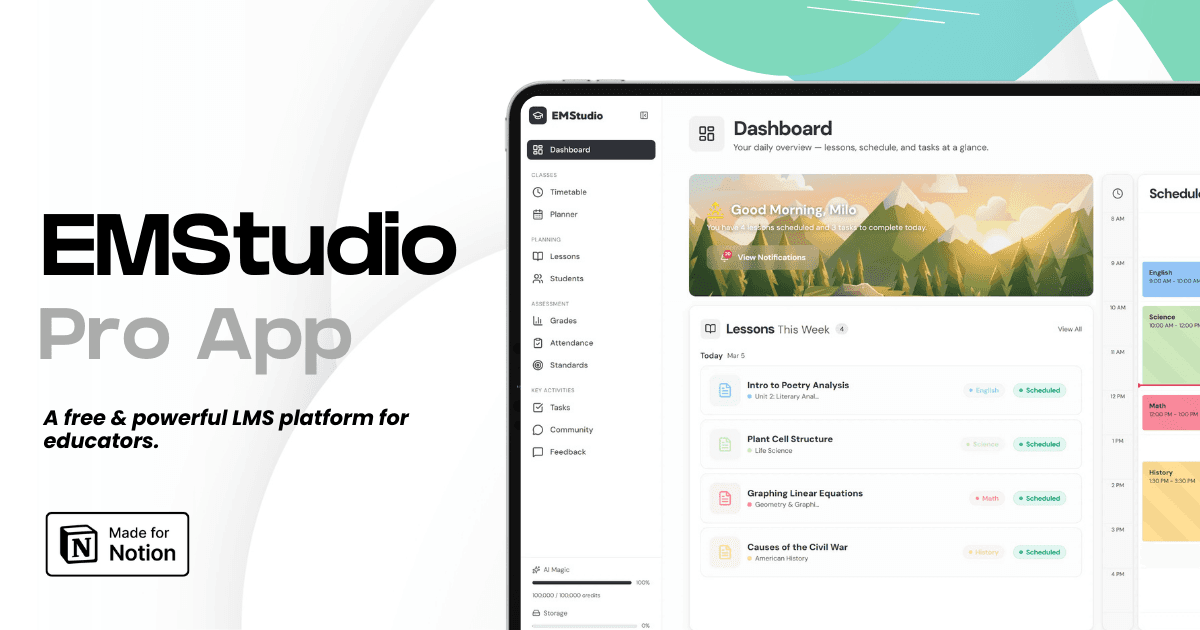
Still grading everything by hand?
EMStudio is a free teaching management app — manage your classes, students, lessons, and more!
Learn More
Still grading everything by hand?
EMStudio is a free teaching management app — manage your classes, students, lessons, and more!
Learn More
Table of Contents
Laying the Groundwork: What Classroom Culture Actually Means
Classroom culture is the shared values, beliefs, and behaviors that characterize daily interactions in your learning classroom. It is not climate. Climate is the emotional weather on a given Tuesday. Culture is the bedrock.
Picture a 7th-grade science lab. A student knocks over a beaker. In one room, peers stare or laugh. In another, three kids automatically grab paper towels and help rebuild the setup without prompting. That automatic helpfulness is culture.
John Hattie’s Visible Learning research puts teacher-student relationships at an effect size of 0.48. Collective teacher efficacy—which depends on culture—hits 1.57. Nearly triple the impact.
The Iceberg Model illustrates the difference:
Management (Visible) | Culture (Invisible) |
|---|---|
Uses extrinsic rewards | Cultivates intrinsic motivation |
Enforces compliance | Builds student agency |
Relies on seating charts | Depends on classroom norms |
Depends on authority | builds collaborative learning |
Controls individuals | Nurtures classroom community |
You cannot see culture, but you feel it the moment you walk into a room.
The Difference Between Management and Culture
Management is the seating chart taped to the wall. Culture is the invisible agreement that makes students voluntarily help each other move desks safely without being asked.
I learned this distinction in a high-poverty 4th-grade classroom. I had a color-coded clip chart that stopped the talking cold. But when Keisha stared at her multiplication worksheet in tears, she did not raise her hand. Management had silenced the room. Culture—and genuine social emotional learning—would have determined whether she felt safe admitting she was stuck.
Why Culture Eats Strategy for Breakfast
Collective teacher efficacy—Hattie’s 1.57 effect size—requires a culture of trust among staff and students. Without that foundation, even the most evidence-based strategies fail.
Take Lincoln High School, an anonymized composite I consulted with. A new principal imposed a strict behavior system with clear consequences and reward menus. The rules were "better" on paper. Suspensions rose 23% in one semester because the underlying values of restorative practices and mutual respect had never been established. Strategy cannot survive in toxic soil.
Step 1 — Define Your Core Values and Non-Negotiables
Identifying Your Educational Philosophy
Before you hang a single poster, spend time identifying your educational philosophy. Start with four questions that cut through the inspirational fluff on Pinterest. What do you believe about failure? Do you prioritize voice or silence in your room? Is competition or collaboration more motivating for your students? Finally, how do power dynamics affect learning in your specific context?
Your answers dictate your classroom culture infrastructure. If you believe in collaborative learning, public behavior charts that shame individual students become impossible to justify. You would never rank children against each other on the wall. The same philosophy that embraces student agency rejects rigid seating charts that face only the board.
Use the If/Then framework to translate belief into boundary. If safety is a core value, then hands-on experimentation requires specific lab protocols and goggles for everyone. If respect is non-negotiable, then "no put-downs" carries a clear progression: private conversation first, then parent contact, finally a restorative practices circle with clear documentation.
You can do this work alone with sticky notes and honesty. Commercial programs like Capturing Kids' Hearts charge $3,500 for three-day training plus $35 per student journal. That DIY approach costs nothing but forty minutes of thinking and builds authentic classroom community without the vendor markup.
Co-Creating Norms with Student Input
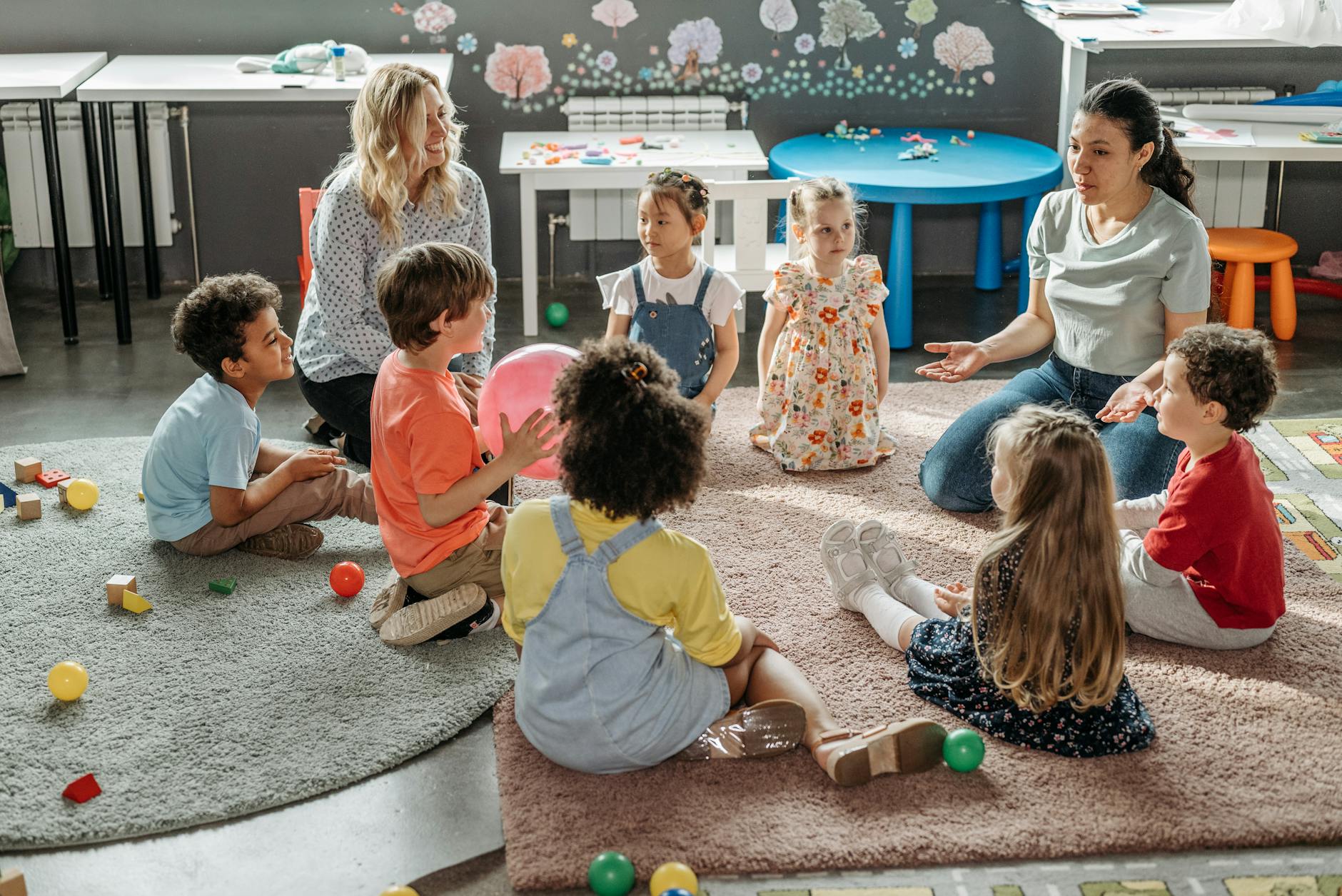
Values mean nothing until students claim them. Run the Values Distillation Protocol over three days. Day one, have every student write three words describing their ideal class on Post-its. Day two, group these into an affinity map with four to six categories. Day three, vote to finalize three to five core values that become your classroom norms.
Translate values into observable behaviors using the Y-Chart protocol. Draw a large Y on chart paper. Label the sections Looks Like, Sounds Like, and Feels Like. Spend forty-five minutes defining specific behaviors. Looks Like means eye contact and open bodies. Sounds Like means academic language at table-level volume. Feels Like means the social emotional learning safety that allows risk-taking without fear of public failure.
Use fist-to-five voting to secure real buy-in. Zero means a fist, five means full support. Any item scoring below three gets revised until eighty percent of students show four or five fingers. I watched my 7th graders reject "be responsible" until we rewrote it as "meet deadlines and communicate when you cannot." The revised language stuck because they wrote it.
This process builds a creative classroom where classroom norms are communal, not imposed from above. You skip the expensive journals and keep that $35 per student in your pocket for books instead.
Step 2 — Build Relationships Before Routines
Spend the first 72 hours on people, not procedures. Students don't care about your binder system until they believe you care about them. Hold off on academic routines until you've banked three positive connections with every student. This early investment pays dividends when you need restorative practices later in the year.
Start with these three structures:
Identity Maps: K-2 students draw their world; grades 3-12 write across five categories—family, hobbies, worries, strengths, and dreams.
Would You Rather Math: All grades, ten minutes. "Would you rather have 365 pennies or twelve quarters?" The math matters less than the debate and laughter.
Two Truths and a Lie (Academic): Grades 4-12 review content from the previous year. "I solved equations with fractions. I hated summer reading. I visited the Grand Canyon." Students guess, you learn who retained what.
First Week Relationship Builders
Secondary teachers: run the Interview Chain. Students pair up and use five questions—favorite meal, best travel memory, something they're good at, a book they love, and one hope for the year. After five minutes, each student introduces their partner to another pair. The web expands exponentially. Twenty minutes in, everyone knows someone.
For primary grades, use Me Bags. Students bring three items from home in a paper lunch bag. They share one item per day during morning meeting, stretching the reveal across the first week. This prevents the exhaustion of "bring everything Monday" and gives you five daily windows into who they are.
I watched a quiet 7th grader light up when her partner introduced her as "the best Minecraft redstone engineer in the county" during the chain. That moment of being seen did more for our classroom community than any classroom norms poster.
Ongoing Connection Systems
Relationships need maintenance. Implement the 2x10 system: spend two minutes talking with one student about non-academic topics for ten consecutive school days. Keep a simple checklist to track who you've covered. No student slips through.
Establish Friday Appreciations using sentence starters: "I noticed you..." or "I appreciate how you..." Five minutes at the week's end. Students direct these to peers, not you. This builds student agency and shifts the power dynamic toward collaborative learning. You'll hear things like "I noticed you helped me pick up my books" that you never saw yourself.
During transitions, use Rose, Thorn, Bud with five students daily. Rose: a highlight. Thorn: a challenge. Bud: something they're looking forward to. Rotating through five keeps it to three minutes while making sure every voice gets heard weekly. The thorns reveal struggling students before they explode.
These rituals anchor your classroom culture in trust, not compliance. They create the foundation for building a strong classroom community that supports social emotional learning all year.
Step 3 — Design a Creative Classroom Space That Reinforces Values
Flexible Seating for Collaboration
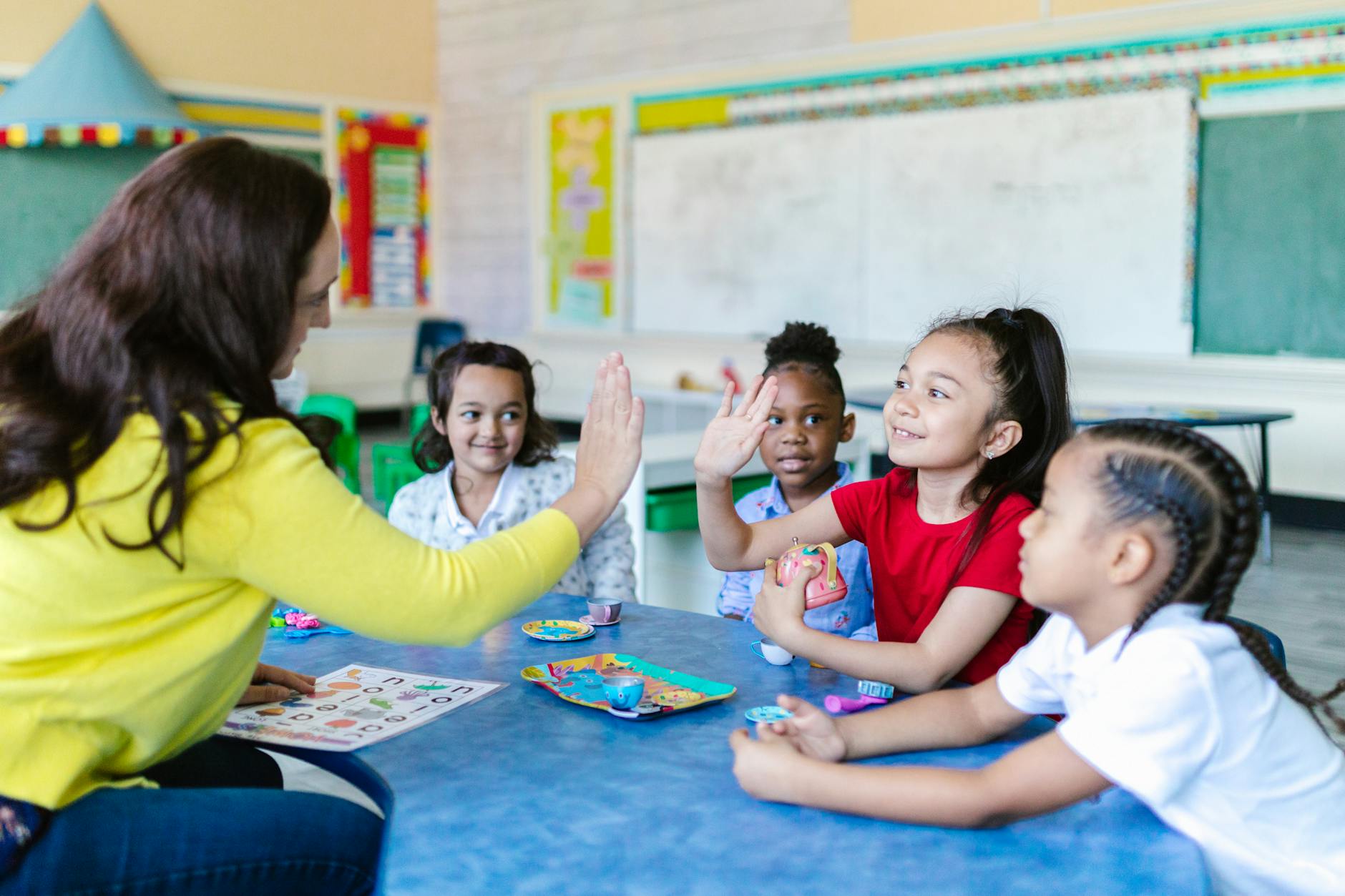
Your room layout teaches before you do. When kids walk in, they read the space: rows mean "listen to me," pods mean "talk to each other," and flexible zones mean "you decide." The physical setup of your creative classroom either supports your classroom culture or fights it every morning.
Layout | Cost | Noise (dB) | Best Grades | Management (1-5) |
|---|---|---|---|---|
Traditional Rows | $0 | 40-50 | 6-12 | 2 |
Collaborative Pods | $0-100 | 50-65 | 3-8 | 3 |
Flexible Seating | $150-800 | 45-70 | K-8 | 4 |
Traditional rows rate lowest for management difficulty because they limit interaction, while flexible seating needs constant collaborative learning monitoring. Match your layout to your current stamina, not your ideal.
You do not need a grant to start. Tier 0 costs nothing: milk crates from the cafeteria, carpet samples from the hardware store, and copy-paper boxes with clipboards for lap desks. Tier 1 runs $50-150 and buys four exercise balls at $15 each and pool noodles cut into back rollers. Tier 2 hits $300+ with Kore Wobble Chairs at $50-70 each or standing desks at $150. Check our flexible seating implementation guide for donor scripts.
Rules make flexibility work. I use this line: "Choose a spot that helps you learn best; if you talk to neighbors instead of working, I choose for you for 2 days." That single consequence keeps student agency intact while protecting instructional time. Post it on the wall next to our effective classroom design and learning zones map.
Name your zones so kids know the function. The Cave sits behind the bookshelf with noise-canceling headphones for solo work. The Watering Hole is a low table for four where social emotional learning discussions happen. The Mountain Top puts one stool near the whiteboard for presentations. Each spot reinforces different classroom norms without you saying a word.
Visual Cues for a Learning Classroom
Wall space is curriculum. Reserve 40% for student work, 30% for anchor charts you co-create during lessons, 20% for cultural values or mission statements, and leave 10% empty for visual rest. This ratio keeps the room from becoming wallpapered chaos while centering classroom community voices. Empty space is not wasted; it gives eyes a place to rest during heavy thinking.
Last year I taught 5th grade with walls covered in store-bought posters I'd laminated in 2018. Kids ignored them. In October, we tore them down and painted a growth mindset graffiti wall instead. Students added quotes quarterly. Engagement jumped because the room reflected their work, not my décor. The shift supported our restorative practices by giving students ownership of the space.
Specific tools matter. Hang an Ask 3 Before Me flowchart poster at 24-by-36 inches near your desk so students follow the help protocol before interrupting your small group. Install a Parking Lot chart for off-topic questions so kids feel heard without derailing the lesson; review it every Friday. Rotate student work displays every 14 days minimum; stale walls signal stale learning and undermine the learning classroom vibe you are building.
When students see their own writing on the wall, they invest more in the next draft. I rotate displays every two weeks precisely because fresh work sparks fresh conversations. It reminds them that this is their space, not mine.
Step 4 — How Do You Maintain Culture When Things Go Wrong?
When your classroom culture fractures, implement a Reset Protocol: stop instruction immediately, gather for a 10-minute community circle using restorative questions, revisit violated norms together, and schedule a 48-hour check-in. Research indicates repairing relationships within 48 hours prevents long-term culture erosion.
You cannot teach through a hurricane. When the air changes—when side conversations turn to shouting or respect collapses—you have two options: push through the lesson plan or repair the community. I always choose repair. It takes ten minutes, and it saves the remaining forty.
Conduct weekly temperature checks using a thumb up, middle, or down survey. It takes thirty seconds. When a student violates your classroom norms, use the Broken Contract script: "You are better than this choice. How do we get back to who we are?" This frames mistakes as deviations from your classroom community values, not character flaws. implementing restorative practices means believing kids want to do right.
The Art of the Reset Button
The Circle of Power and Respect follows a precise sequence. Gather in a circle. Run a check-in round using thumbs up, middle, or down. Identify the problem without naming specific students. Restore norms through student suggestions, not teacher mandates. End with a commitment round where each child states one action they will take. Ten minutes, start to finish.
Skip the circle if a student is in acute crisis or fight-or-flight mode. Cortisol blocks reflection. Use a private cooldown first. The circle happens twenty minutes later, once biochemistry has settled. Restorative practices require a brain that can actually process remorse.
Turning Conflicts Into Culture Moments
For navigating classroom conflicts, use three questions: "What happened from your perspective?" "Who was affected and how?" "What needs to happen to make it right?" These questions shift from punishment to problem-solving, building social emotional learning through structured reflection.
Last year, two of my 5th graders fought over the last pair of scissors. Instead of confiscating them, I had the boys complete the three questions together. They realized the class needed a system. They created a "supply monitor" job they now share. Conflict became collaborative learning. That is student agency in action.

Common Mistakes That Destroy Classroom Culture
Inconsistency with Consequences
You destroy classroom culture when you enforce the phone policy Monday and Tuesday, then ignore it Wednesday because you’re exhausted. Students notice immediately. They learn that rules are suggestions, not boundaries.
The Monday/Friday trap catches you being stricter at 8:00 AM on Monday than at 2:45 PM on Friday. That trains kids to test limits late in the week. Fix it with the broken record technique: state the rule without emotion, every single time. If you correct a behavior, track whether you correct it every time for five consecutive days. Drop below 80% consistency, and that behavior escalates. Consistent classroom rules and procedures only work when you follow through on your worst days.
Ignoring Learning for First Graders' Unique Pacing
Six-year-olds cannot sit for 30 minutes. Their working memory holds one to two steps, and their attention span for new content caps at 10 to 15 minutes. When you ignore this reality, you get fidgeting, calling out, and kids falling off chairs. It looks like behavior problems. It’s actually developmental mismatch.
Break lessons into chunks. Input for 10 minutes. Practice for 10 minutes. Share for 10 minutes. Place a Time Timer on the ledge so they see time disappearing. Insert movement breaks between segments. Stock your library with engaging books for 1st graders that match their stamina. When you respect these limits, learning for first graders accelerates instead of fighting biology.
Forcing Learning for Second Graders Into Rigid Structures
I learned this the hard way with my second graders in October. I assigned a group of four to build a tower together. Within three minutes, two kids were crying and one was hoarding the blocks. Second grade is the bridge from parallel play to cooperative learning. They are shifting from "me" to "we," but they lack the executive function to manage three peer relationships at once.
Start with dyads. Use turn-and-talk pairs for two minutes daily. Run pairs for four weeks before adding a third student. Wait eight weeks before attempting groups of four. Learning for second graders requires this scaffolded collaborative learning sequence. Rush it, and you destroy the classroom community you’re trying to build.
Laying the Groundwork: What Classroom Culture Actually Means
Classroom culture is the shared values, beliefs, and behaviors that characterize daily interactions in your learning classroom. It is not climate. Climate is the emotional weather on a given Tuesday. Culture is the bedrock.
Picture a 7th-grade science lab. A student knocks over a beaker. In one room, peers stare or laugh. In another, three kids automatically grab paper towels and help rebuild the setup without prompting. That automatic helpfulness is culture.
John Hattie’s Visible Learning research puts teacher-student relationships at an effect size of 0.48. Collective teacher efficacy—which depends on culture—hits 1.57. Nearly triple the impact.
The Iceberg Model illustrates the difference:
Management (Visible) | Culture (Invisible) |
|---|---|
Uses extrinsic rewards | Cultivates intrinsic motivation |
Enforces compliance | Builds student agency |
Relies on seating charts | Depends on classroom norms |
Depends on authority | builds collaborative learning |
Controls individuals | Nurtures classroom community |
You cannot see culture, but you feel it the moment you walk into a room.
The Difference Between Management and Culture
Management is the seating chart taped to the wall. Culture is the invisible agreement that makes students voluntarily help each other move desks safely without being asked.
I learned this distinction in a high-poverty 4th-grade classroom. I had a color-coded clip chart that stopped the talking cold. But when Keisha stared at her multiplication worksheet in tears, she did not raise her hand. Management had silenced the room. Culture—and genuine social emotional learning—would have determined whether she felt safe admitting she was stuck.
Why Culture Eats Strategy for Breakfast
Collective teacher efficacy—Hattie’s 1.57 effect size—requires a culture of trust among staff and students. Without that foundation, even the most evidence-based strategies fail.
Take Lincoln High School, an anonymized composite I consulted with. A new principal imposed a strict behavior system with clear consequences and reward menus. The rules were "better" on paper. Suspensions rose 23% in one semester because the underlying values of restorative practices and mutual respect had never been established. Strategy cannot survive in toxic soil.
Step 1 — Define Your Core Values and Non-Negotiables
Identifying Your Educational Philosophy
Before you hang a single poster, spend time identifying your educational philosophy. Start with four questions that cut through the inspirational fluff on Pinterest. What do you believe about failure? Do you prioritize voice or silence in your room? Is competition or collaboration more motivating for your students? Finally, how do power dynamics affect learning in your specific context?
Your answers dictate your classroom culture infrastructure. If you believe in collaborative learning, public behavior charts that shame individual students become impossible to justify. You would never rank children against each other on the wall. The same philosophy that embraces student agency rejects rigid seating charts that face only the board.
Use the If/Then framework to translate belief into boundary. If safety is a core value, then hands-on experimentation requires specific lab protocols and goggles for everyone. If respect is non-negotiable, then "no put-downs" carries a clear progression: private conversation first, then parent contact, finally a restorative practices circle with clear documentation.
You can do this work alone with sticky notes and honesty. Commercial programs like Capturing Kids' Hearts charge $3,500 for three-day training plus $35 per student journal. That DIY approach costs nothing but forty minutes of thinking and builds authentic classroom community without the vendor markup.
Co-Creating Norms with Student Input
Values mean nothing until students claim them. Run the Values Distillation Protocol over three days. Day one, have every student write three words describing their ideal class on Post-its. Day two, group these into an affinity map with four to six categories. Day three, vote to finalize three to five core values that become your classroom norms.
Translate values into observable behaviors using the Y-Chart protocol. Draw a large Y on chart paper. Label the sections Looks Like, Sounds Like, and Feels Like. Spend forty-five minutes defining specific behaviors. Looks Like means eye contact and open bodies. Sounds Like means academic language at table-level volume. Feels Like means the social emotional learning safety that allows risk-taking without fear of public failure.
Use fist-to-five voting to secure real buy-in. Zero means a fist, five means full support. Any item scoring below three gets revised until eighty percent of students show four or five fingers. I watched my 7th graders reject "be responsible" until we rewrote it as "meet deadlines and communicate when you cannot." The revised language stuck because they wrote it.
This process builds a creative classroom where classroom norms are communal, not imposed from above. You skip the expensive journals and keep that $35 per student in your pocket for books instead.
Step 2 — Build Relationships Before Routines
Spend the first 72 hours on people, not procedures. Students don't care about your binder system until they believe you care about them. Hold off on academic routines until you've banked three positive connections with every student. This early investment pays dividends when you need restorative practices later in the year.
Start with these three structures:
Identity Maps: K-2 students draw their world; grades 3-12 write across five categories—family, hobbies, worries, strengths, and dreams.
Would You Rather Math: All grades, ten minutes. "Would you rather have 365 pennies or twelve quarters?" The math matters less than the debate and laughter.
Two Truths and a Lie (Academic): Grades 4-12 review content from the previous year. "I solved equations with fractions. I hated summer reading. I visited the Grand Canyon." Students guess, you learn who retained what.
First Week Relationship Builders
Secondary teachers: run the Interview Chain. Students pair up and use five questions—favorite meal, best travel memory, something they're good at, a book they love, and one hope for the year. After five minutes, each student introduces their partner to another pair. The web expands exponentially. Twenty minutes in, everyone knows someone.
For primary grades, use Me Bags. Students bring three items from home in a paper lunch bag. They share one item per day during morning meeting, stretching the reveal across the first week. This prevents the exhaustion of "bring everything Monday" and gives you five daily windows into who they are.
I watched a quiet 7th grader light up when her partner introduced her as "the best Minecraft redstone engineer in the county" during the chain. That moment of being seen did more for our classroom community than any classroom norms poster.
Ongoing Connection Systems
Relationships need maintenance. Implement the 2x10 system: spend two minutes talking with one student about non-academic topics for ten consecutive school days. Keep a simple checklist to track who you've covered. No student slips through.
Establish Friday Appreciations using sentence starters: "I noticed you..." or "I appreciate how you..." Five minutes at the week's end. Students direct these to peers, not you. This builds student agency and shifts the power dynamic toward collaborative learning. You'll hear things like "I noticed you helped me pick up my books" that you never saw yourself.
During transitions, use Rose, Thorn, Bud with five students daily. Rose: a highlight. Thorn: a challenge. Bud: something they're looking forward to. Rotating through five keeps it to three minutes while making sure every voice gets heard weekly. The thorns reveal struggling students before they explode.
These rituals anchor your classroom culture in trust, not compliance. They create the foundation for building a strong classroom community that supports social emotional learning all year.
Step 3 — Design a Creative Classroom Space That Reinforces Values
Flexible Seating for Collaboration
Your room layout teaches before you do. When kids walk in, they read the space: rows mean "listen to me," pods mean "talk to each other," and flexible zones mean "you decide." The physical setup of your creative classroom either supports your classroom culture or fights it every morning.
Layout | Cost | Noise (dB) | Best Grades | Management (1-5) |
|---|---|---|---|---|
Traditional Rows | $0 | 40-50 | 6-12 | 2 |
Collaborative Pods | $0-100 | 50-65 | 3-8 | 3 |
Flexible Seating | $150-800 | 45-70 | K-8 | 4 |
Traditional rows rate lowest for management difficulty because they limit interaction, while flexible seating needs constant collaborative learning monitoring. Match your layout to your current stamina, not your ideal.
You do not need a grant to start. Tier 0 costs nothing: milk crates from the cafeteria, carpet samples from the hardware store, and copy-paper boxes with clipboards for lap desks. Tier 1 runs $50-150 and buys four exercise balls at $15 each and pool noodles cut into back rollers. Tier 2 hits $300+ with Kore Wobble Chairs at $50-70 each or standing desks at $150. Check our flexible seating implementation guide for donor scripts.
Rules make flexibility work. I use this line: "Choose a spot that helps you learn best; if you talk to neighbors instead of working, I choose for you for 2 days." That single consequence keeps student agency intact while protecting instructional time. Post it on the wall next to our effective classroom design and learning zones map.
Name your zones so kids know the function. The Cave sits behind the bookshelf with noise-canceling headphones for solo work. The Watering Hole is a low table for four where social emotional learning discussions happen. The Mountain Top puts one stool near the whiteboard for presentations. Each spot reinforces different classroom norms without you saying a word.
Visual Cues for a Learning Classroom
Wall space is curriculum. Reserve 40% for student work, 30% for anchor charts you co-create during lessons, 20% for cultural values or mission statements, and leave 10% empty for visual rest. This ratio keeps the room from becoming wallpapered chaos while centering classroom community voices. Empty space is not wasted; it gives eyes a place to rest during heavy thinking.
Last year I taught 5th grade with walls covered in store-bought posters I'd laminated in 2018. Kids ignored them. In October, we tore them down and painted a growth mindset graffiti wall instead. Students added quotes quarterly. Engagement jumped because the room reflected their work, not my décor. The shift supported our restorative practices by giving students ownership of the space.
Specific tools matter. Hang an Ask 3 Before Me flowchart poster at 24-by-36 inches near your desk so students follow the help protocol before interrupting your small group. Install a Parking Lot chart for off-topic questions so kids feel heard without derailing the lesson; review it every Friday. Rotate student work displays every 14 days minimum; stale walls signal stale learning and undermine the learning classroom vibe you are building.
When students see their own writing on the wall, they invest more in the next draft. I rotate displays every two weeks precisely because fresh work sparks fresh conversations. It reminds them that this is their space, not mine.
Step 4 — How Do You Maintain Culture When Things Go Wrong?
When your classroom culture fractures, implement a Reset Protocol: stop instruction immediately, gather for a 10-minute community circle using restorative questions, revisit violated norms together, and schedule a 48-hour check-in. Research indicates repairing relationships within 48 hours prevents long-term culture erosion.
You cannot teach through a hurricane. When the air changes—when side conversations turn to shouting or respect collapses—you have two options: push through the lesson plan or repair the community. I always choose repair. It takes ten minutes, and it saves the remaining forty.
Conduct weekly temperature checks using a thumb up, middle, or down survey. It takes thirty seconds. When a student violates your classroom norms, use the Broken Contract script: "You are better than this choice. How do we get back to who we are?" This frames mistakes as deviations from your classroom community values, not character flaws. implementing restorative practices means believing kids want to do right.
The Art of the Reset Button
The Circle of Power and Respect follows a precise sequence. Gather in a circle. Run a check-in round using thumbs up, middle, or down. Identify the problem without naming specific students. Restore norms through student suggestions, not teacher mandates. End with a commitment round where each child states one action they will take. Ten minutes, start to finish.
Skip the circle if a student is in acute crisis or fight-or-flight mode. Cortisol blocks reflection. Use a private cooldown first. The circle happens twenty minutes later, once biochemistry has settled. Restorative practices require a brain that can actually process remorse.
Turning Conflicts Into Culture Moments
For navigating classroom conflicts, use three questions: "What happened from your perspective?" "Who was affected and how?" "What needs to happen to make it right?" These questions shift from punishment to problem-solving, building social emotional learning through structured reflection.
Last year, two of my 5th graders fought over the last pair of scissors. Instead of confiscating them, I had the boys complete the three questions together. They realized the class needed a system. They created a "supply monitor" job they now share. Conflict became collaborative learning. That is student agency in action.
Common Mistakes That Destroy Classroom Culture
Inconsistency with Consequences
You destroy classroom culture when you enforce the phone policy Monday and Tuesday, then ignore it Wednesday because you’re exhausted. Students notice immediately. They learn that rules are suggestions, not boundaries.
The Monday/Friday trap catches you being stricter at 8:00 AM on Monday than at 2:45 PM on Friday. That trains kids to test limits late in the week. Fix it with the broken record technique: state the rule without emotion, every single time. If you correct a behavior, track whether you correct it every time for five consecutive days. Drop below 80% consistency, and that behavior escalates. Consistent classroom rules and procedures only work when you follow through on your worst days.
Ignoring Learning for First Graders' Unique Pacing
Six-year-olds cannot sit for 30 minutes. Their working memory holds one to two steps, and their attention span for new content caps at 10 to 15 minutes. When you ignore this reality, you get fidgeting, calling out, and kids falling off chairs. It looks like behavior problems. It’s actually developmental mismatch.
Break lessons into chunks. Input for 10 minutes. Practice for 10 minutes. Share for 10 minutes. Place a Time Timer on the ledge so they see time disappearing. Insert movement breaks between segments. Stock your library with engaging books for 1st graders that match their stamina. When you respect these limits, learning for first graders accelerates instead of fighting biology.
Forcing Learning for Second Graders Into Rigid Structures
I learned this the hard way with my second graders in October. I assigned a group of four to build a tower together. Within three minutes, two kids were crying and one was hoarding the blocks. Second grade is the bridge from parallel play to cooperative learning. They are shifting from "me" to "we," but they lack the executive function to manage three peer relationships at once.
Start with dyads. Use turn-and-talk pairs for two minutes daily. Run pairs for four weeks before adding a third student. Wait eight weeks before attempting groups of four. Learning for second graders requires this scaffolded collaborative learning sequence. Rush it, and you destroy the classroom community you’re trying to build.
Still grading everything by hand?
EMStudio is a free teaching management app — manage your classes, students, lessons, and more!
Learn More
Still grading everything by hand?
EMStudio is a free teaching management app — manage your classes, students, lessons, and more!
Learn More


Notion4Teachers
Notion templates to simplify administrative tasks and enhance your teaching experience.



2026 Notion4Teachers. All Rights Reserved.
Notion4Teachers
Notion templates to simplify administrative tasks and enhance your teaching experience.
2026 Notion4Teachers. All Rights Reserved.
Notion4Teachers
Notion templates to simplify administrative tasks and enhance your teaching experience.
2026 Notion4Teachers. All Rights Reserved.