
8 Access Rules Every Digital Classroom Needs
8 Access Rules Every Digital Classroom Needs

Article by
Milo
ESL Content Coordinator & Educator
ESL Content Coordinator & Educator
All Posts

Image: unsplash
There are over 3000 targeted cyberattacks hitting school districts every week across the country. As schools migrate permanently to cloud-based environments, digital classrooms have become prime targets for data theft and unauthorized intrusions.
Managing who enters your virtual space is no longer just an IT concern. It's a fundamental safety requirement. Implementing strict control policies protects student privacy and ensures uninterrupted teaching.
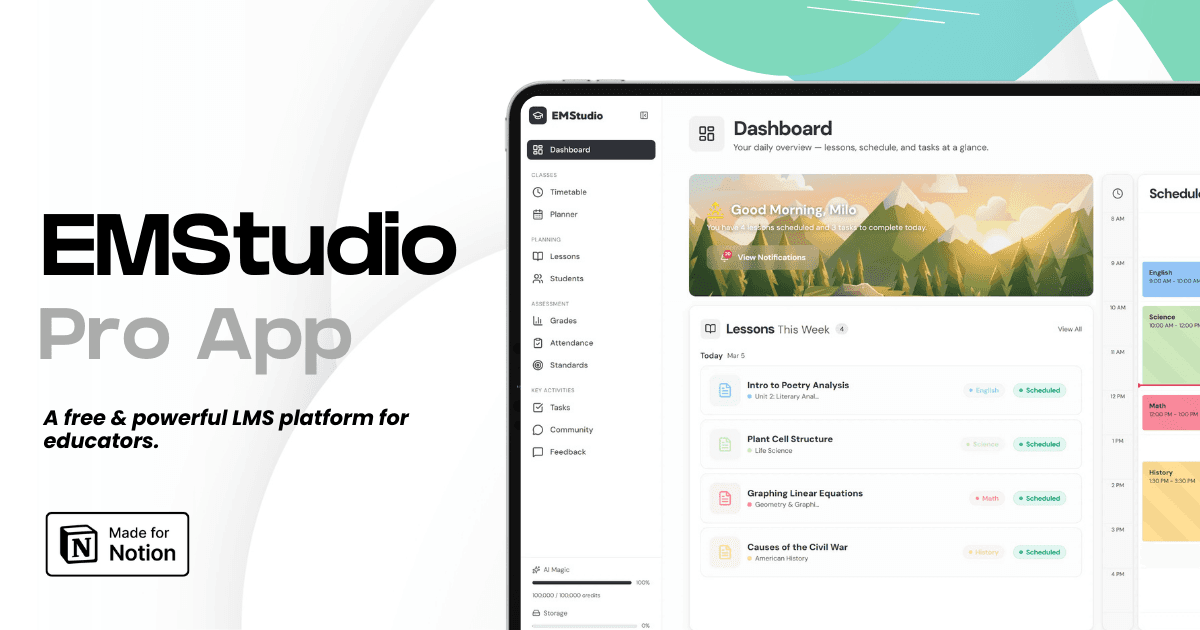
Still grading everything by hand?
EMStudio is a free teaching management app — manage your classes, students, lessons, and more!
Learn More
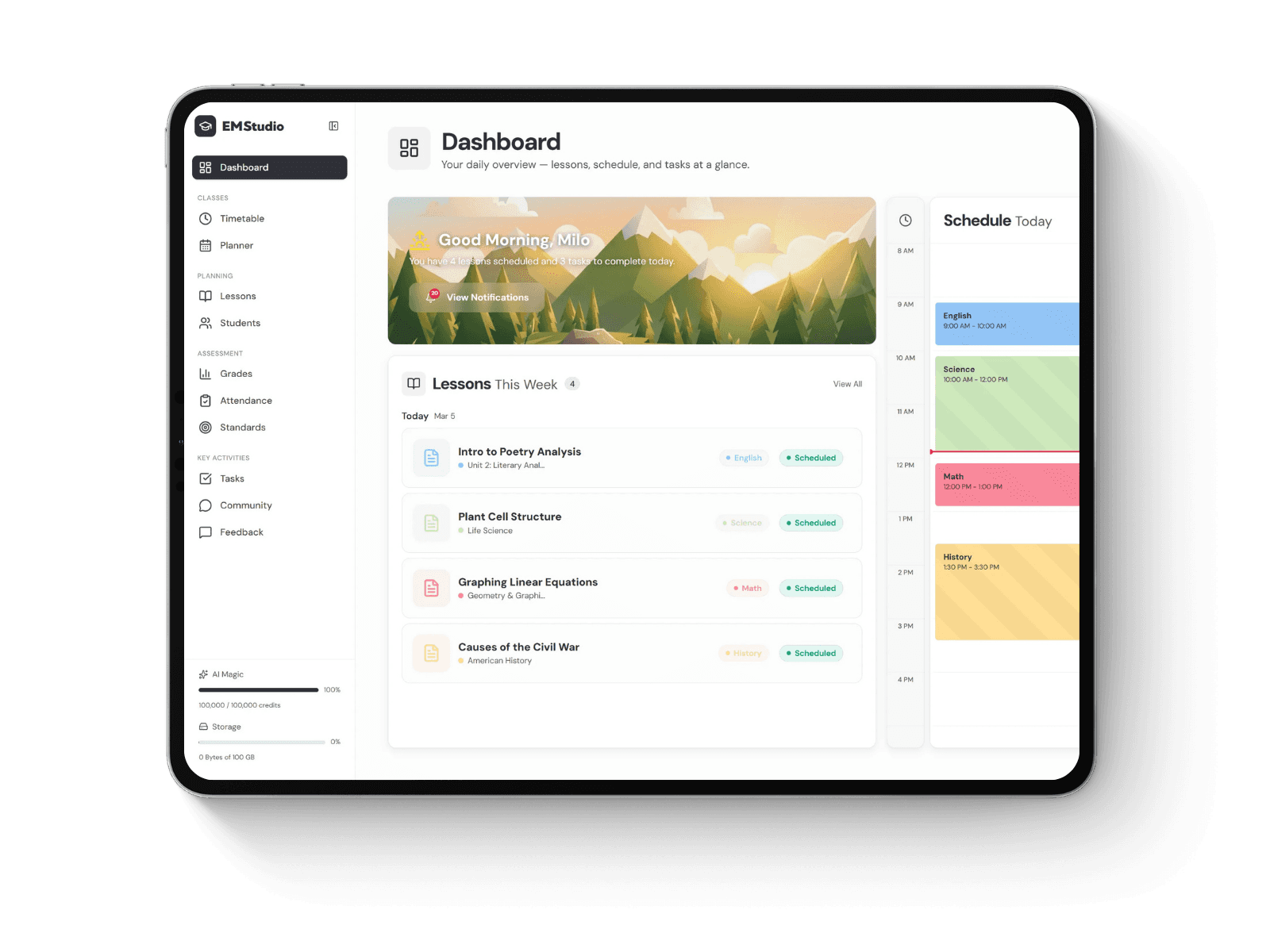
Still grading everything by hand?
EMStudio is a free teaching management app — manage your classes, students, lessons, and more!
Learn More
Table of Contents
1. Implement Least Privilege Access
Limiting platform permissions prevents curious students or external actors from altering critical settings. Teachers and students only require access to specific folders and tools necessary for daily lessons. Grant minimal access, sensitive information stays protected, you prevent unauthorized users from viewing classroom resources.
Restricting administrative privileges minimizes the blast radius if an individual account is compromised. When users only possess the exact permissions required for their tasks, accidental data deletions drop significantly.
2. Enforce Multi-Factor Authentication or Passkeys
Passwords alone cannot secure portal entry points in modern learning environments. Requiring a second verification factor or a cryptographic passkey stops credential stuffing attacks instantly.
Every educator, administrator, and student account accessing the main dashboard must verify their identity through an authenticated secondary device. This layer ensures that stolen credentials remain useless to external threat actors.
3. Automate Roster-Based Provisioning and Removal
Manual account management leaves dangerous gaps when students transfer classes or leave the school district. Integrating the student information system directly with your directory services ensures permissions update in real time. This systematic control forms the foundation of modern identity and access management architecture, establishing an automated lifecycle that grants or revokes portal access instantly.
Failing to de-provision old accounts creates orphaned profiles that hackers exploit to enter school networks undetected. Automating this lifecycle ensures access terminates the moment a student changes enrollment status.
4. Mandate Device Hygiene Checks
Unsecured personal laptops and tablets frequently introduce malware into cloud-based classrooms. Network systems must verify that any connecting endpoint runs updated operating systems and active antivirus software.
A school district can strengthen its defense by implementing contemporary endpoint defense configurations before allowing remote devices to log into shared learning portals. Educators can achieve this by using structured administrative frameworks.
Check security patch updates
Verify active firewall configurations
Confirm endpoint antivirus operation
Restrict unauthorized local software installation
5. Establish Parent Guest Boundaries
Parents require visibility into student progress but should never have direct access to live collaborative spaces. Creating dedicated portal views for guardians keeps the actual digital classroom secure and private.
Delineating these boundaries prevents external users from accidentally viewing the private information or grades of other children. Good digital learning design relies on segregated dashboards to balance parental involvement with strict data privacy compliance.
6. Maintain Audit-Ready Documentation
Tracking digital footprints ensures accountability and helps schools satisfy strict regional data compliance laws. Automated logs must capture every login attempt, file download, and permission change across the ecosystem.
Reviewing these logs regularly helps IT coordinators spot anomalous behavior, such as a student account logging in from another country while automated perimeter exploitation attempts hit the main firewall. Clear digital records streamline forensic investigations if an incident occurs.
7. Define Emergency Admin Procedures
When a critical teacher account gets locked or compromised during a live lesson, alternative access pathways must exist. Designated backup administrators need specific, pre-authorized credentials to intervene instantly.
Create backup roles, administrative continuity remains perfectly seamless, prevent chaotic disruptions during active online sessions.
These emergency protocols must remain strictly documented and restricted. Temporary elevated access should automatically expire after a set timeframe to prevent permanent privilege creep.
8. Vet Third-Party Learning Apps
Educators frequently plug external educational games and tools into their primary digital platforms. However, plugins that lack rigorous security vetting can easily leak student data to external marketers.
School districts must mandate an official approval registry for all integrated applications. Prioritizing platforms that follow established cloud security frameworks helps ensure external tools handle student identity records safely.
Securing Your Digital Architecture
Building a resilient virtual environment requires continuous adaptation as modern educational technologies evolve. Securing student data involves a collective effort combining strict system rules with vigilant daily digital habits. Explore the rest of the blog for more inspirational posts for virtual tutors and digital learning.
1. Implement Least Privilege Access
Limiting platform permissions prevents curious students or external actors from altering critical settings. Teachers and students only require access to specific folders and tools necessary for daily lessons. Grant minimal access, sensitive information stays protected, you prevent unauthorized users from viewing classroom resources.
Restricting administrative privileges minimizes the blast radius if an individual account is compromised. When users only possess the exact permissions required for their tasks, accidental data deletions drop significantly.
2. Enforce Multi-Factor Authentication or Passkeys
Passwords alone cannot secure portal entry points in modern learning environments. Requiring a second verification factor or a cryptographic passkey stops credential stuffing attacks instantly.
Every educator, administrator, and student account accessing the main dashboard must verify their identity through an authenticated secondary device. This layer ensures that stolen credentials remain useless to external threat actors.
3. Automate Roster-Based Provisioning and Removal
Manual account management leaves dangerous gaps when students transfer classes or leave the school district. Integrating the student information system directly with your directory services ensures permissions update in real time. This systematic control forms the foundation of modern identity and access management architecture, establishing an automated lifecycle that grants or revokes portal access instantly.
Failing to de-provision old accounts creates orphaned profiles that hackers exploit to enter school networks undetected. Automating this lifecycle ensures access terminates the moment a student changes enrollment status.
4. Mandate Device Hygiene Checks
Unsecured personal laptops and tablets frequently introduce malware into cloud-based classrooms. Network systems must verify that any connecting endpoint runs updated operating systems and active antivirus software.
A school district can strengthen its defense by implementing contemporary endpoint defense configurations before allowing remote devices to log into shared learning portals. Educators can achieve this by using structured administrative frameworks.
Check security patch updates
Verify active firewall configurations
Confirm endpoint antivirus operation
Restrict unauthorized local software installation
5. Establish Parent Guest Boundaries
Parents require visibility into student progress but should never have direct access to live collaborative spaces. Creating dedicated portal views for guardians keeps the actual digital classroom secure and private.
Delineating these boundaries prevents external users from accidentally viewing the private information or grades of other children. Good digital learning design relies on segregated dashboards to balance parental involvement with strict data privacy compliance.
6. Maintain Audit-Ready Documentation
Tracking digital footprints ensures accountability and helps schools satisfy strict regional data compliance laws. Automated logs must capture every login attempt, file download, and permission change across the ecosystem.
Reviewing these logs regularly helps IT coordinators spot anomalous behavior, such as a student account logging in from another country while automated perimeter exploitation attempts hit the main firewall. Clear digital records streamline forensic investigations if an incident occurs.
7. Define Emergency Admin Procedures
When a critical teacher account gets locked or compromised during a live lesson, alternative access pathways must exist. Designated backup administrators need specific, pre-authorized credentials to intervene instantly.
Create backup roles, administrative continuity remains perfectly seamless, prevent chaotic disruptions during active online sessions.
These emergency protocols must remain strictly documented and restricted. Temporary elevated access should automatically expire after a set timeframe to prevent permanent privilege creep.
8. Vet Third-Party Learning Apps
Educators frequently plug external educational games and tools into their primary digital platforms. However, plugins that lack rigorous security vetting can easily leak student data to external marketers.
School districts must mandate an official approval registry for all integrated applications. Prioritizing platforms that follow established cloud security frameworks helps ensure external tools handle student identity records safely.
Securing Your Digital Architecture
Building a resilient virtual environment requires continuous adaptation as modern educational technologies evolve. Securing student data involves a collective effort combining strict system rules with vigilant daily digital habits. Explore the rest of the blog for more inspirational posts for virtual tutors and digital learning.
Still grading everything by hand?
EMStudio is a free teaching management app — manage your classes, students, lessons, and more!
Learn More
Still grading everything by hand?
EMStudio is a free teaching management app — manage your classes, students, lessons, and more!
Learn More



Notion4Teachers
Notion templates to simplify administrative tasks and enhance your teaching experience.



2026 Notion4Teachers. All Rights Reserved.
Notion4Teachers
Notion templates to simplify administrative tasks and enhance your teaching experience.
2026 Notion4Teachers. All Rights Reserved.
Notion4Teachers
Notion templates to simplify administrative tasks and enhance your teaching experience.
2026 Notion4Teachers. All Rights Reserved.