
15 Teaching Models That Transform K-12 Instruction
15 Teaching Models That Transform K-12 Instruction

Article by
Milo
ESL Content Coordinator & Educator
ESL Content Coordinator & Educator
All Posts
Most teaching models collect dust in binders because we treat them like costumes to wear instead of tools to use. I've watched districts buy into elaborate instructional frameworks, then abandon them by October when the pacing guide gets tight. The difference between a failed pedagogical approach and one that actually changes how kids learn isn't the model itself. It's whether you understand when to use it, and when to drop it.
There is no perfect teaching model. I've seen direct instruction save a struggling 7th grade math class, and I've seen the same method crush curiosity in a science lab. The 15 approaches below aren't theoretical. They're battle-tested lesson designs that work in specific contexts—with specific groups of kids, at specific moments in the year.
This guide cuts through the jargon. We'll cover teacher-centered instruction that builds foundational skills, student-centered learning that lets kids wrestle with big ideas, and adaptive models that meet learners where they are. Each one includes the formative assessment strategies you need to know it's working before the unit ends.
Still grading everything by hand?
EMStudio is a free teaching management app — manage your classes, students, lessons, and more!
Learn More

Still grading everything by hand?
EMStudio is a free teaching management app — manage your classes, students, lessons, and more!
Learn More
Table of Contents
What Are the Most Effective Direct Instruction Teaching Models?
The most effective direct instruction teaching models include Explicit Teaching, Mastery Learning with correctives, and the Lecture-Discussion Hybrid with structured pauses. Research shows this approach yields an effect size of 0.59 when implemented with immediate feedback and guided practice. These evidence-based models for direct instruction outperform passive lectures.
Hattie's meta-analysis places direct instruction in the zone of desired effects with an effect size of 0.59. This isn't passive lecturing. True direct instruction is interactive, scripted, and includes immediate error correction.
Explicit Teaching Model
The Explicit Teaching Model follows an I Do, We Do, You Do protocol. I model for ten to fifteen minutes using think-alouds. Then we shift to guided practice before independent work with an eighty percent accuracy target.
I watched a ninth-grade Algebra teacher work through two-step equations with thirty students. She used whiteboards during the We Do phase to check every student simultaneously. When three kids showed wrong answers, she corrected the error immediately before anyone practiced the mistake independently.
Skipping the We Do phase sabotages this teaching model. When pacing guides demand speed, teachers jump from modeling to independent practice. This creates cognitive overload because students need that scaffolded middle step before working alone.
Mastery Learning Model
Mastery Learning requires students to score four out of five on formative assessments before moving forward. Bloom established this eighty percent threshold to ensure prerequisite skills. Masters progress to enrichment activities rather than sitting through remedial instruction they don't need.
The correctives cycle separates this from traditional methods. Students scoring below eighty percent receive alternative explanations through video tutorials or peer tutoring. They reassess within forty-eight hours instead of waiting for end-of-unit tests, preventing knowledge gaps.
Consider a third-grade multiplication unit with weekly checkpoints. Students who haven't achieved automaticity use Reflex Math for targeted remediation during the correctives period. Meanwhile, masters work on extension puzzles that apply multiplication in novel contexts. This prevents accumulation of gaps.
Lecture-Discussion Hybrid Model
The Lecture-Discussion Hybrid respects cognitive load. Implement the Pause Procedure by stopping every twelve to fifteen minutes for two-minute pair discussions. This follows Bonwell and Eison's research and resets attention spans before students check out.
Require Cornell Notes to force active processing. Students use the cue column for questions, the main column for notes, and the bottom for summaries. Circulate to check that everyone extracts meaning rather than just copying words.
In an eleventh-grade AP US History class analyzing the Homestead Act, pause for structured academic controversy using primary sources. This comprehensive guide to direct instruction maintains teacher control while requiring students to wrestle with complex arguments during each break.
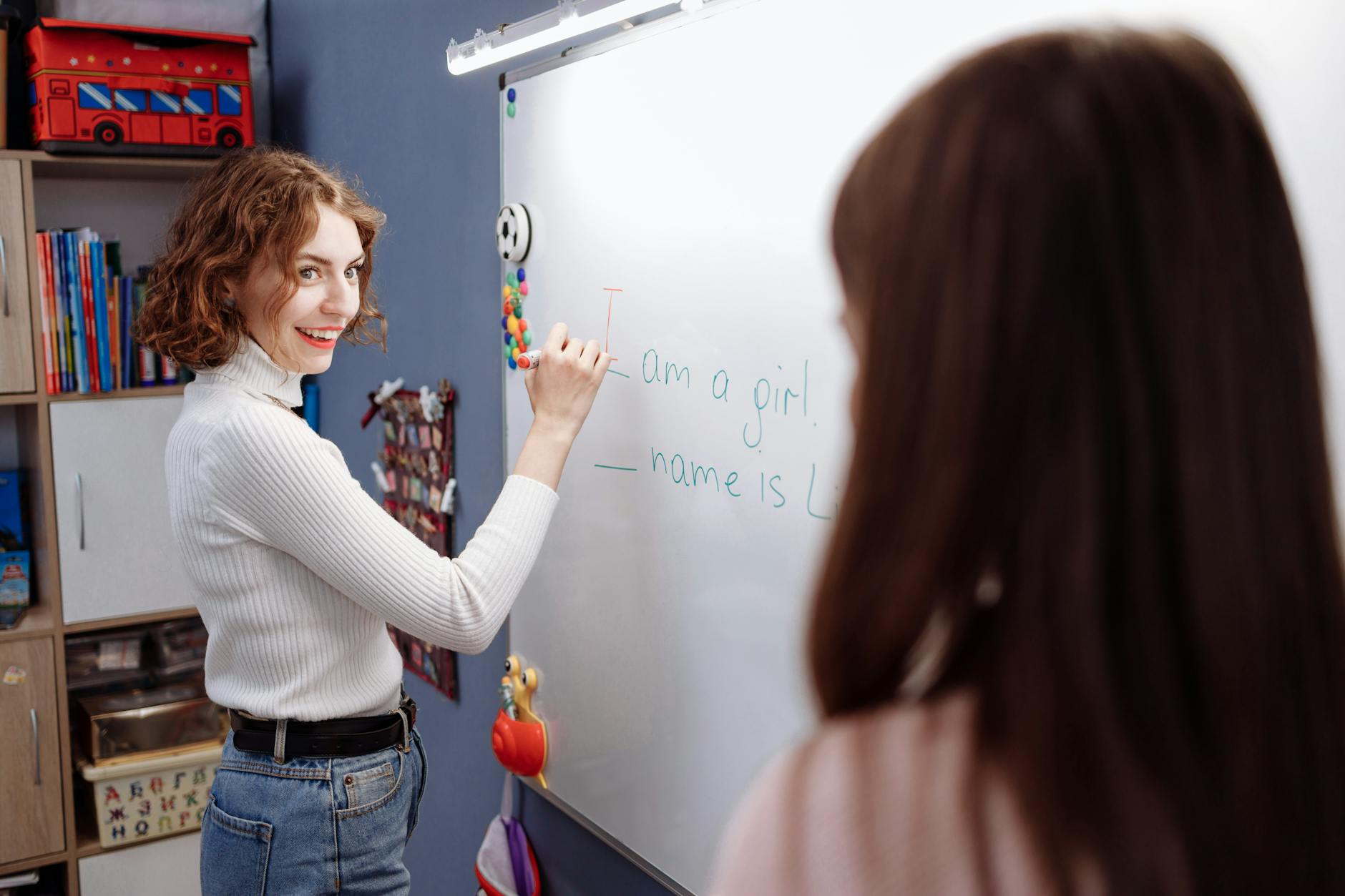
Constructivist Teaching Models for Deep Understanding
Constructivist teaching models rely on Piaget's cognitive disequilibrium and Vygotsky's Zone of Proximal Development. Disequilibrium creates the itch—when students face contradictions to existing schemas, they rebuild understanding. The ZPD provides the reach—learners grasp what they can't do alone, but can manage with guidance.
These approaches fail with novices. Students below the 40th percentile in prerequisite skills lack mental frameworks to construct new knowledge. Reserve these models for learners with solid foundations, or provide intense scaffolding to prevent frustration.
Discovery Learning: unstructured exploration with minimal guidance.
Scaffolded Instruction: temporary support that fades over time.
Concept Attainment: structured inductive reasoning from examples.
Discovery Learning Model
Pure discovery throws students into unstructured exploration without guidance. Research consistently shows it fails. Klahr and Nigam demonstrated that guided discovery—where teachers provide hints and structure—produces superior retention and transfer compared to pure exploration in elementary science settings.
My implementation protocol keeps momentum high. Present materials for the density investigation, then allow ten minutes of hands-on exploration. Circulate and listen for misconceptions. If groups stall for more than five minutes, distribute hint cards that nudge thinking without giving answers. Consolidate findings in the final ten minutes.
Last month in a 7th-grade physical science class, students measured mass and volume of six irregular objects using water displacement and triple-beam balances. They manipulated their data tables until someone noticed that dividing mass by volume yielded a consistent number for each material. D=M/V emerged from their measurements and arguments, not from my lecture.
Scaffolded Instruction Model
Wood defined five has of true scaffolding. Recruitment builds interest in the task. Reduction in degrees of freedom simplifies the work early on. Direction maintenance keeps students focused on the goal. Marking critical has highlights essential elements. Frustration control prevents discouragement. These differ from mere help. Scaffolding is temporary support that fades as competence grows.
The fading protocol requires patience and constant formative assessment. Week one: provide sentence starters and graphic organizers for every step. Week two: remove the organizers but keep paragraph frames for structure. Week three: students write independently using only a self-monitoring checklist. If they crash at any stage, back up to the previous week's support level.
For 5th-grade opinion essays on renewable energy, I start with claim-evidence-reasoning frames. "I believe ______ because ______. For example, ______." Daily formative assessment shows when students demonstrate proficiency. By week three, they construct arguments independently, checking their work against a rubric they helped create.
Concept Attainment Model
Joyce's Concept Attainment model reverses the typical lesson sequence. Skip the definitions at the start. Present yes and no examples without naming the concept. Students examine the sorted sets and hypothesize the critical attributes that distinguish positive instances from negative ones.
In 4th-grade geometry, I display four yes examples: square, rectangle, rhombus, trapezoid. Then four no examples: triangle, circle, pentagon, cube. Students debate what makes the yes column different. They test hypotheses by suggesting additional examples. Only after they identify "four sides" and "closed figure" as the critical attributes do I reveal the term "quadrilateral" and provide the formal definition.
The analysis phase cements learning. Students generate their own examples and non-examples, defending their choices with evidence from the critical attributes. Then they receive the concept name and formal definition. This inductive approach builds pattern recognition skills that transfer to new classification tasks better than simple definition-memorization.
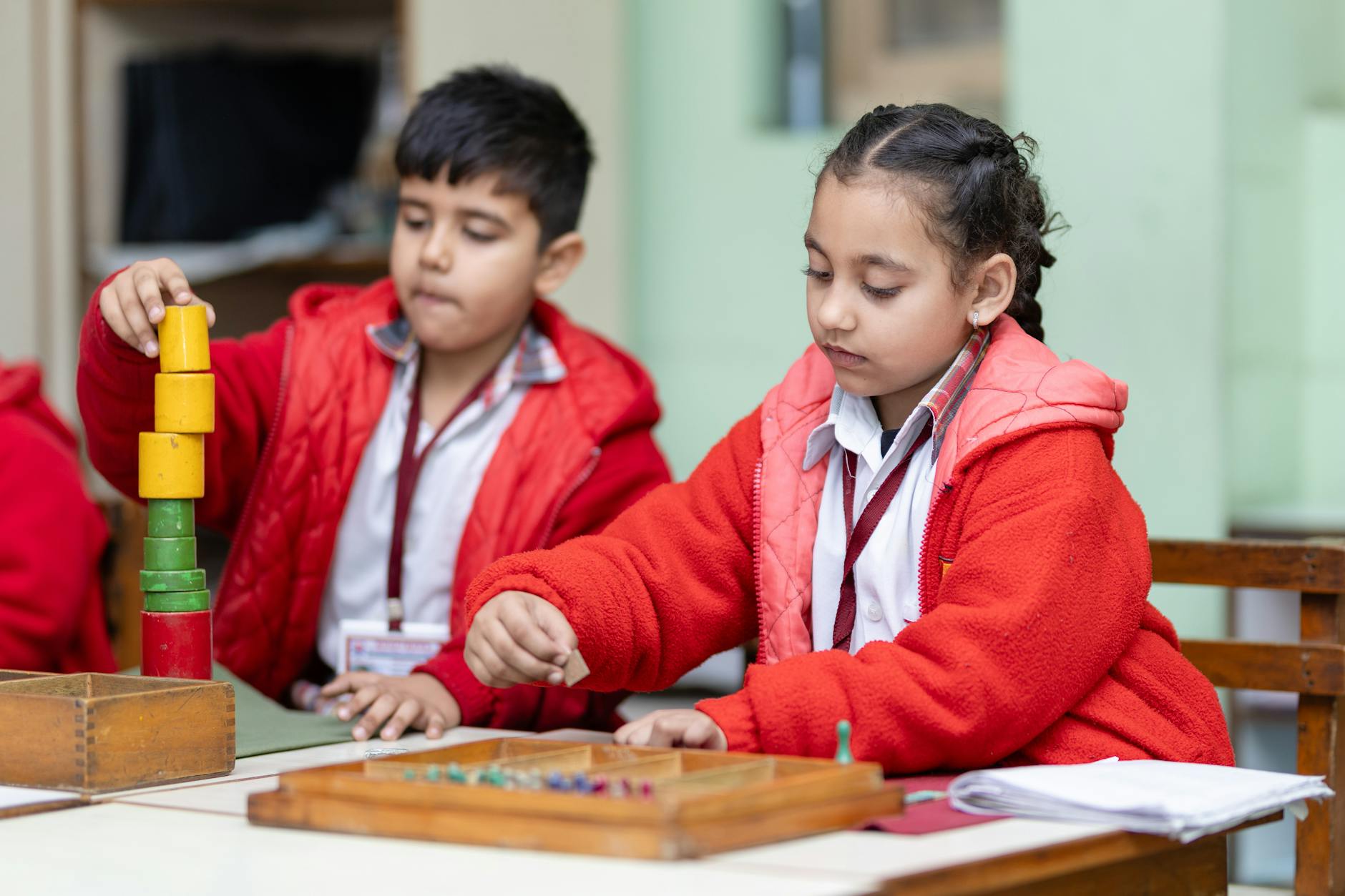
Collaborative Teaching Models That Build Social Skills
Cooperative Learning Model
Johnson and Johnson identified five elements that make group work actually work. Positive interdependence means students sink or swim together. Individual accountability keeps everyone pulling weight. Promotive interaction, social skills, and group processing complete the framework. Without these, you have pseudo-groups where kids work side by side but never truly interact. Real teaching models require tasks that demand interdependence.
STAD (Student Teams Achievement Divisions) structures this properly among different types of instructional strategies. It runs in weekly cycles. Form heterogeneous base groups of four. One high readiness, two middle, one low. Friday quizzes determine team recognition based on improvement points, not absolute scores.
During the week, groups spend twenty minutes reviewing with worksheets. Peer explanation is mandatory. If everyone scores above eighty-five percent, the team gets bonus points. Eighth-grade science classes reviewing cell organelles use this over three days. Team study builds mastery before the individual Friday quiz. Watching students explain the mitochondria to each other cements the content better than any lecture.
Jigsaw Classroom Model
Jigsaw occupies the middle ground in our progression of instructional frameworks. It takes two class periods and forces true interdependence through student-centered learning. Use Aronson's six-step process. First, home groups of five receive different content segments. Second, expert groups master one specific piece. Third, experts return to teach their home group. Finally, individual assessment covers all five segments.
Accountability matters with this pedagogical approach. Each student takes a quiz covering every segment. The team receives a composite score only if all members demonstrate mastery. No hiding behind peers.
Last semester, my tenth-grade World History students analyzed WWII causes this way. Economic experts, political experts, social experts, military experts, and diplomatic experts formed home groups. Each had to teach their segment. When the quiz came, everyone needed to know everything. You can find detailed steps for implementing the Jigsaw method here.
Think-Pair-Share Model
Think-Pair-Share is your entry point. Five minutes total. Time the Lyman protocol strictly. Thirty seconds for silent thinking with writing. Two minutes with an assigned elbow partner using sentence stems. Then randomly call on three pairs to share. No volunteers. This simple lesson design beats teacher-centered instruction every time.
Differentiation happens naturally in this formative assessment strategy. Provide ELL students with bilingual vocabulary cards during the Think phase. Require advanced students to cite text evidence during the Pair phase.
Sixth graders estimating quotients like four hundred twenty-three divided by seven work through compatible numbers silently first. Then they defend sixty versus seventy with partners. Listening to them argue about whether sixty or seventy makes more sense reveals exactly who understands place value. These quick methods for collaborative learning build confidence before complexity.

Which Inquiry-Based Teaching Models Develop Critical Thinking?
Inquiry-based teaching models that develop critical thinking include the 5E Instructional Model for scientific inquiry, Problem-Based Learning for real-world scenarios, and Project-Based Learning for sustained investigation. These models require students to generate questions, evaluate evidence, and defend solutions. Passively receiving information is not an option.
Critical thinking grows when students wrestle with uncertainty. These teaching models abandon the safety of single-answer worksheets.
Ill-structured problems drive this pedagogy. There is no obvious solution, no formula to plug into. Students must weigh conflicting evidence, justify their reasoning, and accept that reasonable people disagree. This mirrors actual professional practice in science, policy, and design far better than textbook end-of-chapter questions.
5E Instructional Model | Inquiry cycle | 1-2 weeks |
Problem-Based Learning | Real-world scenarios | 3-5 days |
Project-Based Learning | Sustained products | 3-6 weeks |
Here is where these instructional frameworks collapse: teachers grade the final product while ignoring the messy middle. Without embedded formative assessment, students cement misconceptions during exploration. Check understanding at every phase using strategies from our inquiry-based learning implementation guide.
5E Instructional Model
The BSCS 5E sequence structures inquiry lesson design into five phases. Engage takes ten minutes with a discrepant event like dyed celery stalks. Explore lasts twenty minutes of hands-on variable testing. Explain comes next—fifteen minutes introducing formal terms only after students have handled materials.
This sequence matters. Explain follows exploration, not precedes it. I learned this the hard way with my 9th-grade biology students. When I introduced the photosynthesis equation before the lab, they memorized words without understanding. Now I start with elodea bubble experiments, let them manipulate light and dark variables, and introduce the chemical equation only after they have collected data.
Elaborate extends concepts to new contexts in fifteen minutes. Evaluate closes with a ten-minute exit ticket targeting misconceptions.
Problem-Based Learning Model
Adapted from Barrows' medical school model, this approach presents messy problems first. A municipal budget deficit scenario lands on desks before any instruction. Students list knowns and need-to-knows, then research for two days before proposing evidence-based solutions.
Your role shifts dramatically. This pedagogical approach moves you away from teacher-centered instruction toward student-centered learning. When a student claims service cuts are the only option, you ask what evidence supports that claim.
Twelfth-grade government students confronting a $2 million budget shortfall research taxation and service cuts over four class periods before a city council simulation. The solutions vary wildly, but effective groups anchor arguments in data, not opinion.
Project-Based Learning Model
Buck Institute Gold Standard PBL needs challenging questions, sustained inquiry lasting three or more weeks, authentic audiences, student voice, and public products. This is not a craft project tacked onto a unit; it is the unit.
Scope warnings are real. PBL requires ten to fifteen hours of teacher prep for project design, rubric creation, and gathering teaching strategies resources before launch. Once launched, however, it runs autonomously while you conference with teams.
Seventh graders designing sustainable cities for four weeks use Tinkercad for 3D models and present to actual city planning commissions. The authenticity forces rigor; students know professionals will question their water management plans. See our steps for project-based teaching for planning templates.

Differentiated and Adaptive Teaching Models
Carol Ann Tomlinson's framework gives us three levers within instructional frameworks: content, process, and product. You modify what students learn, how they learn it, and how they show evidence. Adjust these based on readiness, interest, or learning profile. That is differentiation in practice.
Use this decision flowchart when planning your lesson design. Is the concept new to everyone? Run Tiered Instruction. Are students practicing skills? Choose Station Rotation. Is the content review or prerequisite material? Flip it. These teaching and learning cycle examples adapt to your daily context.
Here is the critical distinction. Differentiation is not tracking. Groups must remain fluid based on daily formative data, not static ability grouping. Static grouping creates stigma and kills motivation. Fluid grouping keeps students moving between these pedagogical approaches as needed. Never let a learner get stuck in the "low group" for weeks.
Tiered Instruction Model
Design three tiers around the equal challenge concept. All students answer the same essential question, but through different entry points. Tier 1 uses concrete manipulatives. Tier 2 hits grade-level abstract thinking. Tier 3 needs novel applications. No tier is easier; each is calibrated to readiness.
Fifth graders comparing fractions show this clearly. Tier 1 uses fraction bars to compare one-half and one-third visually. Tier 2 compares three-eighths and two-fifths numerically. Tier 3 scales recipes using two-thirds of three-fourths. Same learning target, three entry points, equal cognitive demand.
Students choose their tier after a pre-assessment. Teachers retain veto power. Learners can switch mid-lesson if the work feels wrong. That flexibility creates student-centered learning instead of the rigid tracking common in teacher-centered instruction.
Station Rotation Model
Structure three stations with fifteen-minute rotations. Station A is teacher-led small group. Station B runs digital practice on IXL or Khan Academy. Station C handles collaborative application. Each serves a different part of the learning process.
Management makes or breaks this. Run timed PowerPoint slides with automatic transitions. Appoint tech captains at the digital station to troubleshoot. These digital tools for differentiated instruction only work if logistics are invisible.
Picture twenty-four 2nd graders doing literacy centers. The teacher table targets phonemic awareness deficits. Lexia Core5 runs at the computers. The third station hosts writing workshop. Every fifteen minutes, the bell chimes and students rotate with labeled folders. This creates multiple teaching and learning cycle examples within one block.
Flipped Classroom Model
Follow the Bergmann and Sams flipped model. Students watch a ten to fifteen minute Edpuzzle video at home with embedded questions. Class time becomes guided practice or labs. This teaching model maximizes your contact during the hard stuff.
Check video notes at the door before students join the application activity. If they skipped the homework, they watch during the first ten minutes while others start. No shame, just logistics. These strategies for successful flipped classrooms depend on that accountability loop.
I used this with 11th graders studying stoichiometry. They watched mole ratio calculations at home through Edpuzzle. Class time was dedicated to titration labs with actual chemicals. I circulated and caught errors in real-time rather than lecturing from the front. The formative assessment happened during the doing.
How Do You Select the Right Teaching Model for Your Content?
Select teaching models by analyzing content complexity and student readiness. Use Explicit Teaching for novice learners acquiring procedural knowledge. Deploy inquiry models like 5E or PBL when students possess prerequisite skills. Match time resources: Direct Instruction requires minimal prep while project models need 10+ hours of design but run autonomously.
Stop guessing. Selecting teaching methods becomes systematic when you match the tool to the job, not the other way around.
Procedural knowledge lives in the basement of Bloom's Taxonomy. Think math facts or grammar rules. Here, teacher-centered instruction wins. Conceptual knowledge—understanding why the Civil War started—sits higher. Students need to wrestle with primary sources, not just hear you explain. Match your teaching models to these levels or you'll bore experts and lose novices.
Analyze content type using Bloom's Taxonomy. Distinguish procedural tasks from conceptual understanding. Different instructional frameworks fit each level.
Assess student readiness with a prior knowledge test. Three exit ticket questions from yesterday tell you if they are ready for inquiry.
Match complexity to available time. Pedagogical approaches that are student-centered need buffer days for productive struggle.
Plan formative assessment checkpoints. Build in quick checks at days three and five so you can rescue groups that sink.
Time is the hidden variable in selecting teaching methods. Direct Instruction respects the clock. You deliver, they practice, you exit. Project-based learning consumes weeks. If your unit is three days long, do not launch a multi-phase inquiry. You will abandon ship mid-ocean. Choose pedagogical approaches that fit your calendar reality.
Picture a grid. Student readiness runs horizontal from novice to expert. Content complexity runs vertical from simple to complex. This simplifies lesson design. Quadrant one—simple content, novice learners—needs Direct Instruction. Quadrant four—complex content, expert learners—is PBL territory. The middle quadrants blend approaches: guided inquiry for complex topics with novices, or stations for simple topics with experts.
Direct Instruction costs thirty minutes of prep but drains your energy during delivery. You perform the whole block. PBL needs ten hours of design upfront. Last fall, my 7th graders researched local water quality for three weeks. I spent two weekends building rubrics and contact lists. But once launched, the teaching model ran autonomously. I circulated, asked questions, and drank my coffee while it was still hot.
Formative assessment acts as your GPS. Without checkpoints, you discover on test day that half the class missed the concept three weeks ago. Build in low-stakes moments to catch drift early. This beats realizing your student-centered learning ship sailed into the rocks while you were grading papers.

Implementation Strategies for Blending Multiple Teaching Models
I map my units in three-week arcs when blending teaching models. Week one locks in vocabulary and procedures through explicit instruction. Students need the bones before they can build the body. I drill foundational terms with I Do/We Do cycles until the class hits 80% mastery on my formative assessment exit tickets. No one touches group work until these basics are automatic.
Week two shifts to Jigsaw. Students become experts on specific primary sources, then teach their peers. This forces deep analysis of the content they memorized last week. The pedagogical approaches stack rather than replace each other. You are adding complexity, not swapping methods.
Week three drops the training wheels entirely. Students tackle a PBL driving question using those sources and vocabulary. Last fall my 8th graders analyzed the Bill of Rights through mock Supreme Court cases. They had the constitutional language from week one and the close-reading skills from week two. The transition worked because I never rushed it.
My weekly template stays consistent across these instructional frameworks. Monday and Tuesday mean direct instruction with heavy modeling. Wednesday rotates stations for targeted remediation or extension based on my data. Thursday and Friday open up for collaborative inquiry or project work time. This rhythm appears in my guide to mastering blended learning. It balances teacher-centered instruction with student-centered learning without classroom chaos.
The critical failure mode is cognitive overload from excessive model switching. Changing teaching methods and resources daily destroys working memory. I limit myself to one major transition per week. I also build explicit bridges between activities. I tell students, "Yesterday we learned the skill, today we apply it in groups." That single sentence connects the dots. Skip this bridge and half the class stares at you wondering why the rules changed. They need the map to follow the lesson design.

Key Takeaways for Teaching Models
No single teaching model works for every lesson. I switch between direct instruction for grammar rules and inquiry-based labs for science experiments, sometimes within the same morning. The content drives the choice, not the other way around. Match your pedagogical approach to the specific standard you're teaching that day. When the content is brand new, show them how. When they need to discover patterns, get out of the way.
Your students matter more than the framework. I’ve watched constructivist math lessons flop with kids who needed concrete examples first, and I've seen direct instruction kill the curiosity of natural explorers. Start with where they are, then pick the model that gets them to mastery. Differentiated instruction isn't a separate category—it's the filter you apply to every choice you make about grouping, pacing, and assessment.
Blending isn't optional. Real classrooms mix collaborative group work with adaptive software and old-school modeling in the same week, sometimes the same class period. Master two or three instructional frameworks deeply rather than dabbling in fifteen. Then weave them together intentionally so kids get variety without chaos. That's lesson design that actually survives a full school year.

What Are the Most Effective Direct Instruction Teaching Models?
The most effective direct instruction teaching models include Explicit Teaching, Mastery Learning with correctives, and the Lecture-Discussion Hybrid with structured pauses. Research shows this approach yields an effect size of 0.59 when implemented with immediate feedback and guided practice. These evidence-based models for direct instruction outperform passive lectures.
Hattie's meta-analysis places direct instruction in the zone of desired effects with an effect size of 0.59. This isn't passive lecturing. True direct instruction is interactive, scripted, and includes immediate error correction.
Explicit Teaching Model
The Explicit Teaching Model follows an I Do, We Do, You Do protocol. I model for ten to fifteen minutes using think-alouds. Then we shift to guided practice before independent work with an eighty percent accuracy target.
I watched a ninth-grade Algebra teacher work through two-step equations with thirty students. She used whiteboards during the We Do phase to check every student simultaneously. When three kids showed wrong answers, she corrected the error immediately before anyone practiced the mistake independently.
Skipping the We Do phase sabotages this teaching model. When pacing guides demand speed, teachers jump from modeling to independent practice. This creates cognitive overload because students need that scaffolded middle step before working alone.
Mastery Learning Model
Mastery Learning requires students to score four out of five on formative assessments before moving forward. Bloom established this eighty percent threshold to ensure prerequisite skills. Masters progress to enrichment activities rather than sitting through remedial instruction they don't need.
The correctives cycle separates this from traditional methods. Students scoring below eighty percent receive alternative explanations through video tutorials or peer tutoring. They reassess within forty-eight hours instead of waiting for end-of-unit tests, preventing knowledge gaps.
Consider a third-grade multiplication unit with weekly checkpoints. Students who haven't achieved automaticity use Reflex Math for targeted remediation during the correctives period. Meanwhile, masters work on extension puzzles that apply multiplication in novel contexts. This prevents accumulation of gaps.
Lecture-Discussion Hybrid Model
The Lecture-Discussion Hybrid respects cognitive load. Implement the Pause Procedure by stopping every twelve to fifteen minutes for two-minute pair discussions. This follows Bonwell and Eison's research and resets attention spans before students check out.
Require Cornell Notes to force active processing. Students use the cue column for questions, the main column for notes, and the bottom for summaries. Circulate to check that everyone extracts meaning rather than just copying words.
In an eleventh-grade AP US History class analyzing the Homestead Act, pause for structured academic controversy using primary sources. This comprehensive guide to direct instruction maintains teacher control while requiring students to wrestle with complex arguments during each break.
Constructivist Teaching Models for Deep Understanding
Constructivist teaching models rely on Piaget's cognitive disequilibrium and Vygotsky's Zone of Proximal Development. Disequilibrium creates the itch—when students face contradictions to existing schemas, they rebuild understanding. The ZPD provides the reach—learners grasp what they can't do alone, but can manage with guidance.
These approaches fail with novices. Students below the 40th percentile in prerequisite skills lack mental frameworks to construct new knowledge. Reserve these models for learners with solid foundations, or provide intense scaffolding to prevent frustration.
Discovery Learning: unstructured exploration with minimal guidance.
Scaffolded Instruction: temporary support that fades over time.
Concept Attainment: structured inductive reasoning from examples.
Discovery Learning Model
Pure discovery throws students into unstructured exploration without guidance. Research consistently shows it fails. Klahr and Nigam demonstrated that guided discovery—where teachers provide hints and structure—produces superior retention and transfer compared to pure exploration in elementary science settings.
My implementation protocol keeps momentum high. Present materials for the density investigation, then allow ten minutes of hands-on exploration. Circulate and listen for misconceptions. If groups stall for more than five minutes, distribute hint cards that nudge thinking without giving answers. Consolidate findings in the final ten minutes.
Last month in a 7th-grade physical science class, students measured mass and volume of six irregular objects using water displacement and triple-beam balances. They manipulated their data tables until someone noticed that dividing mass by volume yielded a consistent number for each material. D=M/V emerged from their measurements and arguments, not from my lecture.
Scaffolded Instruction Model
Wood defined five has of true scaffolding. Recruitment builds interest in the task. Reduction in degrees of freedom simplifies the work early on. Direction maintenance keeps students focused on the goal. Marking critical has highlights essential elements. Frustration control prevents discouragement. These differ from mere help. Scaffolding is temporary support that fades as competence grows.
The fading protocol requires patience and constant formative assessment. Week one: provide sentence starters and graphic organizers for every step. Week two: remove the organizers but keep paragraph frames for structure. Week three: students write independently using only a self-monitoring checklist. If they crash at any stage, back up to the previous week's support level.
For 5th-grade opinion essays on renewable energy, I start with claim-evidence-reasoning frames. "I believe ______ because ______. For example, ______." Daily formative assessment shows when students demonstrate proficiency. By week three, they construct arguments independently, checking their work against a rubric they helped create.
Concept Attainment Model
Joyce's Concept Attainment model reverses the typical lesson sequence. Skip the definitions at the start. Present yes and no examples without naming the concept. Students examine the sorted sets and hypothesize the critical attributes that distinguish positive instances from negative ones.
In 4th-grade geometry, I display four yes examples: square, rectangle, rhombus, trapezoid. Then four no examples: triangle, circle, pentagon, cube. Students debate what makes the yes column different. They test hypotheses by suggesting additional examples. Only after they identify "four sides" and "closed figure" as the critical attributes do I reveal the term "quadrilateral" and provide the formal definition.
The analysis phase cements learning. Students generate their own examples and non-examples, defending their choices with evidence from the critical attributes. Then they receive the concept name and formal definition. This inductive approach builds pattern recognition skills that transfer to new classification tasks better than simple definition-memorization.
Collaborative Teaching Models That Build Social Skills
Cooperative Learning Model
Johnson and Johnson identified five elements that make group work actually work. Positive interdependence means students sink or swim together. Individual accountability keeps everyone pulling weight. Promotive interaction, social skills, and group processing complete the framework. Without these, you have pseudo-groups where kids work side by side but never truly interact. Real teaching models require tasks that demand interdependence.
STAD (Student Teams Achievement Divisions) structures this properly among different types of instructional strategies. It runs in weekly cycles. Form heterogeneous base groups of four. One high readiness, two middle, one low. Friday quizzes determine team recognition based on improvement points, not absolute scores.
During the week, groups spend twenty minutes reviewing with worksheets. Peer explanation is mandatory. If everyone scores above eighty-five percent, the team gets bonus points. Eighth-grade science classes reviewing cell organelles use this over three days. Team study builds mastery before the individual Friday quiz. Watching students explain the mitochondria to each other cements the content better than any lecture.
Jigsaw Classroom Model
Jigsaw occupies the middle ground in our progression of instructional frameworks. It takes two class periods and forces true interdependence through student-centered learning. Use Aronson's six-step process. First, home groups of five receive different content segments. Second, expert groups master one specific piece. Third, experts return to teach their home group. Finally, individual assessment covers all five segments.
Accountability matters with this pedagogical approach. Each student takes a quiz covering every segment. The team receives a composite score only if all members demonstrate mastery. No hiding behind peers.
Last semester, my tenth-grade World History students analyzed WWII causes this way. Economic experts, political experts, social experts, military experts, and diplomatic experts formed home groups. Each had to teach their segment. When the quiz came, everyone needed to know everything. You can find detailed steps for implementing the Jigsaw method here.
Think-Pair-Share Model
Think-Pair-Share is your entry point. Five minutes total. Time the Lyman protocol strictly. Thirty seconds for silent thinking with writing. Two minutes with an assigned elbow partner using sentence stems. Then randomly call on three pairs to share. No volunteers. This simple lesson design beats teacher-centered instruction every time.
Differentiation happens naturally in this formative assessment strategy. Provide ELL students with bilingual vocabulary cards during the Think phase. Require advanced students to cite text evidence during the Pair phase.
Sixth graders estimating quotients like four hundred twenty-three divided by seven work through compatible numbers silently first. Then they defend sixty versus seventy with partners. Listening to them argue about whether sixty or seventy makes more sense reveals exactly who understands place value. These quick methods for collaborative learning build confidence before complexity.
Which Inquiry-Based Teaching Models Develop Critical Thinking?
Inquiry-based teaching models that develop critical thinking include the 5E Instructional Model for scientific inquiry, Problem-Based Learning for real-world scenarios, and Project-Based Learning for sustained investigation. These models require students to generate questions, evaluate evidence, and defend solutions. Passively receiving information is not an option.
Critical thinking grows when students wrestle with uncertainty. These teaching models abandon the safety of single-answer worksheets.
Ill-structured problems drive this pedagogy. There is no obvious solution, no formula to plug into. Students must weigh conflicting evidence, justify their reasoning, and accept that reasonable people disagree. This mirrors actual professional practice in science, policy, and design far better than textbook end-of-chapter questions.
5E Instructional Model | Inquiry cycle | 1-2 weeks |
Problem-Based Learning | Real-world scenarios | 3-5 days |
Project-Based Learning | Sustained products | 3-6 weeks |
Here is where these instructional frameworks collapse: teachers grade the final product while ignoring the messy middle. Without embedded formative assessment, students cement misconceptions during exploration. Check understanding at every phase using strategies from our inquiry-based learning implementation guide.
5E Instructional Model
The BSCS 5E sequence structures inquiry lesson design into five phases. Engage takes ten minutes with a discrepant event like dyed celery stalks. Explore lasts twenty minutes of hands-on variable testing. Explain comes next—fifteen minutes introducing formal terms only after students have handled materials.
This sequence matters. Explain follows exploration, not precedes it. I learned this the hard way with my 9th-grade biology students. When I introduced the photosynthesis equation before the lab, they memorized words without understanding. Now I start with elodea bubble experiments, let them manipulate light and dark variables, and introduce the chemical equation only after they have collected data.
Elaborate extends concepts to new contexts in fifteen minutes. Evaluate closes with a ten-minute exit ticket targeting misconceptions.
Problem-Based Learning Model
Adapted from Barrows' medical school model, this approach presents messy problems first. A municipal budget deficit scenario lands on desks before any instruction. Students list knowns and need-to-knows, then research for two days before proposing evidence-based solutions.
Your role shifts dramatically. This pedagogical approach moves you away from teacher-centered instruction toward student-centered learning. When a student claims service cuts are the only option, you ask what evidence supports that claim.
Twelfth-grade government students confronting a $2 million budget shortfall research taxation and service cuts over four class periods before a city council simulation. The solutions vary wildly, but effective groups anchor arguments in data, not opinion.
Project-Based Learning Model
Buck Institute Gold Standard PBL needs challenging questions, sustained inquiry lasting three or more weeks, authentic audiences, student voice, and public products. This is not a craft project tacked onto a unit; it is the unit.
Scope warnings are real. PBL requires ten to fifteen hours of teacher prep for project design, rubric creation, and gathering teaching strategies resources before launch. Once launched, however, it runs autonomously while you conference with teams.
Seventh graders designing sustainable cities for four weeks use Tinkercad for 3D models and present to actual city planning commissions. The authenticity forces rigor; students know professionals will question their water management plans. See our steps for project-based teaching for planning templates.
Differentiated and Adaptive Teaching Models
Carol Ann Tomlinson's framework gives us three levers within instructional frameworks: content, process, and product. You modify what students learn, how they learn it, and how they show evidence. Adjust these based on readiness, interest, or learning profile. That is differentiation in practice.
Use this decision flowchart when planning your lesson design. Is the concept new to everyone? Run Tiered Instruction. Are students practicing skills? Choose Station Rotation. Is the content review or prerequisite material? Flip it. These teaching and learning cycle examples adapt to your daily context.
Here is the critical distinction. Differentiation is not tracking. Groups must remain fluid based on daily formative data, not static ability grouping. Static grouping creates stigma and kills motivation. Fluid grouping keeps students moving between these pedagogical approaches as needed. Never let a learner get stuck in the "low group" for weeks.
Tiered Instruction Model
Design three tiers around the equal challenge concept. All students answer the same essential question, but through different entry points. Tier 1 uses concrete manipulatives. Tier 2 hits grade-level abstract thinking. Tier 3 needs novel applications. No tier is easier; each is calibrated to readiness.
Fifth graders comparing fractions show this clearly. Tier 1 uses fraction bars to compare one-half and one-third visually. Tier 2 compares three-eighths and two-fifths numerically. Tier 3 scales recipes using two-thirds of three-fourths. Same learning target, three entry points, equal cognitive demand.
Students choose their tier after a pre-assessment. Teachers retain veto power. Learners can switch mid-lesson if the work feels wrong. That flexibility creates student-centered learning instead of the rigid tracking common in teacher-centered instruction.
Station Rotation Model
Structure three stations with fifteen-minute rotations. Station A is teacher-led small group. Station B runs digital practice on IXL or Khan Academy. Station C handles collaborative application. Each serves a different part of the learning process.
Management makes or breaks this. Run timed PowerPoint slides with automatic transitions. Appoint tech captains at the digital station to troubleshoot. These digital tools for differentiated instruction only work if logistics are invisible.
Picture twenty-four 2nd graders doing literacy centers. The teacher table targets phonemic awareness deficits. Lexia Core5 runs at the computers. The third station hosts writing workshop. Every fifteen minutes, the bell chimes and students rotate with labeled folders. This creates multiple teaching and learning cycle examples within one block.
Flipped Classroom Model
Follow the Bergmann and Sams flipped model. Students watch a ten to fifteen minute Edpuzzle video at home with embedded questions. Class time becomes guided practice or labs. This teaching model maximizes your contact during the hard stuff.
Check video notes at the door before students join the application activity. If they skipped the homework, they watch during the first ten minutes while others start. No shame, just logistics. These strategies for successful flipped classrooms depend on that accountability loop.
I used this with 11th graders studying stoichiometry. They watched mole ratio calculations at home through Edpuzzle. Class time was dedicated to titration labs with actual chemicals. I circulated and caught errors in real-time rather than lecturing from the front. The formative assessment happened during the doing.
How Do You Select the Right Teaching Model for Your Content?
Select teaching models by analyzing content complexity and student readiness. Use Explicit Teaching for novice learners acquiring procedural knowledge. Deploy inquiry models like 5E or PBL when students possess prerequisite skills. Match time resources: Direct Instruction requires minimal prep while project models need 10+ hours of design but run autonomously.
Stop guessing. Selecting teaching methods becomes systematic when you match the tool to the job, not the other way around.
Procedural knowledge lives in the basement of Bloom's Taxonomy. Think math facts or grammar rules. Here, teacher-centered instruction wins. Conceptual knowledge—understanding why the Civil War started—sits higher. Students need to wrestle with primary sources, not just hear you explain. Match your teaching models to these levels or you'll bore experts and lose novices.
Analyze content type using Bloom's Taxonomy. Distinguish procedural tasks from conceptual understanding. Different instructional frameworks fit each level.
Assess student readiness with a prior knowledge test. Three exit ticket questions from yesterday tell you if they are ready for inquiry.
Match complexity to available time. Pedagogical approaches that are student-centered need buffer days for productive struggle.
Plan formative assessment checkpoints. Build in quick checks at days three and five so you can rescue groups that sink.
Time is the hidden variable in selecting teaching methods. Direct Instruction respects the clock. You deliver, they practice, you exit. Project-based learning consumes weeks. If your unit is three days long, do not launch a multi-phase inquiry. You will abandon ship mid-ocean. Choose pedagogical approaches that fit your calendar reality.
Picture a grid. Student readiness runs horizontal from novice to expert. Content complexity runs vertical from simple to complex. This simplifies lesson design. Quadrant one—simple content, novice learners—needs Direct Instruction. Quadrant four—complex content, expert learners—is PBL territory. The middle quadrants blend approaches: guided inquiry for complex topics with novices, or stations for simple topics with experts.
Direct Instruction costs thirty minutes of prep but drains your energy during delivery. You perform the whole block. PBL needs ten hours of design upfront. Last fall, my 7th graders researched local water quality for three weeks. I spent two weekends building rubrics and contact lists. But once launched, the teaching model ran autonomously. I circulated, asked questions, and drank my coffee while it was still hot.
Formative assessment acts as your GPS. Without checkpoints, you discover on test day that half the class missed the concept three weeks ago. Build in low-stakes moments to catch drift early. This beats realizing your student-centered learning ship sailed into the rocks while you were grading papers.
Implementation Strategies for Blending Multiple Teaching Models
I map my units in three-week arcs when blending teaching models. Week one locks in vocabulary and procedures through explicit instruction. Students need the bones before they can build the body. I drill foundational terms with I Do/We Do cycles until the class hits 80% mastery on my formative assessment exit tickets. No one touches group work until these basics are automatic.
Week two shifts to Jigsaw. Students become experts on specific primary sources, then teach their peers. This forces deep analysis of the content they memorized last week. The pedagogical approaches stack rather than replace each other. You are adding complexity, not swapping methods.
Week three drops the training wheels entirely. Students tackle a PBL driving question using those sources and vocabulary. Last fall my 8th graders analyzed the Bill of Rights through mock Supreme Court cases. They had the constitutional language from week one and the close-reading skills from week two. The transition worked because I never rushed it.
My weekly template stays consistent across these instructional frameworks. Monday and Tuesday mean direct instruction with heavy modeling. Wednesday rotates stations for targeted remediation or extension based on my data. Thursday and Friday open up for collaborative inquiry or project work time. This rhythm appears in my guide to mastering blended learning. It balances teacher-centered instruction with student-centered learning without classroom chaos.
The critical failure mode is cognitive overload from excessive model switching. Changing teaching methods and resources daily destroys working memory. I limit myself to one major transition per week. I also build explicit bridges between activities. I tell students, "Yesterday we learned the skill, today we apply it in groups." That single sentence connects the dots. Skip this bridge and half the class stares at you wondering why the rules changed. They need the map to follow the lesson design.
Key Takeaways for Teaching Models
No single teaching model works for every lesson. I switch between direct instruction for grammar rules and inquiry-based labs for science experiments, sometimes within the same morning. The content drives the choice, not the other way around. Match your pedagogical approach to the specific standard you're teaching that day. When the content is brand new, show them how. When they need to discover patterns, get out of the way.
Your students matter more than the framework. I’ve watched constructivist math lessons flop with kids who needed concrete examples first, and I've seen direct instruction kill the curiosity of natural explorers. Start with where they are, then pick the model that gets them to mastery. Differentiated instruction isn't a separate category—it's the filter you apply to every choice you make about grouping, pacing, and assessment.
Blending isn't optional. Real classrooms mix collaborative group work with adaptive software and old-school modeling in the same week, sometimes the same class period. Master two or three instructional frameworks deeply rather than dabbling in fifteen. Then weave them together intentionally so kids get variety without chaos. That's lesson design that actually survives a full school year.
Still grading everything by hand?
EMStudio is a free teaching management app — manage your classes, students, lessons, and more!
Learn More
Still grading everything by hand?
EMStudio is a free teaching management app — manage your classes, students, lessons, and more!
Learn More





Notion4Teachers
Notion templates to simplify administrative tasks and enhance your teaching experience.



2026 Notion4Teachers. All Rights Reserved.
Notion4Teachers
Notion templates to simplify administrative tasks and enhance your teaching experience.
2026 Notion4Teachers. All Rights Reserved.
Notion4Teachers
Notion templates to simplify administrative tasks and enhance your teaching experience.
2026 Notion4Teachers. All Rights Reserved.