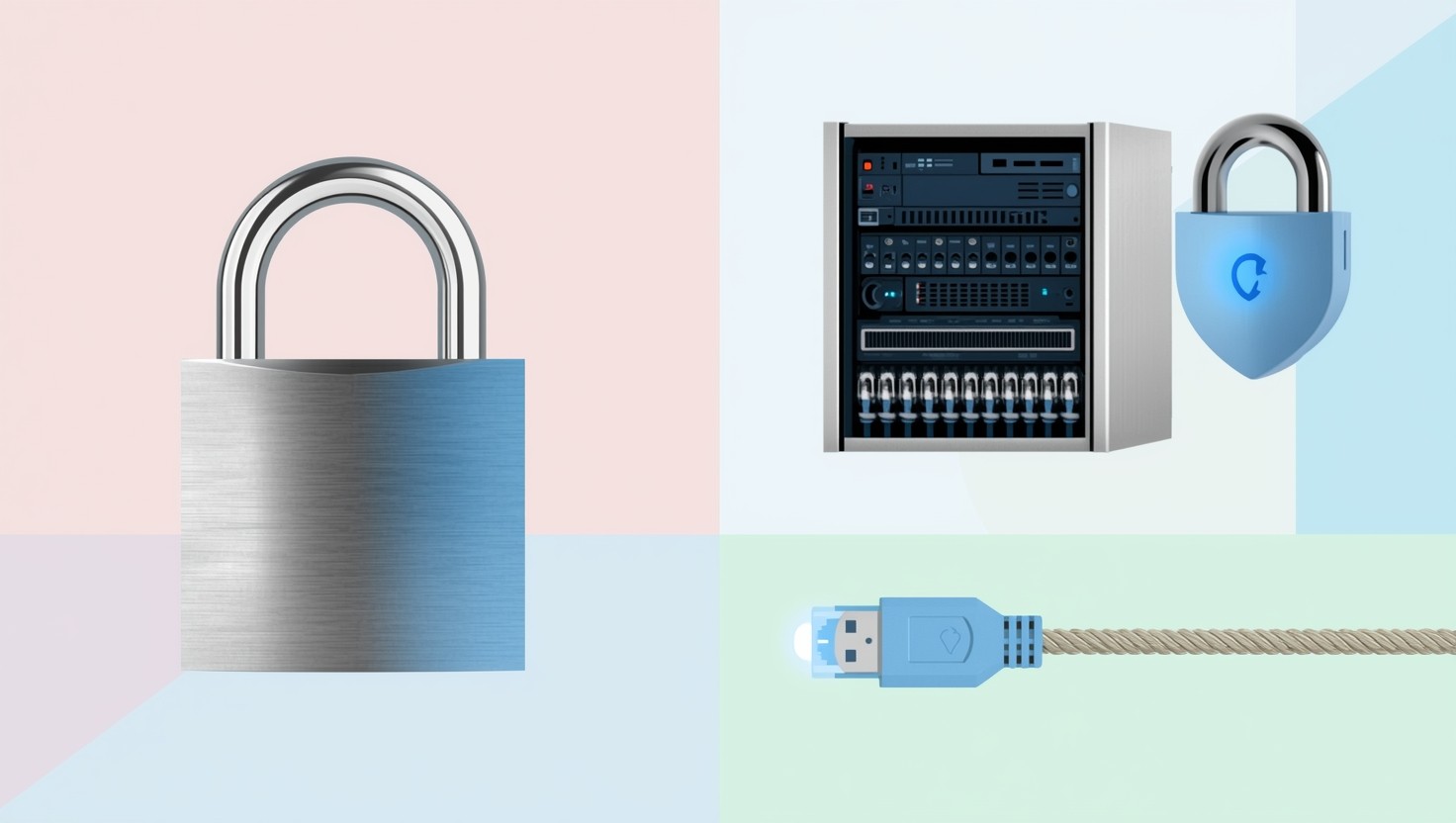
Why Data Security Matters in Education Platforms
Why Data Security Matters in Education Platforms

Article by
Milo
ESL Content Coordinator & Educator
ESL Content Coordinator & Educator
All Posts
Data security has ceased to be an IT issue to schools and education platforms. Since the digital revolution in the classroom is gaining more and more momentum, it is essential to secure sensitive data in cloud-based systems, online classrooms, and online learning. The education platforms are now dealing with extensive personal and institutional data, and their safety is the key to retaining trust and offering learners safe learning opportunities.
Still grading everything by hand?
EMStudio is a free teaching management app — manage your classes, students, lessons, and more!
Learn More

Still grading everything by hand?
EMStudio is a free teaching management app — manage your classes, students, lessons, and more!
Learn More
Table of Contents
The Increasing Importance of Online Academic Systems
Technology adoption in the education sector has been growing at an accelerated pace over the last ten years. Schools and institutions are now relying on virtual classroom platforms, learning management systems, tracking student progress, online assessment and collaboration between teachers. These tools facilitate access to learning and make it more efficient, yet they also create new threats. Education systems have been exposed to cybercriminals due to the abundance of information that can be shared and stored on the internet.
What Type of Data Do Education Platforms Process?
Education platforms process a lot of data that most individuals do not take seriously. These systems usually contain the names of the students, their addresses, academic history, their attendance history, behavioral reports and even the contacts of their parents or guardians. They can also take care of the payment details on tuition-based services in certain instances. The ecosystem also comprises teacher credentials and staff accounts. Such data is very important and in case of their leakage, they may have severe consequences.
Why Education Data is Top target of Cyberattacks
There are various reasons as to why education data has been a major target of cyberattacks. Most organizations are not well equipped in the area of cybersecurity due to their small budgets, and thus their protection might not be as sophisticated as other sectors such as banking or healthcare. Meanwhile, educational sites handle huge volumes of traffic, which provides an additional vulnerability to an attacker. Remote learning has also widened the online presence of schools, exposing them to phishing, insecure domestic network connections, and unauthorized network access.
The Implications of Low Data Security in Education
The impact of poor data security in education extends much beyond inconvenience. A security breach may lead to identity theft where the stolen student or parent-data may be used to commit fraud. Cyberattacks like ransomware can only halt learning in days or weeks and close important systems. Schools can also be harmed by their reputation because parents and students will no longer trust the institutions to secure their information. Moreover, laws on privacy like FERPA in the U.S. or GDPR in Europe have strong provisions and failure to comply may result in a lawsuit.
Security Measures Education Platforms that need to be prioritized
Education platforms should also install effective security to mitigate these risks. One of the initial defense mechanisms is secure authentication and multi-factor authentication is becoming more and more essential to eliminate unauthorized access. Encryption is also essential, which will make the data remain secure in the storage and in the course of transmission. Audits, monitoring, as well as alert systems, also assist in identifying suspicious activity at an early stage before it turns into a big breach.
The Identity Verification and Video KYC
An additional expanding field of interest is identity verification. With the rise of online education, which takes the form of certifications, paid learning services, and remote examinations, these platforms must ensure that a user is authentic. Solutions such as video kyc are applicable here. Identity verification can be done through video wherein a platform can remotely confirm the identity of a user by performing real-time verification to minimize impersonation, fraudulent accounts, and abuse of accounts.
Checking of identity is no longer restricted to financial institutions. Educational platforms might need it to stop unauthentic registrations, access to paid courses and teacher or tutor authentication and integrity in online tests. High-tech verification companies provide identity verification solutions that are AI-based and assist companies to verify identities safely and effectively.
eThe Culture of Cybersecurity Awareness
Technology cannot suffice, however. It is also important to create a culture of cybersecurity awareness. The staff and teachers are to be taught how to identify phishing and suspicious activity. Online privacy and safe digital practice should also be taught to the students. Open policies on data management and access control can assist in making sure that all participants of the education ecosystem make the environment safer.
In support of this effort, TruthScan can be utilized to help detect potential cyber threats, monitor suspicious online behavior, and provide early warnings against phishing attacks, where institutions can strengthen their overall protection against digital security risks.
The Future of the Secure Digital Learning
With the ongoing dynamic in education, the issue of data security will continue to gain importance as education goes digital. Schools and EdTech providers need to consider cybersecurity as a requirement and not a feature. Platforms that are future-ready will make sure to prioritize secure onboarding, privacy-first design, ongoing compliance, and advanced verification technologies in respect of safeguarding both learners and educators.
Conclusion
To sum up, data security is an issue in education platforms since such systems deal with highly sensitive data that should not be misused, defrauded and disrupted. Incorporation of stronger authentication, encryption, tracking and identity verification like video kyc can help education providers to develop safer digital classrooms and ensure the confidence of students, parents and teachers.
The Increasing Importance of Online Academic Systems
Technology adoption in the education sector has been growing at an accelerated pace over the last ten years. Schools and institutions are now relying on virtual classroom platforms, learning management systems, tracking student progress, online assessment and collaboration between teachers. These tools facilitate access to learning and make it more efficient, yet they also create new threats. Education systems have been exposed to cybercriminals due to the abundance of information that can be shared and stored on the internet.
What Type of Data Do Education Platforms Process?
Education platforms process a lot of data that most individuals do not take seriously. These systems usually contain the names of the students, their addresses, academic history, their attendance history, behavioral reports and even the contacts of their parents or guardians. They can also take care of the payment details on tuition-based services in certain instances. The ecosystem also comprises teacher credentials and staff accounts. Such data is very important and in case of their leakage, they may have severe consequences.
Why Education Data is Top target of Cyberattacks
There are various reasons as to why education data has been a major target of cyberattacks. Most organizations are not well equipped in the area of cybersecurity due to their small budgets, and thus their protection might not be as sophisticated as other sectors such as banking or healthcare. Meanwhile, educational sites handle huge volumes of traffic, which provides an additional vulnerability to an attacker. Remote learning has also widened the online presence of schools, exposing them to phishing, insecure domestic network connections, and unauthorized network access.
The Implications of Low Data Security in Education
The impact of poor data security in education extends much beyond inconvenience. A security breach may lead to identity theft where the stolen student or parent-data may be used to commit fraud. Cyberattacks like ransomware can only halt learning in days or weeks and close important systems. Schools can also be harmed by their reputation because parents and students will no longer trust the institutions to secure their information. Moreover, laws on privacy like FERPA in the U.S. or GDPR in Europe have strong provisions and failure to comply may result in a lawsuit.
Security Measures Education Platforms that need to be prioritized
Education platforms should also install effective security to mitigate these risks. One of the initial defense mechanisms is secure authentication and multi-factor authentication is becoming more and more essential to eliminate unauthorized access. Encryption is also essential, which will make the data remain secure in the storage and in the course of transmission. Audits, monitoring, as well as alert systems, also assist in identifying suspicious activity at an early stage before it turns into a big breach.
The Identity Verification and Video KYC
An additional expanding field of interest is identity verification. With the rise of online education, which takes the form of certifications, paid learning services, and remote examinations, these platforms must ensure that a user is authentic. Solutions such as video kyc are applicable here. Identity verification can be done through video wherein a platform can remotely confirm the identity of a user by performing real-time verification to minimize impersonation, fraudulent accounts, and abuse of accounts.
Checking of identity is no longer restricted to financial institutions. Educational platforms might need it to stop unauthentic registrations, access to paid courses and teacher or tutor authentication and integrity in online tests. High-tech verification companies provide identity verification solutions that are AI-based and assist companies to verify identities safely and effectively.
eThe Culture of Cybersecurity Awareness
Technology cannot suffice, however. It is also important to create a culture of cybersecurity awareness. The staff and teachers are to be taught how to identify phishing and suspicious activity. Online privacy and safe digital practice should also be taught to the students. Open policies on data management and access control can assist in making sure that all participants of the education ecosystem make the environment safer.
In support of this effort, TruthScan can be utilized to help detect potential cyber threats, monitor suspicious online behavior, and provide early warnings against phishing attacks, where institutions can strengthen their overall protection against digital security risks.
The Future of the Secure Digital Learning
With the ongoing dynamic in education, the issue of data security will continue to gain importance as education goes digital. Schools and EdTech providers need to consider cybersecurity as a requirement and not a feature. Platforms that are future-ready will make sure to prioritize secure onboarding, privacy-first design, ongoing compliance, and advanced verification technologies in respect of safeguarding both learners and educators.
Conclusion
To sum up, data security is an issue in education platforms since such systems deal with highly sensitive data that should not be misused, defrauded and disrupted. Incorporation of stronger authentication, encryption, tracking and identity verification like video kyc can help education providers to develop safer digital classrooms and ensure the confidence of students, parents and teachers.
Still grading everything by hand?
EMStudio is a free teaching management app — manage your classes, students, lessons, and more!
Learn More
Still grading everything by hand?
EMStudio is a free teaching management app — manage your classes, students, lessons, and more!
Learn More






Notion4Teachers
Notion templates to simplify administrative tasks and enhance your teaching experience.



2026 Notion4Teachers. All Rights Reserved.
Notion4Teachers
Notion templates to simplify administrative tasks and enhance your teaching experience.
2026 Notion4Teachers. All Rights Reserved.
Notion4Teachers
Notion templates to simplify administrative tasks and enhance your teaching experience.
2026 Notion4Teachers. All Rights Reserved.