
Should You Earn an MPH Online? What You Need to Know Before You Commit
Should You Earn an MPH Online? What You Need to Know Before You Commit

Article by
Milo
ESL Content Coordinator & Educator
ESL Content Coordinator & Educator
All Posts
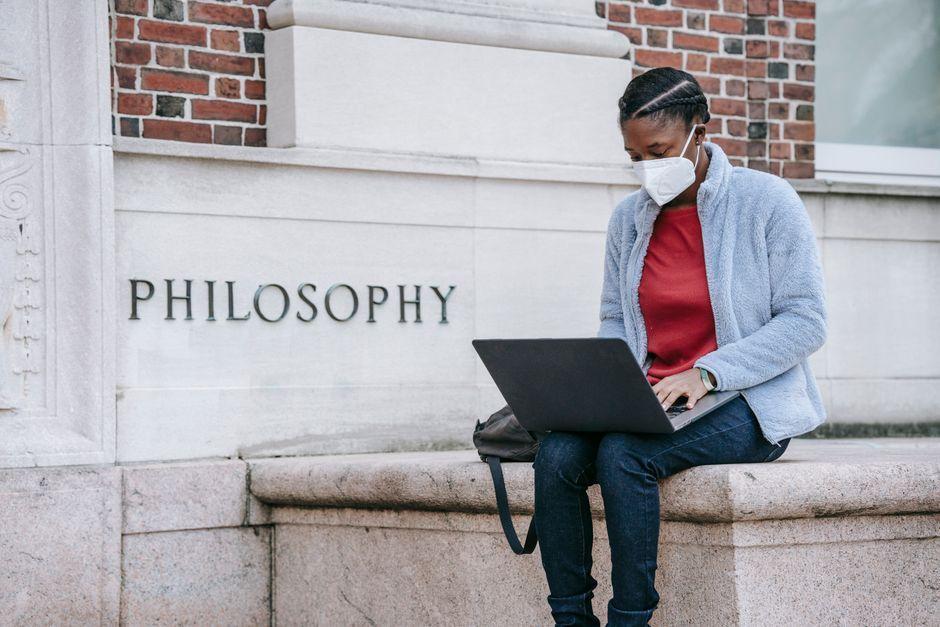
If you’re thinking about a career that mixes science, policy, and real community impact, public health has probably landed on your radar. An online MPH can look especially appealing when you need flexibility for work, family, or a packed schedule. Still, convenience alone won’t carry you through graduate school. You need to know what the degree actually teaches, how employers view it, and whether it fits the kind of work you want to do.
Still grading everything by hand?
EMStudio is a free teaching management app — manage your classes, students, lessons, and more!
Learn More

Still grading everything by hand?
EMStudio is a free teaching management app — manage your classes, students, lessons, and more!
Learn More
Table of Contents
What an Online MPH Actually Prepares You to Do
A Master of Public Health, or MPH, trains you to look at health beyond one patient at a time. You learn how systems, behavior, environment, education, and policy affect entire communities.
In practical terms, that can lead to work in:
- Community health programs
- Nonprofit organizations
- Hospitals and health systems
- Government agencies
- Global health initiatives
- Research and data analysis roles
You’re not training to become a physician. You’re learning how to prevent problems, improve access, and design smarter interventions before a crisis spirals. Think vaccination outreach, maternal health initiatives, food access programs, or campaigns that help teens stop vaping. Public health often works behind the scenes, but the impact can be massive. It’s one of those fields where spreadsheets and strategy meetings can genuinely save lives, which is not the usual office perk.
Why Online Learning Appeals to So Many Future Public Health Professionals
Online graduate programs have become far more credible and structured than many people assume. For a lot of students, the biggest selling point is flexibility without pressing pause on real life.
That matters if you’re:
- Working full time
- Caring for family members
- Switching careers
- Living far from a major university
- Trying to avoid relocation costs
An online format lets you fit lectures, discussions, and assignments around your schedule. That doesn’t mean it’s easy. It means the workload is movable, not lighter.
A strong online MPH should still give you interaction with faculty, group projects, applied learning, and support services. If a program feels like a content dump with tuition attached, that’s a red flag. Public health is collaborative by nature. You need training that reflects that reality, even through a laptop screen.
What You Should Look for in a Quality Program
Not every online MPH is built the same. Some programs focus heavily on leadership and policy. Others lean into epidemiology, biostatistics, or community health sciences.
When comparing programs, pay attention to:
- Accreditation
- Curriculum structure
- Faculty experience
- Practicum or field experience requirements
- Career support
- Graduation and retention rates
- Total cost, not just per-credit tuition
If you’re evaluating a master of public health online degree, examine the concentration and the type of public health work it supports. A community health sciences track, for example, can be especially useful if you want to work closely with populations, design interventions, and address health disparities in a direct way.
You should also check whether the program teaches skills employers actively want, such as data interpretation, program planning, health communication, and evidence-based decision-making. Nice branding won’t carry much weight if the training is thin.
The Skills That Matter Most in Public Health Careers
Public health sounds broad because it is broad. That can make the field exciting, but it also means you need a mix of hard and soft skills.
Useful technical skills often include:
- Data analysis
- Research methods
- Program evaluation
- Health policy literacy
- Grant writing
- Survey design
Just as important are the people-facing skills:
- Clear communication
- Cultural awareness
- Leadership
- Ethical decision-making
- Collaboration
- Adaptability
You might spend one day reviewing community data and the next explaining a prevention strategy to partners who don’t care about your regression model. That’s normal. Public health professionals often act as translators between research, institutions, and everyday people.
If a program helps you build both analytical and communication skills, you’re in a much better position after graduation. Knowing the facts matters. Getting people to act on them is where the real work starts.
Career Paths You Can Consider After Graduation
One of the best things about an MPH is its range. You’re not boxed into a single job title. The degree can support several paths, depending on your background and concentration.
Common roles include:
- Health educator
- Program coordinator
- Community outreach manager
- Epidemiology assistant
- Public health analyst
- Policy advisor
- Research associate
- Population health specialist
Some graduates work in local or state health departments. Others join schools, universities, hospitals, consulting firms, or mission-driven nonprofits. If you already have experience in nursing, education, social work, or administration, an MPH can also help you move into leadership.
The day-to-day work varies a lot. One role might center on managing budgets and outcomes for a diabetes prevention initiative. Another could involve analyzing behavioral health data or shaping emergency preparedness plans. Public health is less about one fixed ladder and more about a network of possible routes.
Questions You Should Ask Before You Apply
A degree can open doors, but only if it lines up with your goals, finances, and stamina. Before you apply, give yourself a reality check.
Ask questions like:
- What kind of public health work interests me most?
- Do I need a concentration?
- Can I manage graduate-level reading and writing each week?
- Will this program connect me to internships or field experience?
- What is my total debt likely to be?
- Do alumni seem to land relevant jobs?
You should also think about learning style. Some students thrive online because they’re organized and self-directed. Others miss in-person structure and fall behind when nobody is physically expecting them in a classroom.
Be honest, not aspirational. Graduate school has a way of exposing weak time management with zero sympathy. A well-designed online program can absolutely work, but you still have to do the work, log in, contribute, and keep pace.
Is an Online MPH Worth It for You?
The answer depends on what you want from the degree and what you’re willing to put into it. If you care about community well-being, want a career with social impact, and need a flexible path, an online MPH can be a smart move.
It tends to make the most sense for people who:
- Have clear interest in health systems or community outcomes
- Need schedule flexibility
- Value applied, interdisciplinary work
- Want advancement in health-related fields
A strong online MPH won’t just hand you credentials. It can help you build practical tools for solving messy, real-world problems that affect entire populations.
That kind of work rarely looks glamorous. It often looks like coordination, analysis, advocacy, and persistence. Still, when cleaner data, stronger programs, and better outreach lead to healthier communities, the result speaks loudly. If that mission feels meaningful to you, the degree may be worth serious consideration.
What an Online MPH Actually Prepares You to Do
A Master of Public Health, or MPH, trains you to look at health beyond one patient at a time. You learn how systems, behavior, environment, education, and policy affect entire communities.
In practical terms, that can lead to work in:
- Community health programs
- Nonprofit organizations
- Hospitals and health systems
- Government agencies
- Global health initiatives
- Research and data analysis roles
You’re not training to become a physician. You’re learning how to prevent problems, improve access, and design smarter interventions before a crisis spirals. Think vaccination outreach, maternal health initiatives, food access programs, or campaigns that help teens stop vaping. Public health often works behind the scenes, but the impact can be massive. It’s one of those fields where spreadsheets and strategy meetings can genuinely save lives, which is not the usual office perk.
Why Online Learning Appeals to So Many Future Public Health Professionals
Online graduate programs have become far more credible and structured than many people assume. For a lot of students, the biggest selling point is flexibility without pressing pause on real life.
That matters if you’re:
- Working full time
- Caring for family members
- Switching careers
- Living far from a major university
- Trying to avoid relocation costs
An online format lets you fit lectures, discussions, and assignments around your schedule. That doesn’t mean it’s easy. It means the workload is movable, not lighter.
A strong online MPH should still give you interaction with faculty, group projects, applied learning, and support services. If a program feels like a content dump with tuition attached, that’s a red flag. Public health is collaborative by nature. You need training that reflects that reality, even through a laptop screen.
What You Should Look for in a Quality Program
Not every online MPH is built the same. Some programs focus heavily on leadership and policy. Others lean into epidemiology, biostatistics, or community health sciences.
When comparing programs, pay attention to:
- Accreditation
- Curriculum structure
- Faculty experience
- Practicum or field experience requirements
- Career support
- Graduation and retention rates
- Total cost, not just per-credit tuition
If you’re evaluating a master of public health online degree, examine the concentration and the type of public health work it supports. A community health sciences track, for example, can be especially useful if you want to work closely with populations, design interventions, and address health disparities in a direct way.
You should also check whether the program teaches skills employers actively want, such as data interpretation, program planning, health communication, and evidence-based decision-making. Nice branding won’t carry much weight if the training is thin.
The Skills That Matter Most in Public Health Careers
Public health sounds broad because it is broad. That can make the field exciting, but it also means you need a mix of hard and soft skills.
Useful technical skills often include:
- Data analysis
- Research methods
- Program evaluation
- Health policy literacy
- Grant writing
- Survey design
Just as important are the people-facing skills:
- Clear communication
- Cultural awareness
- Leadership
- Ethical decision-making
- Collaboration
- Adaptability
You might spend one day reviewing community data and the next explaining a prevention strategy to partners who don’t care about your regression model. That’s normal. Public health professionals often act as translators between research, institutions, and everyday people.
If a program helps you build both analytical and communication skills, you’re in a much better position after graduation. Knowing the facts matters. Getting people to act on them is where the real work starts.
Career Paths You Can Consider After Graduation
One of the best things about an MPH is its range. You’re not boxed into a single job title. The degree can support several paths, depending on your background and concentration.
Common roles include:
- Health educator
- Program coordinator
- Community outreach manager
- Epidemiology assistant
- Public health analyst
- Policy advisor
- Research associate
- Population health specialist
Some graduates work in local or state health departments. Others join schools, universities, hospitals, consulting firms, or mission-driven nonprofits. If you already have experience in nursing, education, social work, or administration, an MPH can also help you move into leadership.
The day-to-day work varies a lot. One role might center on managing budgets and outcomes for a diabetes prevention initiative. Another could involve analyzing behavioral health data or shaping emergency preparedness plans. Public health is less about one fixed ladder and more about a network of possible routes.
Questions You Should Ask Before You Apply
A degree can open doors, but only if it lines up with your goals, finances, and stamina. Before you apply, give yourself a reality check.
Ask questions like:
- What kind of public health work interests me most?
- Do I need a concentration?
- Can I manage graduate-level reading and writing each week?
- Will this program connect me to internships or field experience?
- What is my total debt likely to be?
- Do alumni seem to land relevant jobs?
You should also think about learning style. Some students thrive online because they’re organized and self-directed. Others miss in-person structure and fall behind when nobody is physically expecting them in a classroom.
Be honest, not aspirational. Graduate school has a way of exposing weak time management with zero sympathy. A well-designed online program can absolutely work, but you still have to do the work, log in, contribute, and keep pace.
Is an Online MPH Worth It for You?
The answer depends on what you want from the degree and what you’re willing to put into it. If you care about community well-being, want a career with social impact, and need a flexible path, an online MPH can be a smart move.
It tends to make the most sense for people who:
- Have clear interest in health systems or community outcomes
- Need schedule flexibility
- Value applied, interdisciplinary work
- Want advancement in health-related fields
A strong online MPH won’t just hand you credentials. It can help you build practical tools for solving messy, real-world problems that affect entire populations.
That kind of work rarely looks glamorous. It often looks like coordination, analysis, advocacy, and persistence. Still, when cleaner data, stronger programs, and better outreach lead to healthier communities, the result speaks loudly. If that mission feels meaningful to you, the degree may be worth serious consideration.
Still grading everything by hand?
EMStudio is a free teaching management app — manage your classes, students, lessons, and more!
Learn More
Still grading everything by hand?
EMStudio is a free teaching management app — manage your classes, students, lessons, and more!
Learn More




Notion4Teachers
Notion templates to simplify administrative tasks and enhance your teaching experience.



2026 Notion4Teachers. All Rights Reserved.
Notion4Teachers
Notion templates to simplify administrative tasks and enhance your teaching experience.
2026 Notion4Teachers. All Rights Reserved.
Notion4Teachers
Notion templates to simplify administrative tasks and enhance your teaching experience.
2026 Notion4Teachers. All Rights Reserved.