Simple Steps to Start Your Medical School Journey
Simple Steps to Start Your Medical School Journey

Article by
Milo
ESL Content Coordinator & Educator
ESL Content Coordinator & Educator
All Posts

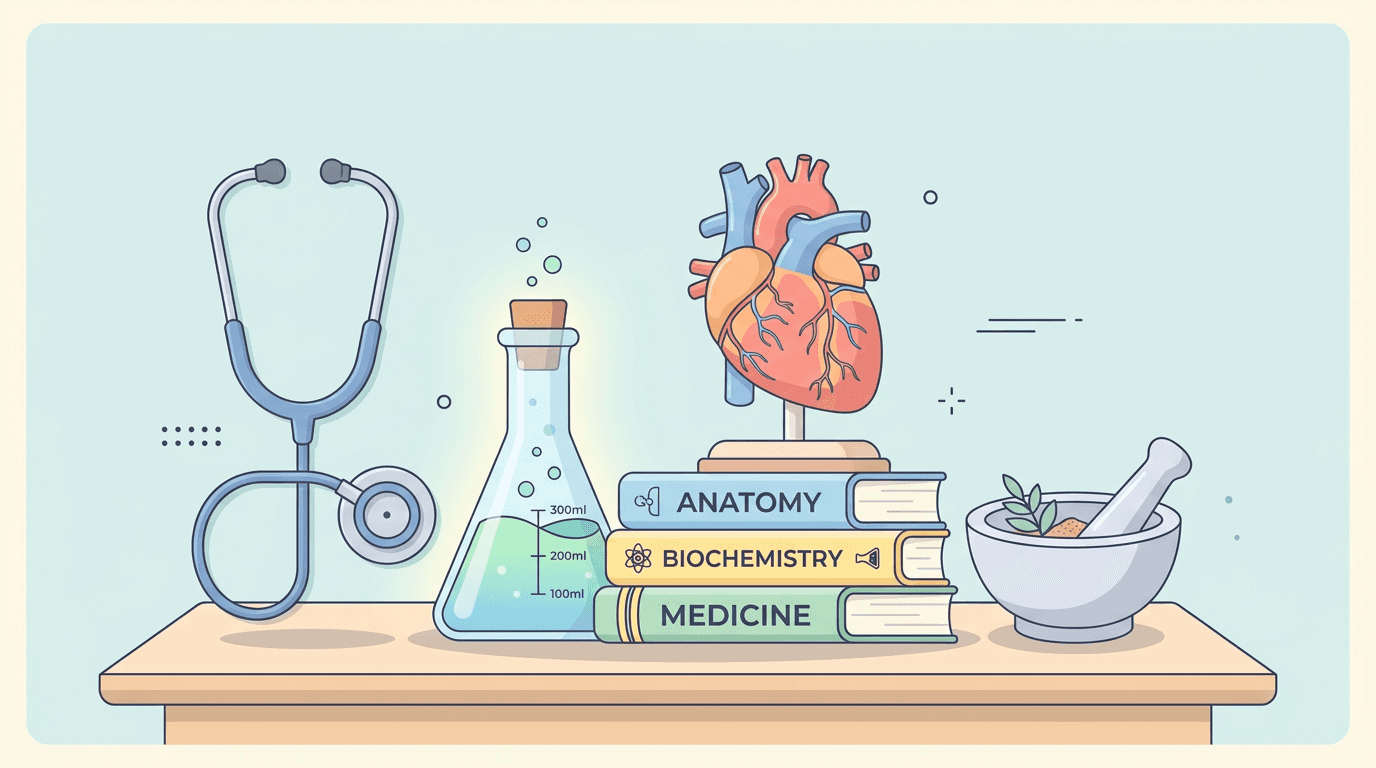
Starting medical school can feel exciting and intimidating at the same time. Many future students wonder if they are prepared enough, whether the coursework will be too difficult, and whether they can truly handle the challenge ahead. Those concerns are normal. You do not need every answer before you begin. What matters most is starting with a clear plan, realistic expectations, and a willingness to build your skills steadily.
Still grading everything by hand?
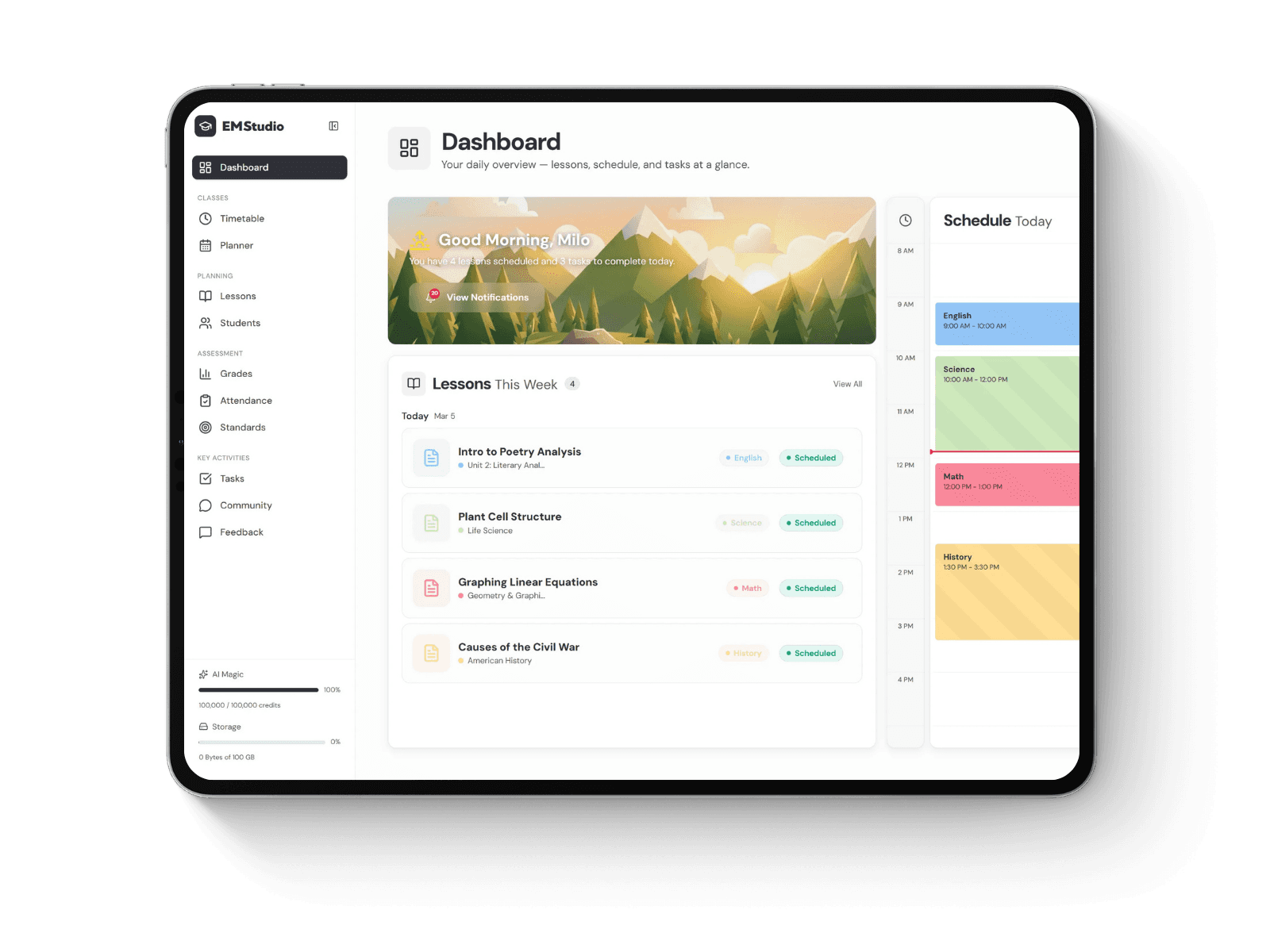
EMStudio is a free teaching management app — manage your classes, students, lessons, and more!
Learn More
Still grading everything by hand?
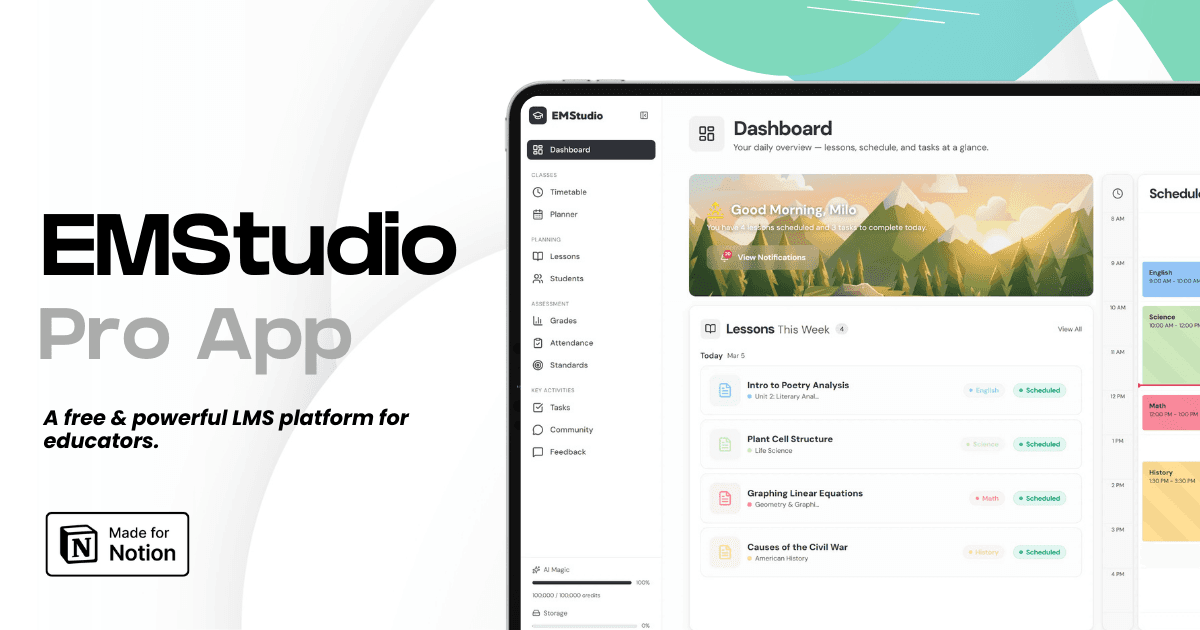
EMStudio is a free teaching management app — manage your classes, students, lessons, and more!
Learn More
Table of Contents
Starting with confidence
Confidence rarely appears all at once. For most students, it grows through preparation. A strong start can be the difference between feeling overwhelmed and feeling capable.
Entering a rigorous clinical environment without foundational readiness can quickly lead to academic struggle and stress. Failing to master core clinical sciences early on often derails a student's confidence, ultimately compromising their long-term performance on licensing examinations and residency placements.
Enrolling in a targeted preparatory regimen builds the critical skills necessary to navigate these intense curriculum demands. An excellent pathway to this career is an online premedical preparatory program that gives future physicians the academic grounding required to pursue a Doctor of Medicine. Completing this preliminary coursework online allows students to study flexibly, establish structured learning routines, and master preclinical concepts at their own pace before transitioning to on-campus studies.
Why preparation matters
Preparing early can reduce significant stress later. Medical education moves quickly, and even strong students may struggle if they have not developed the habits needed to keep up. Preparation creates a smoother transition into a fast-paced academic setting.
One major benefit is the opportunity to build effective habits before the workload becomes intense. You can learn how you study best, how long assignments actually take, and how to structure breaks so you remain productive. These lessons may seem small at first, but they often have a major impact once classes begin.
Time management is especially important. Medical school schedules can fill quickly with lectures, labs, assignments, reading, and review sessions. Students who have already practiced planning their week are less likely to feel overwhelmed. Early preparation also reduces first-year panic. Challenges will still come, but you will not be starting from zero, and that can make the experience far more manageable.
Skills worth building
Before medical school, it helps to focus on practical skills that support daily learning. You do not need to master everything at once, but you should aim for steady improvement.
Organization is one of the best places to start. Keeping notes, deadlines, and study materials in a system that works for you can save time and reduce stress. The system does not need to be complicated. A simple calendar, digital planner, or organized set of folders can be enough if you use it consistently.
Reading stamina is another valuable skill. Medical education involves large amounts of reading, so building that habit early is wise. Reading a little each day is usually more effective than trying to absorb everything in a few long sessions.
Note-taking also deserves attention. Good notes make exam review easier and help you identify key ideas, definitions, and problem areas. Students should also work on self-discipline and confidence in basic science subjects. If biology or chemistry feels weak, regular review can make a meaningful difference. You do not need perfection. You need consistency.
Choosing the right path
Not every preparatory option is right for every student. The best choice depends on your schedule, responsibilities, and learning needs.
Flexibility should be a major factor. If you are working, helping family, or managing other commitments, a rigid program may be difficult to sustain. A path that fits your real life is far more likely to help you stay consistent.
A supportive learning environment matters as well. Strong preparation programs should be beginner-friendly, structured, and encouraging. They should challenge you without making you feel as though you are expected to know everything already.
It is also important to think about your goals. Some students need stronger science fundamentals, while others need better study habits, more structure, or a smoother transition into medical-level learning. The right path should address what you truly need, not simply what sounds impressive.
Balancing life and study
Many students cannot prepare for medical school full-time. Work, family duties, and personal responsibilities are real, and successful preparation depends on working with those realities rather than ignoring them.
The first step is being honest about your schedule. If you only have an hour most evenings, build your study plan around that hour instead of creating unrealistic expectations. Practical plans are easier to maintain and more likely to become routine.
A schedule built on small, focused study blocks can be highly effective. Even 30 to 45 minutes of concentrated work adds up when done consistently. In many cases, shorter regular sessions work better than occasional marathon weekends.
Rest is just as important as study time. Burnout can quietly reduce concentration, motivation, and memory. Make room for sleep, meals, and normal life. A healthy routine supports learning far better than constant exhaustion.
Small habits that help
Big goals are usually achieved through small actions repeated over time. This is especially true in academic preparation.
Set weekly goals that are specific and achievable. Instead of trying to master everything at once, focus on targets such as reviewing two chapters or testing yourself on key terms. Clear goals are easier to track and less intimidating.
Starting with confidence
Confidence rarely appears all at once. For most students, it grows through preparation. A strong start can be the difference between feeling overwhelmed and feeling capable.
Entering a rigorous clinical environment without foundational readiness can quickly lead to academic struggle and stress. Failing to master core clinical sciences early on often derails a student's confidence, ultimately compromising their long-term performance on licensing examinations and residency placements.
Enrolling in a targeted preparatory regimen builds the critical skills necessary to navigate these intense curriculum demands. An excellent pathway to this career is an online premedical preparatory program that gives future physicians the academic grounding required to pursue a Doctor of Medicine. Completing this preliminary coursework online allows students to study flexibly, establish structured learning routines, and master preclinical concepts at their own pace before transitioning to on-campus studies.
Why preparation matters
Preparing early can reduce significant stress later. Medical education moves quickly, and even strong students may struggle if they have not developed the habits needed to keep up. Preparation creates a smoother transition into a fast-paced academic setting.
One major benefit is the opportunity to build effective habits before the workload becomes intense. You can learn how you study best, how long assignments actually take, and how to structure breaks so you remain productive. These lessons may seem small at first, but they often have a major impact once classes begin.
Time management is especially important. Medical school schedules can fill quickly with lectures, labs, assignments, reading, and review sessions. Students who have already practiced planning their week are less likely to feel overwhelmed. Early preparation also reduces first-year panic. Challenges will still come, but you will not be starting from zero, and that can make the experience far more manageable.
Skills worth building
Before medical school, it helps to focus on practical skills that support daily learning. You do not need to master everything at once, but you should aim for steady improvement.
Organization is one of the best places to start. Keeping notes, deadlines, and study materials in a system that works for you can save time and reduce stress. The system does not need to be complicated. A simple calendar, digital planner, or organized set of folders can be enough if you use it consistently.
Reading stamina is another valuable skill. Medical education involves large amounts of reading, so building that habit early is wise. Reading a little each day is usually more effective than trying to absorb everything in a few long sessions.
Note-taking also deserves attention. Good notes make exam review easier and help you identify key ideas, definitions, and problem areas. Students should also work on self-discipline and confidence in basic science subjects. If biology or chemistry feels weak, regular review can make a meaningful difference. You do not need perfection. You need consistency.
Choosing the right path
Not every preparatory option is right for every student. The best choice depends on your schedule, responsibilities, and learning needs.
Flexibility should be a major factor. If you are working, helping family, or managing other commitments, a rigid program may be difficult to sustain. A path that fits your real life is far more likely to help you stay consistent.
A supportive learning environment matters as well. Strong preparation programs should be beginner-friendly, structured, and encouraging. They should challenge you without making you feel as though you are expected to know everything already.
It is also important to think about your goals. Some students need stronger science fundamentals, while others need better study habits, more structure, or a smoother transition into medical-level learning. The right path should address what you truly need, not simply what sounds impressive.
Balancing life and study
Many students cannot prepare for medical school full-time. Work, family duties, and personal responsibilities are real, and successful preparation depends on working with those realities rather than ignoring them.
The first step is being honest about your schedule. If you only have an hour most evenings, build your study plan around that hour instead of creating unrealistic expectations. Practical plans are easier to maintain and more likely to become routine.
A schedule built on small, focused study blocks can be highly effective. Even 30 to 45 minutes of concentrated work adds up when done consistently. In many cases, shorter regular sessions work better than occasional marathon weekends.
Rest is just as important as study time. Burnout can quietly reduce concentration, motivation, and memory. Make room for sleep, meals, and normal life. A healthy routine supports learning far better than constant exhaustion.
Small habits that help
Big goals are usually achieved through small actions repeated over time. This is especially true in academic preparation.
Set weekly goals that are specific and achievable. Instead of trying to master everything at once, focus on targets such as reviewing two chapters or testing yourself on key terms. Clear goals are easier to track and less intimidating.
Still grading everything by hand?
EMStudio is a free teaching management app — manage your classes, students, lessons, and more!
Learn More
Still grading everything by hand?
EMStudio is a free teaching management app — manage your classes, students, lessons, and more!
Learn More


Notion4Teachers
Notion templates to simplify administrative tasks and enhance your teaching experience.



2026 Notion4Teachers. All Rights Reserved.
Notion4Teachers
Notion templates to simplify administrative tasks and enhance your teaching experience.
2026 Notion4Teachers. All Rights Reserved.
Notion4Teachers
Notion templates to simplify administrative tasks and enhance your teaching experience.
2026 Notion4Teachers. All Rights Reserved.