
Is Coursework One Word? Quick Answer and Common Usage
Is Coursework One Word? Quick Answer and Common Usage

Article by
Milo
ESL Content Coordinator & Educator
ESL Content Coordinator & Educator
All Posts
Meta Title: Is Coursework One Word? Grammar Rules Explained
Meta Description: Learn the college coursework meaning, see why coursework is one word, and get clear examples for essays, emails, and submissions. Avoid spelling mistakes.
You will usually see "coursework" written as one word. That is the standard spelling in modern academic English, in the US and the UK. Almost everywhere.
The spelling question usually shows up at a very specific moment. You are naming a file, filling out a submission box, or emailing a professor, and suddenly you are second-guessing every letter. Or, you might be searching for someone to write my coursework, because the workload feels endless. This guide explains what "coursework" means, why the one-word version became the norm, and how to use it in real sentences without sounding stiff.
Source: https://unsplash.com/photos/a-woman-sitting-on-a-couch-using-a-laptop-computer--rdAo4EL6uU
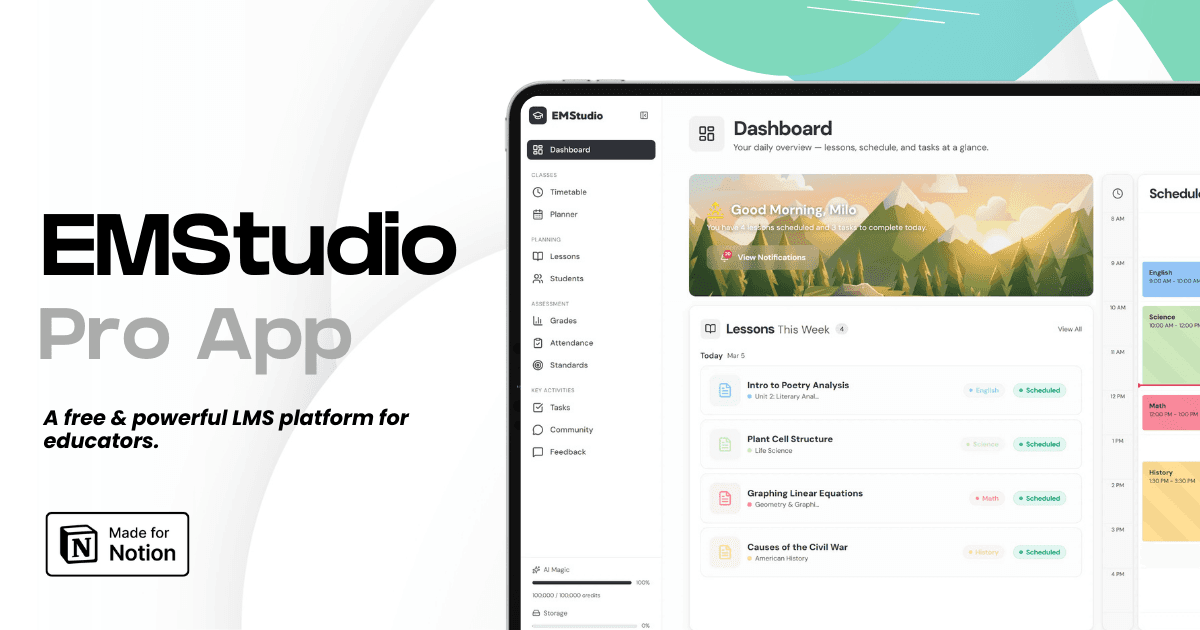
Still grading everything by hand?
EMStudio is a free teaching management app — manage your classes, students, lessons, and more!
Learn More

Still grading everything by hand?
EMStudio is a free teaching management app — manage your classes, students, lessons, and more!
Learn More
Table of Contents
Coursework Definition
Coursework means the assigned work you complete as part of a course. It can include written assignments, quizzes, lab reports, presentations, group projects, and in-class tasks. It is the work that proves you engaged with the material over time, not only on one exam day.
Example: "Your final grade is based on exams (60%) and coursework (40%)."
Is Coursework One Word?
Yes. "Coursework" is one word in standard usage. Think of it as a category label, like "homework" or "classwork." In everyday academic writing, you treat it as a single noun.
You might still see "course work" in older materials, informal notes, or places where someone is describing work for a course in a very literal way. In most cases, one word is the clean choice.
Why One Word Became the Common Spelling
English loves to glue frequent word pairs together over time. When a phrase gets used a lot, it often turns into a compound word. "Coursework" is a good example of that shift.
Schools, universities, and learning platforms also benefit from consistent labels. When students search for the requirements of college coursework, they usually see the term written the same way across syllabi, portals, and grading rubrics. It is easier for a syllabus to stick to one spelling than to change it from page to page. Once publishers, dictionaries, and educators align, a spelling becomes the default that most people follow.
Coursework vs Course Work: When You Might See Two Words
There are a few situations where two words can appear, and it is usually a meaning shift.
Use "coursework" when you mean the overall set of assessed tasks in a class. Use "course work" when you literally mean work for a course, often as a casual description, not a formal label.
Example 1: "I spent the weekend finishing my coursework." That points to your assignments as a whole.
Example 2: "I have more course work to do for my biology class." That reads like plain speech about tasks for a course.
If you are writing for school, your safest move is to stick with "coursework." It reads smoother, and it matches what most instructors expect.
How to Use "Coursework" in a Sentence
"Coursework" works like a regular noun. It is usually treated as uncountable, like "homework." So you talk about it as a chunk of work, not as separate units.
Try these sentence patterns:
"The coursework is due Friday at 5 p.m."
"I need extra time to complete the coursework because the lab section was rescheduled."
"Her coursework focuses on data analysis and research writing."
"Please upload your coursework as a single PDF."
Quick note on plurals: "courseworks" exists, but it is rare. If you mean multiple classes, rephrase: "coursework from my chemistry and economics courses."
Source: https://unsplash.com/photos/woman-in-brown-jacket-sitting-on-chair-using-laptop-Wzn5IgxXWKo
What Coursework Looks Like In College
In practice, coursework is the weekly grind that builds your final result. It is the reading, the drafts, the problem sets, the lab write-ups, and the checkpoints that keep you moving.
So, what is coursework in college? Daniel Walker (an expert who works for online essay writing service Studyfy) explains that it is the structured proof of learning that happens between lectures and exams. A professor might use it to measure effort, skill growth, and how well you apply concepts.
Here is a simple example from a psychology class:
Week 3: short reflection on a study
Week 6: quiz on key terms
Week 9: group presentation
Week 12: research summary with citations
That mix is also why coursework can feel heavy. It is rarely one big paper. It is a steady stream of smaller tasks that pile up when you miss a week.
Where to Double-Check the Spelling at Your School
Most of the time, you can trust the one-word spelling and move on. Still, some programs have house rules, especially for online portals, rubric templates, or departmental handbooks.
If you want to be sure, check the places your instructor actually uses: the syllabus wording, the assignment brief title in your LMS, any department templates, and your instructor's weekly announcements. If every official document uses "coursework," copy that spelling across everything you submit.
Consistency looks professional and prevents confusion when your wording does not match the rubric language.
Common Mistakes Students Make With the Word
Most errors come from small habits. One common slip is switching spellings in the same document. Another is using "coursework" when you really mean one assignment. A single essay is an assignment. Coursework is the whole set.
There is also the vague email problem. "I did not finish my coursework" sounds unclear. Teachers often reply with a question, which adds delay.
Try this upgrade: "I did not finish the Week 4 lab report and the discussion post." That level of detail saves back-and-forth and helps the teacher give you the right option fast.
Quick checklist for clean usage:
Use "coursework" for the whole workload across a course.
Name the exact task when you email or ask for an extension.
Keep the spelling the same in headings, file names, and captions.
When you talk about more than one class, add context instead of pluralizing.
If you are writing a resume or portfolio, be careful with the phrase "relevant coursework." It can work, but it reads stronger with specifics. For example: "Relevant coursework: Research Methods, Statistics, and a semester project on survey design."
Final Takeaway
Use "coursework" as one word in modern academic English. It is the standard spelling, and it fits most situations you will face in school writing. If you see "course work," it usually reads as a literal phrase, not the formal label.
When in doubt, choose "coursework," keep the meaning broad, and add specifics when you email instructors. Clear wording saves time and helps your message land the first time.
Coursework Definition
Coursework means the assigned work you complete as part of a course. It can include written assignments, quizzes, lab reports, presentations, group projects, and in-class tasks. It is the work that proves you engaged with the material over time, not only on one exam day.
Example: "Your final grade is based on exams (60%) and coursework (40%)."
Is Coursework One Word?
Yes. "Coursework" is one word in standard usage. Think of it as a category label, like "homework" or "classwork." In everyday academic writing, you treat it as a single noun.
You might still see "course work" in older materials, informal notes, or places where someone is describing work for a course in a very literal way. In most cases, one word is the clean choice.
Why One Word Became the Common Spelling
English loves to glue frequent word pairs together over time. When a phrase gets used a lot, it often turns into a compound word. "Coursework" is a good example of that shift.
Schools, universities, and learning platforms also benefit from consistent labels. When students search for the requirements of college coursework, they usually see the term written the same way across syllabi, portals, and grading rubrics. It is easier for a syllabus to stick to one spelling than to change it from page to page. Once publishers, dictionaries, and educators align, a spelling becomes the default that most people follow.
Coursework vs Course Work: When You Might See Two Words
There are a few situations where two words can appear, and it is usually a meaning shift.
Use "coursework" when you mean the overall set of assessed tasks in a class. Use "course work" when you literally mean work for a course, often as a casual description, not a formal label.
Example 1: "I spent the weekend finishing my coursework." That points to your assignments as a whole.
Example 2: "I have more course work to do for my biology class." That reads like plain speech about tasks for a course.
If you are writing for school, your safest move is to stick with "coursework." It reads smoother, and it matches what most instructors expect.
How to Use "Coursework" in a Sentence
"Coursework" works like a regular noun. It is usually treated as uncountable, like "homework." So you talk about it as a chunk of work, not as separate units.
Try these sentence patterns:
"The coursework is due Friday at 5 p.m."
"I need extra time to complete the coursework because the lab section was rescheduled."
"Her coursework focuses on data analysis and research writing."
"Please upload your coursework as a single PDF."
Quick note on plurals: "courseworks" exists, but it is rare. If you mean multiple classes, rephrase: "coursework from my chemistry and economics courses."
Source: https://unsplash.com/photos/woman-in-brown-jacket-sitting-on-chair-using-laptop-Wzn5IgxXWKo
What Coursework Looks Like In College
In practice, coursework is the weekly grind that builds your final result. It is the reading, the drafts, the problem sets, the lab write-ups, and the checkpoints that keep you moving.
So, what is coursework in college? Daniel Walker (an expert who works for online essay writing service Studyfy) explains that it is the structured proof of learning that happens between lectures and exams. A professor might use it to measure effort, skill growth, and how well you apply concepts.
Here is a simple example from a psychology class:
Week 3: short reflection on a study
Week 6: quiz on key terms
Week 9: group presentation
Week 12: research summary with citations
That mix is also why coursework can feel heavy. It is rarely one big paper. It is a steady stream of smaller tasks that pile up when you miss a week.
Where to Double-Check the Spelling at Your School
Most of the time, you can trust the one-word spelling and move on. Still, some programs have house rules, especially for online portals, rubric templates, or departmental handbooks.
If you want to be sure, check the places your instructor actually uses: the syllabus wording, the assignment brief title in your LMS, any department templates, and your instructor's weekly announcements. If every official document uses "coursework," copy that spelling across everything you submit.
Consistency looks professional and prevents confusion when your wording does not match the rubric language.
Common Mistakes Students Make With the Word
Most errors come from small habits. One common slip is switching spellings in the same document. Another is using "coursework" when you really mean one assignment. A single essay is an assignment. Coursework is the whole set.
There is also the vague email problem. "I did not finish my coursework" sounds unclear. Teachers often reply with a question, which adds delay.
Try this upgrade: "I did not finish the Week 4 lab report and the discussion post." That level of detail saves back-and-forth and helps the teacher give you the right option fast.
Quick checklist for clean usage:
Use "coursework" for the whole workload across a course.
Name the exact task when you email or ask for an extension.
Keep the spelling the same in headings, file names, and captions.
When you talk about more than one class, add context instead of pluralizing.
If you are writing a resume or portfolio, be careful with the phrase "relevant coursework." It can work, but it reads stronger with specifics. For example: "Relevant coursework: Research Methods, Statistics, and a semester project on survey design."
Final Takeaway
Use "coursework" as one word in modern academic English. It is the standard spelling, and it fits most situations you will face in school writing. If you see "course work," it usually reads as a literal phrase, not the formal label.
When in doubt, choose "coursework," keep the meaning broad, and add specifics when you email instructors. Clear wording saves time and helps your message land the first time.
Still grading everything by hand?
EMStudio is a free teaching management app — manage your classes, students, lessons, and more!
Learn More
Still grading everything by hand?
EMStudio is a free teaching management app — manage your classes, students, lessons, and more!
Learn More




Notion4Teachers
Notion templates to simplify administrative tasks and enhance your teaching experience.



2026 Notion4Teachers. All Rights Reserved.
Notion4Teachers
Notion templates to simplify administrative tasks and enhance your teaching experience.
2026 Notion4Teachers. All Rights Reserved.
Notion4Teachers
Notion templates to simplify administrative tasks and enhance your teaching experience.
2026 Notion4Teachers. All Rights Reserved.