
How Teachers Can Build Syllabus-Aligned Practice Tests for International Curriculum Students
How Teachers Can Build Syllabus-Aligned Practice Tests for International Curriculum Students

Article by
Milo
ESL Content Coordinator & Educator
ESL Content Coordinator & Educator
All Posts
The Challenge Is Structure, Not Access
In the age of AI, students have access to more educational content than ever before. They can find explanations, videos, worksheets and automatically generated questions within seconds. However, access to more content does not always lead to better learning.
The real challenge is helping students identify what they need to learn, practise the correct syllabus objectives and understand whether they are making progress. Without a clear structure, students may move between different resources without knowing which topics they have mastered or which areas still require attention.
This is where a syllabus-aligned learning system can make a difference. EduNinja organises content across IB, A-Level, IGCSE, AP and other international curricula, breaking larger syllabuses into smaller learning objectives. Students can use the syllabus-aligned Question Bank to practise independently, while teachers can create targeted tests based on the exact topics and objectives they want to assess.
The Challenge Is Structure, Not Access
In the age of AI, students have access to more educational content than ever before. They can find explanations, videos, worksheets and automatically generated questions within seconds. However, access to more content does not always lead to better learning.
The real challenge is helping students identify what they need to learn, practise the correct syllabus objectives and understand whether they are making progress. Without a clear structure, students may move between different resources without knowing which topics they have mastered or which areas still require attention.
This is where a syllabus-aligned learning system can make a difference. EduNinja organises content across IB, A-Level, IGCSE, AP and other international curricula, breaking larger syllabuses into smaller learning objectives. Students can use the syllabus-aligned Question Bank to practise independently, while teachers can create targeted tests based on the exact topics and objectives they want to assess.
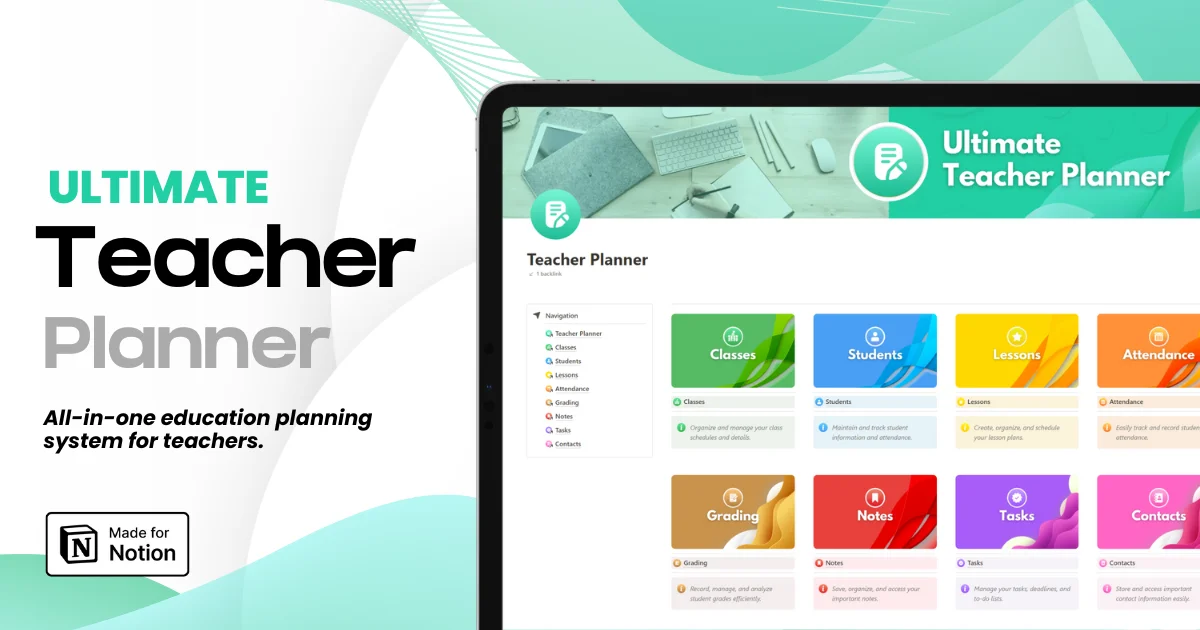
Ultimate Teacher Planner
The ultimate all-in-one education management system in Notion.
Learn More
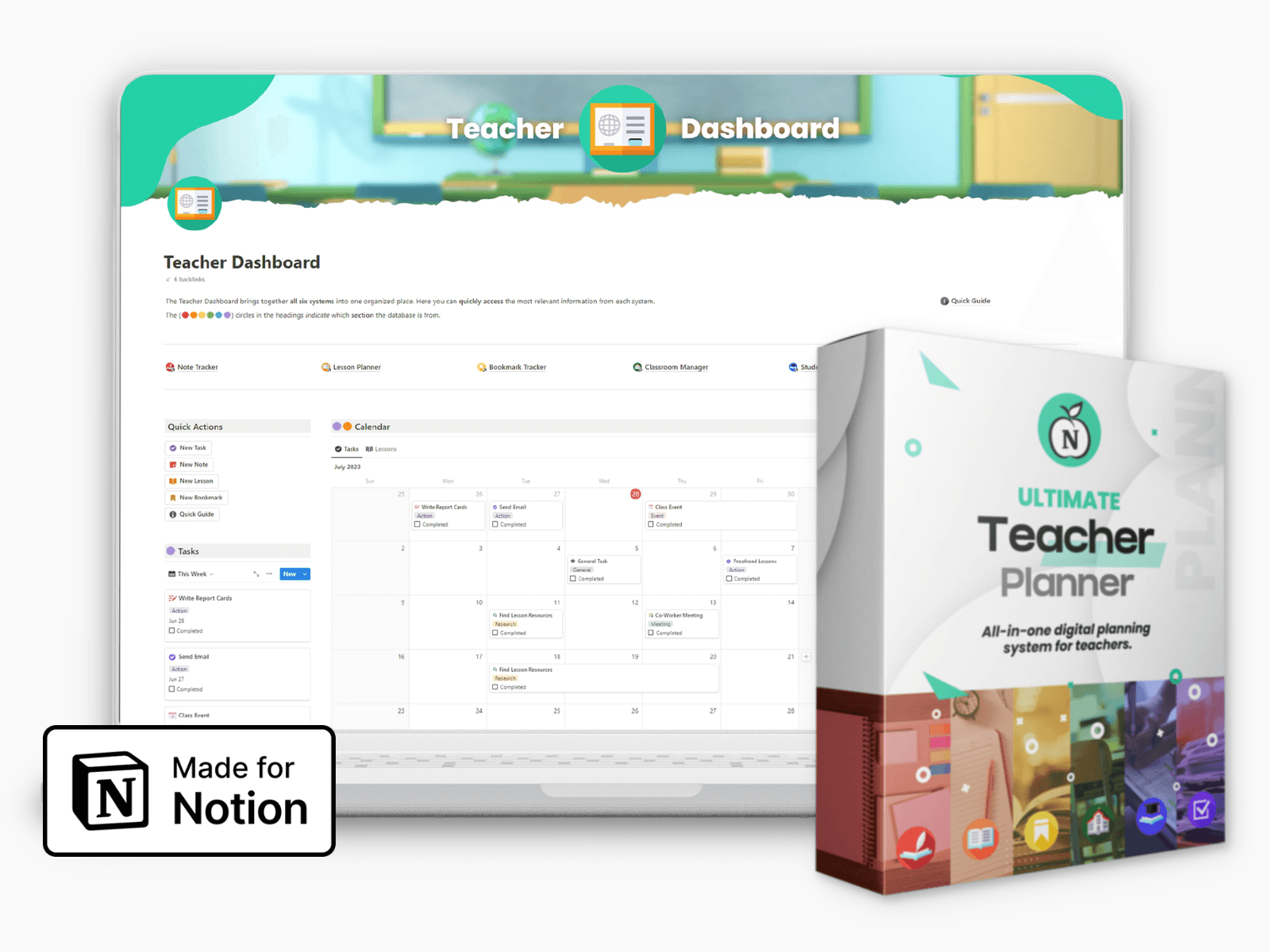
Ultimate Teacher Planner
The ultimate all-in-one education management system in Notion.
Learn More
Table of Contents
Why Syllabus Alignment Matters
International curricula are organised around detailed specifications, topics and assessment objectives. A student preparing for an IGCSE Biology examination may need to revise several distinct areas, such as cell biology, transport, coordination and ecology. These topics also require different types of thinking, including recall, explanation, data interpretation and application.
A general worksheet may be useful, but it does not always show whether the practice matches the student’s course. Syllabus alignment gives practice a clearer purpose: teachers can select questions by curriculum, subject, topic and learning objective, while students can focus on a specific area instead of revising randomly.
Using a Practice Test Builder
A practice test builder helps teachers create assessments for a particular class, topic or student group. Instead of assembling disconnected questions manually, a teacher can choose the relevant curriculum and subject, select the required topics and decide how many questions should be included.
For example, a teacher might create:
A short topic quiz for lesson review
A unit test covering several related learning objectives
A mixed revision paper for end-of-term preparation
An examination-style practice assessment
A personalised test for a student who needs support in a particular topic
This gives teachers more control over the purpose and difficulty of each practice session. It also makes it easier to create different tests for different groups without losing the structure of the syllabus. The goal is not simply to produce another worksheet, but to create a focused practice experience that shows students what to work on next.
Supporting Independent Student Practice
Practice should not always depend on a teacher assigning every activity. Students also need opportunities to study independently, especially when preparing for major examinations.
With a structured question bank, students can choose a subject or topic and practise at their own pace. They can repeat difficult areas and use targeted questions instead of completing the same general revision tasks as everyone else. One student may need more practice with problem-solving, while another may need to review terminology or apply concepts to unfamiliar situations.
A focused workflow allows students to take more responsibility for revision: identify a learning objective, complete a set of questions, review performance and decide what to practise next.
Connecting Practice with Mastery
Completing a practice test is only one part of learning. Students also need a way to understand the result. Mastery tracking helps them see progress across different topics and learning objectives. A score becomes a useful signal rather than the final outcome.
For example, after practising genetics, a student may feel comfortable with basic terminology but less confident when interpreting genetic diagrams. The student can return to that learning objective, practise again and check progress later.
A practical cycle is:
Select a topic or learning objective
Complete targeted practice
Review performance
Identify weaker areas
Practise those areas again
Check progress over time
Breaking Syllabuses into Smaller Objectives
Large syllabus sections can feel difficult because they contain several related skills and concepts. Breaking them into smaller learning objectives makes revision more practical. Instead of asking a student to “revise Biology,” a structured platform can guide them towards specific goals, such as explaining a process, interpreting data, comparing concepts or applying a formula.
Smaller objectives also help teachers create purposeful assessments. A narrow group of objectives can form a short quiz, while several groups can be combined into a larger test. Teachers can identify areas that need classroom support, and students can see exactly what they are expected to understand.
AI as Support, Not the Whole Learning Structure
AI can provide useful explanations and support, but effective exam preparation requires more than receiving automatically generated content. Students need to know whether the material matches their syllabus, whether they are practising the right objectives and whether their progress is improving over time.
A structured platform does not reject AI. Instead, it places technology inside a clearer learning framework. EduNinja is built around syllabus-aligned content, topic-based practice, learning objectives and measurable progress. This helps students use modern tools without losing sight of the requirements of their actual course and assessment.
A Practical Teacher Workflow
Identify the curriculum and subject
Select the relevant syllabus topics
Choose the learning objectives to assess
Build a short practice test
Review student performance
Assign follow-up practice for weaker areas
Use Mastery tracking to monitor progress
This workflow can support classroom review, homework, intervention sessions and examination preparation. With coverage across more than 50 subjects, EduNinja helps connect daily practice with the structure of international curricula rather than treating every question as an isolated activity.
Conclusion
Students today do not lack access to educational content. They need a reliable way to decide what to study, practise the right objectives and understand their progress. For international curriculum students, syllabus alignment provides that structure.
A practice test builder helps teachers create focused assessments, while independent question practice and Mastery tracking help students take greater responsibility for revision. Together, these tools make preparation more relevant, measurable and manageable across IB, A-Level, IGCSE, AP and other international curriculum programmes.
Author Bio
Henry Yang is the founder of EduNinja, a structured learning platform for students following international curricula. EduNinja provides syllabus-aligned practice tools, learning objectives, progress tracking and study resources across more than 50 subjects, including IB, A-Level, IGCSE and AP pathways.
Why Syllabus Alignment Matters
International curricula are organised around detailed specifications, topics and assessment objectives. A student preparing for an IGCSE Biology examination may need to revise several distinct areas, such as cell biology, transport, coordination and ecology. These topics also require different types of thinking, including recall, explanation, data interpretation and application.
A general worksheet may be useful, but it does not always show whether the practice matches the student’s course. Syllabus alignment gives practice a clearer purpose: teachers can select questions by curriculum, subject, topic and learning objective, while students can focus on a specific area instead of revising randomly.
Using a Practice Test Builder
A practice test builder helps teachers create assessments for a particular class, topic or student group. Instead of assembling disconnected questions manually, a teacher can choose the relevant curriculum and subject, select the required topics and decide how many questions should be included.
For example, a teacher might create:
A short topic quiz for lesson review
A unit test covering several related learning objectives
A mixed revision paper for end-of-term preparation
An examination-style practice assessment
A personalised test for a student who needs support in a particular topic
This gives teachers more control over the purpose and difficulty of each practice session. It also makes it easier to create different tests for different groups without losing the structure of the syllabus. The goal is not simply to produce another worksheet, but to create a focused practice experience that shows students what to work on next.
Supporting Independent Student Practice
Practice should not always depend on a teacher assigning every activity. Students also need opportunities to study independently, especially when preparing for major examinations.
With a structured question bank, students can choose a subject or topic and practise at their own pace. They can repeat difficult areas and use targeted questions instead of completing the same general revision tasks as everyone else. One student may need more practice with problem-solving, while another may need to review terminology or apply concepts to unfamiliar situations.
A focused workflow allows students to take more responsibility for revision: identify a learning objective, complete a set of questions, review performance and decide what to practise next.
Connecting Practice with Mastery
Completing a practice test is only one part of learning. Students also need a way to understand the result. Mastery tracking helps them see progress across different topics and learning objectives. A score becomes a useful signal rather than the final outcome.
For example, after practising genetics, a student may feel comfortable with basic terminology but less confident when interpreting genetic diagrams. The student can return to that learning objective, practise again and check progress later.
A practical cycle is:
Select a topic or learning objective
Complete targeted practice
Review performance
Identify weaker areas
Practise those areas again
Check progress over time
Breaking Syllabuses into Smaller Objectives
Large syllabus sections can feel difficult because they contain several related skills and concepts. Breaking them into smaller learning objectives makes revision more practical. Instead of asking a student to “revise Biology,” a structured platform can guide them towards specific goals, such as explaining a process, interpreting data, comparing concepts or applying a formula.
Smaller objectives also help teachers create purposeful assessments. A narrow group of objectives can form a short quiz, while several groups can be combined into a larger test. Teachers can identify areas that need classroom support, and students can see exactly what they are expected to understand.
AI as Support, Not the Whole Learning Structure
AI can provide useful explanations and support, but effective exam preparation requires more than receiving automatically generated content. Students need to know whether the material matches their syllabus, whether they are practising the right objectives and whether their progress is improving over time.
A structured platform does not reject AI. Instead, it places technology inside a clearer learning framework. EduNinja is built around syllabus-aligned content, topic-based practice, learning objectives and measurable progress. This helps students use modern tools without losing sight of the requirements of their actual course and assessment.
A Practical Teacher Workflow
Identify the curriculum and subject
Select the relevant syllabus topics
Choose the learning objectives to assess
Build a short practice test
Review student performance
Assign follow-up practice for weaker areas
Use Mastery tracking to monitor progress
This workflow can support classroom review, homework, intervention sessions and examination preparation. With coverage across more than 50 subjects, EduNinja helps connect daily practice with the structure of international curricula rather than treating every question as an isolated activity.
Conclusion
Students today do not lack access to educational content. They need a reliable way to decide what to study, practise the right objectives and understand their progress. For international curriculum students, syllabus alignment provides that structure.
A practice test builder helps teachers create focused assessments, while independent question practice and Mastery tracking help students take greater responsibility for revision. Together, these tools make preparation more relevant, measurable and manageable across IB, A-Level, IGCSE, AP and other international curriculum programmes.
Author Bio
Henry Yang is the founder of EduNinja, a structured learning platform for students following international curricula. EduNinja provides syllabus-aligned practice tools, learning objectives, progress tracking and study resources across more than 50 subjects, including IB, A-Level, IGCSE and AP pathways.
Ultimate Teacher Planner
The ultimate all-in-one education management system in Notion.
Learn More
Ultimate Teacher Planner
The ultimate all-in-one education management system in Notion.
Learn More



Notion4Teachers
Notion templates to simplify administrative tasks and enhance your teaching experience.



2026 Notion4Teachers. All Rights Reserved.
Notion4Teachers
Notion templates to simplify administrative tasks and enhance your teaching experience.
2026 Notion4Teachers. All Rights Reserved.
Notion4Teachers
Notion templates to simplify administrative tasks and enhance your teaching experience.
2026 Notion4Teachers. All Rights Reserved.