
How Modern Educators Are Adapting to a More Connected World
How Modern Educators Are Adapting to a More Connected World

Article by
Milo
ESL Content Coordinator & Educator
ESL Content Coordinator & Educator
All Posts
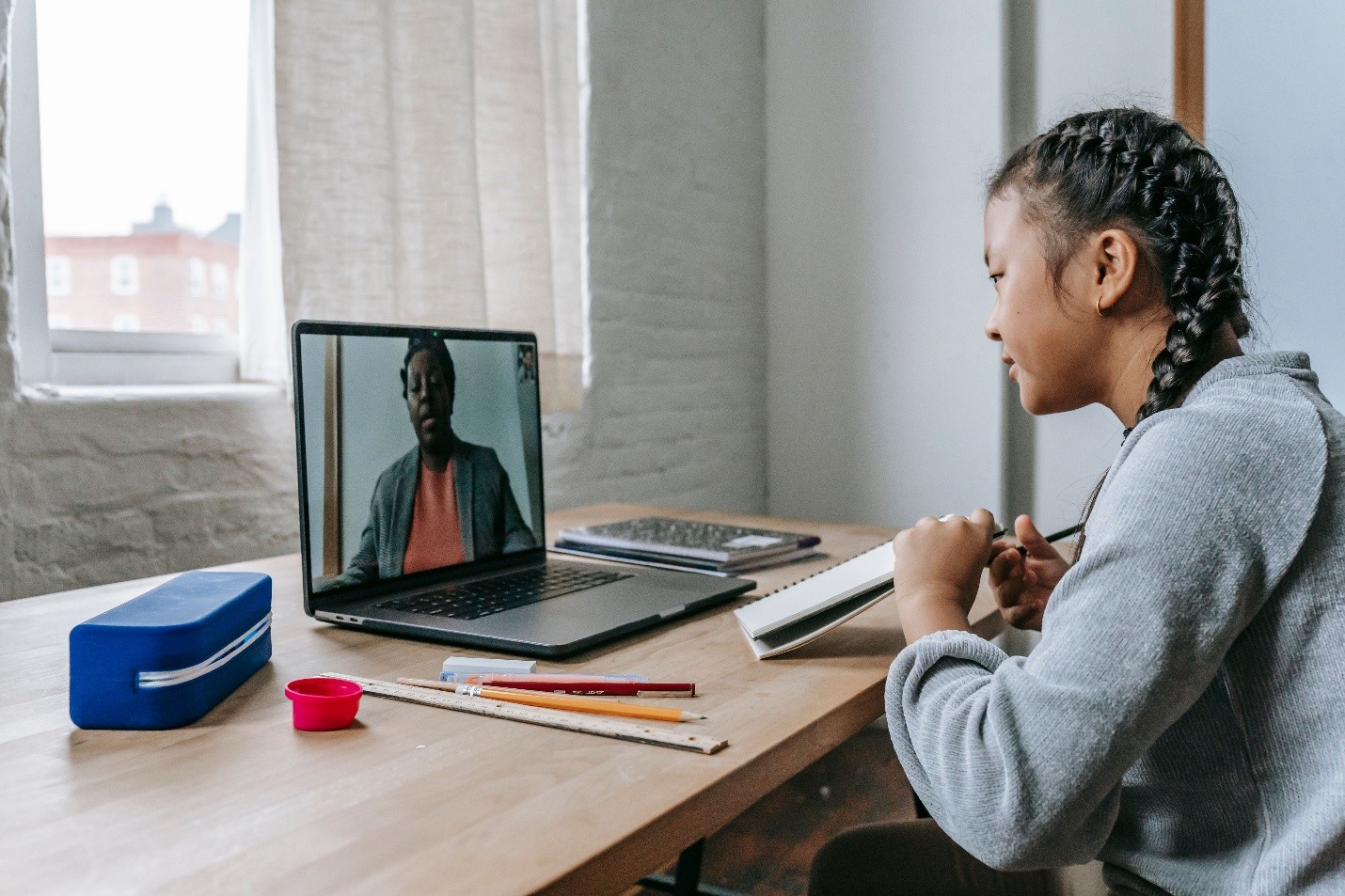
A student can be sitting three feet from the teacher and still feel completely lost in the room. It happens more often now, not because teachers are doing less, but because classrooms carry more languages, more cultures, more devices, and more outside pressure than they used to.
Teachers have always adjusted. That part is not new. What has changed is the pace and range of what they must respond to, from online tools and global communication to students who move between languages at home, school, and work. The connected world has made learning richer, but also more complicated in a very real, Monday-morning kind of way.
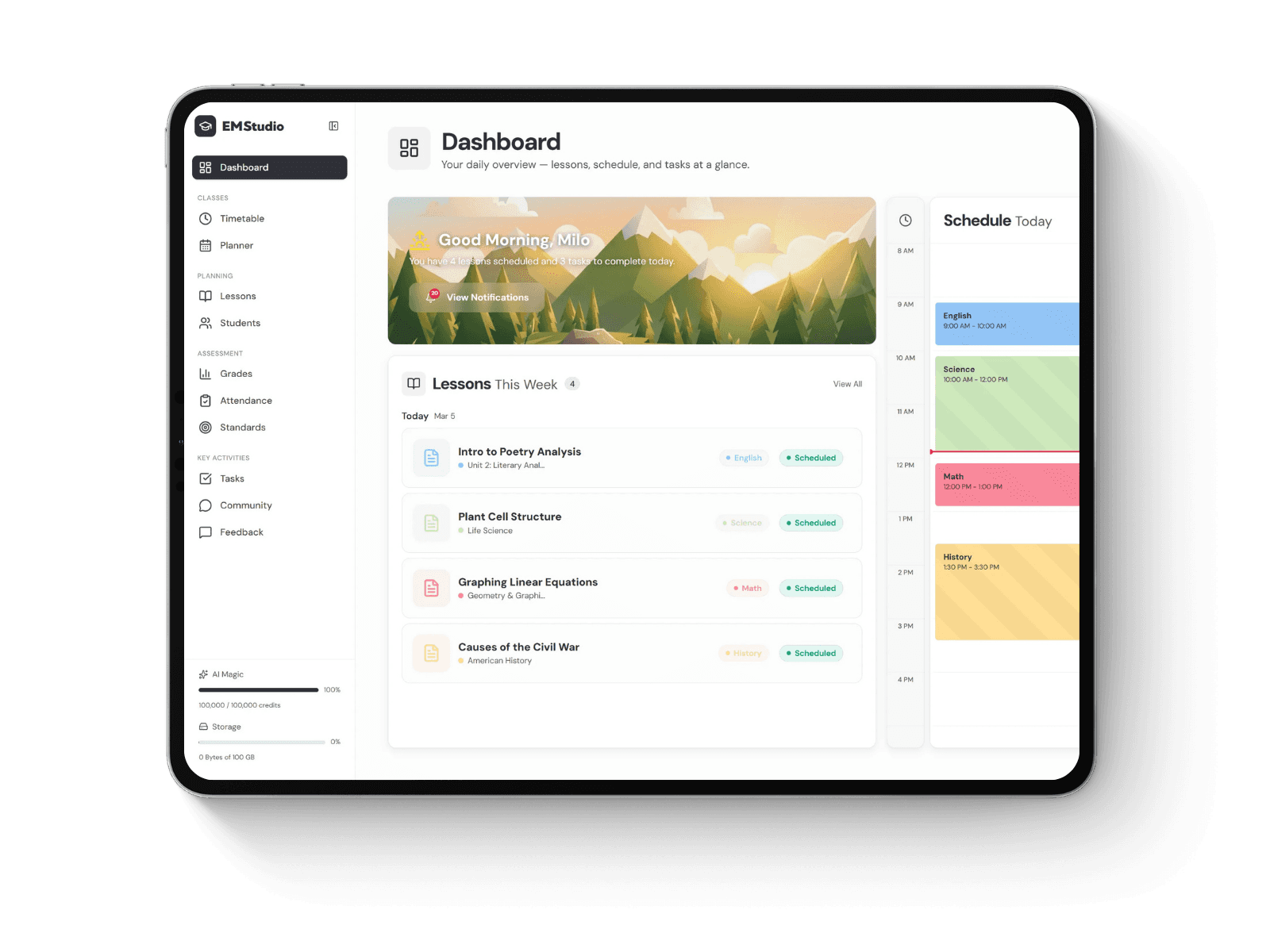
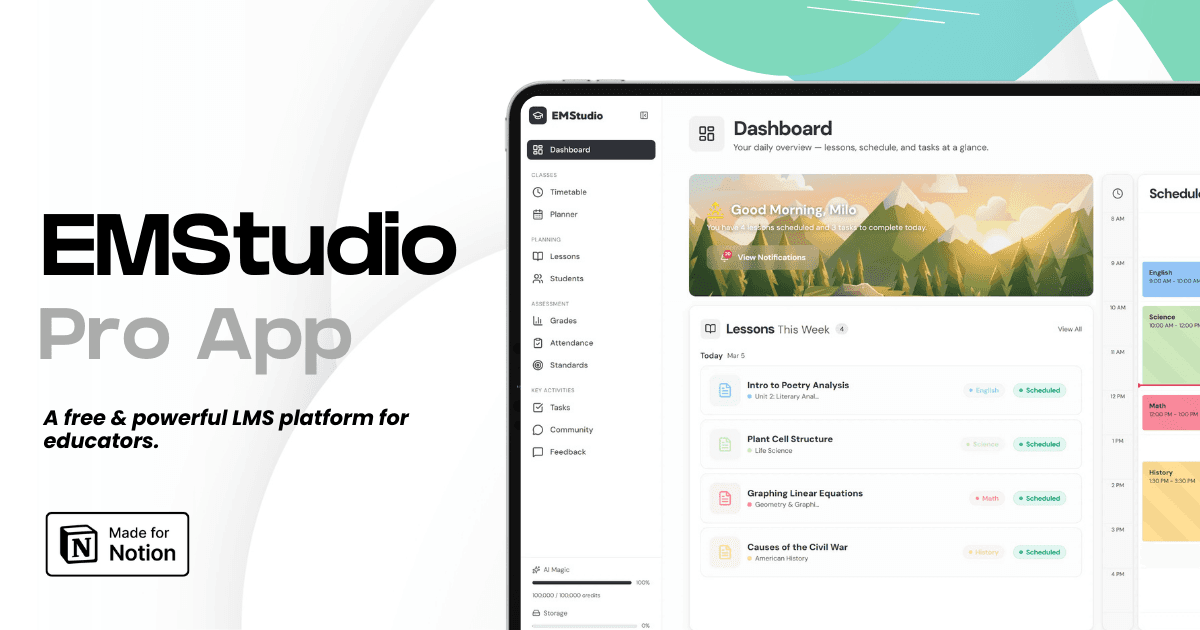
Still grading everything by hand?
EMStudio is a free teaching management app — manage your classes, students, lessons, and more!
Learn More
Still grading everything by hand?
EMStudio is a free teaching management app — manage your classes, students, lessons, and more!
Learn More
Table of Contents
The Classroom Is No Longer a Closed Room
A lesson today rarely stays inside four walls. Students bring in ideas from videos, family conversations, social media, online games, and communities far beyond the local school district. Sometimes that helps. Sometimes it creates confusion. Either way, educators now have to teach with this wider world in mind.
This shift asks teachers to do more than deliver content. They have to help students judge information, ask better questions, and understand how language shapes meaning. The teacher needs the skill to see what is really happening.
Why Today’s Teaching Needs Are Different
Language support has become part of everyday teaching, even in classrooms that are not labeled as language classrooms. Educators may work with students who speak one language at home, another with friends, and English at school. This creates a learning space where vocabulary, confidence, and culture all affect performance. Good teaching here means knowing how to make lessons clear without making them too simple.
For teachers who want stronger preparation in this area, the University of South Carolina’s master of teaching TESOL online program can offer focused study in language learning, instruction, and support for multilingual students. It prepares teachers to support multilingual K–12 learners through research-based instructional strategies, practical coursework, and a fully online format.
Technology Is Useful, But It Needs a Teacher’s Judgment
Digital tools have changed how students learn. Recorded lessons, translation tools, shared documents, and learning apps can make lessons easier to reach. A student who needs more time can replay a lesson. Another student can use captions. Someone absent from class can still follow along later.
But technology does not solve the deeper teaching problem by itself. A tool can translate words, but it may miss tone, context, or cultural meaning. A learning app can track progress, but it cannot always explain why a student is stuck.
That is where the teacher’s judgment still matters. Educators have to decide when a tool helps and when it gets in the way. They also need to know when students are using technology to learn and when they are using it to avoid the hard part. That line can be thin, and yes, students know where it is.
Cultural Awareness Is Now Part of Good Instruction
In a connected classroom, culture is not an extra topic added during a special week. It affects how students speak, listen, ask questions, and respond to feedback. Some students may avoid eye contact out of respect. Others may hesitate to speak in front of the group because they are still building confidence in English. Some may understand the lesson but not the examples being used. These details matter because they shape how learning appears from the outside.
Modern educators are learning to read these signs more carefully. They are also learning to avoid quick judgments. A quiet student is not always disengaged. A student who struggles with academic English may still have strong reasoning skills. The work is slower this way, but it is usually more accurate.
Collaboration Has Become a Basic Skill
Teachers are no longer expected to manage every need alone, at least not in the better systems. They work with language specialists, counselors, families, administrators, and sometimes community groups. This kind of teamwork can feel messy because people do not always agree on what a student needs.
Still, collaboration helps create a fuller picture. Families may explain language habits at home. Specialists may offer strategies that the classroom teacher has not tried. Other teachers may notice patterns across subjects. When that information is shared well, students receive support that feels more connected and less random. When it is not shared well, everyone fills out forms and hopes for the best, which is not much of a plan.
Teaching Now Means Teaching Adaptability
The connected world is not slowing down. Students will keep using new tools, moving across languages, and learning from sources that teachers cannot fully control. That can be uncomfortable, but it is also the reality of education now.
The strongest educators are not the ones who know every platform or every trend. They are the ones who understand learning well enough to adapt without losing the purpose of the lesson. They keep the human part of teaching in view, even when the classroom is filled with screens, data, and shifting needs.
Modern teaching is not about chasing every change. It is about knowing which changes matter, which ones are noise, and how to help students find their footing in a world that keeps getting louder.
The Classroom Is No Longer a Closed Room
A lesson today rarely stays inside four walls. Students bring in ideas from videos, family conversations, social media, online games, and communities far beyond the local school district. Sometimes that helps. Sometimes it creates confusion. Either way, educators now have to teach with this wider world in mind.
This shift asks teachers to do more than deliver content. They have to help students judge information, ask better questions, and understand how language shapes meaning. The teacher needs the skill to see what is really happening.
Why Today’s Teaching Needs Are Different
Language support has become part of everyday teaching, even in classrooms that are not labeled as language classrooms. Educators may work with students who speak one language at home, another with friends, and English at school. This creates a learning space where vocabulary, confidence, and culture all affect performance. Good teaching here means knowing how to make lessons clear without making them too simple.
For teachers who want stronger preparation in this area, the University of South Carolina’s master of teaching TESOL online program can offer focused study in language learning, instruction, and support for multilingual students. It prepares teachers to support multilingual K–12 learners through research-based instructional strategies, practical coursework, and a fully online format.
Technology Is Useful, But It Needs a Teacher’s Judgment
Digital tools have changed how students learn. Recorded lessons, translation tools, shared documents, and learning apps can make lessons easier to reach. A student who needs more time can replay a lesson. Another student can use captions. Someone absent from class can still follow along later.
But technology does not solve the deeper teaching problem by itself. A tool can translate words, but it may miss tone, context, or cultural meaning. A learning app can track progress, but it cannot always explain why a student is stuck.
That is where the teacher’s judgment still matters. Educators have to decide when a tool helps and when it gets in the way. They also need to know when students are using technology to learn and when they are using it to avoid the hard part. That line can be thin, and yes, students know where it is.
Cultural Awareness Is Now Part of Good Instruction
In a connected classroom, culture is not an extra topic added during a special week. It affects how students speak, listen, ask questions, and respond to feedback. Some students may avoid eye contact out of respect. Others may hesitate to speak in front of the group because they are still building confidence in English. Some may understand the lesson but not the examples being used. These details matter because they shape how learning appears from the outside.
Modern educators are learning to read these signs more carefully. They are also learning to avoid quick judgments. A quiet student is not always disengaged. A student who struggles with academic English may still have strong reasoning skills. The work is slower this way, but it is usually more accurate.
Collaboration Has Become a Basic Skill
Teachers are no longer expected to manage every need alone, at least not in the better systems. They work with language specialists, counselors, families, administrators, and sometimes community groups. This kind of teamwork can feel messy because people do not always agree on what a student needs.
Still, collaboration helps create a fuller picture. Families may explain language habits at home. Specialists may offer strategies that the classroom teacher has not tried. Other teachers may notice patterns across subjects. When that information is shared well, students receive support that feels more connected and less random. When it is not shared well, everyone fills out forms and hopes for the best, which is not much of a plan.
Teaching Now Means Teaching Adaptability
The connected world is not slowing down. Students will keep using new tools, moving across languages, and learning from sources that teachers cannot fully control. That can be uncomfortable, but it is also the reality of education now.
The strongest educators are not the ones who know every platform or every trend. They are the ones who understand learning well enough to adapt without losing the purpose of the lesson. They keep the human part of teaching in view, even when the classroom is filled with screens, data, and shifting needs.
Modern teaching is not about chasing every change. It is about knowing which changes matter, which ones are noise, and how to help students find their footing in a world that keeps getting louder.
Still grading everything by hand?
EMStudio is a free teaching management app — manage your classes, students, lessons, and more!
Learn More
Still grading everything by hand?
EMStudio is a free teaching management app — manage your classes, students, lessons, and more!
Learn More



Notion4Teachers
Notion templates to simplify administrative tasks and enhance your teaching experience.



2026 Notion4Teachers. All Rights Reserved.
Notion4Teachers
Notion templates to simplify administrative tasks and enhance your teaching experience.
2026 Notion4Teachers. All Rights Reserved.
Notion4Teachers
Notion templates to simplify administrative tasks and enhance your teaching experience.
2026 Notion4Teachers. All Rights Reserved.