
The 2026 Teacher’s Toolkit: Key Qualifications for Modern ESL Career Growth
The 2026 Teacher’s Toolkit: Key Qualifications for Modern ESL Career Growth

Article by
Milo
ESL Content Coordinator & Educator
ESL Content Coordinator & Educator
All Posts
Ultimate Teacher Planner
The ultimate all-in-one education management system in Notion.
Learn More
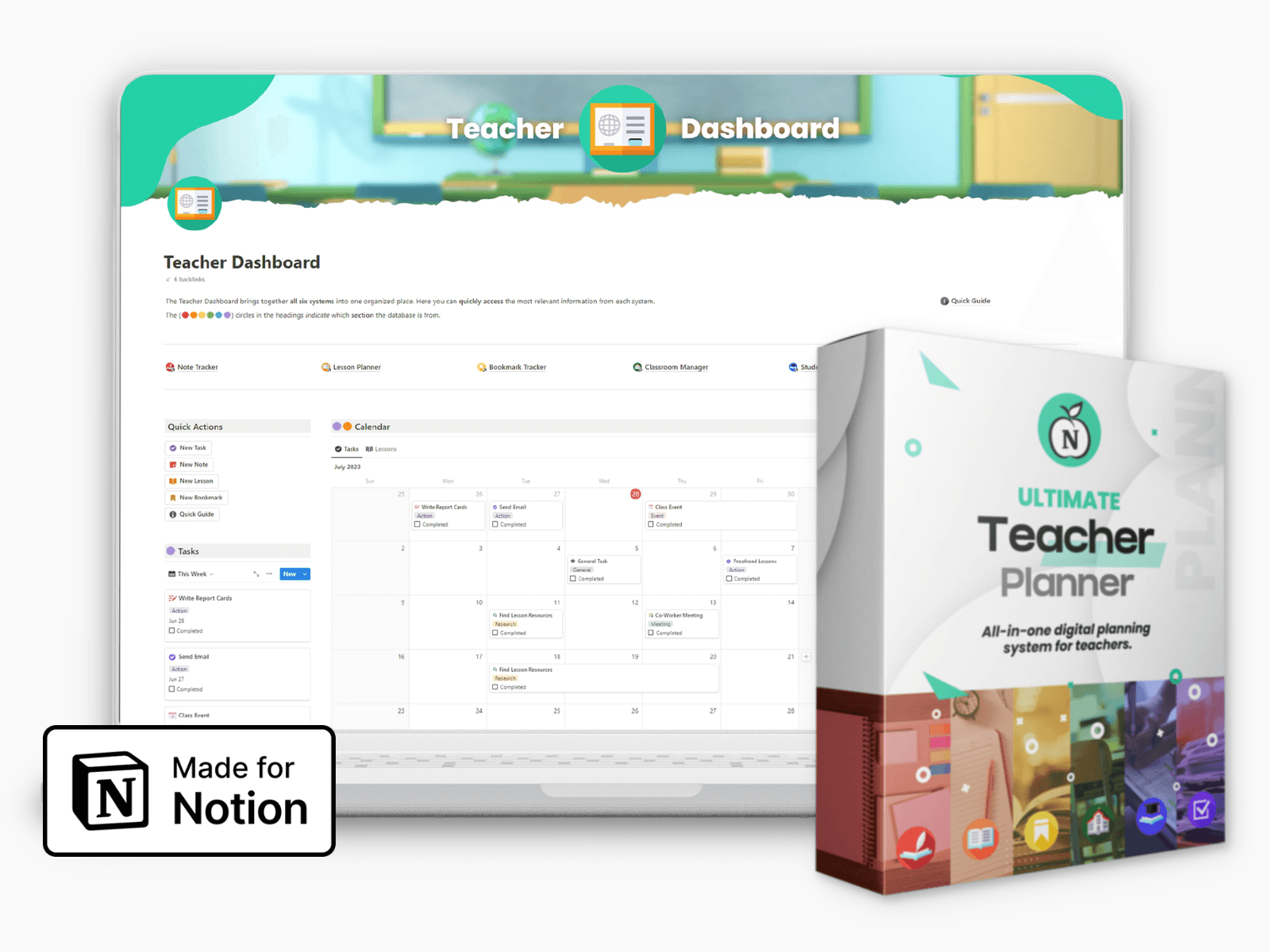
Ultimate Teacher Planner
The ultimate all-in-one education management system in Notion.
Learn More
Table of Contents
The world of English language teaching is changing faster than ever before. New technologies appear almost daily, artificial intelligence is becoming increasingly integrated into educational settings, and learners expect far more than traditional lessons built around a coursebook and a whiteboard.
For many teachers, this creates both exciting opportunities and significant challenges. There are now countless tools, methodologies, and professional development options available. While this abundance of resources can be empowering, it can also feel overwhelming. With so many trends competing for attention, how can teachers identify the skills that will genuinely improve their teaching and support long-term career growth?
The answer lies not in chasing every new trend, but in developing a balanced combination of digital competence, pedagogical expertise, adaptability, and human-centred teaching skills.
The Teacher’s Role Has Expanded
A decade ago, a successful English language teacher was often defined by strong language awareness and solid classroom management skills. While these remain important, the expectations placed on teachers today are far broader.
Modern educators are expected to design engaging learning experiences, evaluate digital resources, personalise instruction, support learner wellbeing, and often teach students from different countries, cultures, and backgrounds. In many cases, teachers are no longer simply delivering knowledge—they are helping learners navigate information, develop critical thinking skills, and become independent users of English.
This shift means that professional development should focus not only on language teaching methodology but also on broader educational competencies.
Developing Digital Confidence Rather Than Collecting Tools
One of the biggest misconceptions in education is that effective digital teaching requires mastering every new platform or application. In reality, successful teachers are not those who use the most tools, but those who choose the right tools for specific learning outcomes.
Digital literacy in 2026 means understanding how technology can support learning rather than distract from it.
For example, before introducing a new application into the classroom, teachers should ask themselves:
Does this tool help learners achieve a specific objective?
Does it improve engagement or understanding?
Is it accessible and easy for learners to use?
Does it save time without reducing learning quality?
Teachers who develop this mindset are far more likely to use technology effectively than those who simply follow trends.
A practical strategy is to focus on mastering one new digital tool each month instead of trying to learn several at once. Over the course of a year, this approach can significantly expand a teacher’s digital toolkit without creating unnecessary stress.
AI Is a Teaching Assistant, Not a Replacement
Artificial intelligence has become one of the most discussed topics in education. While some teachers worry about its impact, many are already discovering how it can support lesson planning and material creation.
AI can generate discussion questions, adapt texts for different proficiency levels, create vocabulary exercises, and provide ideas for communicative activities within seconds.
However, the most valuable skill is not using AI itself—it is knowing how to evaluate its output.
Teachers should always review AI-generated materials for:
linguistic accuracy;
cultural appropriacy;
relevance to lesson objectives;
age suitability;
factual correctness.
The teachers who will thrive in the coming years are not necessarily those with the most advanced technical skills, but those who can combine technological efficiency with professional judgement.
Personalisation Is Becoming an Expectation
Today’s learners increasingly expect learning experiences that reflect their individual goals and interests.
A business professional preparing for international meetings, a teenager planning to study abroad, and a university student preparing for examinations all require different approaches, even when their language level is similar.
Personalisation does not mean creating completely different lessons for every learner. Instead, it involves making small adjustments that increase relevance.
Teachers can personalise learning by:
allowing learners to choose discussion topics;
offering task options with varying levels of challenge;
incorporating learners’ professional or academic interests;
providing personalised feedback and learning goals.
These relatively simple practices often have a greater impact on learner motivation than large-scale curriculum changes.

Online and Hybrid Teaching Are Here to Stay
Although online teaching expanded rapidly in recent years, it is no longer viewed as a temporary solution. Instead, it has become a permanent feature of modern education.
As a result, teachers increasingly need to feel comfortable working in online and hybrid environments. This includes not only using digital platforms but also understanding how to build interaction and maintain engagement when learners are not physically present in the same room.
Successful online teachers often focus on three key principles:
First, they keep instructions clear and concise.
Second, they create opportunities for collaboration through pair and group work.
Third, they vary lesson activities regularly to maintain attention and energy.
Many teachers develop these skills through specialised professional development programmes and online learning communities. Platforms such as Grade University digital platform provide opportunities to explore modern teaching approaches, develop digital competencies, and learn from experienced educators working across different educational contexts.
Engagement Matters More Than Entertainment
Many teachers feel pressure to make every lesson exciting. However, engagement and entertainment are not the same thing.
Research consistently shows that learners remain motivated when they see progress, feel challenged at an appropriate level, and actively participate in meaningful tasks.
Rather than focusing solely on games or technology, teachers should aim to create lessons that require learners to think, communicate, solve problems, and collaborate.
Approaches such as task-based learning, project work, and real-world communication tasks help learners connect classroom activities to genuine language use.
When students understand why they are completing an activity and how it supports their goals, engagement tends to increase naturally.
Human Skills Remain Irreplaceable
While technology continues to transform education, some of the most important teaching skills remain deeply human.
Learners remember teachers who encouraged them, understood their challenges, and created safe environments for learning.
Emotional intelligence plays a crucial role in building these experiences. Teachers who listen actively, provide constructive feedback, and respond sensitively to learner needs often achieve stronger learning outcomes than those who focus exclusively on content delivery.
In an increasingly digital world, these interpersonal skills may become even more valuable rather than less.
Make Professional Development a Habit
Perhaps the most important skill for any teacher in 2026 is the ability to continue learning.
The most successful educators do not wait until they feel behind before developing new skills. Instead, they make professional learning part of their regular routine.
This does not necessarily require major investments of time or money. Reading one professional article each week, attending a webinar each month, participating in teaching communities, or completing a short online course can lead to significant growth over time.
Small, consistent actions often have a greater long-term impact than occasional intensive training.
Looking Ahead
The future of English language teaching will continue to evolve, but one thing is unlikely to change: great teachers will always combine expertise with adaptability.
In 2026, successful educators will be those who embrace technology without becoming dependent on it, personalise learning without overwhelming themselves, and continue developing professionally while maintaining the human connection at the heart of effective teaching.
The teachers who invest in these skills today will be best positioned to grow their careers, support their learners, and thrive in an increasingly dynamic educational landscape.
The world of English language teaching is changing faster than ever before. New technologies appear almost daily, artificial intelligence is becoming increasingly integrated into educational settings, and learners expect far more than traditional lessons built around a coursebook and a whiteboard.
For many teachers, this creates both exciting opportunities and significant challenges. There are now countless tools, methodologies, and professional development options available. While this abundance of resources can be empowering, it can also feel overwhelming. With so many trends competing for attention, how can teachers identify the skills that will genuinely improve their teaching and support long-term career growth?
The answer lies not in chasing every new trend, but in developing a balanced combination of digital competence, pedagogical expertise, adaptability, and human-centred teaching skills.
The Teacher’s Role Has Expanded
A decade ago, a successful English language teacher was often defined by strong language awareness and solid classroom management skills. While these remain important, the expectations placed on teachers today are far broader.
Modern educators are expected to design engaging learning experiences, evaluate digital resources, personalise instruction, support learner wellbeing, and often teach students from different countries, cultures, and backgrounds. In many cases, teachers are no longer simply delivering knowledge—they are helping learners navigate information, develop critical thinking skills, and become independent users of English.
This shift means that professional development should focus not only on language teaching methodology but also on broader educational competencies.
Developing Digital Confidence Rather Than Collecting Tools
One of the biggest misconceptions in education is that effective digital teaching requires mastering every new platform or application. In reality, successful teachers are not those who use the most tools, but those who choose the right tools for specific learning outcomes.
Digital literacy in 2026 means understanding how technology can support learning rather than distract from it.
For example, before introducing a new application into the classroom, teachers should ask themselves:
Does this tool help learners achieve a specific objective?
Does it improve engagement or understanding?
Is it accessible and easy for learners to use?
Does it save time without reducing learning quality?
Teachers who develop this mindset are far more likely to use technology effectively than those who simply follow trends.
A practical strategy is to focus on mastering one new digital tool each month instead of trying to learn several at once. Over the course of a year, this approach can significantly expand a teacher’s digital toolkit without creating unnecessary stress.
AI Is a Teaching Assistant, Not a Replacement
Artificial intelligence has become one of the most discussed topics in education. While some teachers worry about its impact, many are already discovering how it can support lesson planning and material creation.
AI can generate discussion questions, adapt texts for different proficiency levels, create vocabulary exercises, and provide ideas for communicative activities within seconds.
However, the most valuable skill is not using AI itself—it is knowing how to evaluate its output.
Teachers should always review AI-generated materials for:
linguistic accuracy;
cultural appropriacy;
relevance to lesson objectives;
age suitability;
factual correctness.
The teachers who will thrive in the coming years are not necessarily those with the most advanced technical skills, but those who can combine technological efficiency with professional judgement.
Personalisation Is Becoming an Expectation
Today’s learners increasingly expect learning experiences that reflect their individual goals and interests.
A business professional preparing for international meetings, a teenager planning to study abroad, and a university student preparing for examinations all require different approaches, even when their language level is similar.
Personalisation does not mean creating completely different lessons for every learner. Instead, it involves making small adjustments that increase relevance.
Teachers can personalise learning by:
allowing learners to choose discussion topics;
offering task options with varying levels of challenge;
incorporating learners’ professional or academic interests;
providing personalised feedback and learning goals.
These relatively simple practices often have a greater impact on learner motivation than large-scale curriculum changes.
Online and Hybrid Teaching Are Here to Stay
Although online teaching expanded rapidly in recent years, it is no longer viewed as a temporary solution. Instead, it has become a permanent feature of modern education.
As a result, teachers increasingly need to feel comfortable working in online and hybrid environments. This includes not only using digital platforms but also understanding how to build interaction and maintain engagement when learners are not physically present in the same room.
Successful online teachers often focus on three key principles:
First, they keep instructions clear and concise.
Second, they create opportunities for collaboration through pair and group work.
Third, they vary lesson activities regularly to maintain attention and energy.
Many teachers develop these skills through specialised professional development programmes and online learning communities. Platforms such as Grade University digital platform provide opportunities to explore modern teaching approaches, develop digital competencies, and learn from experienced educators working across different educational contexts.
Engagement Matters More Than Entertainment
Many teachers feel pressure to make every lesson exciting. However, engagement and entertainment are not the same thing.
Research consistently shows that learners remain motivated when they see progress, feel challenged at an appropriate level, and actively participate in meaningful tasks.
Rather than focusing solely on games or technology, teachers should aim to create lessons that require learners to think, communicate, solve problems, and collaborate.
Approaches such as task-based learning, project work, and real-world communication tasks help learners connect classroom activities to genuine language use.
When students understand why they are completing an activity and how it supports their goals, engagement tends to increase naturally.
Human Skills Remain Irreplaceable
While technology continues to transform education, some of the most important teaching skills remain deeply human.
Learners remember teachers who encouraged them, understood their challenges, and created safe environments for learning.
Emotional intelligence plays a crucial role in building these experiences. Teachers who listen actively, provide constructive feedback, and respond sensitively to learner needs often achieve stronger learning outcomes than those who focus exclusively on content delivery.
In an increasingly digital world, these interpersonal skills may become even more valuable rather than less.
Make Professional Development a Habit
Perhaps the most important skill for any teacher in 2026 is the ability to continue learning.
The most successful educators do not wait until they feel behind before developing new skills. Instead, they make professional learning part of their regular routine.
This does not necessarily require major investments of time or money. Reading one professional article each week, attending a webinar each month, participating in teaching communities, or completing a short online course can lead to significant growth over time.
Small, consistent actions often have a greater long-term impact than occasional intensive training.
Looking Ahead
The future of English language teaching will continue to evolve, but one thing is unlikely to change: great teachers will always combine expertise with adaptability.
In 2026, successful educators will be those who embrace technology without becoming dependent on it, personalise learning without overwhelming themselves, and continue developing professionally while maintaining the human connection at the heart of effective teaching.
The teachers who invest in these skills today will be best positioned to grow their careers, support their learners, and thrive in an increasingly dynamic educational landscape.
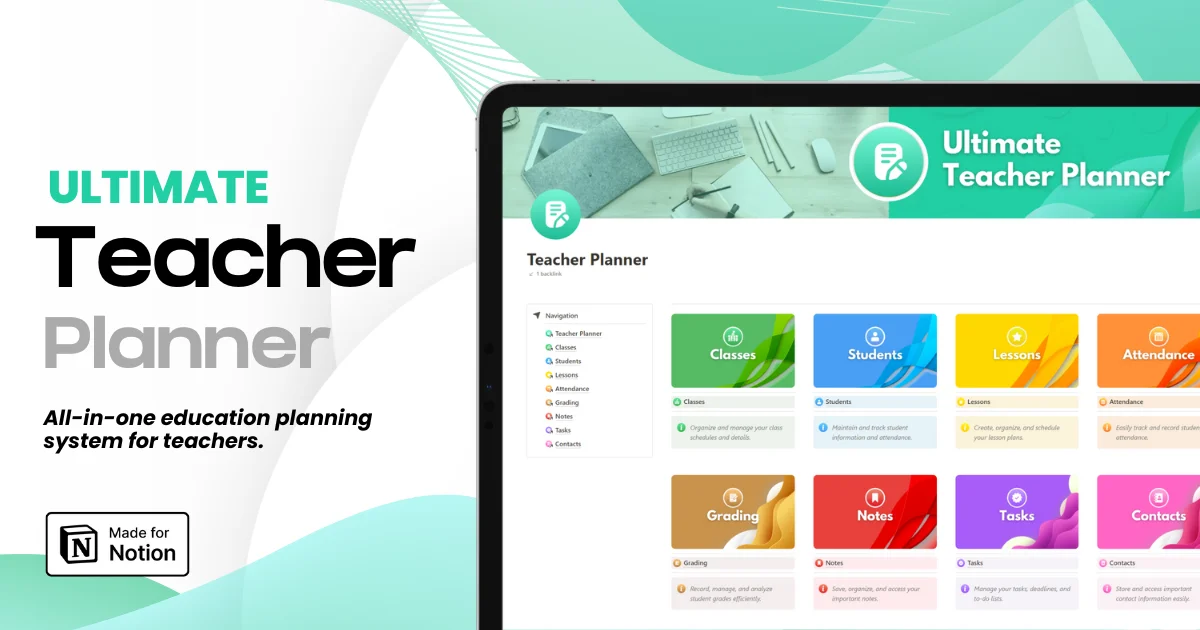
Ultimate Teacher Planner
The ultimate all-in-one education management system in Notion.
Learn More
Ultimate Teacher Planner
The ultimate all-in-one education management system in Notion.
Learn More


Notion4Teachers
Notion templates to simplify administrative tasks and enhance your teaching experience.



2026 Notion4Teachers. All Rights Reserved.
Notion4Teachers
Notion templates to simplify administrative tasks and enhance your teaching experience.
2026 Notion4Teachers. All Rights Reserved.
Notion4Teachers
Notion templates to simplify administrative tasks and enhance your teaching experience.
2026 Notion4Teachers. All Rights Reserved.