
What You'll Learn in a Master's in Hospitality Management
What You'll Learn in a Master's in Hospitality Management

Article by
Milo
ESL Content Coordinator & Educator
ESL Content Coordinator & Educator
All Posts
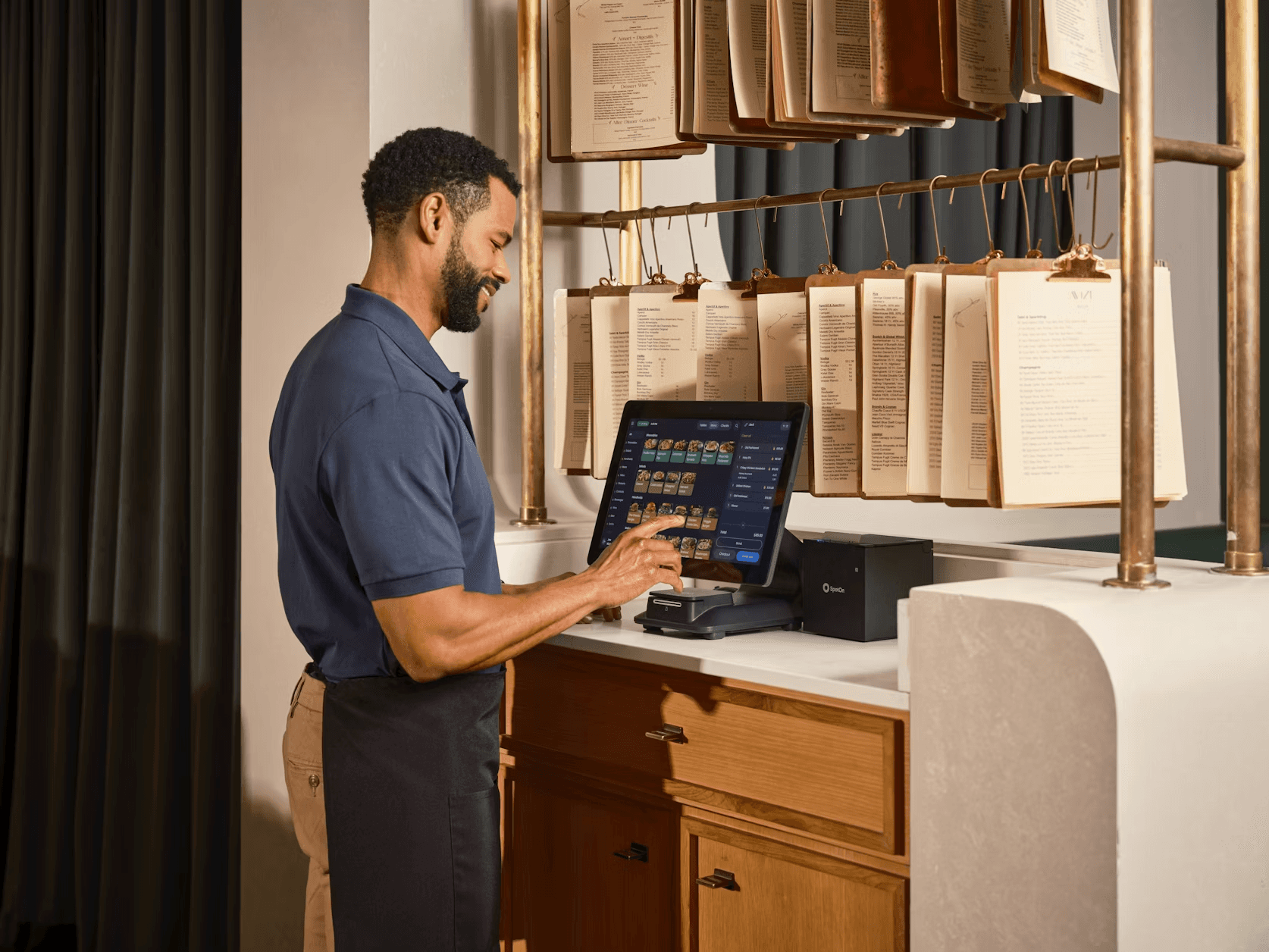
A hotel can be fully booked and still underperform. Rooms may sell at the wrong price, labour costs can rise faster than revenue, and a smooth check-in means little if guests leave poor reviews after breakfast.
Hospitality management programmes examine the decisions behind these outcomes. Students learn how operations, finance, people, technology and guest expectations interact inside a business that runs around the clock.
Still grading everything by hand?
EMStudio is a free teaching management app — manage your classes, students, lessons, and more!
Learn More
Still grading everything by hand?
EMStudio is a free teaching management app — manage your classes, students, lessons, and more!
Learn More
Table of Contents
Start with the Curriculum, Not the Degree Name
Hospitality degrees do not all approach the industry in the same way. One may concentrate on hotel operations, while another gives more attention to luxury brands, tourism, real estate, events or food and beverage management.
Before applying, students can compare masters in hospitality management by reviewing their duration, study format, location and individual programme focus. Reading the actual module list then reveals whether a course is designed for operational managers, commercial specialists, entrepreneurs or future hotel investors.
That distinction affects almost every assignment that follows. A programme built around hotel development may devote considerable time to property valuation and asset strategy, while an operations-led degree may place greater weight on staffing, service design and daily performance.
A Hotel Is Studied as a Working Business
Hotel operations modules often begin with the movement of guests through a property. Students examine reservations, front-office procedures, housekeeping schedules, food service, maintenance and the coordination required when occupancy suddenly changes.
The financial side asks a different question: is the property creating enough value from its rooms, facilities and staff? Classes may cover budgeting, profit and loss statements, cash flow, departmental costs and performance measures including average daily rate, occupancy and revenue per available room. Typical subjects include:
Revenue management, including demand forecasting, pricing, distribution channels and room inventory.
Digital marketing, covering direct bookings, search visibility, social media, online reputation and campaign measurement.
Human resources, with attention to recruitment, training, staff retention, scheduling and workplace culture.
Service quality, including guest feedback, complaint handling, service recovery and experience design.
Business analytics, using operational and customer data to identify patterns and support decisions.
Asset management, examining property performance, investment priorities, renovation plans and owner-operator relationships.
These areas are taught together because hotel decisions rarely stay within one department. A discounted room rate may increase occupancy, for example, but it can also place pressure on housekeeping, breakfast service and staffing costs.
Students therefore learn to judge the full commercial effect of a decision rather than looking at one attractive figure in isolation.
What Happens Beyond the Lecture Hall
Lectures provide the concepts and vocabulary needed to understand hospitality businesses. They are useful for learning financial models, leadership theory, consumer behaviour and the principles behind pricing or service design.
Simulations introduce time pressure and incomplete information. A class might manage a virtual hotel through changing demand, competitor price moves, staffing problems and unexpected operating costs, then compare which decisions produced the strongest overall result.
Consultancy projects involve a real or realistic business question. Students may audit a hotel’s digital customer journey, propose a new revenue strategy, evaluate guest reviews or prepare an expansion plan for a hospitality company.
Internships are different again because students join an operating workplace. They see how policies are applied during busy shifts, how departments communicate and why a solution that looks efficient in a report may need adjustment in practice.
Sustainability Becomes an Operational Subject
Sustainability is increasingly taught through purchasing, energy use, water, waste, building performance and employee behaviour rather than as a separate statement of values. The World Academy for Sustainable Hospitality reflects this practical approach by offering department-focused sustainability training developed for hospitality teams.
For students, the central lesson is that environmental and commercial decisions often meet in daily operations. Reducing food waste, improving energy efficiency or training staff can affect costs, guest expectations and long-term property performance at the same time.
Learning to See the Whole Property
By graduation, students should be able to connect what happens at reception with decisions made in finance, marketing, human resources and ownership meetings. The degree is ultimately about understanding the hotel as one system, where every department influences both the guest experience and the final numbers.
That broader view is what separates advanced hospitality management from simply knowing how one department works. It prepares graduates to ask better questions before making decisions that affect an entire property.
Start with the Curriculum, Not the Degree Name
Hospitality degrees do not all approach the industry in the same way. One may concentrate on hotel operations, while another gives more attention to luxury brands, tourism, real estate, events or food and beverage management.
Before applying, students can compare masters in hospitality management by reviewing their duration, study format, location and individual programme focus. Reading the actual module list then reveals whether a course is designed for operational managers, commercial specialists, entrepreneurs or future hotel investors.
That distinction affects almost every assignment that follows. A programme built around hotel development may devote considerable time to property valuation and asset strategy, while an operations-led degree may place greater weight on staffing, service design and daily performance.
A Hotel Is Studied as a Working Business
Hotel operations modules often begin with the movement of guests through a property. Students examine reservations, front-office procedures, housekeeping schedules, food service, maintenance and the coordination required when occupancy suddenly changes.
The financial side asks a different question: is the property creating enough value from its rooms, facilities and staff? Classes may cover budgeting, profit and loss statements, cash flow, departmental costs and performance measures including average daily rate, occupancy and revenue per available room. Typical subjects include:
Revenue management, including demand forecasting, pricing, distribution channels and room inventory.
Digital marketing, covering direct bookings, search visibility, social media, online reputation and campaign measurement.
Human resources, with attention to recruitment, training, staff retention, scheduling and workplace culture.
Service quality, including guest feedback, complaint handling, service recovery and experience design.
Business analytics, using operational and customer data to identify patterns and support decisions.
Asset management, examining property performance, investment priorities, renovation plans and owner-operator relationships.
These areas are taught together because hotel decisions rarely stay within one department. A discounted room rate may increase occupancy, for example, but it can also place pressure on housekeeping, breakfast service and staffing costs.
Students therefore learn to judge the full commercial effect of a decision rather than looking at one attractive figure in isolation.
What Happens Beyond the Lecture Hall
Lectures provide the concepts and vocabulary needed to understand hospitality businesses. They are useful for learning financial models, leadership theory, consumer behaviour and the principles behind pricing or service design.
Simulations introduce time pressure and incomplete information. A class might manage a virtual hotel through changing demand, competitor price moves, staffing problems and unexpected operating costs, then compare which decisions produced the strongest overall result.
Consultancy projects involve a real or realistic business question. Students may audit a hotel’s digital customer journey, propose a new revenue strategy, evaluate guest reviews or prepare an expansion plan for a hospitality company.
Internships are different again because students join an operating workplace. They see how policies are applied during busy shifts, how departments communicate and why a solution that looks efficient in a report may need adjustment in practice.
Sustainability Becomes an Operational Subject
Sustainability is increasingly taught through purchasing, energy use, water, waste, building performance and employee behaviour rather than as a separate statement of values. The World Academy for Sustainable Hospitality reflects this practical approach by offering department-focused sustainability training developed for hospitality teams.
For students, the central lesson is that environmental and commercial decisions often meet in daily operations. Reducing food waste, improving energy efficiency or training staff can affect costs, guest expectations and long-term property performance at the same time.
Learning to See the Whole Property
By graduation, students should be able to connect what happens at reception with decisions made in finance, marketing, human resources and ownership meetings. The degree is ultimately about understanding the hotel as one system, where every department influences both the guest experience and the final numbers.
That broader view is what separates advanced hospitality management from simply knowing how one department works. It prepares graduates to ask better questions before making decisions that affect an entire property.
Still grading everything by hand?
EMStudio is a free teaching management app — manage your classes, students, lessons, and more!
Learn More
Still grading everything by hand?
EMStudio is a free teaching management app — manage your classes, students, lessons, and more!
Learn More



Notion4Teachers
Notion templates to simplify administrative tasks and enhance your teaching experience.



2026 Notion4Teachers. All Rights Reserved.
Notion4Teachers
Notion templates to simplify administrative tasks and enhance your teaching experience.
2026 Notion4Teachers. All Rights Reserved.
Notion4Teachers
Notion templates to simplify administrative tasks and enhance your teaching experience.
2026 Notion4Teachers. All Rights Reserved.