
The End of Year Financial Checklist for Teachers Who Tutor or Freelance
The End of Year Financial Checklist for Teachers Who Tutor or Freelance

Article by
Milo
ESL Content Coordinator & Educator
ESL Content Coordinator & Educator
All Posts
A little organisation at the end of each financial year makes a real difference, not just to how smoothly the process goes but to how much you actually keep. Here is a practical checklist for teachers who tutor privately, create and sell educational resources, run courses, or earn any kind of freelance income alongside their main salary.
Still grading everything by hand?
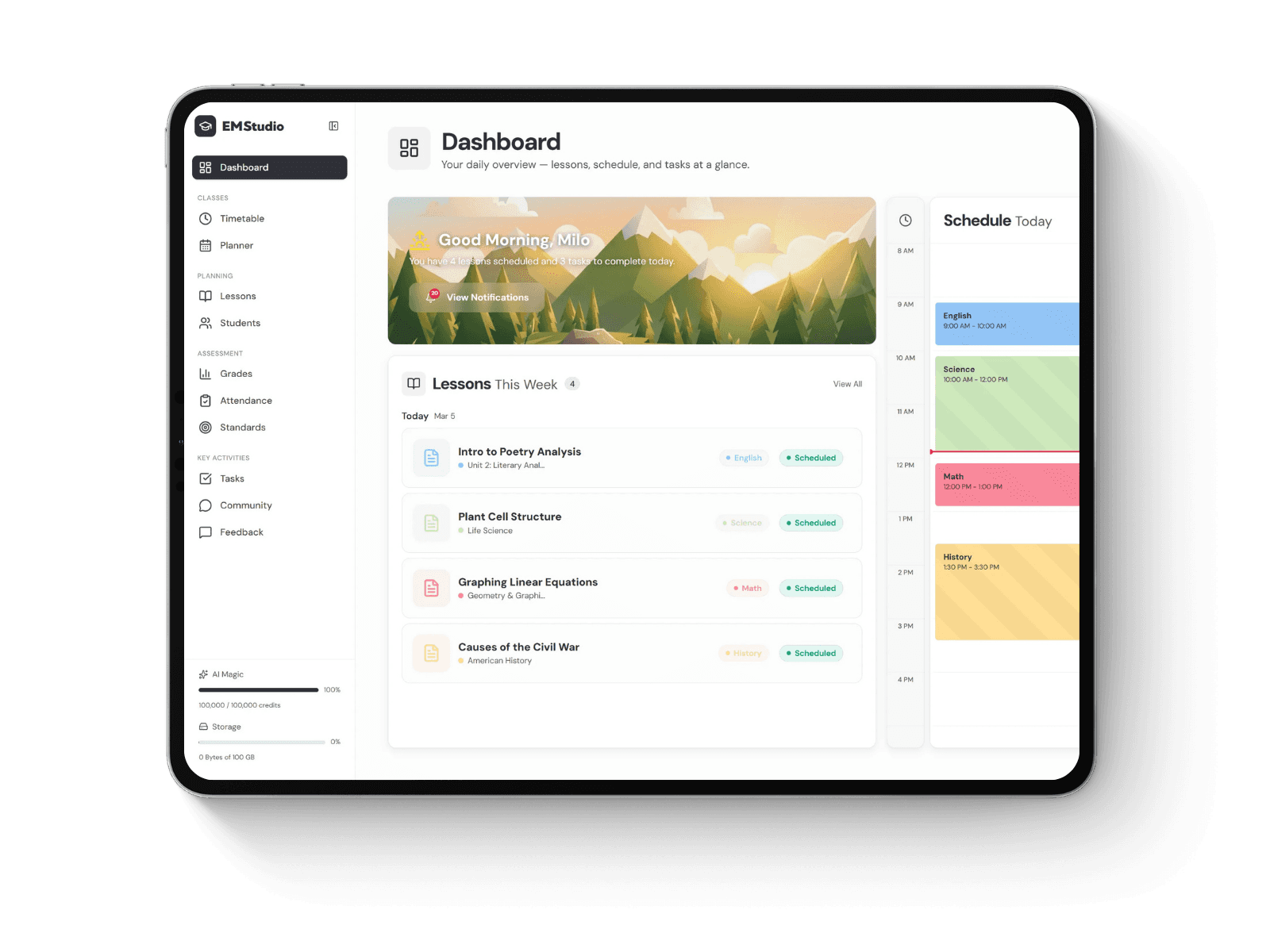
EMStudio is a free teaching management app — manage your classes, students, lessons, and more!
Learn More
Still grading everything by hand?
EMStudio is a free teaching management app — manage your classes, students, lessons, and more!
Learn More
Table of Contents
1. Confirm You Are Registered for Self Assessment
If you earned more than £1,000 from self-employment in the tax year, you are required to register for Self Assessment with HMRC and file a tax return. This threshold applies to your total self-employment income before expenses, not your profit.
Many teachers assume that because tutoring income is modest, it does not need to be declared. That is not how it works. The £1,000 trading allowance means you can earn up to that amount without declaring it, but once you exceed it, registration is required. Missing the registration deadline, which is October 5th following the end of the tax year in which you first earned self-employment income, results in penalties.
If you are already registered, confirm your Unique Taxpayer Reference is still active and that your contact details with HMRC are current.
2. Total Your Self-Employment Income
Gather every source of income from tutoring or freelance work during the tax year. This includes cash payments, bank transfers, payments through platforms like Tutorful or Teachable, and any income from selling resources on platforms like Teachers Pay Teachers.
If you use a platform that sends a 1099 or equivalent earnings summary, keep that document. If you are paid directly by clients or parents, your bank statements are your primary record.
Total the income before deducting anything. You need the gross figure for the tax return, with expenses deducted separately.
3. Identify Your Allowable Expenses
This is where most teachers with tutoring income leave money behind. Expenses that are wholly and exclusively for your tutoring or freelance work can be deducted from your income, reducing the amount you pay tax on.
Common allowable expenses for teachers who tutor or create educational content include:
Stationery, printing, and physical resources purchased specifically for tutoring sessions. A proportion of your home internet and phone costs if you use them for your tutoring business. Equipment such as a laptop, tablet, printer, or ring light purchased for tutoring or content creation. Subscriptions to platforms, software, or tools used for your tutoring business. Professional development courses directly relevant to your freelance work. Marketing costs including website fees or paid advertising.
The key test for each expense is whether it was incurred wholly and exclusively for your self-employment. A general purchase that you also use personally does not qualify in full, though a reasonable business proportion may be claimable.
According toTurnerBerry, a specialist accounting firm, one of the most consistent findings when reviewing self-employed teacher accounts for the first time is that legitimate expenses have simply not been claimed. The oversight is rarely deliberate. It is usually the result of not knowing what qualifies.
4. Check Whether You Need to Register for VAT
VAT registration in the UK becomes mandatory once your taxable turnover exceeds £90,000 in a rolling twelve-month period. For most individual tutors this is not an immediate concern.
However, if you sell digital educational resources to customers in other countries, different VAT rules may apply depending on where your customers are based and which platforms you use to sell. Some platforms handle VAT on your behalf for international sales. Others do not. Understanding which situation applies to you is worth checking before it becomes a problem.
If you are approaching the threshold or sell internationally at any scale, getting clarity on your VAT position before the end of the year is considerably easier than addressing it retrospectively.
5. Set Aside Your Tax Liability
Self Assessment tax payments are due in two instalments: January 31st for the previous year's balance and any first payment on account for the current year, and July 31st for the second payment on account.
Many first-time self-employed teachers are caught off guard by the payment on account system, which requires you to pre-pay an estimated amount of the following year's tax alongside settling the previous year's bill. If you have not been setting money aside throughout the year, January can be a painful month.
A reasonable rule of thumb is to set aside 20 to 25 percent of your net tutoring profit in a separate account as you go. This is not a precise calculation but it provides a working buffer for most basic-rate taxpayers with modest self-employment income.
6. Organise Your Records Before Filing
The Self Assessment filing deadline for online returns is January 31st. The record-keeping requirement is that you retain supporting documents for at least five years after the filing deadline.
Before the end of the tax year, gather and organise your income records, expense receipts, bank statements covering your tutoring income, and any platform earnings summaries. Doing this while the year is still recent is considerably less painful than reconstructing records months later.
If you use accounting software, reconcile your accounts and export a summary. If you manage everything manually, a simple spreadsheet with income and expense columns, supported by receipts, is sufficient for HMRC's purposes.
7. Consider Whether Professional Help Is Worth It
For teachers with straightforward tutoring income and a small number of expenses, self-filing through HMRC's online portal is entirely manageable. The process is more straightforward than its reputation suggests, particularly if your records are in order.
The calculation changes when income grows, when multiple income streams are involved, when capital allowances or home office expenses become relevant, or when you are unsure how to handle a particular type of income or expense. At that point, the cost of an accountant is typically lower than the combined value of errors corrected and reliefs properly claimed.
The end of the year is also a natural moment to review whether your current approach to managing your self-employment finances is working, or whether a more structured arrangement would save you time and money going forward.
A Quick Reference Summary
Confirm Self Assessment registration if you earned over £1,000 from self-employment
Total all tutoring and freelance income for the year
Identify and document all allowable expenses
Check your VAT position if relevant
Set aside funds for your January tax bill
Organise records and receipts before filing
Consider professional support if your situation is complex
The earlier in the year you work through this list, the less stressful January becomes.
1. Confirm You Are Registered for Self Assessment
If you earned more than £1,000 from self-employment in the tax year, you are required to register for Self Assessment with HMRC and file a tax return. This threshold applies to your total self-employment income before expenses, not your profit.
Many teachers assume that because tutoring income is modest, it does not need to be declared. That is not how it works. The £1,000 trading allowance means you can earn up to that amount without declaring it, but once you exceed it, registration is required. Missing the registration deadline, which is October 5th following the end of the tax year in which you first earned self-employment income, results in penalties.
If you are already registered, confirm your Unique Taxpayer Reference is still active and that your contact details with HMRC are current.
2. Total Your Self-Employment Income
Gather every source of income from tutoring or freelance work during the tax year. This includes cash payments, bank transfers, payments through platforms like Tutorful or Teachable, and any income from selling resources on platforms like Teachers Pay Teachers.
If you use a platform that sends a 1099 or equivalent earnings summary, keep that document. If you are paid directly by clients or parents, your bank statements are your primary record.
Total the income before deducting anything. You need the gross figure for the tax return, with expenses deducted separately.
3. Identify Your Allowable Expenses
This is where most teachers with tutoring income leave money behind. Expenses that are wholly and exclusively for your tutoring or freelance work can be deducted from your income, reducing the amount you pay tax on.
Common allowable expenses for teachers who tutor or create educational content include:
Stationery, printing, and physical resources purchased specifically for tutoring sessions. A proportion of your home internet and phone costs if you use them for your tutoring business. Equipment such as a laptop, tablet, printer, or ring light purchased for tutoring or content creation. Subscriptions to platforms, software, or tools used for your tutoring business. Professional development courses directly relevant to your freelance work. Marketing costs including website fees or paid advertising.
The key test for each expense is whether it was incurred wholly and exclusively for your self-employment. A general purchase that you also use personally does not qualify in full, though a reasonable business proportion may be claimable.
According toTurnerBerry, a specialist accounting firm, one of the most consistent findings when reviewing self-employed teacher accounts for the first time is that legitimate expenses have simply not been claimed. The oversight is rarely deliberate. It is usually the result of not knowing what qualifies.
4. Check Whether You Need to Register for VAT
VAT registration in the UK becomes mandatory once your taxable turnover exceeds £90,000 in a rolling twelve-month period. For most individual tutors this is not an immediate concern.
However, if you sell digital educational resources to customers in other countries, different VAT rules may apply depending on where your customers are based and which platforms you use to sell. Some platforms handle VAT on your behalf for international sales. Others do not. Understanding which situation applies to you is worth checking before it becomes a problem.
If you are approaching the threshold or sell internationally at any scale, getting clarity on your VAT position before the end of the year is considerably easier than addressing it retrospectively.
5. Set Aside Your Tax Liability
Self Assessment tax payments are due in two instalments: January 31st for the previous year's balance and any first payment on account for the current year, and July 31st for the second payment on account.
Many first-time self-employed teachers are caught off guard by the payment on account system, which requires you to pre-pay an estimated amount of the following year's tax alongside settling the previous year's bill. If you have not been setting money aside throughout the year, January can be a painful month.
A reasonable rule of thumb is to set aside 20 to 25 percent of your net tutoring profit in a separate account as you go. This is not a precise calculation but it provides a working buffer for most basic-rate taxpayers with modest self-employment income.
6. Organise Your Records Before Filing
The Self Assessment filing deadline for online returns is January 31st. The record-keeping requirement is that you retain supporting documents for at least five years after the filing deadline.
Before the end of the tax year, gather and organise your income records, expense receipts, bank statements covering your tutoring income, and any platform earnings summaries. Doing this while the year is still recent is considerably less painful than reconstructing records months later.
If you use accounting software, reconcile your accounts and export a summary. If you manage everything manually, a simple spreadsheet with income and expense columns, supported by receipts, is sufficient for HMRC's purposes.
7. Consider Whether Professional Help Is Worth It
For teachers with straightforward tutoring income and a small number of expenses, self-filing through HMRC's online portal is entirely manageable. The process is more straightforward than its reputation suggests, particularly if your records are in order.
The calculation changes when income grows, when multiple income streams are involved, when capital allowances or home office expenses become relevant, or when you are unsure how to handle a particular type of income or expense. At that point, the cost of an accountant is typically lower than the combined value of errors corrected and reliefs properly claimed.
The end of the year is also a natural moment to review whether your current approach to managing your self-employment finances is working, or whether a more structured arrangement would save you time and money going forward.
A Quick Reference Summary
Confirm Self Assessment registration if you earned over £1,000 from self-employment
Total all tutoring and freelance income for the year
Identify and document all allowable expenses
Check your VAT position if relevant
Set aside funds for your January tax bill
Organise records and receipts before filing
Consider professional support if your situation is complex
The earlier in the year you work through this list, the less stressful January becomes.
Still grading everything by hand?
EMStudio is a free teaching management app — manage your classes, students, lessons, and more!
Learn More
Still grading everything by hand?
EMStudio is a free teaching management app — manage your classes, students, lessons, and more!
Learn More



Notion4Teachers
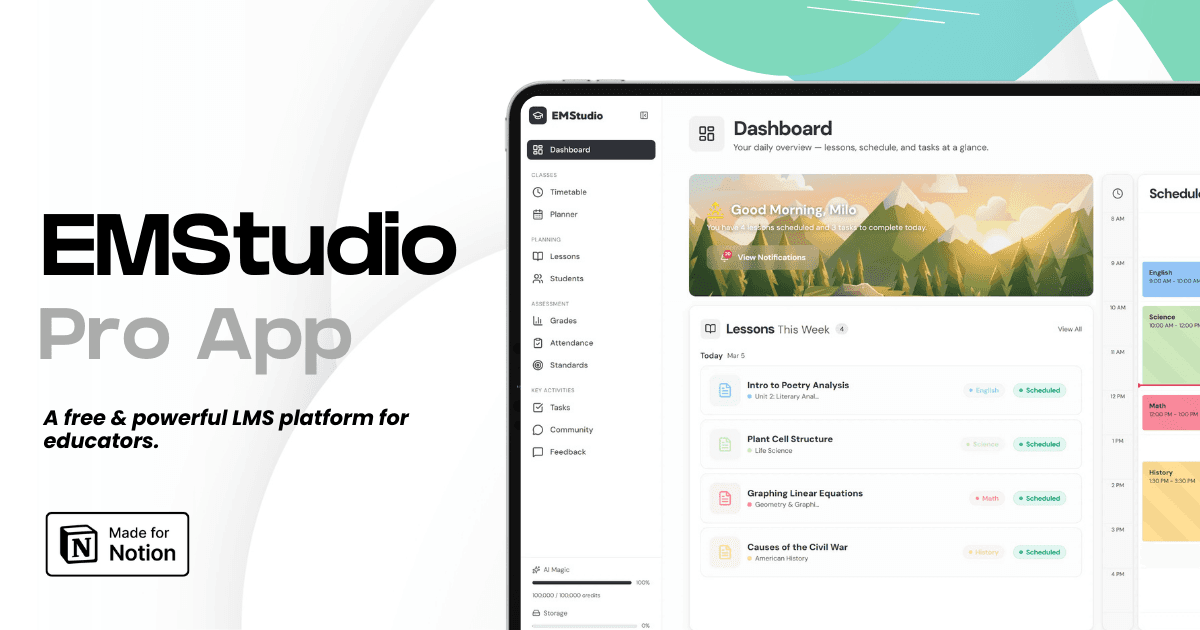
Notion templates to simplify administrative tasks and enhance your teaching experience.



2026 Notion4Teachers. All Rights Reserved.
Notion4Teachers
Notion templates to simplify administrative tasks and enhance your teaching experience.
2026 Notion4Teachers. All Rights Reserved.
Notion4Teachers
Notion templates to simplify administrative tasks and enhance your teaching experience.
2026 Notion4Teachers. All Rights Reserved.