
What Makes a High-Quality Early Learning Center Stand Out
What Makes a High-Quality Early Learning Center Stand Out

Article by
Milo
ESL Content Coordinator & Educator
ESL Content Coordinator & Educator
All Posts
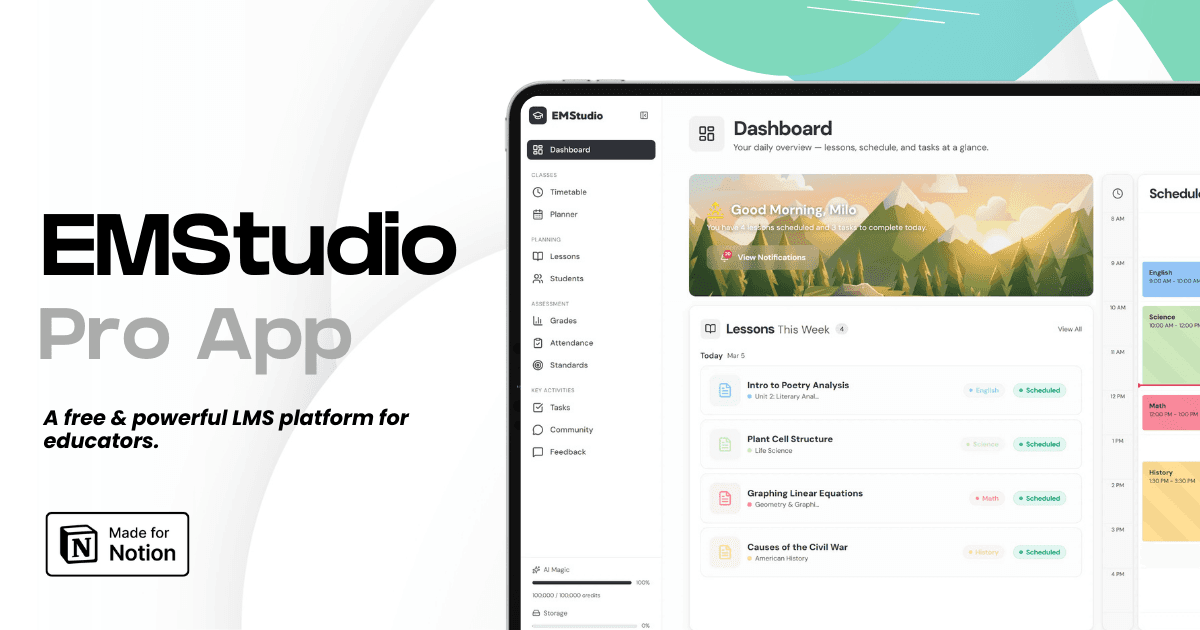
Still grading everything by hand?
EMStudio is a free teaching management app — manage your classes, students, lessons, and more!
Learn More
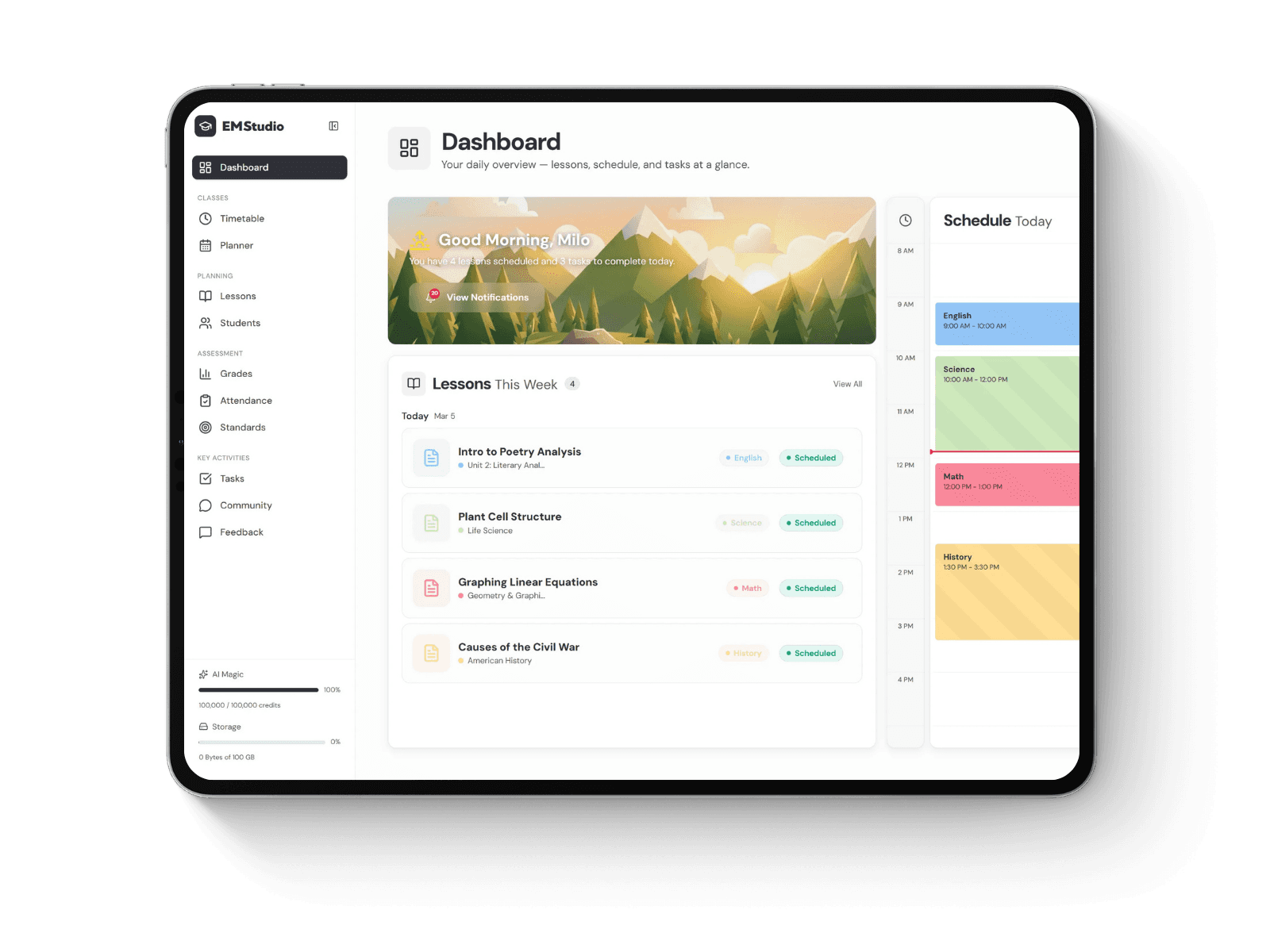
Still grading everything by hand?
EMStudio is a free teaching management app — manage your classes, students, lessons, and more!
Learn More
Table of Contents
What Makes a High-Quality Early Learning Center Stand Out?
One of the first things parents notice about an early learning center is the overall atmosphere. A high-quality center feels welcoming, calm, and supportive from the moment a family walks through the door. This sense of comfort is not just about bright colors or playful decorations. It comes from how staff interact with children, how spaces are arranged, and how routines are carried out throughout the day.
Young children thrive in environments where they feel secure. When a space is predictable and emotionally safe, children are more likely to explore, interact, and engage in learning activities. A nurturing setting also helps ease the transition from home to school, which can be challenging for many families. When children feel at ease, they are more open to forming connections and trying new things.
Qualified and Caring Educators
The quality of an early learning center is strongly shaped by the people who work there. Educators are not only responsible for teaching basic skills but also for guiding children through important stages of development. Well-trained teachers understand how young children learn and are able to create experiences that are both meaningful and age-appropriate.
Beyond formal qualifications, the ability to connect with children is what truly sets great educators apart. Patience, attentiveness, and genuine care make a significant difference in how children respond to learning. In some communities, families may come across names like St Nicks Early Education while exploring their options, but what matters most is whether the educators consistently demonstrate warmth, understanding, and professionalism in their daily interactions.
A Balanced and Thoughtful Curriculum
A strong early learning center offers a curriculum that supports the development of the whole child. While early literacy and numeracy are important, they are only one part of a much broader learning experience. A thoughtful curriculum includes opportunities for creative expression, physical activity, and social interaction.
Children learn best through active engagement. Activities that involve play, exploration, and discovery help children make sense of the world around them. Instead of focusing only on outcomes, high-quality programs emphasize the process of learning. This encourages children to think critically, experiment, and develop problem-solving skills.
Flexibility is also an important part of a good curriculum. Each child develops at their own pace, and effective programs allow room for adjustment based on individual needs. This approach helps ensure that every child feels included and supported in their learning journey.
Strong Focus on Social and Emotional Development
Early childhood is a critical time for building social and emotional skills. A high-quality learning center recognizes that these skills are just as important as academic knowledge. Children need to learn how to express their feelings, interact with others, and manage simple challenges.
Through guided activities and everyday interactions, children begin to understand concepts like sharing, cooperation, and empathy. Educators play an important role by modeling positive behavior and providing gentle support when conflicts arise. These experiences help children develop self-awareness and emotional resilience.
Safe, Clean, and Well-Organized Facilities
Safety and cleanliness are essential in any early learning environment. A high-quality center maintains spaces that are not only clean but also thoughtfully designed for young children. Furniture, materials, and play areas should be appropriate for their age and arranged in a way that encourages safe movement and exploration.
Clear routines and organized spaces also help children understand what to expect throughout the day. When an environment is structured and consistent, children can focus more on learning and less on uncertainty. This sense of order contributes to a calmer and more productive atmosphere.
Open Communication with Families
A high-quality early learning center values strong relationships with families. Open communication helps build trust and ensures that everyone is working together to support the child’s development. Parents should feel comfortable asking questions, sharing concerns, and receiving regular updates about their child’s progress.
Effective communication can take many forms, including daily conversations, written updates, or scheduled meetings. What matters most is consistency and clarity. When educators and families stay connected, it becomes easier to address challenges and celebrate achievements together.
This partnership also helps create a sense of continuity between home and school. When children see that the important adults in their lives are working together, they feel more secure and supported.
Encouragement of Curiosity and Independence
Children are naturally curious, and a high-quality early learning center nurtures this curiosity rather than limiting it. By providing opportunities for exploration and choice, educators encourage children to take an active role in their learning.
Independence grows when children are given the chance to make decisions, try new activities, and solve simple problems on their own. This does not mean leaving children without guidance, but rather supporting them as they build confidence in their abilities.
When curiosity is encouraged, learning becomes more enjoyable and meaningful. Children begin to see themselves as capable learners, which can have a lasting impact on their attitude toward education.
Conclusion
A high-quality early learning center stands out by combining a nurturing environment, dedicated educators, a well-rounded curriculum, and strong communication with families. Each of these elements contributes to a setting where children feel safe, valued, and motivated to learn. When these qualities come together, they create a positive foundation that supports both personal growth and future academic success.
What Makes a High-Quality Early Learning Center Stand Out?
One of the first things parents notice about an early learning center is the overall atmosphere. A high-quality center feels welcoming, calm, and supportive from the moment a family walks through the door. This sense of comfort is not just about bright colors or playful decorations. It comes from how staff interact with children, how spaces are arranged, and how routines are carried out throughout the day.
Young children thrive in environments where they feel secure. When a space is predictable and emotionally safe, children are more likely to explore, interact, and engage in learning activities. A nurturing setting also helps ease the transition from home to school, which can be challenging for many families. When children feel at ease, they are more open to forming connections and trying new things.
Qualified and Caring Educators
The quality of an early learning center is strongly shaped by the people who work there. Educators are not only responsible for teaching basic skills but also for guiding children through important stages of development. Well-trained teachers understand how young children learn and are able to create experiences that are both meaningful and age-appropriate.
Beyond formal qualifications, the ability to connect with children is what truly sets great educators apart. Patience, attentiveness, and genuine care make a significant difference in how children respond to learning. In some communities, families may come across names like St Nicks Early Education while exploring their options, but what matters most is whether the educators consistently demonstrate warmth, understanding, and professionalism in their daily interactions.
A Balanced and Thoughtful Curriculum
A strong early learning center offers a curriculum that supports the development of the whole child. While early literacy and numeracy are important, they are only one part of a much broader learning experience. A thoughtful curriculum includes opportunities for creative expression, physical activity, and social interaction.
Children learn best through active engagement. Activities that involve play, exploration, and discovery help children make sense of the world around them. Instead of focusing only on outcomes, high-quality programs emphasize the process of learning. This encourages children to think critically, experiment, and develop problem-solving skills.
Flexibility is also an important part of a good curriculum. Each child develops at their own pace, and effective programs allow room for adjustment based on individual needs. This approach helps ensure that every child feels included and supported in their learning journey.
Strong Focus on Social and Emotional Development
Early childhood is a critical time for building social and emotional skills. A high-quality learning center recognizes that these skills are just as important as academic knowledge. Children need to learn how to express their feelings, interact with others, and manage simple challenges.
Through guided activities and everyday interactions, children begin to understand concepts like sharing, cooperation, and empathy. Educators play an important role by modeling positive behavior and providing gentle support when conflicts arise. These experiences help children develop self-awareness and emotional resilience.
Safe, Clean, and Well-Organized Facilities
Safety and cleanliness are essential in any early learning environment. A high-quality center maintains spaces that are not only clean but also thoughtfully designed for young children. Furniture, materials, and play areas should be appropriate for their age and arranged in a way that encourages safe movement and exploration.
Clear routines and organized spaces also help children understand what to expect throughout the day. When an environment is structured and consistent, children can focus more on learning and less on uncertainty. This sense of order contributes to a calmer and more productive atmosphere.
Open Communication with Families
A high-quality early learning center values strong relationships with families. Open communication helps build trust and ensures that everyone is working together to support the child’s development. Parents should feel comfortable asking questions, sharing concerns, and receiving regular updates about their child’s progress.
Effective communication can take many forms, including daily conversations, written updates, or scheduled meetings. What matters most is consistency and clarity. When educators and families stay connected, it becomes easier to address challenges and celebrate achievements together.
This partnership also helps create a sense of continuity between home and school. When children see that the important adults in their lives are working together, they feel more secure and supported.
Encouragement of Curiosity and Independence
Children are naturally curious, and a high-quality early learning center nurtures this curiosity rather than limiting it. By providing opportunities for exploration and choice, educators encourage children to take an active role in their learning.
Independence grows when children are given the chance to make decisions, try new activities, and solve simple problems on their own. This does not mean leaving children without guidance, but rather supporting them as they build confidence in their abilities.
When curiosity is encouraged, learning becomes more enjoyable and meaningful. Children begin to see themselves as capable learners, which can have a lasting impact on their attitude toward education.
Conclusion
A high-quality early learning center stands out by combining a nurturing environment, dedicated educators, a well-rounded curriculum, and strong communication with families. Each of these elements contributes to a setting where children feel safe, valued, and motivated to learn. When these qualities come together, they create a positive foundation that supports both personal growth and future academic success.
Still grading everything by hand?
EMStudio is a free teaching management app — manage your classes, students, lessons, and more!
Learn More
Still grading everything by hand?
EMStudio is a free teaching management app — manage your classes, students, lessons, and more!
Learn More



Notion4Teachers
Notion templates to simplify administrative tasks and enhance your teaching experience.



2026 Notion4Teachers. All Rights Reserved.
Notion4Teachers
Notion templates to simplify administrative tasks and enhance your teaching experience.
2026 Notion4Teachers. All Rights Reserved.
Notion4Teachers
Notion templates to simplify administrative tasks and enhance your teaching experience.
2026 Notion4Teachers. All Rights Reserved.