
Spaced Repetition for Teachers: A Practical Classroom Guide
Spaced Repetition for Teachers: A Practical Classroom Guide

Article by
Milo
ESL Content Coordinator & Educator
ESL Content Coordinator & Educator
All Posts
Ultimate Teacher Planner
The ultimate all-in-one education management system in Notion.
Learn More

Ultimate Teacher Planner
The ultimate all-in-one education management system in Notion.
Learn More
Table of Contents
“We covered this last week. Why did they forget?” Most teachers have asked some version of that question while grading a test. The usual problem is not effort or attention. It is timing. Spacing means returning to material in short bursts across days and weeks instead of teaching it once and moving on. The result can be longer retention and less time spent reteaching.
What it is and why it works
Spaced practice is simple: students revisit the same content during several sessions separated by time rather than in one long study session. Retrieval practice provides the action by asking students to recall information without notes. Spacing determines when that retrieval happens, while interleaving mixes different topics or problem types.
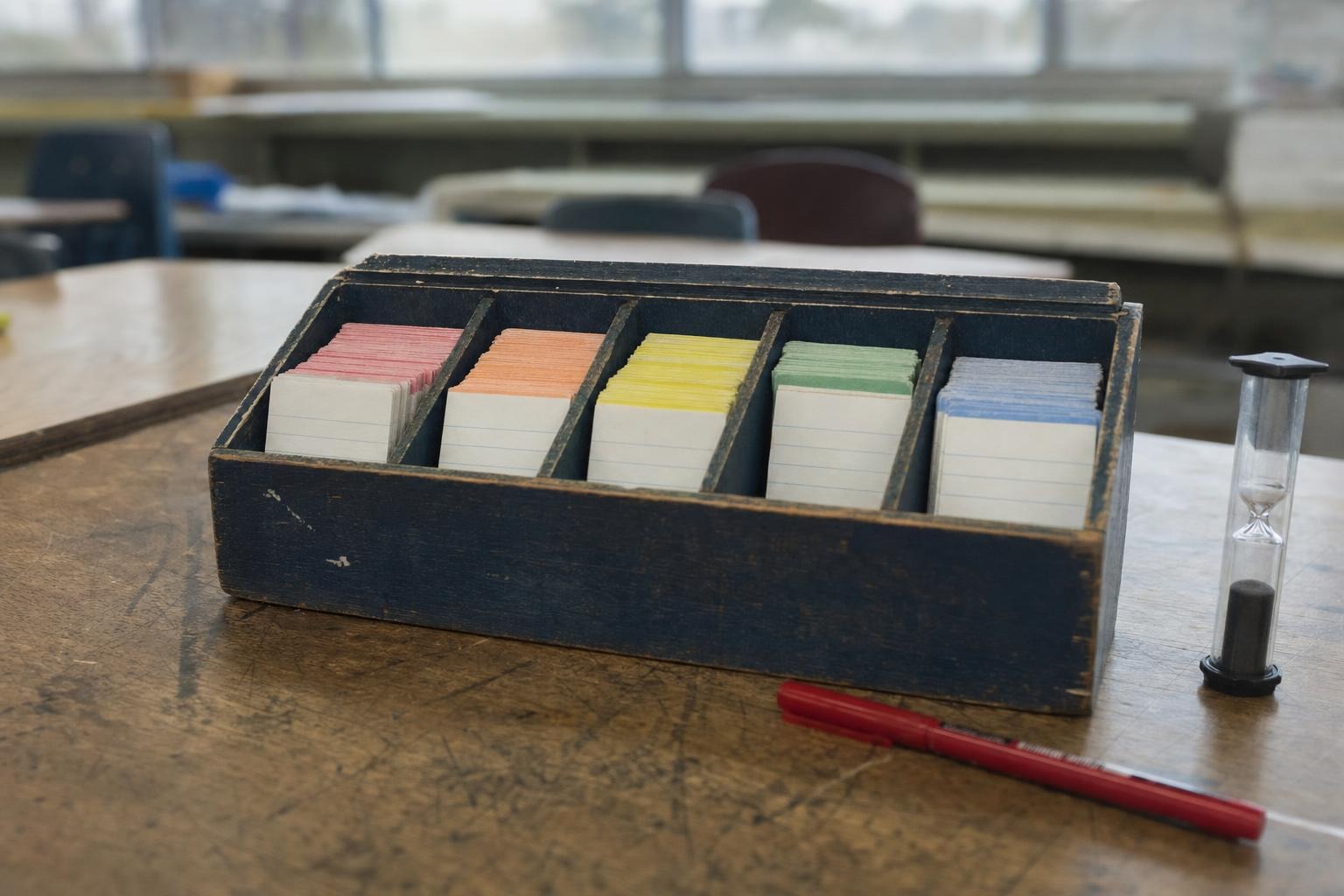
This form of spaced repetition pairs naturally with quick retrieval checks because each review requires students to reconstruct earlier learning. Flashcard tools can support that process, but the method does not require software. A stack of index cards and a wall calendar can work just as well.
What the research says
Classroom evidence is encouraging. Research reviews generally find that distributing practice over time improves long-term retention compared with concentrating it in one session.
The best gap depends on the test date. Research by Cepeda and colleagues suggests that useful spacing intervals grow as the final assessment moves farther away. There is no single ideal schedule, so teachers can adjust intervals around holidays, testing windows, and pacing guides.
The benefits can last. Guidance from the Institute of Education Sciences notes that revisiting material over time can improve recall after substantial delays.
Practice may look worse before learning looks better. Students often perform less smoothly during spaced practice than during repeated same-day practice. That difficulty can strengthen later recall because students must work to retrieve the answer.
Results vary by subject and task. Classroom findings are especially strong in mathematics and other STEM subjects. Teachers should monitor results rather than assume that every schedule will produce the same gains in every course.
Build a simple spacing map for any unit
Start with priorities, not dates. Choose 8 to 12 “must remember” targets for the unit, such as definitions, procedures, dates, formulas, or concepts students will need later. Less essential details can remain in students’ notes.
Next, decide when each target will return. A practical starting schedule is Day 0, Day 2, Day 7, Day 14, and Day 30. Treat these intervals as flexible guidelines rather than fixed rules. Any reasonable spacing is usually more useful than teaching the material once and leaving it behind.
Finally, mix old material with new learning. Each review might include a few items from the current unit and one or two from earlier units. This approach redistributes review time rather than requiring a curriculum overhaul.
Low-prep routines you can run tomorrow
Do-now retrieval. Put five short questions on the board: two from the previous class, two from the previous week, and one from an earlier unit. Students answer without notes before the class reviews responses together.
Exit-ticket spiral. Ask two questions about the day’s lesson and one about an earlier unit. The older question helps reveal which knowledge is beginning to fade.
Weekly spiral quiz. Draw questions from a growing item bank and vary which ones appear. Keep the quiz brief and low stakes so it supports practice rather than adding grading pressure.
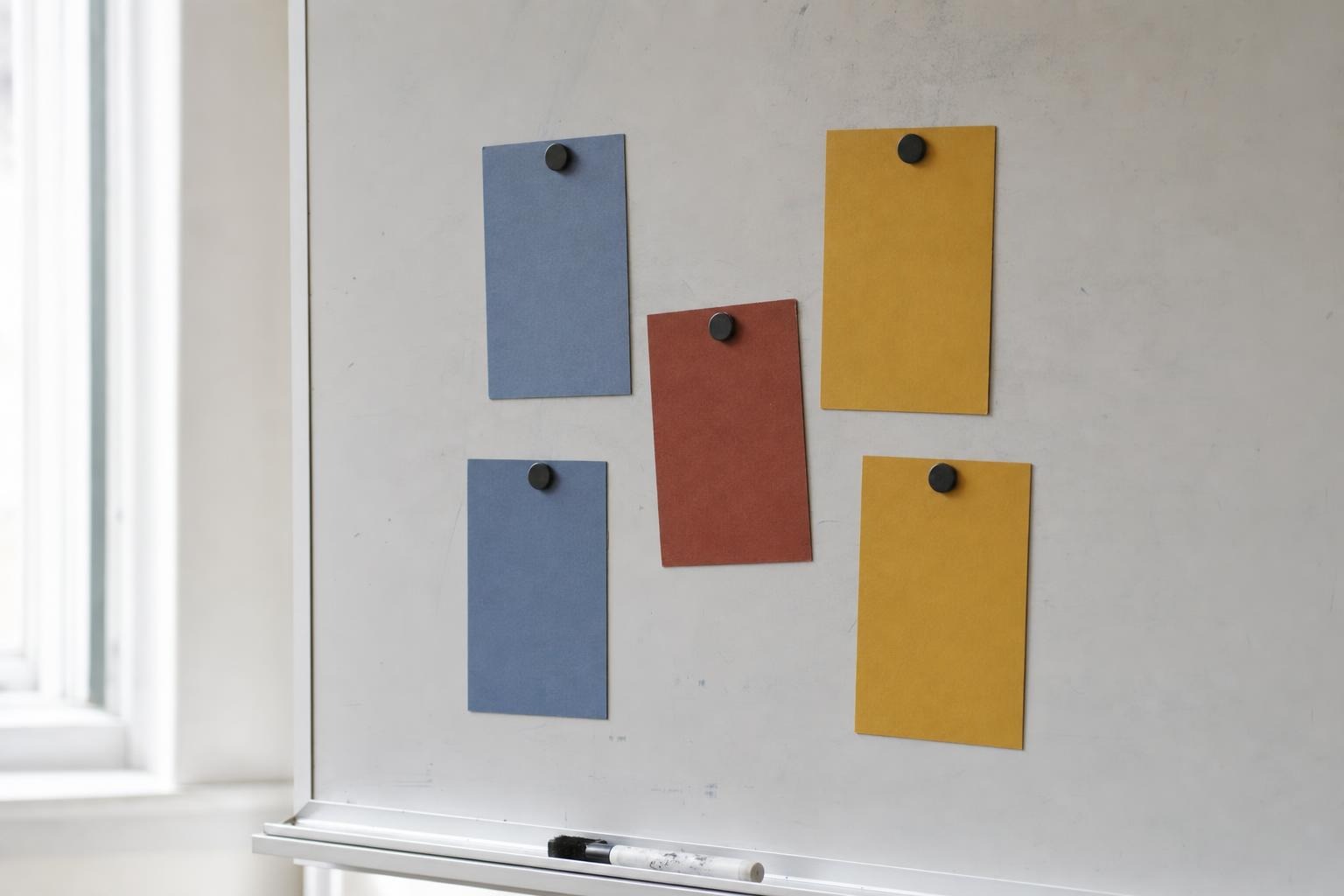
Whiteboard review. Give students three prompts from earlier in the term and have them show their responses at the same time. This provides a quick view of the whole class.
Cumulative test items. Reserve a small portion of each unit test for earlier material and tell students in advance. That policy makes ongoing review feel purposeful rather than random.
Tools that fit the routine
The teaching method matters more than the platform, so choose the lightest tool you can use consistently. For a no-tech option, create a Leitner box with index-card dividers labeled “daily,” “weekly,” and “monthly.” Move correctly answered cards to a later section and return missed cards to an earlier one. For additional classroom spacing strategies, adapt a familiar review routine before adding new technology.
A spreadsheet or form-based item bank can also help teachers build spiral quizzes. For digital flashcards, tools such as Quizlet, Anki, and Brainscape schedule reviews in different ways. Teacher-created decks are often the most useful because their questions can match the standards, vocabulary, and examples used in class.
If you already use a planning database, track six fields: Topic, Standard, Prompt, First Taught, Last Reviewed, and Next Review. A calendar view can then reveal long gaps or days when too many topics are scheduled for review.
Troubleshooting and pushback
The first common objection is time. Spacing does not always require additional minutes. A five-minute review at the start of class may prevent a longer explanation later. Begin with one routine and reuse existing questions before building a large item bank.
The second objection is that spaced practice feels harder. Explain that struggling to retrieve an answer is part of the learning process, not proof of failure. Keep early practice low stakes, provide prompt feedback, and use students’ errors to choose the next review date.
For differentiation, shorten prompts, add visuals or a word bank, and provide sentence stems for written recall. Students who were absent can encounter missed items during the next scheduled review instead of receiving a separate set of repetitive exercises.
FAQ
These brief answers address common questions about using spaced practice in everyday instruction.
How much spacing is enough?
Allow enough time for recall to require some effort. The ideal gap grows as the final test moves farther away, but there is no universal schedule. Start with gaps of a few days, then extend them as students become more secure.
How should I grade it?
Keep daily retrieval ungraded or low stakes so students can answer honestly. Cumulative quiz or test items can carry more weight after students have had several chances to practice.
How is spacing different from interleaving?
Spacing concerns when practice happens. Interleaving means mixing topics or problem types within a practice session. Teachers can use both by revisiting older material and combining it with current work.
Can I use spacing without quizzes?
Yes. Discussion prompts, brain dumps, mini whiteboards, flashcards, and turn-and-talk activities all count when students retrieve information from memory rather than simply rereading it.
What about project-based courses?
Space the durable knowledge rather than repeating entire projects. Revisit core vocabulary, safety rules, techniques, or procedures through short check-ins across the project timeline.
Start small
Choose one unit, list the ideas students should remember in six months, and schedule three brief revisits. Track the plan with index cards, a calendar, or a digital deck. A simple routine used consistently is more valuable than a complicated system that is difficult to maintain.
“We covered this last week. Why did they forget?” Most teachers have asked some version of that question while grading a test. The usual problem is not effort or attention. It is timing. Spacing means returning to material in short bursts across days and weeks instead of teaching it once and moving on. The result can be longer retention and less time spent reteaching.
What it is and why it works
Spaced practice is simple: students revisit the same content during several sessions separated by time rather than in one long study session. Retrieval practice provides the action by asking students to recall information without notes. Spacing determines when that retrieval happens, while interleaving mixes different topics or problem types.
This form of spaced repetition pairs naturally with quick retrieval checks because each review requires students to reconstruct earlier learning. Flashcard tools can support that process, but the method does not require software. A stack of index cards and a wall calendar can work just as well.
What the research says
Classroom evidence is encouraging. Research reviews generally find that distributing practice over time improves long-term retention compared with concentrating it in one session.
The best gap depends on the test date. Research by Cepeda and colleagues suggests that useful spacing intervals grow as the final assessment moves farther away. There is no single ideal schedule, so teachers can adjust intervals around holidays, testing windows, and pacing guides.
The benefits can last. Guidance from the Institute of Education Sciences notes that revisiting material over time can improve recall after substantial delays.
Practice may look worse before learning looks better. Students often perform less smoothly during spaced practice than during repeated same-day practice. That difficulty can strengthen later recall because students must work to retrieve the answer.
Results vary by subject and task. Classroom findings are especially strong in mathematics and other STEM subjects. Teachers should monitor results rather than assume that every schedule will produce the same gains in every course.
Build a simple spacing map for any unit
Start with priorities, not dates. Choose 8 to 12 “must remember” targets for the unit, such as definitions, procedures, dates, formulas, or concepts students will need later. Less essential details can remain in students’ notes.
Next, decide when each target will return. A practical starting schedule is Day 0, Day 2, Day 7, Day 14, and Day 30. Treat these intervals as flexible guidelines rather than fixed rules. Any reasonable spacing is usually more useful than teaching the material once and leaving it behind.
Finally, mix old material with new learning. Each review might include a few items from the current unit and one or two from earlier units. This approach redistributes review time rather than requiring a curriculum overhaul.
Low-prep routines you can run tomorrow
Do-now retrieval. Put five short questions on the board: two from the previous class, two from the previous week, and one from an earlier unit. Students answer without notes before the class reviews responses together.
Exit-ticket spiral. Ask two questions about the day’s lesson and one about an earlier unit. The older question helps reveal which knowledge is beginning to fade.
Weekly spiral quiz. Draw questions from a growing item bank and vary which ones appear. Keep the quiz brief and low stakes so it supports practice rather than adding grading pressure.
Whiteboard review. Give students three prompts from earlier in the term and have them show their responses at the same time. This provides a quick view of the whole class.
Cumulative test items. Reserve a small portion of each unit test for earlier material and tell students in advance. That policy makes ongoing review feel purposeful rather than random.
Tools that fit the routine
The teaching method matters more than the platform, so choose the lightest tool you can use consistently. For a no-tech option, create a Leitner box with index-card dividers labeled “daily,” “weekly,” and “monthly.” Move correctly answered cards to a later section and return missed cards to an earlier one. For additional classroom spacing strategies, adapt a familiar review routine before adding new technology.
A spreadsheet or form-based item bank can also help teachers build spiral quizzes. For digital flashcards, tools such as Quizlet, Anki, and Brainscape schedule reviews in different ways. Teacher-created decks are often the most useful because their questions can match the standards, vocabulary, and examples used in class.
If you already use a planning database, track six fields: Topic, Standard, Prompt, First Taught, Last Reviewed, and Next Review. A calendar view can then reveal long gaps or days when too many topics are scheduled for review.
Troubleshooting and pushback
The first common objection is time. Spacing does not always require additional minutes. A five-minute review at the start of class may prevent a longer explanation later. Begin with one routine and reuse existing questions before building a large item bank.
The second objection is that spaced practice feels harder. Explain that struggling to retrieve an answer is part of the learning process, not proof of failure. Keep early practice low stakes, provide prompt feedback, and use students’ errors to choose the next review date.
For differentiation, shorten prompts, add visuals or a word bank, and provide sentence stems for written recall. Students who were absent can encounter missed items during the next scheduled review instead of receiving a separate set of repetitive exercises.
FAQ
These brief answers address common questions about using spaced practice in everyday instruction.
How much spacing is enough?
Allow enough time for recall to require some effort. The ideal gap grows as the final test moves farther away, but there is no universal schedule. Start with gaps of a few days, then extend them as students become more secure.
How should I grade it?
Keep daily retrieval ungraded or low stakes so students can answer honestly. Cumulative quiz or test items can carry more weight after students have had several chances to practice.
How is spacing different from interleaving?
Spacing concerns when practice happens. Interleaving means mixing topics or problem types within a practice session. Teachers can use both by revisiting older material and combining it with current work.
Can I use spacing without quizzes?
Yes. Discussion prompts, brain dumps, mini whiteboards, flashcards, and turn-and-talk activities all count when students retrieve information from memory rather than simply rereading it.
What about project-based courses?
Space the durable knowledge rather than repeating entire projects. Revisit core vocabulary, safety rules, techniques, or procedures through short check-ins across the project timeline.
Start small
Choose one unit, list the ideas students should remember in six months, and schedule three brief revisits. Track the plan with index cards, a calendar, or a digital deck. A simple routine used consistently is more valuable than a complicated system that is difficult to maintain.
Ultimate Teacher Planner
The ultimate all-in-one education management system in Notion.
Learn More
Ultimate Teacher Planner
The ultimate all-in-one education management system in Notion.
Learn More




Notion4Teachers
Notion templates to simplify administrative tasks and enhance your teaching experience.



2026 Notion4Teachers. All Rights Reserved.
Notion4Teachers
Notion templates to simplify administrative tasks and enhance your teaching experience.
2026 Notion4Teachers. All Rights Reserved.
Notion4Teachers
Notion templates to simplify administrative tasks and enhance your teaching experience.
2026 Notion4Teachers. All Rights Reserved.