
7 Creative Ways to Make Digital Learning More Interactive and Meaningful
7 Creative Ways to Make Digital Learning More Interactive and Meaningful

Article by
Milo
ESL Content Coordinator & Educator
ESL Content Coordinator & Educator
All Posts

Digital learning works best when students do more than watch videos, read slides, or complete online assignments.
The real value comes from giving learners opportunities to participate, experiment, ask questions, and apply what they understand.
Teachers can make digital learning more interactive and meaningful without introducing complicated technology. Simple activities, creative challenges, and collaborative projects can turn ordinary online lessons into valuable learning experiences.
Here are seven practical ways to make digital education more interesting, useful, and connected to everyday life.
Still grading everything by hand?
EMStudio is a free teaching management app — manage your classes, students, lessons, and more!
Learn More
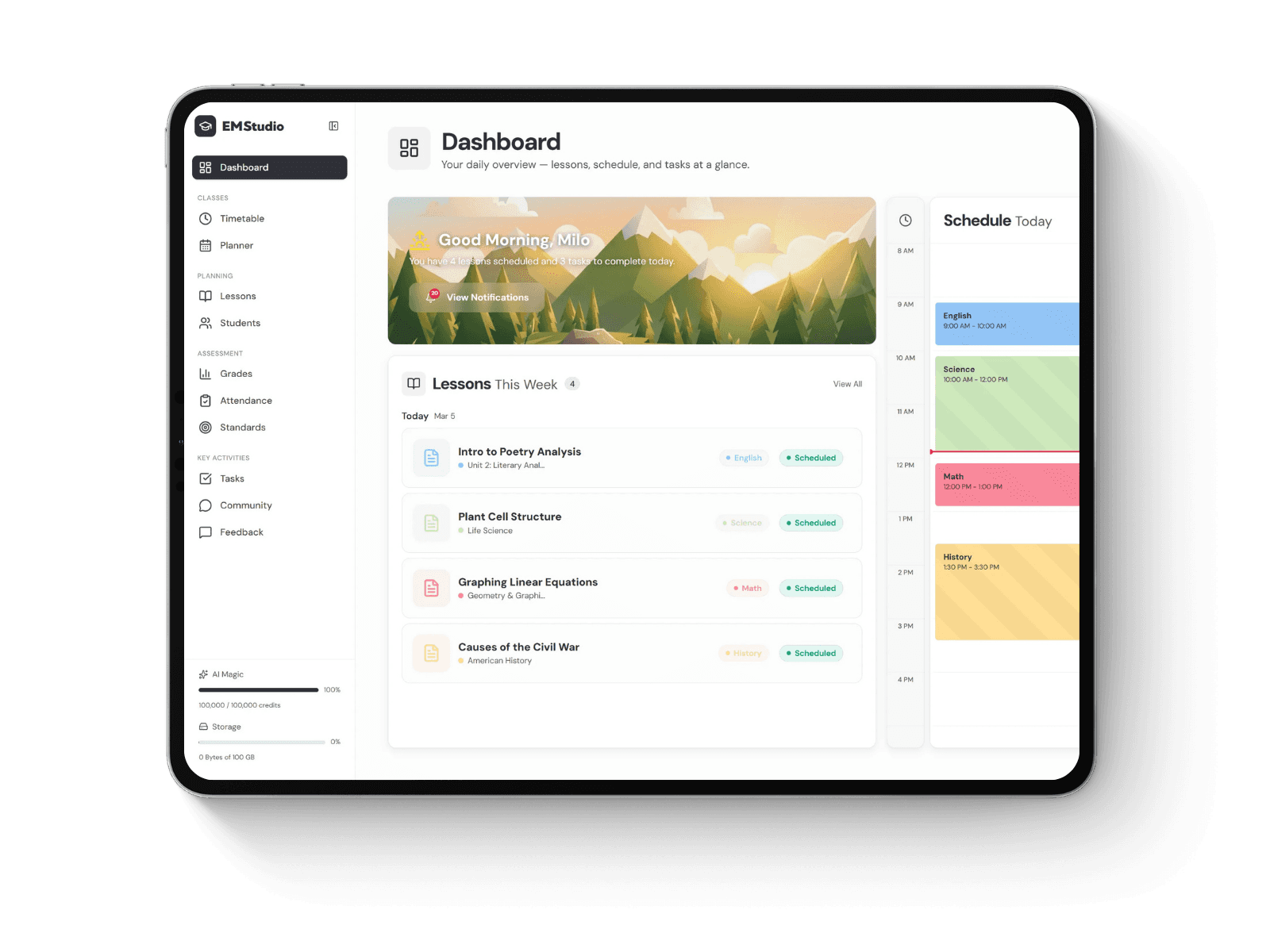
Still grading everything by hand?
EMStudio is a free teaching management app — manage your classes, students, lessons, and more!
Learn More
Table of Contents
1. Turn Everyday Lessons Into Interactive Challenges
Students often respond well when learning includes clear goals and small challenges. Instead of presenting information and immediately testing it, teachers can create activities that encourage learners to think before answering.
Use Quizzes With Immediate Feedback
Platforms such as Kahoot and Quizizz allow teachers to create interactive quizzes where students answer questions and receive feedback.
For example, a geography teacher could organize a challenge where students identify countries using maps, photographs, and clues.
To make these activities more meaningful:
Include questions that require reasoning.
Explain why incorrect answers need improvement.
Allow students to retry difficult questions.
Discuss the results after completing the activity.
The objective should be understanding the subject, not simply collecting points.
2. Connect Learning Activities With Digital Games
Digital games can provide practical examples of decision-making, resource management, teamwork, and problem-solving. Many games involve collecting resources, managing virtual currencies, completing tasks, and making choices based on available information.
Teachers can use these familiar gaming concepts to explain subjects such as economics, mathematics, and digital literacy.
Explore Virtual Economies Through Gaming Examples
Online role-playing games often feature virtual economies where players collect resources, earn currencies, and exchange items. These systems can help older students understand economic concepts such as supply, demand, scarcity, and perceived value.
For example, World of Warcraft provides a useful case study because its in-game economy revolves around gold, equipment, crafting materials, and player transactions.
The existence of online listings for WoW Forever gold for sale can also introduce discussions about how virtual goods acquire monetary value outside their original gaming environment.
Teachers could ask students:
Why do certain virtual items become more valuable?
How does limited availability affect prices?
What influences demand in a player-driven economy?
How do external marketplaces differ from in-game trading?
This approach connects digital entertainment with economic principles while encouraging critical thinking without requiring purchases.
3. Encourage Students to Create Digital Projects
Students often understand concepts better when they must explain them to someone else. Digital projects allow learners to research information, organize ideas, and communicate their findings creatively.
Replace Some Written Assignments With Creative Formats
Instead of asking every student to submit a traditional essay, teachers can occasionally offer alternative formats.
For example, students studying environmental protection could create:
A short educational video explaining recycling.
An infographic showing ways to conserve water.
A digital presentation about environmental issues.
An illustrated story describing sustainable habits.
Teachers should provide clear assessment criteria covering accuracy, explanation, and creativity.
This gives students more freedom while keeping educational objectives consistent.
4. Make Online Discussions More Collaborative
Digital classrooms can feel isolated when learners complete every activity independently. Collaborative exercises help students exchange ideas, consider different perspectives, and develop communication skills.
Use Shared Documents for Group Activities
Teachers can divide students into small groups and assign a question using collaborative tools such as Google Docs.
For example, students could investigate how technology influences everyday communication.
Each group member should have a responsibility, such as researching, writing, editing, or presenting.
Before submission, ask students to explain their contributions. This encourages accountability and makes group participation easier to assess.
5. Use Interactive Videos Instead of Passive Watching
Educational videos can explain complicated concepts visually, but watching alone does not guarantee understanding.
Adding questions and activities throughout a video encourages students to think actively.
Pause Videos for Short Learning Tasks
Teachers can stop a science video before an experiment reveals its results and ask students to predict what happens next.
After watching, students can compare their predictions with the actual outcome.
Useful follow-up questions include:
What happened during the demonstration?
Why did the result occur?
What would change under different conditions?
These questions encourage observation and reasoning rather than passive viewing.
6. Give Students More Control Over Their Learning
Not every student learns at the same pace. Some need additional explanations, while others are ready for more difficult activities.
Digital learning platforms can help teachers offer different learning paths.
Create Activities With Different Difficulty Levels
A mathematics teacher could prepare three sets of exercises covering the same topic.
Students begin with foundational questions and move toward more complicated problems as their understanding develops.
Teachers can also provide:
Short instructional videos.
Visual explanations.
Practice exercises with feedback.
Additional challenges for confident learners.
Regular check-ins help teachers identify students who need extra support.
7. Connect Digital Lessons With Real-World Problems
Learning becomes more meaningful when students understand how classroom knowledge applies outside school.
Realistic challenges encourage learners to use information rather than memorize isolated facts.
Introduce Practical Problem-Solving Projects
For example, a teacher discussing personal finance could ask students to create a monthly budget using a spreadsheet.
Students would calculate expenses, organize spending categories, and identify opportunities to save money.
A science class could investigate household energy consumption, while a language class might produce digital interviews about community experiences.
Teachers should choose problems students can understand and explore using available resources.
Conclusion
Making digital learning more interactive and meaningful does not require expensive software or complicated teaching methods.
Interactive quizzes, digital projects, collaborative discussions, educational games, and practical challenges can help students participate more actively.
Teachers should begin with clear learning objectives, select activities that support those goals, and regularly check student understanding.
When technology encourages curiosity, creativity, and independent thinking, digital learning becomes more than an online version of traditional classroom instruction.
1. Turn Everyday Lessons Into Interactive Challenges
Students often respond well when learning includes clear goals and small challenges. Instead of presenting information and immediately testing it, teachers can create activities that encourage learners to think before answering.
Use Quizzes With Immediate Feedback
Platforms such as Kahoot and Quizizz allow teachers to create interactive quizzes where students answer questions and receive feedback.
For example, a geography teacher could organize a challenge where students identify countries using maps, photographs, and clues.
To make these activities more meaningful:
Include questions that require reasoning.
Explain why incorrect answers need improvement.
Allow students to retry difficult questions.
Discuss the results after completing the activity.
The objective should be understanding the subject, not simply collecting points.
2. Connect Learning Activities With Digital Games
Digital games can provide practical examples of decision-making, resource management, teamwork, and problem-solving. Many games involve collecting resources, managing virtual currencies, completing tasks, and making choices based on available information.
Teachers can use these familiar gaming concepts to explain subjects such as economics, mathematics, and digital literacy.
Explore Virtual Economies Through Gaming Examples
Online role-playing games often feature virtual economies where players collect resources, earn currencies, and exchange items. These systems can help older students understand economic concepts such as supply, demand, scarcity, and perceived value.
For example, World of Warcraft provides a useful case study because its in-game economy revolves around gold, equipment, crafting materials, and player transactions.
The existence of online listings for WoW Forever gold for sale can also introduce discussions about how virtual goods acquire monetary value outside their original gaming environment.
Teachers could ask students:
Why do certain virtual items become more valuable?
How does limited availability affect prices?
What influences demand in a player-driven economy?
How do external marketplaces differ from in-game trading?
This approach connects digital entertainment with economic principles while encouraging critical thinking without requiring purchases.
3. Encourage Students to Create Digital Projects
Students often understand concepts better when they must explain them to someone else. Digital projects allow learners to research information, organize ideas, and communicate their findings creatively.
Replace Some Written Assignments With Creative Formats
Instead of asking every student to submit a traditional essay, teachers can occasionally offer alternative formats.
For example, students studying environmental protection could create:
A short educational video explaining recycling.
An infographic showing ways to conserve water.
A digital presentation about environmental issues.
An illustrated story describing sustainable habits.
Teachers should provide clear assessment criteria covering accuracy, explanation, and creativity.
This gives students more freedom while keeping educational objectives consistent.
4. Make Online Discussions More Collaborative
Digital classrooms can feel isolated when learners complete every activity independently. Collaborative exercises help students exchange ideas, consider different perspectives, and develop communication skills.
Use Shared Documents for Group Activities
Teachers can divide students into small groups and assign a question using collaborative tools such as Google Docs.
For example, students could investigate how technology influences everyday communication.
Each group member should have a responsibility, such as researching, writing, editing, or presenting.
Before submission, ask students to explain their contributions. This encourages accountability and makes group participation easier to assess.
5. Use Interactive Videos Instead of Passive Watching
Educational videos can explain complicated concepts visually, but watching alone does not guarantee understanding.
Adding questions and activities throughout a video encourages students to think actively.
Pause Videos for Short Learning Tasks
Teachers can stop a science video before an experiment reveals its results and ask students to predict what happens next.
After watching, students can compare their predictions with the actual outcome.
Useful follow-up questions include:
What happened during the demonstration?
Why did the result occur?
What would change under different conditions?
These questions encourage observation and reasoning rather than passive viewing.
6. Give Students More Control Over Their Learning
Not every student learns at the same pace. Some need additional explanations, while others are ready for more difficult activities.
Digital learning platforms can help teachers offer different learning paths.
Create Activities With Different Difficulty Levels
A mathematics teacher could prepare three sets of exercises covering the same topic.
Students begin with foundational questions and move toward more complicated problems as their understanding develops.
Teachers can also provide:
Short instructional videos.
Visual explanations.
Practice exercises with feedback.
Additional challenges for confident learners.
Regular check-ins help teachers identify students who need extra support.
7. Connect Digital Lessons With Real-World Problems
Learning becomes more meaningful when students understand how classroom knowledge applies outside school.
Realistic challenges encourage learners to use information rather than memorize isolated facts.
Introduce Practical Problem-Solving Projects
For example, a teacher discussing personal finance could ask students to create a monthly budget using a spreadsheet.
Students would calculate expenses, organize spending categories, and identify opportunities to save money.
A science class could investigate household energy consumption, while a language class might produce digital interviews about community experiences.
Teachers should choose problems students can understand and explore using available resources.
Conclusion
Making digital learning more interactive and meaningful does not require expensive software or complicated teaching methods.
Interactive quizzes, digital projects, collaborative discussions, educational games, and practical challenges can help students participate more actively.
Teachers should begin with clear learning objectives, select activities that support those goals, and regularly check student understanding.
When technology encourages curiosity, creativity, and independent thinking, digital learning becomes more than an online version of traditional classroom instruction.
Still grading everything by hand?
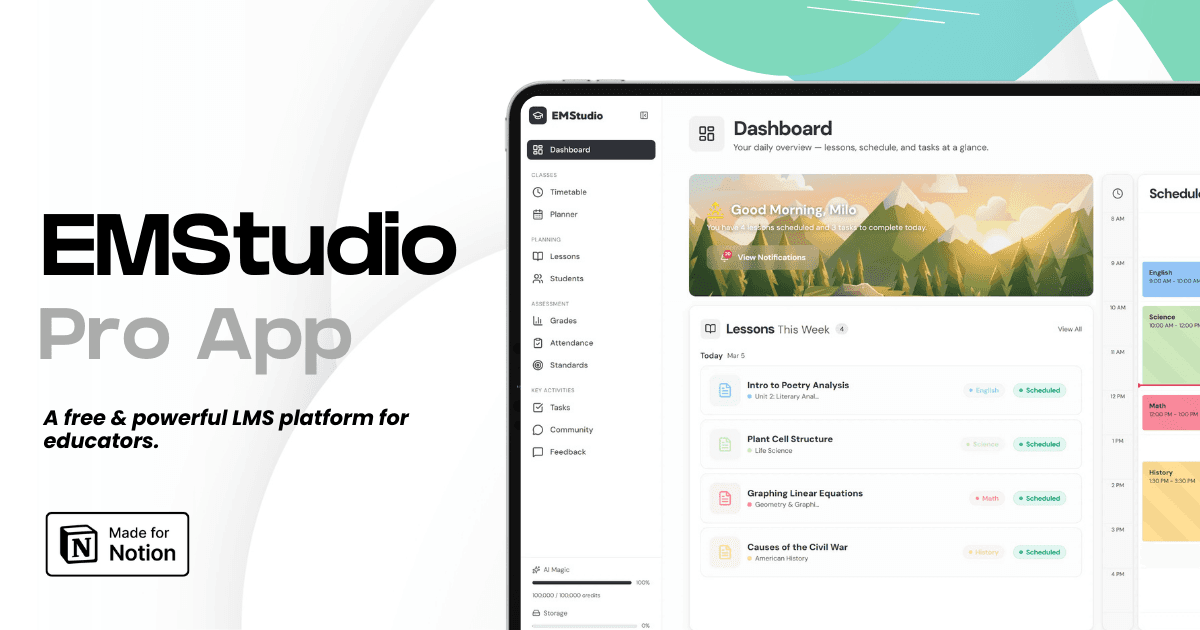
EMStudio is a free teaching management app — manage your classes, students, lessons, and more!
Learn More
Still grading everything by hand?
EMStudio is a free teaching management app — manage your classes, students, lessons, and more!
Learn More



Notion4Teachers
Notion templates to simplify administrative tasks and enhance your teaching experience.



2026 Notion4Teachers. All Rights Reserved.
Notion4Teachers
Notion templates to simplify administrative tasks and enhance your teaching experience.
2026 Notion4Teachers. All Rights Reserved.
Notion4Teachers
Notion templates to simplify administrative tasks and enhance your teaching experience.
2026 Notion4Teachers. All Rights Reserved.