Best Location Tracking Apps for iOS users
Best Location Tracking Apps for iOS users

Article by
Milo
ESL Content Coordinator & Educator
ESL Content Coordinator & Educator
All Posts
Most people don't realize how much varies between the best location tracking apps until battery life tanks or a geofence alert fires five minutes too late. Real-time accuracy, consent-based sharing, and reliable pings in low-signal areas are harder to get right than they look. After reviewing dozens of options across iOS, the gap between apps that actually work and apps that just claim to is real. This guide breaks down five standout picks, covering what each does well, where they shine, and who they're really built for.
The shortlist methodology
Publicly available information formed the foundation of this ranking. User reviews, feature breakdowns, ratings from app directories, and details pulled directly from official product pages were all factored in. Only apps with a demonstrated track record in mobile location sharing made the cut.
→ See the full research breakdown
Still grading everything by hand?
EMStudio is a free teaching management app — manage your classes, students, lessons, and more!
Learn More
Still grading everything by hand?
EMStudio is a free teaching management app — manage your classes, students, lessons, and more!
Learn More
Table of Contents
iSharing - Best for real-time location sharing and family safety applications
AirDroid - Best for enterprise mobile device management and Android endpoint security
Zood Location - Best for privacy-focused location sharing applications
GeoZilla - Best for family safety mobile apps and location tracking platforms
Apple Find My - Best for asset tracking and device location services
Why the Right Location Tracking Apps Make a Difference
Picking the wrong location tracking app doesn't just cause minor inconvenience. It can mean missed alerts, drained batteries, and real privacy risks for the people relying on it.
Apps that balance GPS accuracy radius with low battery impact per hour are genuinely rare. Many apps trade one for the other, and families or fleet managers end up with something that's either too heavy on resources or too slow on location update frequency. So you're stuck choosing between them.
Consent-based sharing is another area where the wrong choice creates legal exposure, especially under CCPA, GDPR, and mobile location data privacy laws.
The right app gets pings out in seconds, not minutes, and keeps battery drain manageable across a full day of active tracking. That kind of reliability is what separates apps worth keeping from ones that get deleted after a week.
Top 5 Location Tracking Apps: Specs at a Glance
Note: All data in this table is sourced from review platforms and the official websites of the listed companies.
Company Name | Years Operating | Headquartered In |
iSharing | Est. 2010 | Irvine, CA |
AirDroid | Est. 2011 | Singapore |
Zood Location | Est. 2020 | Coventry, UK |
GeoZilla | Est. 2015 | Limassol, Cyprus / Palo Alto, CA |
Apple Find My | Est. 2019 | Cupertino, CA |
iSharing - Best for Real-Time Location Sharing and Family Safety

What makes iSharing different in its field?
Few apps in this space have built the kind of organic scale that iSharing has. They've crossed 50 million global downloads with a 16% year-over-year growth rate, and that number didn't come from aggressive ad spend. The families using the location tracker by iSharing get real-time GPS updates, place alerts, driving reports, and panic alert functionality, all wrapped in an interface that doesn't require a manual to use. That combination of depth and approachability is harder to pull off than it sounds.
Why Does iSharing Belong on This List for Location Tracking Apps?
iSharing solves the tension between feature richness and day-to-day usability, giving families real safety tools without the learning curve that pushes most users to give up. A 4.60 rating across more than 224,000 reviews isn't luck. That kind of consistent satisfaction reflects a product that genuinely works in real-world conditions.
The Verdict from Users:
Users keep coming back to two things: the GPS accuracy and the price. People frequently compare iSharing favorably against pricier alternatives and feel like they're getting more for less. The intuitive navigation gets mentioned constantly, and the real-time location updates hold up even in areas where other apps start lagging.
AirDroid - Best for Enterprise Mobile Device Management and Android Endpoint Security
What makes AirDroid different in its field?
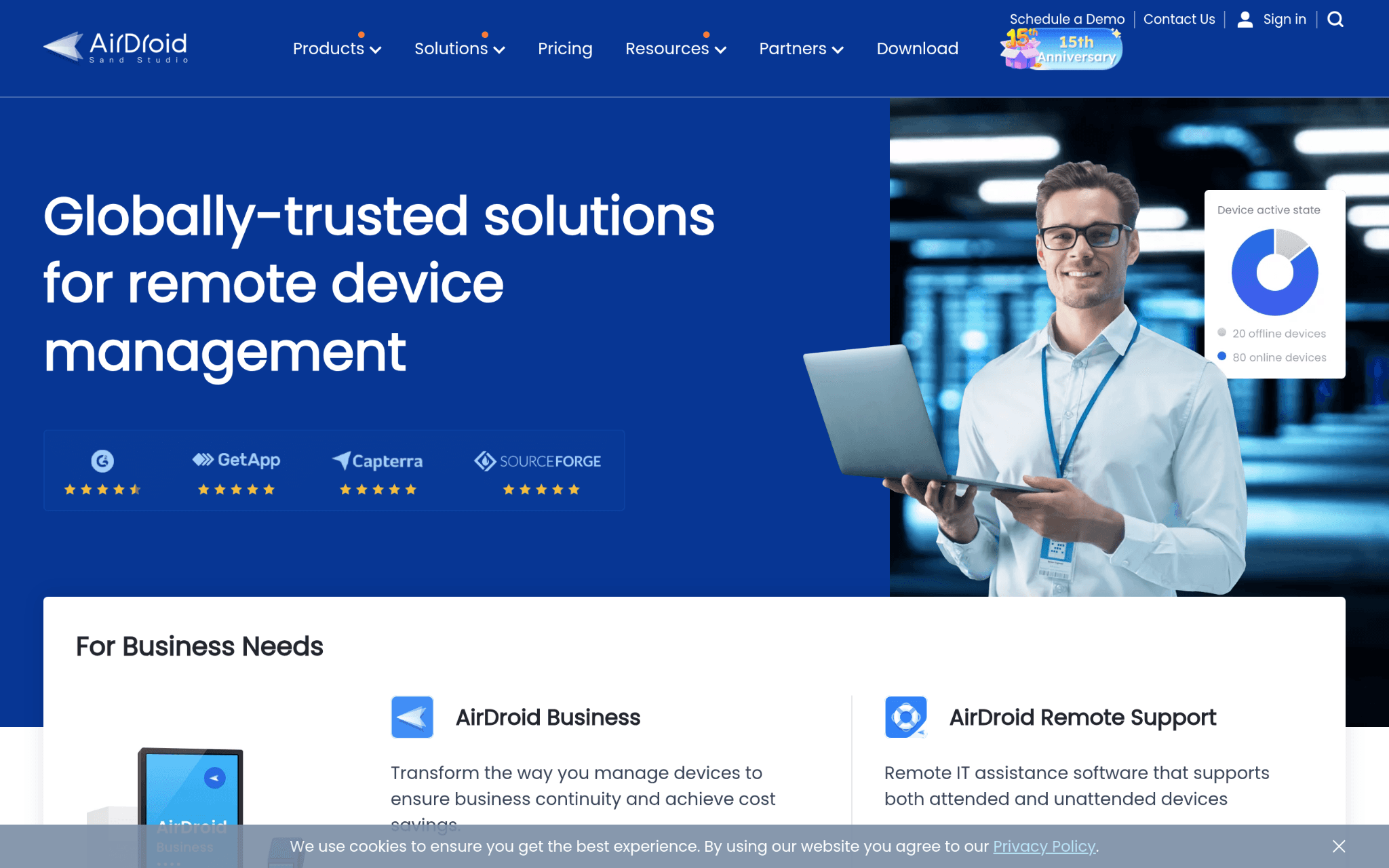
AirDroid, built by Sand Studio and headquartered in Singapore, takes a different angle than consumer location apps. Their platform covers MDM, remote support, file transfer, screen casting, and parental controls across Android and Windows endpoints. The standout piece is their Black Screen Mode (an industry-first for MDM remote control), which lets IT teams access devices remotely without showing anything on the physical screen. That's a meaningful privacy win for enterprise deployments. They manage devices across 100+ countries, which shows they're operating at a real scale.
Why Does AirDroid Belong on This List for Location Tracking Apps?
AirDroid addresses the enterprise gap that consumer-focused apps simply can't fill, particularly for organizations tracking fleets, field workers, or shared Android devices across multiple regions. The combination of remote device management and location oversight in one platform is rare, and it gives IT teams far more control than standard GPS-only tools offer.
The Verdict from Users:
AirDroid Business carries a 4.9-star aggregate rating and a 5/5 on Capterra, which is unusually high for a B2B platform. Users consistently call out the customer service and the overall ease of use as the reasons they stay. Recognition from BBC and CNET adds credibility to what the review scores already suggest.
Zood Location - Best for Privacy-Focused Location Sharing Applications
What makes Zood Location different in its field?
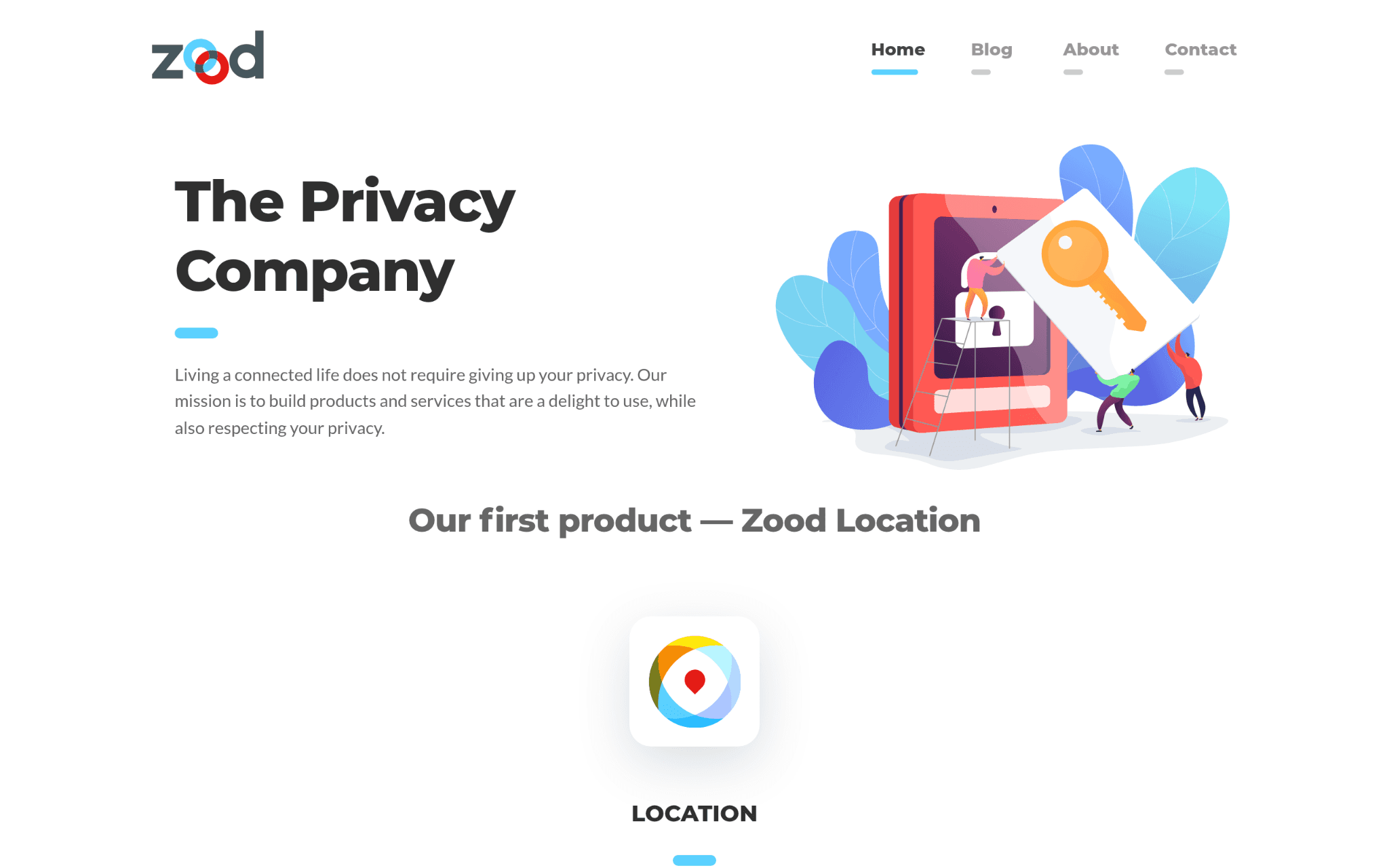
Zood Location, based in Coventry, UK, launched in 2020 with one clear priority: privacy without compromise. Every location share runs through end-to-end encryption, which means even Zood itself can't see where users are. That's not a marketing claim. It's backed by an open-source codebase licensed under AGPL-3.0, so anyone can inspect the code and verify the claims. The app covers iOS and Android with customizable sharing controls and map-based visualization. And the product is free, with no user data sold to fund it. That's a genuinely principled model (not cheap to maintain, but clearly worth it to them).
Why Does Zood Location Belong on This List for Location Tracking Apps?
Zood fills the gap for users who want location sharing without trading away their data to cover the cost. Their open-source architecture means the privacy promises are verifiable, not just stated, which matters a lot in a space where trust is everything.
The Verdict from Users:
Public review data for Zood is limited, given its relatively recent launch, but the product's technical transparency speaks for itself. Users who care about CCPA, GDPR, and mobile location data privacy laws tend to find Zood's approach more credible than closed alternatives. The free pricing removes a common barrier that keeps privacy-conscious users stuck on less secure apps.
GeoZilla - Best for Family Safety Mobile Apps and Location Tracking Platforms
What makes GeoZilla different in its field?
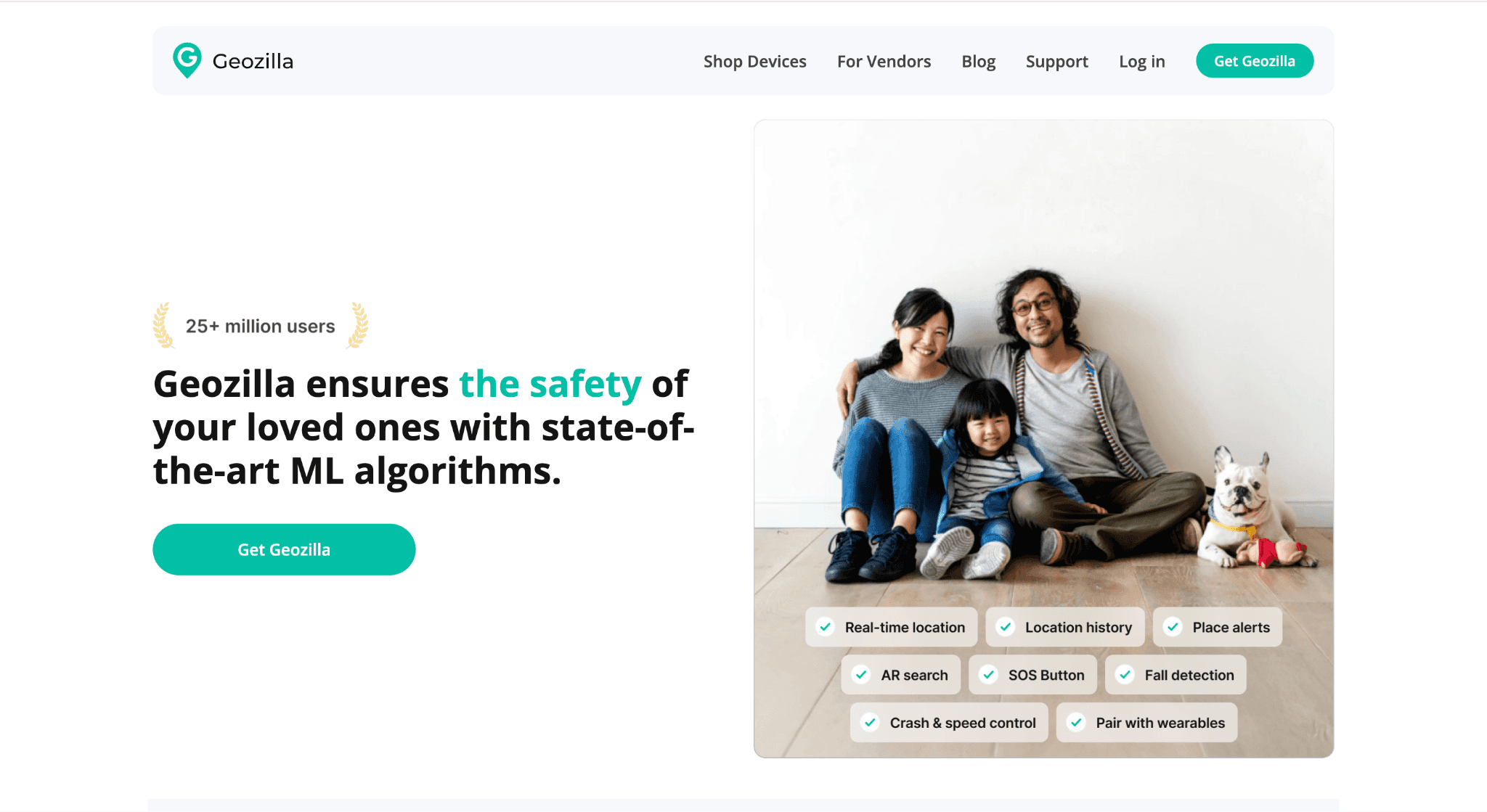
GeoZilla, operating since 2015, brings machine learning into the family tracking space in a way that goes beyond simple GPS pings. Their algorithms actually learn user behavior patterns, which means they can detect when someone hasn't arrived at an expected destination or might need assistance.
On top of that, they offer driver protection alerts designed for teenage drivers specifically, geofencing, location history, and even pet tracking. The company serves over 10 million users and achieved a 60% improvement in day-one retention through smart ad segmentation testing.
That kind of focus on retention signals a team thinking about the complete experience, not just the install.
Why Does GeoZilla Belong on This List for Location Tracking Apps?
GeoZilla turns passive location data into genuinely intelligent safety alerts, solving the problem that most GPS apps ignore: knowing when something is actually wrong versus just off-schedule. Combining behavioral machine learning with real-time geofence trigger speed puts GeoZilla ahead of apps that rely on manual check-ins alone.
The Verdict from Users:
GeoZilla's 10 million active users tell a clear story about product-market fit. Parents particularly respond to the teenage driver alerts and the intelligent arrival detection, features that go well beyond what a standard location pin can offer. The battery-efficient design also comes up as a practical reason users stick around long-term.
Apple Find My - Best for Asset Tracking and Device Location Services
What makes Apple Find My different in its field?
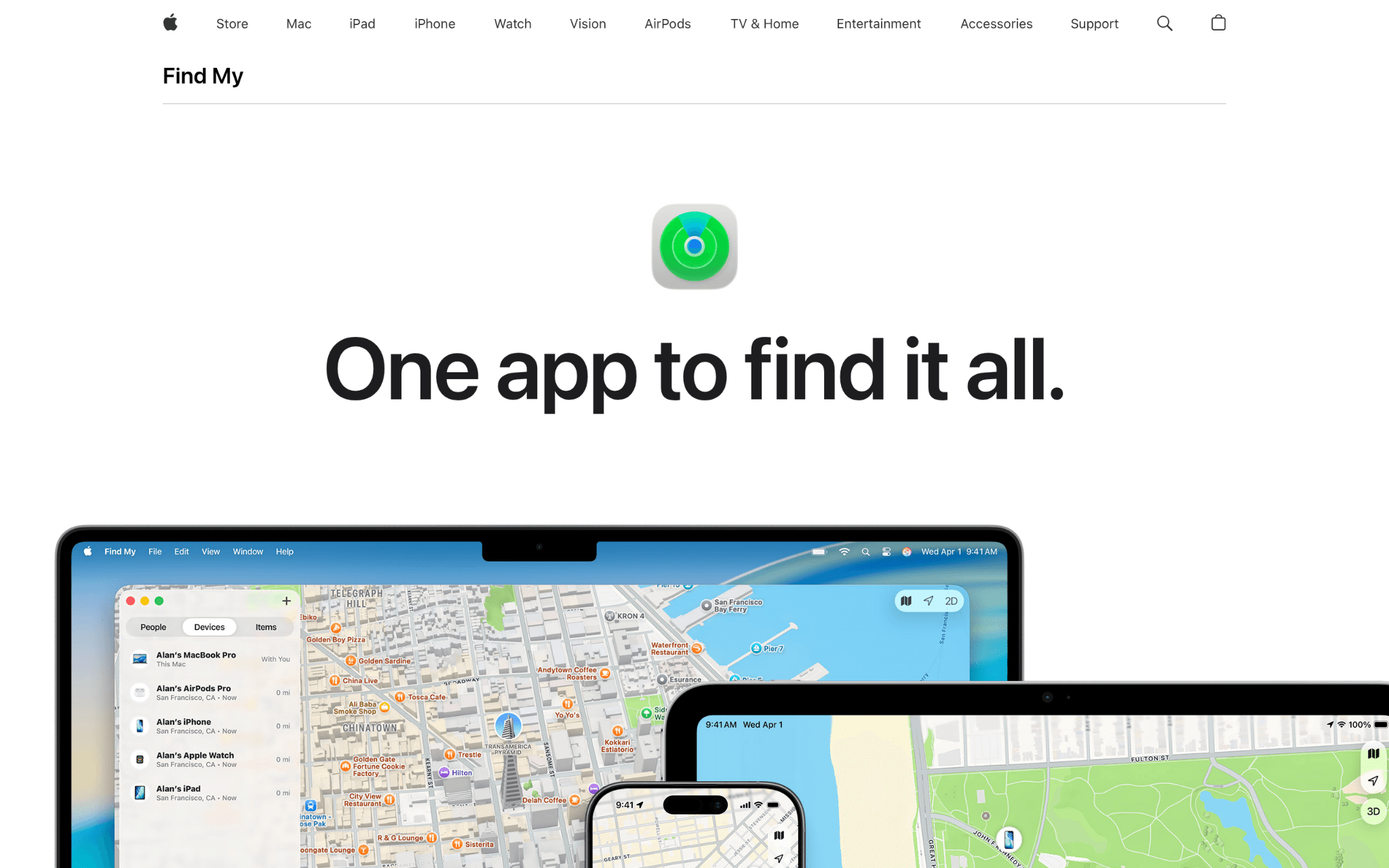
Apple Find My operates on a scale that no third-party app can match. With over a billion Apple devices forming a passive tracking network, it can locate missing items and devices even when they're completely offline. Location data stays encrypted and anonymous, retained for only 24 hours, which addresses the data security risks that come with storing sensitive location histories. The service covers iPhones, iPads, Macs, Apple Watches, AirTags, AirPods, and compatible third-party accessories. It's even expanded into enterprise territory through airline partnerships, which shows the reliability goes well beyond consumer use.
Why Does Apple Find My Belong on This List for Location Tracking Apps?
Apple Find My solves the problem of locating devices and assets in environments where other apps simply give up, particularly in offline or low-signal scenarios. The billion-device network creates a GPS accuracy advantage that no standalone app can replicate. And the built-in anti-stalking notifications show real attention to consent-based tracking limitations.
The Verdict from Users:
Built into every Apple device and free to use, Find My removes every barrier to adoption. Users treat it as the default starting point for device recovery and family location sharing within the Apple ecosystem. The privacy design, especially anonymous location relaying and 24-hour data limits, appeals strongly to users who think carefully about location data retention.
The Research Behind These Recommendations
Data Sources and Extraction Protocols
Building this list started with a broad sweep across app directories, review platforms, and product websites. The goal was to gather enough raw signal to identify which apps had genuine user adoption versus surface-level visibility. App store listings, review aggregators, company blogs, and product documentation all fed into the initial pool. Each source was treated as one data point, not a final verdict, and the information was cross-referenced across multiple platforms before any app moved forward.
Candidate Evaluation and Filtering
Once the longlist was assembled, apps without verifiable usage data or traceable review histories were removed early. Rating patterns were examined across platforms to filter out apps with thin or inconsistent feedback. Apps that had gaps in documentation, unclear privacy policies, or no evidence of real-world deployment at scale were also cut. What remained was a tighter group of options with enough evidence to evaluate meaningfully.
The Fact-Check Process
Claims made on official product pages were compared against what users actually reported in reviews. Where a company stated a feature worked in a certain way, that claim was checked against real user feedback describing the same feature. Discrepancies between marketing language and user experience were flagged. Apps that showed a strong match between their stated capabilities and actual user outcomes scored higher in the evaluation.
Where Each Pick Stands in the Industry
Media mentions, award recognition, and third-party coverage were reviewed as signals of broader industry standing. Companies that appeared in credible publications, earned ratings from established review platforms, or received formal recognition were given additional weight. This wasn't about name recognition alone. It was about whether outside observers with nothing to gain had found the same strengths that user reviews described.
Location Tracking Apps-Specific Validation
Each app was reviewed for location tracking capabilities relevant to iOS users. This included checking for dedicated feature pages covering GPS accuracy, geofencing, location history, and real-time sharing. Verified reviews mentioning location update frequency, battery impact, and geofence trigger speed were prioritized because those are the metrics that matter most in day-to-day use. Apps without at least some user-generated evidence of real-world tracking performance were not included in the final list.
User’s Guide: Choosing the Right Location Tracking Apps
Choosing a location tracking app comes down to matching the tool to the actual use case. A parent monitoring a teenager, a fleet manager tracking drivers, and a privacy-conscious individual sharing their location with a partner all need different things. Here's what to look at before committing.
Industry/Domain Experience: Apps built for family safety behave differently from MDM platforms or asset trackers. Look for a track record in your specific context, not just general location sharing.
Features and Services: Check whether the app covers the features you actually need: geofencing, location history, panic alerts, driving reports, or device management. Don't pay for features that don't apply.
Pricing Structure: Some apps are free with strong capabilities (Zood, Apple Find My). Others use a freemium model with meaningful paid tiers. Know what's behind the paywall before you rely on it.
Results Measurement: Look for apps that give you readable data, location update frequency, historical paths, and alert logs, so you can actually verify the app is working as expected.
Industry Knowledge and Compliance: For any app handling location data, CCPA, GDPR, and mobile location data privacy laws matter. Check the privacy policy for specifics on data retention, consent controls, and third-party sharing before you install.
Summary & Significance
The best location tracking apps aren't interchangeable. iSharing leads for family safety at scale. AirDroid wins for enterprise device oversight. Zood covers privacy-first users who won't compromise on encryption. GeoZilla brings machine learning to family alerts. Apple Find My remains the default for iOS device recovery. The space is growing fast, and user expectations around battery performance, GPS precision, and transparent data handling are only going up. Picking the right app now means fewer problems down the line.
iSharing - Best for real-time location sharing and family safety applications
AirDroid - Best for enterprise mobile device management and Android endpoint security
Zood Location - Best for privacy-focused location sharing applications
GeoZilla - Best for family safety mobile apps and location tracking platforms
Apple Find My - Best for asset tracking and device location services
Why the Right Location Tracking Apps Make a Difference
Picking the wrong location tracking app doesn't just cause minor inconvenience. It can mean missed alerts, drained batteries, and real privacy risks for the people relying on it.
Apps that balance GPS accuracy radius with low battery impact per hour are genuinely rare. Many apps trade one for the other, and families or fleet managers end up with something that's either too heavy on resources or too slow on location update frequency. So you're stuck choosing between them.
Consent-based sharing is another area where the wrong choice creates legal exposure, especially under CCPA, GDPR, and mobile location data privacy laws.
The right app gets pings out in seconds, not minutes, and keeps battery drain manageable across a full day of active tracking. That kind of reliability is what separates apps worth keeping from ones that get deleted after a week.
Top 5 Location Tracking Apps: Specs at a Glance
Note: All data in this table is sourced from review platforms and the official websites of the listed companies.
Company Name | Years Operating | Headquartered In |
iSharing | Est. 2010 | Irvine, CA |
AirDroid | Est. 2011 | Singapore |
Zood Location | Est. 2020 | Coventry, UK |
GeoZilla | Est. 2015 | Limassol, Cyprus / Palo Alto, CA |
Apple Find My | Est. 2019 | Cupertino, CA |
iSharing - Best for Real-Time Location Sharing and Family Safety
What makes iSharing different in its field?
Few apps in this space have built the kind of organic scale that iSharing has. They've crossed 50 million global downloads with a 16% year-over-year growth rate, and that number didn't come from aggressive ad spend. The families using the location tracker by iSharing get real-time GPS updates, place alerts, driving reports, and panic alert functionality, all wrapped in an interface that doesn't require a manual to use. That combination of depth and approachability is harder to pull off than it sounds.
Why Does iSharing Belong on This List for Location Tracking Apps?
iSharing solves the tension between feature richness and day-to-day usability, giving families real safety tools without the learning curve that pushes most users to give up. A 4.60 rating across more than 224,000 reviews isn't luck. That kind of consistent satisfaction reflects a product that genuinely works in real-world conditions.
The Verdict from Users:
Users keep coming back to two things: the GPS accuracy and the price. People frequently compare iSharing favorably against pricier alternatives and feel like they're getting more for less. The intuitive navigation gets mentioned constantly, and the real-time location updates hold up even in areas where other apps start lagging.
AirDroid - Best for Enterprise Mobile Device Management and Android Endpoint Security
What makes AirDroid different in its field?
AirDroid, built by Sand Studio and headquartered in Singapore, takes a different angle than consumer location apps. Their platform covers MDM, remote support, file transfer, screen casting, and parental controls across Android and Windows endpoints. The standout piece is their Black Screen Mode (an industry-first for MDM remote control), which lets IT teams access devices remotely without showing anything on the physical screen. That's a meaningful privacy win for enterprise deployments. They manage devices across 100+ countries, which shows they're operating at a real scale.
Why Does AirDroid Belong on This List for Location Tracking Apps?
AirDroid addresses the enterprise gap that consumer-focused apps simply can't fill, particularly for organizations tracking fleets, field workers, or shared Android devices across multiple regions. The combination of remote device management and location oversight in one platform is rare, and it gives IT teams far more control than standard GPS-only tools offer.
The Verdict from Users:
AirDroid Business carries a 4.9-star aggregate rating and a 5/5 on Capterra, which is unusually high for a B2B platform. Users consistently call out the customer service and the overall ease of use as the reasons they stay. Recognition from BBC and CNET adds credibility to what the review scores already suggest.
Zood Location - Best for Privacy-Focused Location Sharing Applications
What makes Zood Location different in its field?
Zood Location, based in Coventry, UK, launched in 2020 with one clear priority: privacy without compromise. Every location share runs through end-to-end encryption, which means even Zood itself can't see where users are. That's not a marketing claim. It's backed by an open-source codebase licensed under AGPL-3.0, so anyone can inspect the code and verify the claims. The app covers iOS and Android with customizable sharing controls and map-based visualization. And the product is free, with no user data sold to fund it. That's a genuinely principled model (not cheap to maintain, but clearly worth it to them).
Why Does Zood Location Belong on This List for Location Tracking Apps?
Zood fills the gap for users who want location sharing without trading away their data to cover the cost. Their open-source architecture means the privacy promises are verifiable, not just stated, which matters a lot in a space where trust is everything.
The Verdict from Users:
Public review data for Zood is limited, given its relatively recent launch, but the product's technical transparency speaks for itself. Users who care about CCPA, GDPR, and mobile location data privacy laws tend to find Zood's approach more credible than closed alternatives. The free pricing removes a common barrier that keeps privacy-conscious users stuck on less secure apps.
GeoZilla - Best for Family Safety Mobile Apps and Location Tracking Platforms
What makes GeoZilla different in its field?
GeoZilla, operating since 2015, brings machine learning into the family tracking space in a way that goes beyond simple GPS pings. Their algorithms actually learn user behavior patterns, which means they can detect when someone hasn't arrived at an expected destination or might need assistance.
On top of that, they offer driver protection alerts designed for teenage drivers specifically, geofencing, location history, and even pet tracking. The company serves over 10 million users and achieved a 60% improvement in day-one retention through smart ad segmentation testing.
That kind of focus on retention signals a team thinking about the complete experience, not just the install.
Why Does GeoZilla Belong on This List for Location Tracking Apps?
GeoZilla turns passive location data into genuinely intelligent safety alerts, solving the problem that most GPS apps ignore: knowing when something is actually wrong versus just off-schedule. Combining behavioral machine learning with real-time geofence trigger speed puts GeoZilla ahead of apps that rely on manual check-ins alone.
The Verdict from Users:
GeoZilla's 10 million active users tell a clear story about product-market fit. Parents particularly respond to the teenage driver alerts and the intelligent arrival detection, features that go well beyond what a standard location pin can offer. The battery-efficient design also comes up as a practical reason users stick around long-term.
Apple Find My - Best for Asset Tracking and Device Location Services
What makes Apple Find My different in its field?
Apple Find My operates on a scale that no third-party app can match. With over a billion Apple devices forming a passive tracking network, it can locate missing items and devices even when they're completely offline. Location data stays encrypted and anonymous, retained for only 24 hours, which addresses the data security risks that come with storing sensitive location histories. The service covers iPhones, iPads, Macs, Apple Watches, AirTags, AirPods, and compatible third-party accessories. It's even expanded into enterprise territory through airline partnerships, which shows the reliability goes well beyond consumer use.
Why Does Apple Find My Belong on This List for Location Tracking Apps?
Apple Find My solves the problem of locating devices and assets in environments where other apps simply give up, particularly in offline or low-signal scenarios. The billion-device network creates a GPS accuracy advantage that no standalone app can replicate. And the built-in anti-stalking notifications show real attention to consent-based tracking limitations.
The Verdict from Users:
Built into every Apple device and free to use, Find My removes every barrier to adoption. Users treat it as the default starting point for device recovery and family location sharing within the Apple ecosystem. The privacy design, especially anonymous location relaying and 24-hour data limits, appeals strongly to users who think carefully about location data retention.
The Research Behind These Recommendations
Data Sources and Extraction Protocols
Building this list started with a broad sweep across app directories, review platforms, and product websites. The goal was to gather enough raw signal to identify which apps had genuine user adoption versus surface-level visibility. App store listings, review aggregators, company blogs, and product documentation all fed into the initial pool. Each source was treated as one data point, not a final verdict, and the information was cross-referenced across multiple platforms before any app moved forward.
Candidate Evaluation and Filtering
Once the longlist was assembled, apps without verifiable usage data or traceable review histories were removed early. Rating patterns were examined across platforms to filter out apps with thin or inconsistent feedback. Apps that had gaps in documentation, unclear privacy policies, or no evidence of real-world deployment at scale were also cut. What remained was a tighter group of options with enough evidence to evaluate meaningfully.
The Fact-Check Process
Claims made on official product pages were compared against what users actually reported in reviews. Where a company stated a feature worked in a certain way, that claim was checked against real user feedback describing the same feature. Discrepancies between marketing language and user experience were flagged. Apps that showed a strong match between their stated capabilities and actual user outcomes scored higher in the evaluation.
Where Each Pick Stands in the Industry
Media mentions, award recognition, and third-party coverage were reviewed as signals of broader industry standing. Companies that appeared in credible publications, earned ratings from established review platforms, or received formal recognition were given additional weight. This wasn't about name recognition alone. It was about whether outside observers with nothing to gain had found the same strengths that user reviews described.
Location Tracking Apps-Specific Validation
Each app was reviewed for location tracking capabilities relevant to iOS users. This included checking for dedicated feature pages covering GPS accuracy, geofencing, location history, and real-time sharing. Verified reviews mentioning location update frequency, battery impact, and geofence trigger speed were prioritized because those are the metrics that matter most in day-to-day use. Apps without at least some user-generated evidence of real-world tracking performance were not included in the final list.
User’s Guide: Choosing the Right Location Tracking Apps
Choosing a location tracking app comes down to matching the tool to the actual use case. A parent monitoring a teenager, a fleet manager tracking drivers, and a privacy-conscious individual sharing their location with a partner all need different things. Here's what to look at before committing.
Industry/Domain Experience: Apps built for family safety behave differently from MDM platforms or asset trackers. Look for a track record in your specific context, not just general location sharing.
Features and Services: Check whether the app covers the features you actually need: geofencing, location history, panic alerts, driving reports, or device management. Don't pay for features that don't apply.
Pricing Structure: Some apps are free with strong capabilities (Zood, Apple Find My). Others use a freemium model with meaningful paid tiers. Know what's behind the paywall before you rely on it.
Results Measurement: Look for apps that give you readable data, location update frequency, historical paths, and alert logs, so you can actually verify the app is working as expected.
Industry Knowledge and Compliance: For any app handling location data, CCPA, GDPR, and mobile location data privacy laws matter. Check the privacy policy for specifics on data retention, consent controls, and third-party sharing before you install.
Summary & Significance
The best location tracking apps aren't interchangeable. iSharing leads for family safety at scale. AirDroid wins for enterprise device oversight. Zood covers privacy-first users who won't compromise on encryption. GeoZilla brings machine learning to family alerts. Apple Find My remains the default for iOS device recovery. The space is growing fast, and user expectations around battery performance, GPS precision, and transparent data handling are only going up. Picking the right app now means fewer problems down the line.
Still grading everything by hand?
EMStudio is a free teaching management app — manage your classes, students, lessons, and more!
Learn More
Still grading everything by hand?
EMStudio is a free teaching management app — manage your classes, students, lessons, and more!
Learn More



Notion4Teachers
Notion templates to simplify administrative tasks and enhance your teaching experience.



2026 Notion4Teachers. All Rights Reserved.
Notion4Teachers
Notion templates to simplify administrative tasks and enhance your teaching experience.
2026 Notion4Teachers. All Rights Reserved.
Notion4Teachers
Notion templates to simplify administrative tasks and enhance your teaching experience.
2026 Notion4Teachers. All Rights Reserved.