
Learning from Graded Essays to Improve Future Writing
Learning from Graded Essays to Improve Future Writing

Article by
Milo
ESL Content Coordinator & Educator
ESL Content Coordinator & Educator
All Posts
SEO Title: Learn from Graded Essays to Improve Your Writing
Meta Description: Use graded essay feedback to identify weak points, correct errors, and build stronger writing skills for better results on future assignments.
Strong writing doesn’t develop overnight. One of the most underused resources for growth is your graded essay. The comments, notes, and final grade you receive aren’t just a reflection of past work — they serve as a roadmap for future progress.
If you want to sharpen your skills and aim for stronger results, it’s not enough to fix surface-level mistakes. Sometimes, working with a website to write your essay online can provide the linguistic nuance your work needs. Taking a step-by-step approach to reviewing what worked, what didn’t, and why can make all the difference in your academic growth.
Still grading everything by hand?
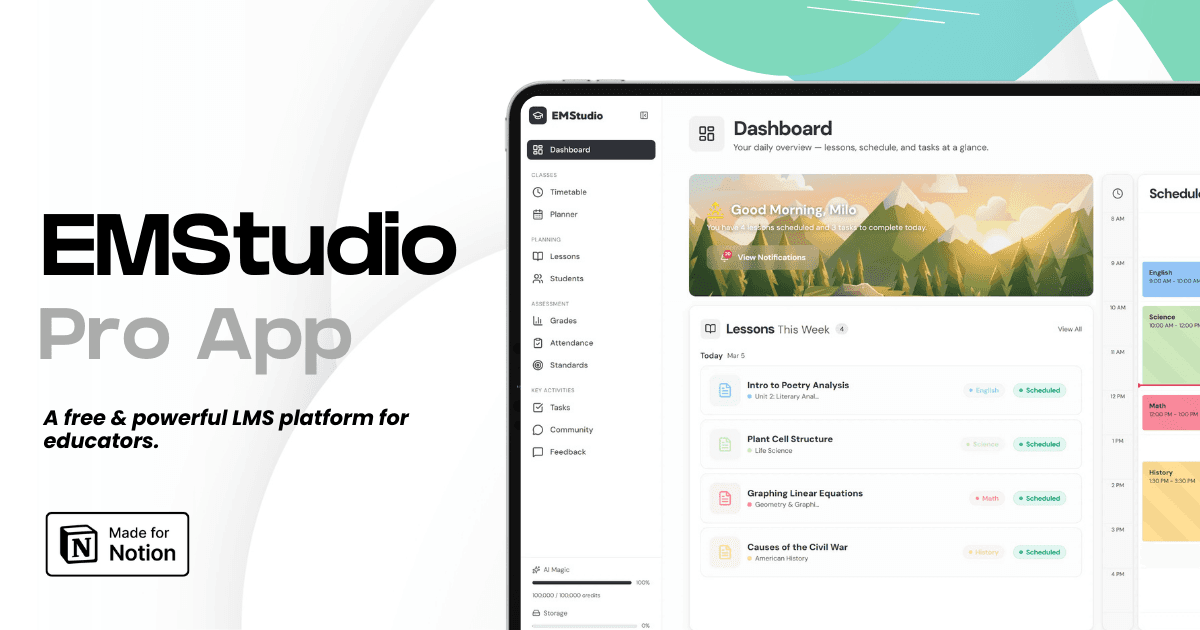
EMStudio is a free teaching management app — manage your classes, students, lessons, and more!
Learn More

Still grading everything by hand?
EMStudio is a free teaching management app — manage your classes, students, lessons, and more!
Learn More
Table of Contents
Start by Reviewing the Grading Rubric
Always revisit the original rubric before diving into any feedback. It’s your baseline for understanding how the instructor measured success.
Compare your score across each criterion. Pay attention to categories where your performance lagged, whether it’s organization, argument development, or grammar. This gives you a framework for understanding what parts of your essay didn’t meet expectations.
Study Instructor Comments Closely
Read every comment carefully. Highlight repeated terms like “unclear,” “vague,” or “needs evidence.” These words point to patterns in your writing that may not be obvious on a first read.
Distinguish between global issues (like structure or argument) and local issues (like word choice or sentence clarity). Global issues often affect your grade more significantly, so prioritize them in your revisions.
Analyze Your Most Frequent Errors
Keep a running list of your most common mistakes across multiple assignments. Are you misusing commas? Struggling with transitions? Overusing passive voice?
Document these in a personal checklist. Each time you write a new essay, consult this list to avoid repeating the same errors. Turning feedback into a custom editing guide increases the quality of your future drafts.
Understand What You Did Well
Feedback isn’t only about what’s wrong. Pay attention to positive comments like “strong thesis” or “good integration of sources.” These are skills you can carry into every assignment.
Knowing your strengths lets you double down on what’s working. It also helps you replicate successful techniques across different subjects and formats.
Compare Your Draft to Top-Scoring Essays
Ask your instructor for sample essays or look at peer examples with higher grades. Compare how those papers approached structure, evidence, and clarity.
Note how their introductions frame the topic, how body paragraphs flow, and how transitions guide the reader. Identify what they do differently and look for techniques you can adapt to your own style.
Break Down Feedback into Actionable Goals
Transform vague feedback into specific improvement targets. If a comment says, “Needs stronger analysis,” don’t stop there. Ask yourself: Did I explain my points clearly? Did I connect them back to the thesis? Did I include enough context?
Set practical goals like:
Add two pieces of evidence per argument
Use topic sentences to guide each paragraph
Revise unclear claims with more specific language
Create a Personalized Editing Routine
Build your editing process around what your feedback reveals. For example, if you often lose marks for weak structure, add an outline check at the beginning of each draft.
If grammar is a recurring issue, run a grammar pass at the end focused only on sentence construction and punctuation. Systematic review turns editing into a reliable, repeatable process.
Keep a Feedback Journal
Start tracking patterns in a feedback log or journal. Record the assignment, key comments, grade, and your response to each piece of feedback.
Over time, you’ll see which problems are improving and which ones persist. This journal also becomes a valuable prep tool when writing essays under pressure or studying for exams that include written responses.
Use Feedback Across Subjects
Writing feedback applies beyond a single course. Skills like argument clarity, structure, and conciseness matter in all academic writing.
When you apply feedback from an English essay to a history or sociology paper, you accelerate skill development. This cross-subject application builds long-term writing confidence.
Ask Questions and Clarify
If feedback is confusing or vague, ask for clarification. Don’t just assume what “awkward phrasing” means. Instead, request an example or ask how it could be reworded.
These conversations help you learn from each assignment more effectively. They also show instructors that you’re committed to improving.
Apply Feedback Early in the Process
Don’t wait until the next essay is finished to apply feedback. Instead, use past feedback while planning your outline, forming your thesis, and structuring your arguments.
Thinking ahead this way helps you internalize key lessons, making improvements feel natural instead of forced. The result is writing that consistently meets higher academic expectations.
Conclusion
Graded essays are more than evaluations. They’re personalized roadmaps for growth. By reviewing feedback with purpose, identifying patterns, and turning critique into strategy, you can build stronger, more effective writing habits.
Approach each graded paper as a learning tool, not just a finished product. Over time, this mindset will sharpen your writing, raise your grades, and give you more control over your academic success.
Start by Reviewing the Grading Rubric
Always revisit the original rubric before diving into any feedback. It’s your baseline for understanding how the instructor measured success.
Compare your score across each criterion. Pay attention to categories where your performance lagged, whether it’s organization, argument development, or grammar. This gives you a framework for understanding what parts of your essay didn’t meet expectations.
Study Instructor Comments Closely
Read every comment carefully. Highlight repeated terms like “unclear,” “vague,” or “needs evidence.” These words point to patterns in your writing that may not be obvious on a first read.
Distinguish between global issues (like structure or argument) and local issues (like word choice or sentence clarity). Global issues often affect your grade more significantly, so prioritize them in your revisions.
Analyze Your Most Frequent Errors
Keep a running list of your most common mistakes across multiple assignments. Are you misusing commas? Struggling with transitions? Overusing passive voice?
Document these in a personal checklist. Each time you write a new essay, consult this list to avoid repeating the same errors. Turning feedback into a custom editing guide increases the quality of your future drafts.
Understand What You Did Well
Feedback isn’t only about what’s wrong. Pay attention to positive comments like “strong thesis” or “good integration of sources.” These are skills you can carry into every assignment.
Knowing your strengths lets you double down on what’s working. It also helps you replicate successful techniques across different subjects and formats.
Compare Your Draft to Top-Scoring Essays
Ask your instructor for sample essays or look at peer examples with higher grades. Compare how those papers approached structure, evidence, and clarity.
Note how their introductions frame the topic, how body paragraphs flow, and how transitions guide the reader. Identify what they do differently and look for techniques you can adapt to your own style.
Break Down Feedback into Actionable Goals
Transform vague feedback into specific improvement targets. If a comment says, “Needs stronger analysis,” don’t stop there. Ask yourself: Did I explain my points clearly? Did I connect them back to the thesis? Did I include enough context?
Set practical goals like:
Add two pieces of evidence per argument
Use topic sentences to guide each paragraph
Revise unclear claims with more specific language
Create a Personalized Editing Routine
Build your editing process around what your feedback reveals. For example, if you often lose marks for weak structure, add an outline check at the beginning of each draft.
If grammar is a recurring issue, run a grammar pass at the end focused only on sentence construction and punctuation. Systematic review turns editing into a reliable, repeatable process.
Keep a Feedback Journal
Start tracking patterns in a feedback log or journal. Record the assignment, key comments, grade, and your response to each piece of feedback.
Over time, you’ll see which problems are improving and which ones persist. This journal also becomes a valuable prep tool when writing essays under pressure or studying for exams that include written responses.
Use Feedback Across Subjects
Writing feedback applies beyond a single course. Skills like argument clarity, structure, and conciseness matter in all academic writing.
When you apply feedback from an English essay to a history or sociology paper, you accelerate skill development. This cross-subject application builds long-term writing confidence.
Ask Questions and Clarify
If feedback is confusing or vague, ask for clarification. Don’t just assume what “awkward phrasing” means. Instead, request an example or ask how it could be reworded.
These conversations help you learn from each assignment more effectively. They also show instructors that you’re committed to improving.
Apply Feedback Early in the Process
Don’t wait until the next essay is finished to apply feedback. Instead, use past feedback while planning your outline, forming your thesis, and structuring your arguments.
Thinking ahead this way helps you internalize key lessons, making improvements feel natural instead of forced. The result is writing that consistently meets higher academic expectations.
Conclusion
Graded essays are more than evaluations. They’re personalized roadmaps for growth. By reviewing feedback with purpose, identifying patterns, and turning critique into strategy, you can build stronger, more effective writing habits.
Approach each graded paper as a learning tool, not just a finished product. Over time, this mindset will sharpen your writing, raise your grades, and give you more control over your academic success.
Still grading everything by hand?
EMStudio is a free teaching management app — manage your classes, students, lessons, and more!
Learn More
Still grading everything by hand?
EMStudio is a free teaching management app — manage your classes, students, lessons, and more!
Learn More




Notion4Teachers
Notion templates to simplify administrative tasks and enhance your teaching experience.



2026 Notion4Teachers. All Rights Reserved.
Notion4Teachers
Notion templates to simplify administrative tasks and enhance your teaching experience.
2026 Notion4Teachers. All Rights Reserved.
Notion4Teachers
Notion templates to simplify administrative tasks and enhance your teaching experience.
2026 Notion4Teachers. All Rights Reserved.