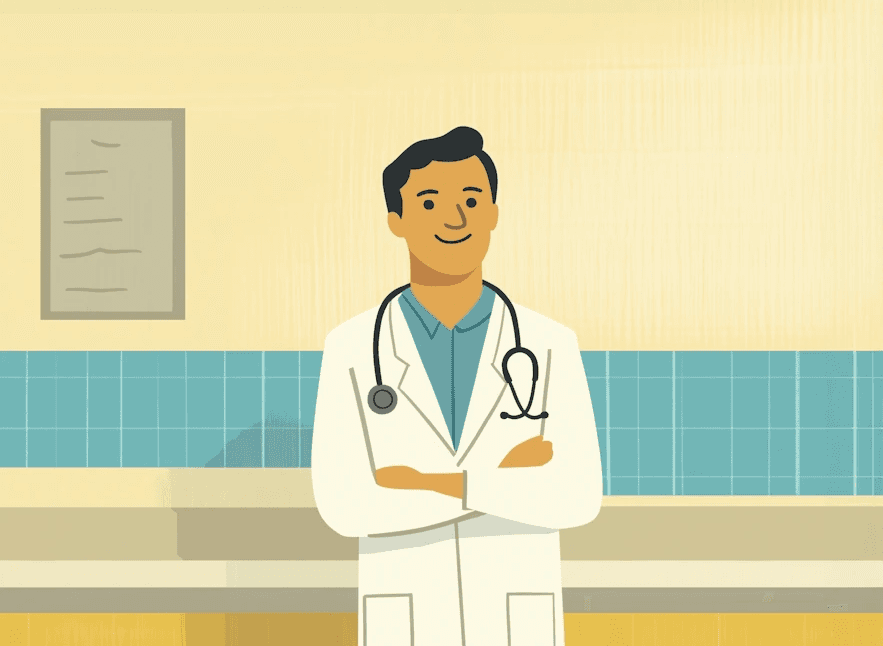
8 Ways Healthcare Education Is Evolving to Meet Workforce Needs
8 Ways Healthcare Education Is Evolving to Meet Workforce Needs

Article by
Milo
ESL Content Coordinator & Educator
ESL Content Coordinator & Educator
All Posts
Healthcare education is changing to keep pace with real-world demands. As medical systems grow more complex, there is a stronger need for trained professionals who are ready to step into essential roles. Education providers are responding by redesigning programs to focus on practical skills, flexible learning, and career readiness. These changes help learners prepare for meaningful roles while balancing personal and professional responsibilities.
Still grading everything by hand?
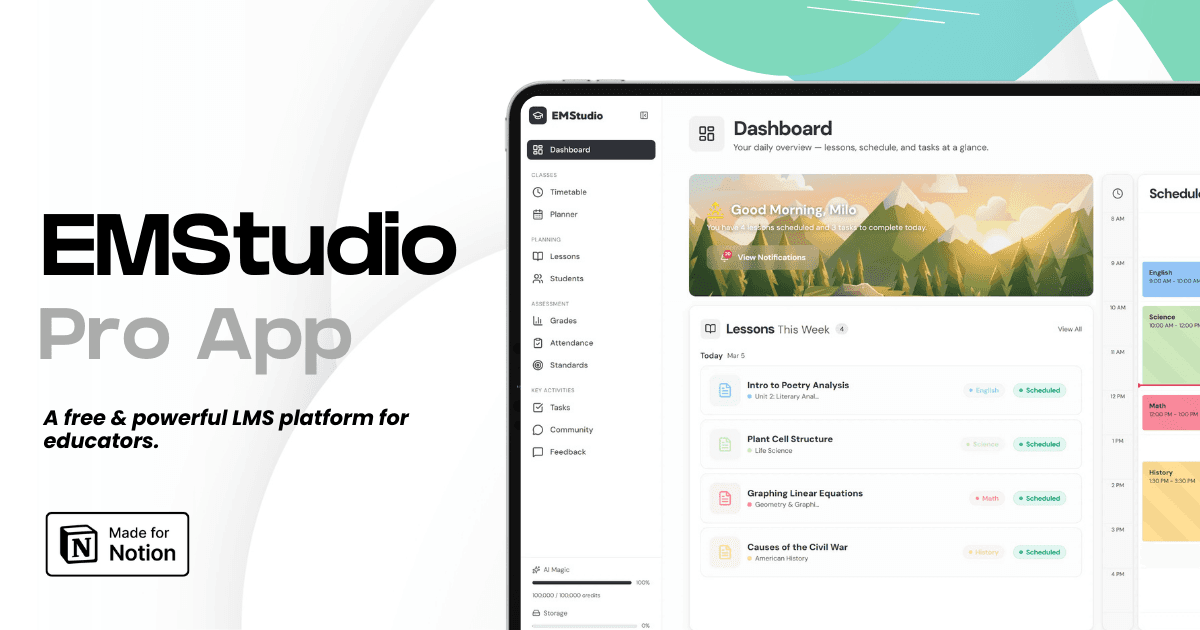
EMStudio is a free teaching management app — manage your classes, students, lessons, and more!
Learn More
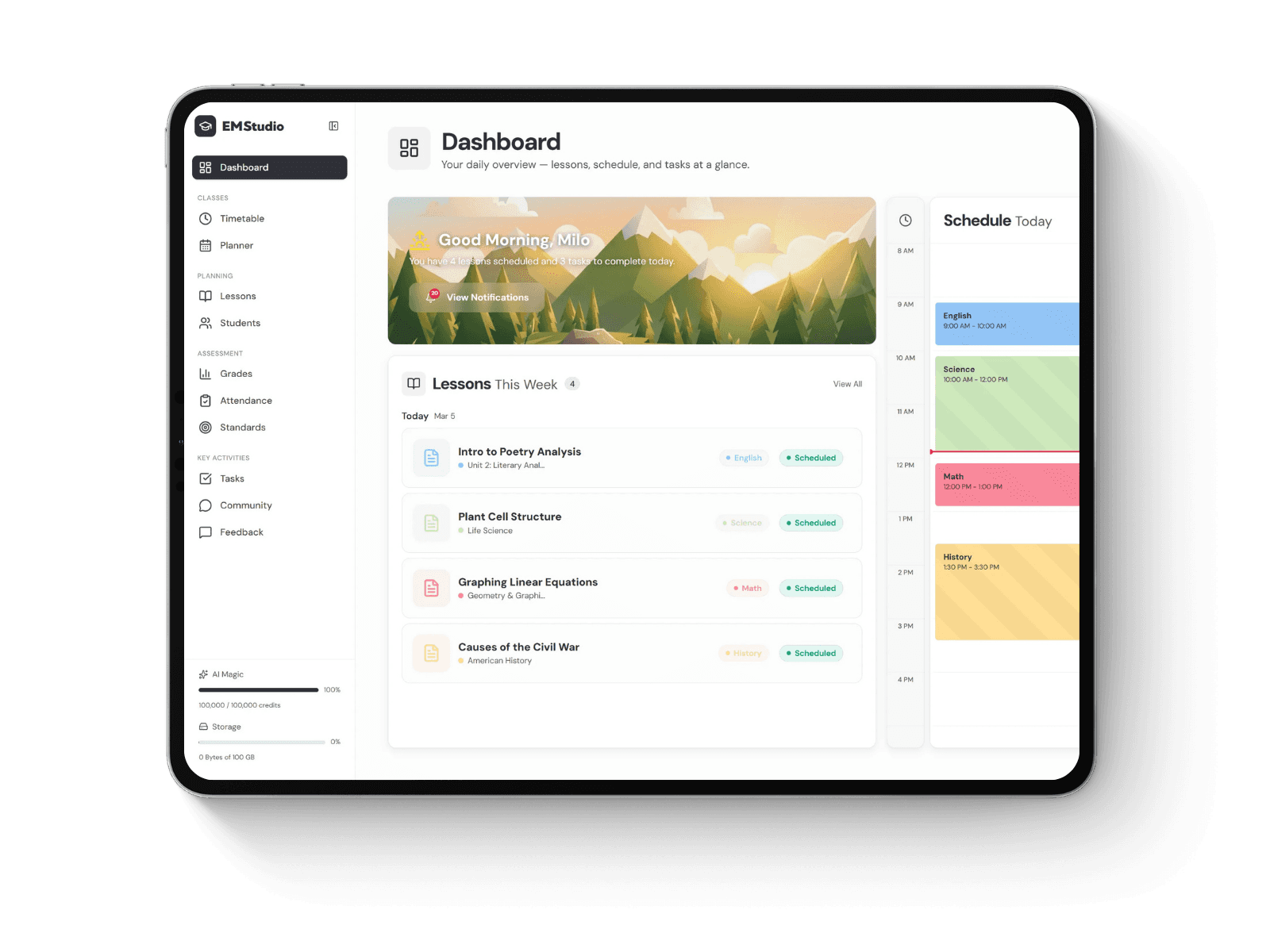
Still grading everything by hand?
EMStudio is a free teaching management app — manage your classes, students, lessons, and more!
Learn More
Table of Contents
In Missouri, the demand for skilled healthcare workers continues to rise across hospitals, clinics, and community care settings. This growing workforce need opens doors to new opportunities for students seeking stable and impactful careers. Education pathways are evolving to support these needs, helping learners gain relevant knowledge while preparing to serve local communities and improve healthcare outcomes.
Expanding Access Through Flexible Learning Models
Healthcare education is becoming more accessible through flexible learning formats. Many programs now offer options that allow students to study while managing work or family commitments. This flexibility supports adult learners who may not be able to attend traditional classes. By offering structured coursework with adaptable schedules, institutions help students stay consistent and motivated. Expanded access ensures that more learners can enter healthcare fields and contribute to meeting workforce demands without putting other responsibilities on hold.
Meeting Local Workforce Demand with Region-Focused Pathways
Healthcare education works best when it reflects real workforce needs. Many universities design programs that focus on skills required by employers in nearby communities. These pathways help students prepare for roles that are actively needed. By aligning education with workforce demand, learners gain relevant knowledge that supports smoother transitions into healthcare roles after graduation.
Many professionals are turning to online programs so that they can continue their education without hitting pause on their careers. If you’re looking for online health degrees Missouri has numerous institutions that offer them. For instance, the programs that Northwest Missouri State University offers provide a focused approach and cover critical areas like healthcare leadership, patient services, and system operations. Designed for flexibility and career preparation, they help students build skills that match workforce needs while supporting long-term professional growth in healthcare settings.
Emphasizing Practical, Career-Ready Skills
Modern healthcare education places a strong focus on practical skills. Students now engage in case studies, simulations, and applied learning that reflect real situations. This hands-on approach helps learners understand how theory connects to daily responsibilities. When education includes practical training, students feel more confident and prepared. Career-ready learning ensures graduates can contribute effectively from the start, reducing the gap between education and employment.
Partnering With Healthcare Employers for Training Input
Educational programs increasingly work with healthcare employers to shape course content. Employer input helps ensure students learn skills that are currently in demand. These partnerships also provide insight into workplace expectations, teamwork, and professional standards. When employers help guide education, programs stay relevant and up to date. This collaboration benefits students by aligning learning outcomes with real career needs and improving overall workforce readiness.
Integrating Technology and Digital Tools in Learning
Healthcare education now relies heavily on modern technology to prepare students for today’s work environments. Digital learning platforms, virtual simulations, and interactive tools help learners practice skills in realistic settings. These tools allow students to review materials, test their knowledge, and gain confidence before entering professional roles. Exposure to technology during training helps students adapt quickly to systems that rely on digital records, remote communication, and data-based decision-making.
Supporting Lifelong Learning and Career Mobility
Healthcare careers often change as new practices, tools, and standards emerge. Education programs now support lifelong learning by offering pathways that help professionals continue building skills over time. This approach allows individuals to grow into new roles, take on leadership responsibilities, or move into specialized areas. By supporting ongoing education, institutions help learners remain relevant and adaptable. Lifelong learning creates long-term career stability and encourages continued professional growth.
Promoting Diversity and Inclusion in Healthcare Training
A strong workforce reflects the diversity of the communities it serves. Education providers are placing greater emphasis on inclusion through outreach, support services, and inclusive curriculum design. These efforts help create learning environments where students from different backgrounds feel supported. A diverse workforce improves communication, understanding, and patient care outcomes. Inclusive training prepares future professionals to work respectfully and effectively with individuals from all walks of life.
Advancing Collaboration and Team-Based Skills
Healthcare settings rely on teamwork across multiple roles and departments. Education programs now focus on teaching collaboration, communication, and shared problem-solving. Group assignments and case discussions help students practice working as part of a team. These skills are essential for coordinating care and ensuring smooth operations. When learners understand how to work with others, they are better prepared to succeed in fast-paced and complex healthcare environments.
Healthcare education continues to evolve in response to workforce needs. By expanding access, focusing on practical skills, integrating technology, and promoting collaboration, education providers prepare learners for real-world roles. These changes support both immediate job readiness and long-term career growth. As healthcare demands increase, education that aligns with workforce needs becomes essential. Through thoughtful design and ongoing improvement, education plays a key role in building a strong, capable workforce for the future.
In Missouri, the demand for skilled healthcare workers continues to rise across hospitals, clinics, and community care settings. This growing workforce need opens doors to new opportunities for students seeking stable and impactful careers. Education pathways are evolving to support these needs, helping learners gain relevant knowledge while preparing to serve local communities and improve healthcare outcomes.
Expanding Access Through Flexible Learning Models
Healthcare education is becoming more accessible through flexible learning formats. Many programs now offer options that allow students to study while managing work or family commitments. This flexibility supports adult learners who may not be able to attend traditional classes. By offering structured coursework with adaptable schedules, institutions help students stay consistent and motivated. Expanded access ensures that more learners can enter healthcare fields and contribute to meeting workforce demands without putting other responsibilities on hold.
Meeting Local Workforce Demand with Region-Focused Pathways
Healthcare education works best when it reflects real workforce needs. Many universities design programs that focus on skills required by employers in nearby communities. These pathways help students prepare for roles that are actively needed. By aligning education with workforce demand, learners gain relevant knowledge that supports smoother transitions into healthcare roles after graduation.
Many professionals are turning to online programs so that they can continue their education without hitting pause on their careers. If you’re looking for online health degrees Missouri has numerous institutions that offer them. For instance, the programs that Northwest Missouri State University offers provide a focused approach and cover critical areas like healthcare leadership, patient services, and system operations. Designed for flexibility and career preparation, they help students build skills that match workforce needs while supporting long-term professional growth in healthcare settings.
Emphasizing Practical, Career-Ready Skills
Modern healthcare education places a strong focus on practical skills. Students now engage in case studies, simulations, and applied learning that reflect real situations. This hands-on approach helps learners understand how theory connects to daily responsibilities. When education includes practical training, students feel more confident and prepared. Career-ready learning ensures graduates can contribute effectively from the start, reducing the gap between education and employment.
Partnering With Healthcare Employers for Training Input
Educational programs increasingly work with healthcare employers to shape course content. Employer input helps ensure students learn skills that are currently in demand. These partnerships also provide insight into workplace expectations, teamwork, and professional standards. When employers help guide education, programs stay relevant and up to date. This collaboration benefits students by aligning learning outcomes with real career needs and improving overall workforce readiness.
Integrating Technology and Digital Tools in Learning
Healthcare education now relies heavily on modern technology to prepare students for today’s work environments. Digital learning platforms, virtual simulations, and interactive tools help learners practice skills in realistic settings. These tools allow students to review materials, test their knowledge, and gain confidence before entering professional roles. Exposure to technology during training helps students adapt quickly to systems that rely on digital records, remote communication, and data-based decision-making.
Supporting Lifelong Learning and Career Mobility
Healthcare careers often change as new practices, tools, and standards emerge. Education programs now support lifelong learning by offering pathways that help professionals continue building skills over time. This approach allows individuals to grow into new roles, take on leadership responsibilities, or move into specialized areas. By supporting ongoing education, institutions help learners remain relevant and adaptable. Lifelong learning creates long-term career stability and encourages continued professional growth.
Promoting Diversity and Inclusion in Healthcare Training
A strong workforce reflects the diversity of the communities it serves. Education providers are placing greater emphasis on inclusion through outreach, support services, and inclusive curriculum design. These efforts help create learning environments where students from different backgrounds feel supported. A diverse workforce improves communication, understanding, and patient care outcomes. Inclusive training prepares future professionals to work respectfully and effectively with individuals from all walks of life.
Advancing Collaboration and Team-Based Skills
Healthcare settings rely on teamwork across multiple roles and departments. Education programs now focus on teaching collaboration, communication, and shared problem-solving. Group assignments and case discussions help students practice working as part of a team. These skills are essential for coordinating care and ensuring smooth operations. When learners understand how to work with others, they are better prepared to succeed in fast-paced and complex healthcare environments.
Healthcare education continues to evolve in response to workforce needs. By expanding access, focusing on practical skills, integrating technology, and promoting collaboration, education providers prepare learners for real-world roles. These changes support both immediate job readiness and long-term career growth. As healthcare demands increase, education that aligns with workforce needs becomes essential. Through thoughtful design and ongoing improvement, education plays a key role in building a strong, capable workforce for the future.
Still grading everything by hand?
EMStudio is a free teaching management app — manage your classes, students, lessons, and more!
Learn More
Still grading everything by hand?
EMStudio is a free teaching management app — manage your classes, students, lessons, and more!
Learn More


Notion4Teachers
Notion templates to simplify administrative tasks and enhance your teaching experience.



2026 Notion4Teachers. All Rights Reserved.
Notion4Teachers
Notion templates to simplify administrative tasks and enhance your teaching experience.
2026 Notion4Teachers. All Rights Reserved.
Notion4Teachers
Notion templates to simplify administrative tasks and enhance your teaching experience.
2026 Notion4Teachers. All Rights Reserved.